
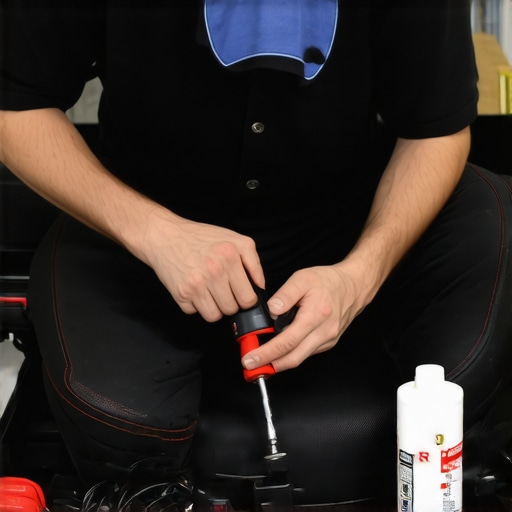
Ever been stuck in traffic, only to be jolted out of your concentration by a loud, persistent squeak whenever you change position in your seat? I remember the exact moment I lost my patience—mid-zoom through rush hour, my seat squealed like a banshee. That tiny noise, which seemed harmless at first, quickly became a daily torment. It’s surprising how something so small can turn into a full-blown nuisance that eats away at your peace of mind.
Now, I’ve been there more times than I can count. After countless trips to auto shops and trying half-hearted fixes, I finally cracked the code. The good news? You don’t have to live with that squeak any longer. Today, I’ll share a tested, straightforward method to silence that stubborn noise and bring back your driving comfort. Whether you’re a seasoned car enthusiast or just fed up with your seat’s constant squealing, I promise—this isn’t just guesswork. It’s a proven approach based on my personal experience and practical automotive knowledge.
Say Goodbye to That Annoying Squeak
Before we dive into the fix, it’s important to understand why seats squeak in the first place. Usually, it’s due to friction between worn or dry parts—like the seat’s rails, brackets, or contact points where metal rubs against plastic or fabric. Over time, dirt, dust, and lack of lubrication compound the problem, turning a minor squeak into a constant earworm. And, remarkably, it’s often an easy fix if you know where to look and what to do.
Is Applying Lubricant Really Effective or Just a Waste of Time?
If you’ve tried lubricants before and found the squeak persists, don’t give up just yet. Early on, I made the mistake of assuming every squeak required replacing entire seat components, costing me a fortune. What I learned is that a simple, targeted application of a silicone-based lubricant can work wonders—if done correctly. Check our detailed guide on how to diagnose and fix squeaky car parts here.
Have you encountered this squeaking issue in your vehicle? If so, stick around. The upcoming steps will show you how to banish that noise without spending a ton of money or dismantling your entire seat. Ready to regain your peace and quiet on the road? Let’s get started by pinpointing the culprit and performing the right fix.
Identify the Source of the Squeak
Pull the seat forward and backward to listen for the squeak’s location. Imagine the seat rails are like a sliding door; if you hear noise when moving the seat, it often comes from the rails or contact points. Use a flashlight to inspect under the seat for visible dust, dirt, or worn parts.
Clean the Contact Areas Thoroughly
Spray compressed air to remove dust from the rails and brackets. Wipe surfaces with a clean rag. Think of this as cleaning your kitchen slider: debris causes friction and squeaking. If grime persists, proceed to lubrication.
Apply the Right Lubricant
Choose a silicone-based spray designed for automotive use—these are like the WD-40 of car interiors. Shake the can well, then spray along the seat rails, contact points, and bushings. Use a cloth to wipe excess and ensure even coverage. In my experience, targeting these spots prevented future squeaks and restored smooth seat movement.
Test the Seat Movement
Move the seat back and forth, adjusting height and tilt if possible, to distribute the lubricant evenly. If the squeak diminishes or disappears, you’ve succeeded. If not, reapply to stubborn areas.
Secure Loose Parts and Check Bolts
Tighten any loose bolts under the seat with a socket wrench. Loose bolts can sound like squeaking brakes; snug fitment prevents unnecessary movement and noise. Remember, a properly secured seat reduces rattles and prolongs component life.
Prevent Future Squeaks with Regular Maintenance
Every few months, repeat cleaning and lubrication to keep seat components dry and well-lubricated. Think of it as oiling bike chains for smooth ride quality. Regular upkeep averts the buildup of dirt and reduces friction-induced noises.
For more on vehicle component maintenance, visit our comprehensive guide on auto repair best practices. If squeaks persist despite these steps, consulting a professional may be necessary, especially to check for worn seat brackets or plastic contact points that need replacement.
Many drivers operate under misconceptions about vital aspects of vehicle maintenance, especially regarding transmissions, brakes, and general auto repair. These myths can lead to costly mistakes and compromised safety. As an automotive enthusiast with years of hands-on experience, I want to shed light on some of these misconceptions and reveal the hidden nuances that can make or break your vehicle’s longevity.
Common Myths That Could Cost You
One pervasive myth is that all transmission issues stem solely from low fluid levels. While fluid is crucial, modern transmissions are complex, and problems often originate from internal wear or electronic control module failures. Regularly flushing your transmission fluid, as many suggest, isn’t always the best approach; in some cases, replacing it too aggressively can cause more harm than good. For comprehensive insights tailored to specific vehicle needs, visit our detailed guideline on top transmission repair tips.
Another misconception revolves around brake service — the idea that replacing pads alone suffices. In reality, neglecting to inspect rotors, calipers, and brake lines can lead to uneven brake wear, pulsating pedals, or even brake failure. Proper brake service involves an integrated approach, ensuring all components function harmoniously. Remember, brakes are your vehicle’s primary safety feature, so don’t skimp on thorough inspections. Learn more about effective brake maintenance from our latest brake service strategies.
When Doing It Yourself Goes Wrong
Many car owners believe that minor repairs or routine checks are simple enough to do without professional help. While this can be true for some maintenance tasks, attempting complex repairs like transmission rebuilds or suspension overhauls without proper expertise can lead to overlooked issues or worse, safety hazards. The ‘Oops’ factor here is underestimating the intricacies involved; for instance, an improperly installed transmission or brake caliper can cause extensive damage or accidents.
For those looking to maintain their vehicle’s peak performance, understanding common pitfalls is vital. A little extra caution and knowledge can save you from costly repairs later. For advanced troubleshooting guides, see our recommendations on essential car service checks.
What about the Long-Term Impact of Skipping Preventive Care?
One advanced insight is that neglecting regular maintenance accelerates wear and leads to unpredictable failures. For example, ignoring subtle signs like uneven tire wear or declining transmission responsiveness can cause larger, more expensive problems down the line. Regularly scheduled inspections and fluid checks are your best defense. It’s a misconception that maintenance is optional; in reality, it’s an investment in your vehicle’s future reliability.
According to automotive experts, early detection of issues through preventive care saves thousands in repair costs and maintains safety standards. To build a comprehensive maintenance plan tailored for your vehicle, explore our auto repair guides.
Have you ever fallen into this trap? Let me know in the comments. Remember, understanding the nuances of auto repair isn’t just for mechanics; it’s essential knowledge for every responsible car owner. By questioning common beliefs and approaching vehicle maintenance with a critical eye, you can extend your car’s lifespan and keep yourself safe on the road.
Equip Yourself with Precision: Tools That Make the Difference
Maintaining and repairing your vehicle requires more than just basic knowledge; it demands the right tools to ensure safety and effectiveness. I personally rely on a high-quality digital multimeter, like the Fluke 115, because it provides accurate readings for diagnosing electrical issues such as faulty sensors or failing alternators. For brake service, I prefer a set of precision micrometers and dial indicators to measure rotor runout meticulously, preventing uneven brake wear and ensuring optimal stopping performance. Investing in a reliable OBD-II scanner, such as the BlueDriver, allows for quick diagnosis of engine and transmission trouble codes, saving time and preventing unnecessary parts replacement.
When it comes to suspension checks, a set of sway bar end link removal tools and spring compressors make the job safer and more straightforward. I also recommend a portable general-purpose borescope, which helps inspect hard-to-reach areas like engine cylinders or inside the transmission without invasive disassembly. These tools, combined with proper safety equipment like gloves and eye protection, make DIY auto maintenance both feasible and safe.
Implementing Proven Methods for Long-Term Vehicle Care
Beyond tools, the techniques I advocate are rooted in practical experience. Regularly lubricating critical points, such as door hinges and seat rails using silicone spray, can extend their lifespan and prevent squeaks. For transmission health, I suggest scheduled fluid replacements based on manufacturer recommendations, but also consider a fluid analysis service to detect wear particles early, possibly preventing costly failures. This approach aligns with industry best practices detailed in our guide on transmission maintenance.
Looking Ahead: The Future of Auto Maintenance Tools
Advancements in diagnostic technology, like integrated IoT sensors and AI-driven analysis, hint at a future where vehicles will self-report issues before symptoms even manifest. Augmented reality (AR) systems may soon guide DIY enthusiasts step-by-step through repairs, reducing the gap between professional and home repairs. Staying updated with these innovations means investing in versatile diagnostic tools that can adapt to evolving vehicle systems.
How do I maintain my tools to ensure they stay accurate and reliable?
Proper calibration and storage are key. Regularly test digital multimeters against known standards and keep tools in protective cases to avoid damage. For software-based diagnostics, ensure firmware updates are current, which is vital as vehicle systems become increasingly complex.
If you’re ready to elevate your auto repair game, try calibrating your digital multimeter today or exploring an advanced OBD-II scanner. This investment empowers you to diagnose issues early, saving time and money in the long run. For comprehensive guidance, review our auto service checklists.
What I Wish I Knew When I First Tried to Silence That Squeak
One of the biggest lessons I learned was the importance of patience and thorough inspection. Jumping straight to applying lubricant without cleaning or identifying the exact source often led to repeated squeaks. Taking the time to carefully inspect and understand the root cause saved me time and money in the long run.
Another insight was recognizing the significance of using the right tools and products. Approaching the problem with a quality silicone-based lubricant and proper cleaning materials made a noticeable difference, illustrating how investing in the right supplies can elevate your DIY efforts.
Lastly, I discovered that regular maintenance acts as a preventive shield. A simple routine of periodic cleaning and lubrication can keep squeaks at bay and extend the lifespan of seat components. This proactive approach not only enhances comfort but also maintains the vehicle’s value over time.
My Top Recommendations for Keep-Your-Car in Top Shape
- OBD-II Scanners like BlueDriver: Trusted for their accuracy and ease of use, they help diagnose engine and transmission issues early.
- Silicone Spray Lubricants: A must-have for seat rails, door hinges, and other moving parts—ensuring smooth operation without attracting dust.
- Precision Tools such as Dial Indicators and Micrometers: Essential for maintaining brake rotors and suspensions, ensuring safety and performance.
- Comprehensive Auto Repair Guides from CollisionRenew: Our in-depth resources provide step-by-step instructions for both beginners and seasoned DIYers, helping you tackle complex repairs confidently.
Keep Moving Forward with Confidence
You’ve got the knowledge now—there’s no reason to hesitate when it comes to maintaining or repairing your vehicle. Every fix, big or small, enhances your car’s reliability and your skills as a responsible owner. Embrace the journey of auto care, and remember: each challenge is an opportunity to learn and grow. Ready to take the next step? Dive into our detailed guides and start making your car run smoother today.