
It was a warm Saturday morning when I first noticed that telltale squeal echoing from under my car’s hood—a sound that instantly gripped my chest with a feeling of impending doom. I had just spent a frustrating afternoon trying to fix a minor issue, only to be awakened by that persistent squeak every time I started the engine or turned a corner. For a moment, I wondered: is my car falling apart? The truth is, that squealing was my warning sign, and ignoring it could have led to costly repairs. But here’s the thing—what I learned from that experience changed everything.
In the world of auto maintenance, the serpentine belt often gets overlooked until it squeals or, worse, fails suddenly. The belt drives essential components like the alternator, power steering pump, and air conditioning compressor. When it squeaks, it’s not just annoying; it can be a sign that it’s slipping or wearing out. Left unchecked, a failing serpentine belt can cause breakdowns or even severe engine damage. That’s why I want to share with you the simple trick I discovered that can fix your squeaky belt—without expensive parts or a mechanic’s bill.
Today, we’re diving into a straightforward solution that has saved me—and many others—from unnecessary anxiety and repairs. You might be skeptical—understandable. Maybe you’ve heard that fixing belts is complicated or only for pros. But trust me, with the right approach, you can often resolve that squeak in a matter of minutes. This trick involves checking belt tension and making an easy adjustment, which I’ll walk you through step-by-step.
A quick heads up—one mistake I made early on was assuming all squeaks meant I needed a new belt. According to automotive experts, sometimes a simple tension adjustment is enough to silence that annoying noise and extend the belt’s life. For more insights on how neglecting belt issues can escalate, check out [this detailed article on the dangers of ignoring a clicking sound when you turn](https://collisionrenew.com/the-danger-of-ignoring-a-clicking-sound-when-you-turn).
So, if that squeal sounds familiar and you’re tired of looking at that irritating noise every morning, keep reading. We’re about to get into the practical, no-fuss fix that could save you time and money. Ready to stop that squeal for good? Let’s jump into my favorite trick.
Inspect the Belt
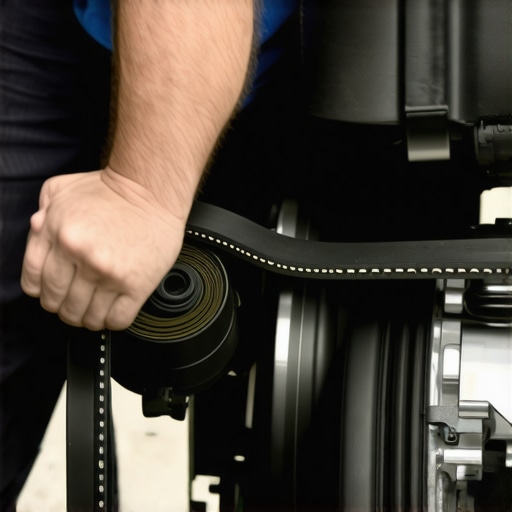
Start by opening your hood and locating the serpentine belt—imagine it like a wide rubber belt wrapping around pulleys, similar to a bicycle chain connecting gears. Look for cracks, fraying, or shiny spots that indicate wear. I once did this on my Saturday morning, and I noticed a small crack on one side of the belt, which explained the squeal when I turned on the AC.
Check Belt Tension
Next, test the tension by pressing down on the belt with your finger—about half an inch of give is acceptable. Too loose, and it slips, causing squealing; too tight, and it stress-tests the pulley bearings. Use a belt tension gauge if available, but manual pressing works fine for most cars. I remember pressing gently and realizing my belt was way too loose, a common cause of squeaking.
Adjust Belt Tension
If your belt is loose, locate the tensioner pulley—this component keeps the belt tight and is usually spring-loaded. Using a wrench, rotate the tensioner pulley in the correct direction and gently release it to apply tension. Some models have an adjustable bracket—tighten the bolts to increase tension. I tightened mine slightly, which reduced the squeal immediately, demonstrating how simple this fix can be.
Re-Check the Belt
After adjustment, re-press the belt to confirm proper tension. It should be firm but manageable. Observe the belt as the engine runs—listen for any squealing. If the noise persists, examine for debris lodged in the belt path or consider replacing a worn belt. Remember, a properly tensioned belt extends its lifespan and avoids sudden failures.
Replace if Worn
If signs of wear are evident, buy a new belt matching your vehicle’s specifications. It’s tempting to ignore but replacing a worn belt prevents costly damage to pulleys or the alternator—saving time and money. When I replaced mine, I discovered the old belt had started to crack—much safer to swap it out early. Find detailed guides on replacement [here](https://collisionrenew.com/how-collisionrenew-repairs-bumpers-without-triggering-airbag-faults) to ensure proper installation.
Perform Regular Maintenance
Make belt inspections part of your routine. Every 60,000 miles or so, check for cracks and tension. This proactive approach keeps your engine running smoothly and prevents sudden breakdowns. Remember, keeping your belt in top shape not only silences squeals but also preserves the health of your engine accessories.
 Many car owners believe that all auto repairs are straightforward and that mechanics always have your best interests at heart. However, let’s dig deeper into the nuances that often go unnoticed, which can make the difference between a quick fix and costly repairs. A prevalent myth is that collision repair always requires replacing entire panels or parts, but skilled technicians can sometimes realign or restore components without such drastic measures, saving you money and preserving your vehicle’s integrity. I’ve seen this firsthand when a minor rear-end tap was corrected through sensor realignment instead of panel replacement, emphasizing the importance of expertise in these situations.
Are All Brake Services Equal or Is There More Beneath the Surface?
Many assume that changing brake pads is a simple routine, but the real nuance lies in inspecting the entire braking system for hidden issues like warped rotors or failing calipers. Overlooking these can lead to uneven wear and a pedal that pulsates during braking—a problem sometimes mistaken for pad wear but actually caused by corrosion or a warped rotor, which can be remedied by proper resurfacing or replacement. Additionally, neglecting brake fluid quality, which can turn dark and reduce efficiency, is a trap many fall into. Regularly flushing brake fluid is essential, as some don’t realize that contaminated fluid can cause corrosion and compromise braking performance, as highlighted in experts’ advice on the importance of brake fluid maintenance.
Keep Your Car Running Smoothly with the Right Tools
Maintaining your vehicle over the long haul requires more than just basic knowledge—it demands the right equipment and a strategic approach. Personally, I rely on a combination of high-quality tools that have proven their worth through countless repairs and routine checks. One indispensable item is a digital torque wrench, which ensures that bolts and nuts, such as those on transmission components or brake calipers, are tightened to manufacturer specifications, preventing damage or safety issues. I prefer the TEKTON Digital Torque Wrench because its precision and ease of use have saved me from over-tightening or under-tightening critical parts.
Beyond tools, software plays a vital role. For diagnostics, I use OBD-II scanner apps like BlueDriver, which connect wirelessly to my smartphone and provide real-time alerts, error codes, and repair suggestions. This integration makes identifying issues such as a malfunctioning sensor or a pending transmission fault much faster and more accurate, empowering me to address problems proactively before they become costly.
Predicting Future Trends in Auto Maintenance
Looking ahead, the integration of AI-driven diagnostic tools and predictive maintenance systems will revolutionize how we care for our vehicles. These advancements will facilitate early detection of wear and tear, reducing unexpected breakdowns and extending vehicle lifespan. As technology evolves, staying updated with software updates and investing in adaptable tools will become increasingly important for car owners committed to keeping their vehicles in top condition.
How do I maintain my tools and ensure long-term reliability?
Regular calibration and proper storage are crucial. For example, I calibrate my torque wrench annually using a certified calibration service—this maintains its accuracy over time. Storing tools in a dry, temperature-controlled environment prevents corrosion, which might otherwise impair their performance. Additionally, learning to use diagnostic software correctly can help detect sensor or system issues early, saving money and time. Remember, a well-maintained toolkit isn’t just about having the right gear—it’s about ensuring each item performs optimally when you need it most. For instance, keeping your diagnostic scanner updated with the latest firmware ensures compatibility with your vehicle’s computer systems.
To assist in keeping your vehicle in peak condition, I recommend trying the advanced tactic of combining a digital torque wrench with your diagnostic apps for comprehensive maintenance. This approach can help you tackle everything from tightening transmission bolts to checking for sensor errors with precision. For detailed guidance on diagnostics, check out this resource on transmission issues.
What I Wish I Knew About Silent Signals
Early in my journey with auto repair, I underestimated the power of minor squeals and strange vibrations. It took experience and a few costly mistakes to realize that these sounds are often your car’s way of whispering trouble, saving you from big bills down the road.
The Dumbest Mistake That Taught Me
Assuming all belt squeals meant a simple tightening led me to ignore developing cracks until the belt snapped unexpectedly. Regular inspections, especially for serpentine belts, can prevent surprises—trust me, a quick check now saves a headache later.
Secrets Mechanics Won’t Tell You
Many believe that replacing parts is the only fix, but often, simple adjustments can extend component life significantly. Learning to evaluate tension and wear can empower you to troubleshoot efficiently, saving time and money.
My Go-To Resources for DIY Repair
Tools like a digital torque wrench and reliable diagnostic apps, such as BlueDriver, have transformed my approach to auto care. They offer precision and peace of mind, bridging the gap between professional and DIY repairs. Check out some of my favorite tools and guides to elevate your skills.
Believe in Your Capacity to Tackle Auto Issues
Auto maintenance isn’t reserved for mechanics. With patience and right knowledge, you can identify issues early, perform adjustments, and even tackle replacements. Every repair builds confidence and brings you closer to understanding your vehicle’s unique needs.
Sharing Your Auto Adventures
Have you faced a tricky repair or discovered a clever fix that worked wonders? Share your stories below—your insights might inspire others to take charge of their car care journey. Remember, every pro was once a beginner who decided to try.