
It was a chilly morning, and I was halfway to work when my car suddenly sputtered and lost power. The engine hesitated, then crawled along as if it had forgotten how to breathe. Panic set in—had I seriously just become the victim of a breakdown that could’ve been prevented?
Sometimes, the warning signs are subtle; other times, they’re glaring. Recognizing these early symptoms can save you from being stranded on the side of the road or facing costly repairs. Today, I want to share how you can detect a failing fuel pump before it leaves you stuck in a worse jam.
Why Monitoring Your Fuel Pump Matters
The fuel pump is the lifeblood of your vehicle’s engine. It supplies the necessary fuel at the right pressure for smooth operation. When it’s on the fritz, you might notice glitches—hard starting, stalling, or uneven acceleration. Unlike the more obvious signs of engine trouble, a failing fuel pump subtly threatens your daily drives and long trips alike.
Early detection can prevent a total breakdown and hefty repair bills. In fact, some research shows that vehicle breakdowns related to fuel system failures cost owners hundreds, sometimes thousands, in emergency repairs. Recognizing the warning signs early can be the difference between a quick fix and a roadside emergency.
But how do you identify these signs before your car leaves you stranded? That’s what we’ll dive into next.
Is It Really Worth the Effort to Check Your Fuel Pump?
I used to dismiss the importance of fuel pump maintenance, thinking it was something only professionals needed to worry about. My mistake? I ignored a minor sputter that I thought was just bad fuel. That tiny hiccup turned into a dead car on a busy highway. Trust me, I learned the hard way that neglecting early signs can be costly.
Being proactive isn’t just about saving money; it’s about keeping yourself safe and avoiding inconvenient breakdowns. For more insights on vehicle safety, you might find this article about brake issues interesting—it’s a reminder that paying attention to small symptoms can prevent big problems later.
Now, let’s look at how you can spot a failing fuel pump before it leaves you stranded on the side of the road.
Listen to Your Engine’s Whispers
Start your vehicle and listen carefully. A failing fuel pump often produces a whining noise or a humming sound from the fuel tank area. I recall checking mine on a quiet morning; the unusual hum sounded like a distant bee, signaling the pump was struggling. Recognizing this early can be a game-changer. If you notice odd noises, it’s time to dig deeper.
Monitor Your Car’s Starting Routine
If your car takes longer than usual to start or sputters before catching, it might be a sign of insufficient fuel pressure. For example, I once had a morning where my car hesitated and then roared to life—immediately, I knew something was off. This sluggish start is a clue to check your fuel system.
Evaluate Acceleration and Performance
Pay attention to how your car responds when you accelerate. Restricted fuel flow causes hesitation or stalling, especially under load. Once, during a steep hill climb, my engine sputtered and lost power—indicative of fuel delivery issues. Regularly experiencing such symptoms should prompt an inspection.
Inspect Fuel Economy Records
Keep track of your mileage. A sudden drop hints at possible fuel pump problems. I noticed my miles per gallon declining steadily—leading me to realize my fuel pump was not maintaining proper pressure. Maintaining logs can help you catch deterioration early.
Perform a Fuel Pressure Test
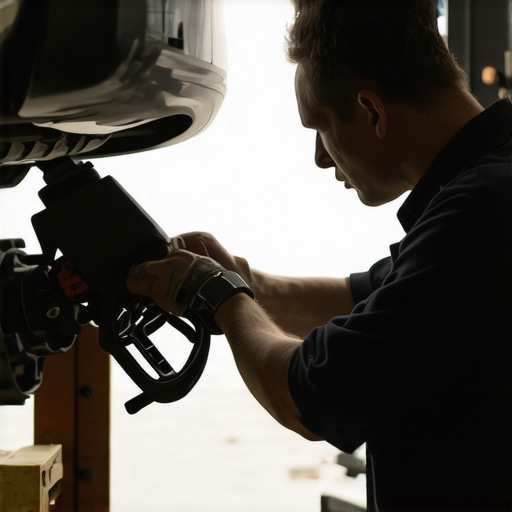
This step is best executed with a mechanic, but understanding it is crucial. The mechanic connects a pressure gauge to the fuel rail to measure pressure levels against specifications. During my last visit, the gauge read significantly below the recommended PSI, confirming my fuel pump was on its way out. If you’re comfortable, you can learn how to perform this test or request professional help.
Check the Fuel Filter for Blockages
A clogged filter forces the pump to work harder, mimicking pump failure. During my own troubleshooting, replacing the fuel filter resulted in smoother operation. Remember, a dirty filter can aready cause symptoms similar to a failing pump, so change it regularly.
Examine for Electrical Issues
Since the fuel pump operates via an electrical circuit, inspect the relay, fuse, and wiring for corrosion or damage. I once found a blown fuse after my car refused to start, saving me from replacing the entire pump. Regularly checking these components can prevent misdiagnosis and unnecessary costs.
Use OBD-II Scanner for Error Codes
Modern vehicles can relay issues through onboard diagnostics. Connect an OBD-II scanner and look for codes related to fuel system errors. I borrowed a scanner, and a code pointed directly to low fuel pressure, swiftly guiding my repair plans. This tech-savvy step accelerates troubleshooting and confirms suspicions.
Schedule Professional Inspection
If you’ve gone through these steps and still suspect pump problems, consult a trusted mechanic. They can perform a pressure test and inspect internal components. When I finally took my vehicle to the shop after DIY checks, they confirmed the pump’s motor was weak, guiding me toward replacement.
Remember, staying alert to these signs can save you the headache of being stranded. Regular maintenance and attentive observation are your best defenses against unexpected breakdowns.
Many car owners believe they understand the basics of vehicle maintenance, but in reality, misconceptions abound that can lead to costly mistakes. One common myth is that if a repair seems straightforward—like replacing brake pads—it will always fix the issue permanently. However, without considering the entire system, you risk overlooking underlying problems such as warped rotors or suspension misalignments, which can cause uneven brake wear or diminished safety. This oversight often results in repeat repairs and increased expenses.
Another frequently misunderstood aspect involves transmission servicing. Many think that transmission fluid replacement is only necessary at high mileage intervals. In truth, neglecting regular checks based on driving habits and environmental conditions can lead to early transmission failure. For example, frequent short trips or towing can cause the fluid to deteriorate faster, weakening lubrication and causing gear grinding. Regular diagnostics can help detect early signs of transmission distress—don’t wait until you notice hard shifts or slips.
The ‘oops’ factor is evident in collision damage assessments where owners assume cosmetic fixes are all that’s needed post-accident. What many miss is the importance of inspecting structural components and sensors that might be slightly misaligned or damaged, impacting safety and vehicle performance. For instance, a small tap to the corner may seem minor, but an undetected sensor misalignment can lead to faulty airbag deployment or advanced driver-assistance system (ADAS) errors. Consulting professionals who perform comprehensive post-collision diagnostics can prevent future safety hazards.
In brake service, a common trap is ignoring subtle signs like grumbling noises or uneven pedal feel. Many owners focus solely on pad replacement, but this neglects critical components such as the master cylinder or brake fluid condition, which deteriorate over time. Dark or contaminated brake fluid, for example, can reduce braking efficiency and cause long-term damage to the system. Regularly checking fluid and inspecting calipers and lines ensures safety and longevity.
**Why Overlooking Vehicle Diagnostics Can Cost You Big**
Advanced diagnostics using onboard sensors provide invaluable insights into vehicle health that owners often bypass. Modern cars log error codes that can reveal lurking issues before they turn into breakdowns. Studies indicate that vehicles with routine diagnostic checks experience fewer emergency repairs and better safety records. For example, ignoring a flagged ABS sensor can lead to compromised stability during braking, especially in wet conditions. Integrating diagnostic tools into your maintenance routine is a proactive way to safeguard your investment.
Have you ever fallen into this trap? Let me know in the comments! Understanding the nuances of car service not only saves money but also keeps you safe on the road.Maintaining your vehicle in peak condition requires the right tools and a disciplined approach. Personally, I recommend investing in a high-quality OBD-II scanner like the Autel MaxiCOM MK808, which allows for comprehensive diagnostics without frequent trips to the mechanic. This handheld device provides real-time data and clear codes, helping you identify issues early—saving time and money. For Transmission health, a good gear oil tester can help monitor lubricant condition, revealing early signs of wear before costly repairs are needed. I also use a dedicated fuel pressure gauge that connects directly to the fuel rail; this lets me verify fuel delivery, ensuring my fuel pump remains reliable over the years. These tools empower you to perform basic diagnostics at home, making maintenance more predictable and less intimidating.
When it comes to long-term results, regular software updates for your vehicle’s ECU are crucial, especially in modern cars. Many manufacturers release firmware patches that can improve fuel efficiency and resolve known bugs. I routinely connect my vehicle to specialized software via an OBD-II interface to update the ECU, which helps optimize performance and extend component lifespan.
As vehicles evolve, so should your approach to maintenance. The trend is moving toward integrated diagnostic systems combined with DIY capabilities. In the future, expect more advanced telematic tools that can monitor your vehicle remotely, alerting you to issues before symptoms even surface.
A key question is: How do I maintain my car’s performance over time? Regularly checking fluid levels and replacing filters at manufacturer-recommended intervals remains foundational. Additionally, keeping your battery terminals clean with a brush and corrosion solution can prevent unexpected breakdowns. For example, I use a wire brush dipped in baking soda solution to remove corrosion, which improves electrical flow and starts reliability. This simple step can make a significant difference in cold weather or after long periods of inactivity.
Don’t overlook the value of periodic professional inspections, especially for critical components like the transmission or suspension. While DIY diagnostics are invaluable, expert assessments can uncover hidden issues that aren’t easily visible or testable at home.
Lastly, for collision repair and ongoing safety, maintaining accurate sensor calibration is essential. After any bodywork or minor collision, ensuring that sensors and alignment are properly recalibrated can prevent issues like false airbag deployments or steering problems. For complex alignments, specialized equipment from trusted shops ensures your vehicle’s systems function harmoniously.
Incorporating these tools and practices into your routine not only prolongs your vehicle’s lifespan but also enhances safety and driving pleasure. I encourage you to start with a quality OBD-II scanner—an investment that pays for itself by identifying problems early. Regular maintenance, combined with the right diagnostics, makes vehicle ownership more predictable and less stressful.
Throughout this journey, I’ve learned that the most effective way to keep your car running smoothly isn’t just reacting to problems—it’s about anticipating them before they escalate. The insights shared here are more than checklists; they’re lessons that could save you from costly repairs and unsafe situations. Remember, your vehicle’s health is a reflection of the care you invest, and staying informed empowers you to make smarter decisions on the road.
How My Drive to Knowledge Changed My Car Care Approach
- Prioritizing listening and observation transformed my understanding of early warning signs—drivers often dismiss subtle sounds or delays that are actually alerts to deeper issues.
- Using DIY tools like an OBD-II scanner unlocked a new level of control—quickly diagnosing problems without waiting for scheduled appointments or surprise breakdowns.
- Recognizing myths and misconceptions prevented me from overspending on unnecessary repairs, reinforcing that education is key to effective vehicle maintenance.
Tools and Resources That Keep Me Ahead of Troubles
- My trusted fuel pressure gauge allows me to verify fuel delivery—crucial for detecting early fuel pump issues.
- The latest diagnostic software keeps my vehicle’s ECU updated and alerts me to emerging problems.
- An investment in a quality brake fluid tester ensures my safety is never compromised by neglected maintenance.
Take Charge of Your Vehicle’s Future Today
Embracing proactive care transforms the way you experience driving—less stress, more confidence, and a longer lifespan for your vehicle. As you implement these strategies, remember that knowledge combined with action is your most powerful tool. Don’t wait for warning signs to become emergencies—start today, and enjoy the peace of mind that comes with being an informed car owner.