
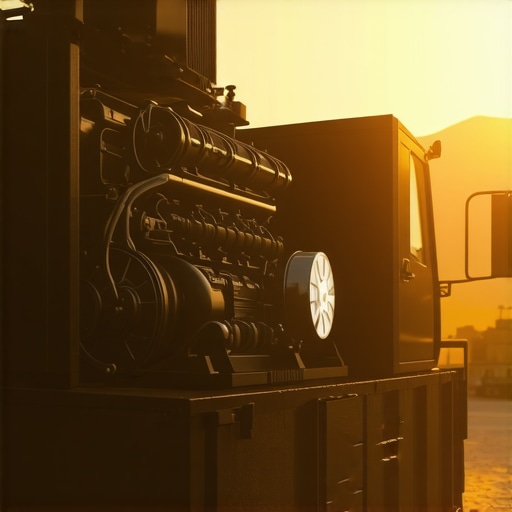
How to Keep Your Diesel Engine From Overheating in the Valley Heat
It’s 3:00 PM in the middle of July. You’re hauling a load up a grade, and the dashboard thermometer reads a blistering 114°F. In the Southwest, we don’t just call this summer; we call it “The Valley Heat.” Whether you are navigating the Phoenix sprawl, the Las Vegas strip, or the dusty stretches of the Central Valley, this environment is the ultimate proving ground for any vehicle – especially a diesel. My name is Johan Perez. I’ve spent the last 20 years with grease under my fingernails, specializing in diesel engines and complex computer diagnostics. I’ve seen what happens when the “unstoppable” torque of a Cummins, Powerstroke, or Duramax meets the immovable force of desert temperatures. If you aren’t prepared, you’ll find yourself frantically searching for auto repair near me while your hood vents steam like a teakettle.
Diesel engines are the workhorses of our economy, but they are not invincible. While they are built to handle high stress, the extreme ambient temperatures of the Valley present a unique set of challenges that can turn a minor cooling inefficiency into a catastrophic engine failure in minutes. Finding a reliable diesel repair shop before the needle hits the red is the difference between a standard maintenance bill and a $15,000 engine rebuild. In this guide, I’m going to share the technical precision and practical wisdom I’ve gathered over two decades to keep your rig running cool when the world around you is melting.
Why Diesel Engines Are Vulnerable to Extreme Temperatures
To understand why your diesel is struggling, you have to understand the physics of compression ignition. Unlike gasoline engines that use spark plugs, diesels rely on high compression ratios – often 17:1 or higher – to ignite fuel. This process inherently generates significantly more internal heat. Managing this heat is a carefully orchestrated process involving the cooling system, the lubrication system, and even the air intake system.
In a standard environment, the “heat exchange” process is straightforward: the radiator takes the heat from the coolant and releases it into the air. However, when the ambient air temperature is already 110°F+, the “Delta T” (the difference between the coolant temperature and the outside air) narrows. This makes it much harder for the radiator to shed heat. Furthermore, many modern diesels utilize Exhaust Gas Recirculation (EGR) systems. These systems take hot exhaust gases and plumb them back into the intake to lower NOx emissions. To do this without melting the intake manifold, the gas passes through an EGR cooler. In the Valley Heat, your cooling system isn’t just fighting to keep the block cool; it’s fighting to cool down 1,000-degree exhaust gases at the same time.
Heat is a byproduct of internal combustion, and in a diesel, it is also a source of power. But there is a fine line between thermal efficiency and thermal runaway. When the cooling system can no longer keep up with the heat being generated by the combustion chambers and the EGR system, the metal components – heads, pistons, and liners – begin to expand beyond their design tolerances. This is why specialized auto repair the valley experts focus so heavily on cooling system integrity; there is simply no margin for error here.
Common Culprits: Why Your Diesel is Running Hot
When a client brings a truck into my shop because it’s running hot, I don’t just look at the temperature gauge. I look for the “why.” Often, the culprit is one of four main issues that are exacerbated by our local climate.
Low Coolant and the Danger of Air Pockets
Coolant doesn’t just disappear; if it’s low, you have a leak or you’re burning it. In the extreme heat, even a pinhole leak in a radiator hose can lead to a drop in pressure. When the pressure drops, the boiling point of your coolant drops with it. This leads to the formation of air pockets and bubbles. These bubbles act as insulators, preventing the coolant from actually touching the metal surfaces of the engine. This creates localized “hot spots” in the cylinder head. If you see white smoke coming from your tailpipe, you might already be dealing with a head gasket failure caused by these very hot spots.
Radiator Obstructions and the “Stack” Effect
Valley driving involves a lot of dust, sand, and localized debris. Your truck’s cooling “stack” usually consists of the AC condenser, the intercooler (charge air cooler), and the radiator, all sandwiched together. If dust and bugs clog the fins of the outermost heat exchanger, the airflow to the actual radiator is severely restricted. I’ve seen trucks that looked fine on the outside but had a “blanket” of desert silt trapped between the intercooler and the radiator.
The Fan Clutch: Your First Line of Defense
The fan clutch is responsible for engaging the large cooling fan when the engine reaches a certain temperature. In the Valley, your fan clutch works overtime. If the silicone fluid inside the clutch shears down or the electronic solenoid fails, the fan won’t spin at the required RPM to pull air through the stack. If you’ve ever wondered why your engine fan runs for 10 minutes after the car is off, it’s often the computer trying desperately to shed heat from a heat-soaked block. If that fan isn’t roaring like a jet engine when you’re pulling a grade in 100-degree weather, your clutch is likely shot.
Thermostat Failures
A thermostat that is stuck partially closed is a silent killer. It might allow enough flow for a cool morning drive, but it won’t open wide enough to handle the volume of coolant needed at high noon. Conversely, understanding why your engine temperature drops while you are driving on the highway can actually help diagnose a thermostat that is stuck open – which is also bad, as it prevents the engine from reaching the operating temperature where it’s most efficient, leading to fuel dilution in the oil.
The “Valley Heat” Survival Checklist: Preventative Maintenance
As a mechanic with 20 years in the game, I can tell you that maintenance is always cheaper than repair. If you live in a high-heat region, your maintenance schedule should be more aggressive than what the owner’s manual suggests. When searching for Car repair shops near me, ensure they understand the specific needs of Southwest diesels.
- The “Super Flush”: Don’t just drain and fill. A professional flush removes the scale and silicate dropout that builds up inside the radiator and heater core. For high-mileage diesels, this is non-negotiable. Use the correct ELC (Extended Life Coolant) specified for your engine – mixing green and orange coolant can create a gel that will plug your oil cooler in days.
- Oil Quality and Heat Dissipation: Many people forget that oil is a cooling fluid. It carries heat away from the pistons and the turbocharger bearings. Heat breaks down the viscosity of the oil. If you notice your car smelling like hot oil, it’s a sign that your oil is thinning out and possibly seeping past seals. Fresh, high-quality synthetic oil is vital for heat management.
- Pressure Testing: Take your truck to a diesel mechanic near me for a cooling system pressure test. This will identify weak hoses or a failing radiator cap before they fail on the I-10 or the Strip.
- Battery and Electrical Health: Heat kills batteries faster than cold does. Extreme temperatures increase the internal resistance of the battery and can lead to the evaporation of electrolyte fluid. A weak battery can cause the electronic fan clutch to engage improperly or cause the ECU to throw “ghost” codes.
Regularly performing these essential car service checks can extend your vehicle’s life by years, especially when the environment is trying to kill it every summer.
What to Do When the Needle Climbs: Emergency Tactics
Even with the best maintenance, things can go wrong. If you see that temperature needle creeping toward the red zone, do not panic, but do act immediately. Every second you spend in the “red” is a second closer to a cracked cylinder head.
The 1500 RPM Trick
If you are stuck in Valley traffic and the temp starts to rise, your first instinct might be to let the engine idle. This is a mistake. Most diesel water pumps and cooling fans are engine-speed dependent. If you are at a standstill, put the truck in Neutral or Park and gently bring the RPMs up to about 1500. This increases the flow of coolant through the engine and increases the speed of the mechanical fan, pulling more air through the radiator. This trick has saved many of my customers from a tow bill.
The Heater Core Hack
It’s the last thing you want to do when it’s 110°F outside, but turn your cabin heater on to full blast. Your heater core is essentially a second, smaller radiator. By turning on the heater, you are pulling extra heat out of the coolant and venting it into the cabin. Roll down your windows and endure the heat for a few miles; it could save your engine.
The 15-30 Minute Rule
If you must pull over, do not immediately shut the engine off if it isn’t “boiling over.” If you shut a super-heated diesel off immediately, the coolant stops flowing, but the metal parts are still radiating heat. This causes “heat soak,” which can warp heads. Let it idle for a minute or two to stabilize, then shut it down. NEVER touch the radiator cap. You must let the engine cool for at least 15-30 minutes. The system is under immense pressure, and opening it can cause a “geyser” of boiling coolant that will cause third-degree burns.
While you wait for it to cool, check for obvious signs of failure. If you’re worried about the damage already done, there is a simple way to check if your head gasket is actually blown using a combustion leak detector kit, which many Mechanic Shop Near Me locations carry.
Long-Term Solutions for Heavy Haulers
For those who use their trucks for work – hotshotting, ranching, or heavy construction – the factory cooling system might not be enough for the Valley. If you are constantly pushing your rig to the limit, consider these upgrades:
High-flow water pumps use improved impeller designs to move more volume at lower RPMs. Larger aftermarket aluminum radiators offer more surface area and better heat dissipation than the plastic-tanked OEM units. For fleet owners, downtime is lost revenue. Searching for truck repair near me that specializes in fleet upgrades can help you spec out your rigs for the specific thermal demands of the Southwest.
Additionally, consider an auxiliary oil cooler. Since diesel oil carries a significant thermal load, keeping the oil 20 degrees cooler can have a massive impact on the overall engine temperature. This is particularly important for engines with HEUI (Hydraulic Electronic Unit Injection) systems, where the oil also serves as the hydraulic fluid for the injectors.
Conclusion & Call to Action
In the Valley, the heat is a constant adversary, but it doesn’t have to be the end of your diesel engine. By understanding the unique demands placed on your cooling system and staying ahead of maintenance, you can keep your truck on the road for hundreds of thousands of miles. Remember, prevention is always cheaper than a head gasket repair or a full engine swap.
If your truck is showing signs of heat stress, or if you just want to ensure you’re ready for the next record-breaking heatwave, don’t wait. Visit a Mechanic Shop Near Me for a comprehensive cooling system audit. For any body-related heat damage or structural concerns, the team at Collision Renew is here to help. For all your mechanical diesel needs, the experts at Mango Automotive have the diagnostic tools and experience to keep your engine running at the perfect temperature. Stay cool out there.