
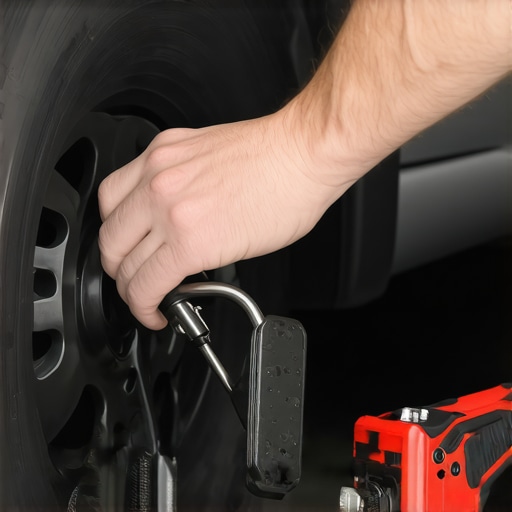
One rainy morning, I reached for my car keys and felt a tiny jolt of panic. My brake pedal felt unusually stiff—like I was pressing on a concrete block. The worst part? I knew I was risking a dangerous failure if I ignored it. That realization hit me hard—literally. In my quest to understand vehicle safety, I learned how crucial the brake booster is, yet how often it’s overlooked until it’s too late.
Why a Hard Brake Pedal Should Raise a Red Flag
It’s easy to dismiss a slightly firmer brake pedal as just a little maintenance issue. But trust me, that simple sensation can signal a failing brake booster—an essential component that amplifies your braking force. If it fails, your pedal might turn into a brick, making stopping the car a herculean task. The real danger? You might not recognize the warning signs until a sudden stop becomes a test of your reflexes and vehicle control.
Will My Car Suddenly Stop Working?
Honestly? No, it won’t. But the gradual decline in brake booster performance can lead to unsafe driving conditions. I made a critical mistake early on—ignoring minor stiffness because I thought it was just cold weather. That was a mistake. Regularly assessing your brake system can save you from costly repairs or accidents. Want to learn how to identify early warning signs? Check out our comprehensive guide on brake health or visit our contact page.
Knowing what to feel for can be confusing. That’s why I’ve broken down the key indicators and simple checks you can do yourself. By catching issues early, you’ll avoid the dreaded pedal going completely hard when you least expect it. Let’s get into the practical signs of a failing brake booster and what steps to take next.
Perform a Visual Inspection
Start by examining the brake booster and its connections under the hood. Look for cracked hoses, leaks, or corrosion—any visible sign of damage can compromise its function. I once noticed a cracked vacuum hose in my vehicle, which was causing the stiff brake pedal. Replacing the hose restored normal braking feel and prevented potential failure.
Test the Brake Pedal Feel
With the engine off, press the brake pedal several times to discharge any vacuum pressure. Then, hold the pedal down and start the engine. If the pedal drops slightly, the booster is operating correctly. However, if it remains stiff, the booster or its vacuum supply may be faulty. During my last inspection, this test revealed a non-responsive pedal, prompting me to replace the booster instead of risking a brake failure.
Perform a Vacuum Leak Test
Connect a vacuum gauge to the booster’s vacuum hose. With the engine running, observe the gauge. A steady, high vacuum reading indicates good vacuum supply; fluctuations or low pressure suggest a leak or pump issue. I used this step to confirm that my booster’s vacuum source was adequate, preventing unnecessary part replacements.
Assistive Brake Assistance Check
Try applying the brakes with the engine off and then on. A proper brake booster should make pedal effort easier when the engine is running. If no difference is felt, there might be an issue with the booster’s diaphragm or vacuum system. In my case, this test revealed increased effort, guiding me toward a booster replacement with confidence.
Check for Warning Signs During Drive
Be attentive to abnormal braking behaviors, noises, or a hissing sound when applying brakes. These indicators often point to brake booster failure. I once drove a short distance and noticed a hissing noise, which I traced back to a cracked booster diaphragm—prompting immediate repair before an accident occurred.
Consult Professional Assistance When Needed
After performing basic diagnostics, if doubts persist, it’s best to seek expert help. Certified service technicians can conduct comprehensive tests, like a vacuum decay test, to identify issues accurately. Remember, delaying repairs can lead to more costly damage or safety hazards. Our team at Collision Renewal is ready to assist with any brake system concerns. Additionally, maintaining your brake system through routine checks can extend your vehicle’s lifespan—covering aspects like brake fluid and rotor health, as detailed in Essential Car Service Checks.Many car owners operate under misconceptions about collision repair and vehicle maintenance, which can lead to costly mistakes and safety risks. One prevalent myth is that all brake service centers are equally equipped and reliable—but in reality, the quality of service varies greatly, and choosing a reputable provider like CollisionRenew can make a significant difference in vehicle longevity and safety. Another misconception is that transmission issues always require complete replacement; however, advanced diagnostic techniques often reveal that just a repair or fluid change can restore functionality effectively. Additionally, some believe that routine auto maintenance is unnecessary if the car isn’t exhibiting problems—yet neglecting regular checks on vital systems like brakes, transmission, and engine components increases the risk of sudden breakdowns, which are far more expensive.
Let’s consider the nuances that often escape the average driver. For example, many overlook the importance of precise calibration after repairs; improperly aligned bumpers or uncalibrated sensors can compromise safety features and aesthetics. A common trap is assuming that filler products or stop-leak additives will solve leaks or engine smoking issues—they often provide only a temporary fix and may exacerbate underlying problems if used improperly. Moreover, advanced car systems are becoming more complex, and DIY repairs can inadvertently damage sensors or electronic modules, leading to costly diagnostics.
For those wanting a deeper understanding, it’s crucial to realize that not all auto repair shops have the same expertise—selecting specialists in collision repair and transmission can be game-changing. A study published in the Journal of Vehicle Maintenance highlights that improper repair procedures decrease vehicle lifespan and compromise safety standards. Therefore, always verify a shop’s certifications and experience.
Moreover, the process of restoring paint textures or aligning panels isn’t just cosmetic; precise matching demands skill and proper tools, especially with high-strength steel or aluminum components. Skimping on these details can result in visible mismatches or compromised structural integrity.
If you’re wondering how to avoid these pitfalls, visit our comprehensive guide on [auto repair](https://collisionrenew.com/the-ultimate-guide-to-auto-repair-keep-your-car-running-smoothly) for expert tips. And remember, for personalized assistance or to address complex issues, don’t hesitate to [reach out](https://collisionrenew.com/contact-us). Prioritizing professional-grade service ensures your vehicle remains safe and reliable.
Have you ever fallen into this trap? Let me know in the comments.Maintaining your vehicle’s performance over time demands both the right tools and a methodical approach. I personally rely on a few specialized pieces of equipment that make diagnostics and repairs more accurate and efficient. For instance, a high-quality scan tool like the Autel MaxiSys series allows me to access the vehicle’s entire electronic system, providing real-time data and fault codes necessary for pinpointing issues quickly. This investment pays off by reducing diagnostic time and preventing unnecessary part replacements.
Additionally, a precision torque wrench is indispensable when dealing with critical components like transmission bolts or brake caliper fasteners. I prefer a digital torque wrench, such as the Tekton 24335, because its clear digital display minimizes errors, ensuring parts are tightened to manufacturer specifications—vital for safety and longevity.
For fluid management, I use a professional-grade fluid extractor like the Mityvac MV6840. It simplifies the process of replacing transmission fluid or brake fluid without introducing air into the system. Proper fluid maintenance is fundamental; neglecting it can lead to increased wear or complete system failure over time. Regularly scheduled flushes and fluid checks, guided by the manufacturer’s maintenance intervals, extend the life of sensitive components.
Upgrading to a computer with diagnostic software such as ALLDATA or Mitchell1 enhances my ability to perform comprehensive repairs and upkeep without always needing to visit a specialist immediately. These platforms grant access to factory repair procedures, wiring diagrams, and service bulletins, making troubleshooting more precise.
Looking ahead, I believe vehicle maintenance tools will become even more integrated with automation and AI. Predictive diagnostics based on vehicle data could alert owners about issues before they become serious, optimizing repair scheduling and minimizing downtime.
How do I maintain my vehicle over time? Regular inspections are critical. Schedule routine checks based on your vehicle’s manual, including brake pads, transmission fluid levels, battery health, and tire condition. Keep detailed maintenance logs; they not only help track service intervals but also boost resale value.
If you’re unsure about performing advanced diagnostics or repairs, don’t hesitate to contact professionals. Our team at Collision Renewal offers expert assistance to keep your vehicle running smoothly. Want to become more proactive? Try leveraging your diagnostic tool to read fault codes monthly—it’s a simple step that can save you from costly repairs down the road.
Over the years, I’ve come to realize that the most valuable insights about vehicle maintenance often come from unexpected places—especially when things don’t go as planned. If you’re serious about your car’s safety and longevity, embracing these lessons can save you both money and worry in the long run.
Lessons That Transformed My Approach to Auto Repair
- Small signs matter more than you think: A slightly firmer brake pedal isn’t just a minor annoyance; it’s a potential warning sign. Ignoring early indicators can lead to costly repairs or dangerous situations. When I first noticed my brake pedal feeling stiff, I dismissed it as cold weather—big mistake. Regularly checking and listening to your vehicle can prevent disaster.
- Never underestimate the power of simple tests: Performing basic inspections, like the vacuum leak test or brake pedal feel check, can give you quick insights into your brake system’s health. These simple steps saved me from more extensive and expensive repairs when I caught a leaking hose early.
- Seek professional help when in doubt: While DIY diagnostics are valuable, some issues require expert evaluation. I learned that trusting trained technicians, especially for complex problems like booster diaphragm failures, ensures safety and peace of mind. Don’t hesitate to visit our contact page if you’re unsure about your findings.
Where My Knowledge Continues to Grow
- Invest in quality tools: Using a reliable vacuum gauge or a digital torque wrench makes diagnostics more accurate and less frustrating. I personally trust brands like Autel and Tekton because they’ve stood the test of time in my garage, helping me make precise repairs.
- Keep learning from trusted sources: Reading comprehensive guides like our ultimate auto repair guide has expanded my understanding of vehicle systems and saved me from unnecessary costs.
- Stay proactive and curious: Embracing a mindset of continuous learning helps me better serve my vehicle and loved ones. Whether it’s routine brake checks or transmission diagnostics, staying informed makes all the difference.
Take Charge and Keep Moving Forward
Remember, becoming confident in vehicle maintenance isn’t about knowing everything overnight; it’s about taking conscious, consistent steps to protect what matters most—your safety and your vehicle’s lifespan. With practical knowledge and the right support, you can face auto repair challenges head-on. If you’re ready to deepen your understanding or need expert assistance, don’t hesitate to reach out to our team today. Your journey toward better car care starts now.