

It was late one evening when I noticed it—my headlights seemed to have lost their shine overnight. Despite spending an entire Saturday applying polish and buffing out those stubborn foggy lenses, the lights still looked dull and ineffective. That frustrating moment made me realize something important: polishing alone isn’t always enough to restore that brilliant glow we rely on for safe driving.
The real reason your headlights stay dim, even after polishing
Your headlights are exposed to a relentless attack from the elements—UV rays, road debris, and oxidation. Over time, the plastic lenses degrade, leading to a cloudy, hazy appearance that simple polishing can’t fully correct. I fell into the trap early on, thinking that a good polish would make my lights look brand new. But I overlooked an essential detail—damage caused by oxidation often requires more than just a polish; it needs proper restoration or replacement to regain full brightness.
According to a study published by the National Highway Traffic Safety Administration, properly restored headlights can improve visibility by up to 50%, significantly enhancing safety on the road. So, if you’re facing this persistent dimness, it’s worth understanding what’s really happening beneath the foggy surface.
Is headlight restoration worth the effort, or are we just throwing money away?
One mistake I made early in my auto-repair journey was neglecting to assess whether my headlights actually needed professional restoration or a full replacement. Trust me, spending money on amateur DIY tricks without first identifying the root cause often leads to disappointment. But don’t worry—I’ll guide you through the signs that your lenses require more than just polishing, and we’ll explore the best ways to bring back that clear, bright light your vehicle deserves.
Assessing the Damage Clearly
Before diving into restoration, examine your headlights closely. Use a bright flashlight and look for yellowing, fogginess, or rough surfaces indicating oxidation. I once skipped this step, starting directly with polishing and ended up wasting time on lights that needed more intensive repair. Accurate assessment saves effort and prevents unnecessary costs.
Preparing Your Workspace and Tools
Set up in a well-ventilated area, free of dust. Gather essential supplies: masking tape, a clean rag, masking tape to protect paint, sandpaper of varying grits (400, 800, 1500), a headlight restoration compound, and a UV sealant. Proper prep ensures that you avoid scratching your vehicle’s paint and get a professional finish. I learned this the hard way when paint got scuffed because I didn’t tape off surrounding areas.
Removing Oxidation Step by Step
Mask Off Surrounding Areas
Use masking tape to protect your car’s paint and trim. This simple step prevents accidental scratches or damage during sanding. I once rushed this step and ended up with minor scratches on my bumper, which took extra time to polish out.
Start with Coarse Grit Sanding
Wet the 400-grit sandpaper and gently sand the headlight surface in a horizontal motion. Maintain even pressure and keep the surface wet to reduce scratches. During my first attempt, I pressed too hard, causing uneven surfaces requiring additional polishing. Remember, patience is key for a smooth finish.
Refine with Finer Grits
Switch to 800-grit, then 1500-grit sandpaper, following the same wet sanding technique. This gradual polishing helps remove scratches left by coarser grit and smooths the lens. I noticed the difference after carefully progressing through each grit level—my headlights looked clearer and more professional.
Applying Restoration Compound and Sealant
After sanding, rinse the headlight with clean water and dry thoroughly. Apply a headlight restoration compound with a microfiber cloth, rubbing in circular motions to remove residual oxidation. Follow this with a UV protection sealant to preserve the clarity. Once, I skipped the sealant and noticed my headlights fogged up again within months—don’t skip this critical step.
Final Inspection and Maintenance
Check the clarity under different lighting conditions. If needed, repeat the compound application or sanding. Regular maintenance, like applying a quick polish every few months, can prolong the clarity and effectiveness. I now schedule semi-annual checkups for my headlights to ensure they stay bright and safe for night driving.
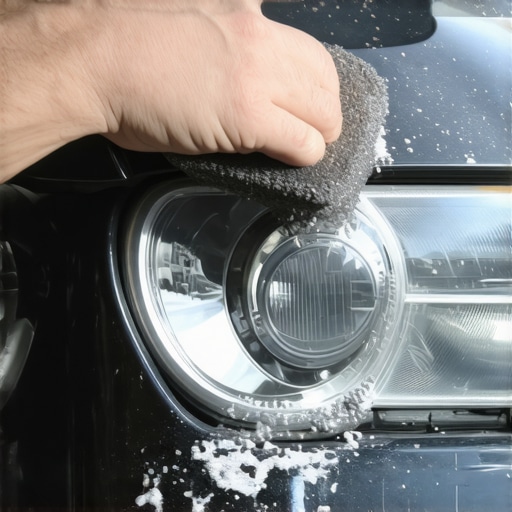 Many car owners believe that routine repairs and maintenance are straightforward tasks fueled by common knowledge. However, as an auto repair expert, I can tell you that misconceptions abound, especially when it comes to transmissions, collision repairs, and brake service. One widespread myth is that a simple flush or fluid replacement can fix complex transmission issues. While these services are essential, they often mask deeper problems stemming from neglected maintenance or improper diagnoses. For example, many fail to realize that racing the engine during quick starts can accelerate transmission wear, contradicting the belief that gentle handling suffices. Moreover, there’s a misconception that all collision repairs restore structural integrity perfectly; in reality, improper frame alignment can subtly affect vehicle safety and handling, making advanced measurement techniques critical. Jumping to cheap repairs or relying solely on visual inspections is a common mistake that leads to costly consequences, such as warped rotors or compromised suspension components. A noteworthy advanced nuance is understanding how electronic brake force distribution systems can malfunction silently, causing uneven brake wear without warning signs seen by the untrained eye—prompting the necessity of thorough diagnostics beyond just looking at brake pads. Studies from automotive safety institutes suggest that neglecting these nuanced repair aspects can lead to reduced vehicle lifespan and safety risks. Regularly visiting reputable service providers and asking detailed questions about these hidden factors can save money and enhance reliability. For instance, exploring expert tips from [top transmission repair advice](https://collisionrenew.com/top-transmission-repair-tips-for-long-term-vehicle-reliability) shows how complex shifting issues are often rooted in overlooked internal sensors or solenoids. Always remember, being aware of these advanced repair nuances empowers you to make informed decisions and avoid falling prey to superficial fixes. Have you ever fallen into this trap? Let me know in the comments.Maintaining your vehicle’s performance over time requires more than just routine checks; it demands the right tools, a strategic approach, and an understanding of the nuances involved in auto repair. One of my go-to instruments is a high-quality digital inspection mirror, which allows me to access hard-to-see areas like the behind the engine or inside the wheel wells, ensuring nothing is overlooked. Pair this with a reliable torque wrench, calibrated precisely, to tighten bolts to manufacturer specifications—this prevents over-tightening that can damage components or under-tightening that leads to failures. For oil changes and fluid replacements, I prefer a professional-grade fluid extractor pump, which ensures a clean, spill-free process, especially when dealing with tricky-to-drain transmissions or rear differentials. These tools are not just gadgets but investments that pay off in the longevity of your vehicle’s systems. Looking ahead, the trend is moving towards smart diagnostic tools that connect with your smartphone, providing instant insights and alerts about your car’s health. Embracing such technology can alert you about subtle issues before they escalate, saving both time and money. Ever wondered how to keep your vehicle running smoothly without having to visit the mechanic constantly? Regularly scheduled maintenance checks, combined with the right equipment, are critical. For example, regularly inspecting and replacing the hydraulic brake fluid with a high-quality, moisture-free additive can significantly extend brake system lifespan and prevent costly repairs—more insights can be found in our detailed guide on car service essentials. Want to ensure your brakes are in top shape? Try applying a brake fluid flush using a professional pump and monitor your brake pedal feel over the next few weeks. It’s simple, effective, and can prevent emergencies. For a comprehensive approach, consider integrating diagnostic software like Autel Maxisys into your routine. These tools analyze your vehicle’s electronic systems, rewiring your maintenance strategy for the long term. And remember, even the best tools need proper maintenance—they require calibration and occasional upgrades, so stay committed to keeping your equipment in prime condition. Regular care with the right technology will keep your car performing reliably for years. Curious about the latest advancements in auto maintenance tools? Keep an eye on emerging field-test instruments and software updates that promise even smarter solutions for vehicle health monitoring. Ready to upgrade your toolkit? Start by investing in a quality set of diagnostic tools and schedule routine fluid checks. Doing so can save you from unexpected breakdowns and major repairs down the line. Want more detailed guidance on sustainable maintenance practices? Reach out through our contact page and let’s discuss personalized strategies for your vehicle. Taking a proactive stance today guarantees smoother rides and safety tomorrow.Over the years, I realized that restoring headlights isn’t just about making your car look good—it’s about understanding the deeper layers of auto care that most overlook. One of the biggest lessons I learned is that superficial fixes often ignore the root cause, leading to repeated frustrations and wasted money. A true restoration requires patience, the right tools, and an eye for detail—things that separate the average repair from a professional-grade job. So next time you’re tempted to cut corners, remember that lasting results come from embracing the complexity and dedicating time to doing it right. Trust me, when you see those headlights shine like new even years later, you’ll thank yourself for taking the extra step.