
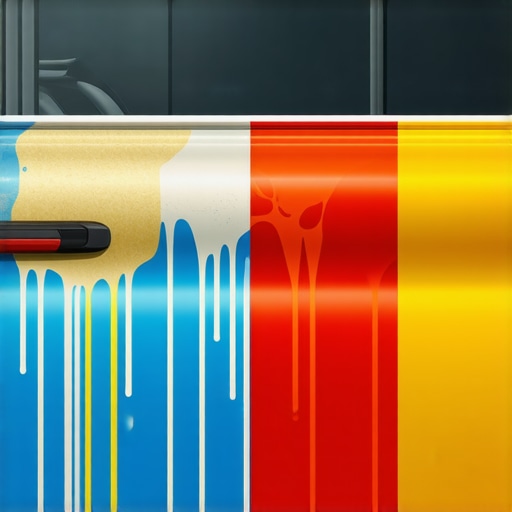
I remember the moment clearly—I was inspecting a used sedan I was considering buying when I noticed something off. The paint on the hood looked just a little too shiny, a bit too perfect, almost like it didn’t quite match the rest of the car. My gut told me to double-check, and sure enough, it was a poorly done repaint hiding past damage. That lightbulb moment made me realize how tricky it can be to spot a cheap paint job, especially when you’re eager to score a good deal.
Why You Can’t Afford to Miss the Signs of Cheap Paintwork
In the world of used cars, appearance can be deceptive. Sellers sometimes cut corners with subpar paint jobs to hide previous scrapes, rust, or even more serious issues. The problem? A shoddy paint job isn’t just about looks. It can mean compromised protective layers, leading to faster rust and costly repairs down the line. As someone who’s made early mistakes—like trusting a suspiciously perfect finish—I now know the importance of knowing what to look for. Learning how to identify poor-quality paint is a game-changer for your wallet and your peace of mind. And if you’re concerned about how to get your own car restored, check out [collision renewal strategies](https://collisionrenew.com/collision-renewal-strategies-restoring-your-car-to-perfection) for professional tips.
Is a Cheap Paint Job Actually Worth the Hype?
One common skepticism I hear is whether you should even worry about paint quality—after all, isn’t it just cosmetic? Well, not quite. An inferior paint job can hide deeper issues or create new problems down the road. And let’s be honest: no one wants to drive something that looks like it’s been slapped together in a hurry. Early in my research, I made the mistake of assuming surface flaws were just superficial, only to discover hidden damage that cost hundreds to fix. So, understanding the telltale signs helps you make smarter decisions and avoid ending up with a car that looks good from a distance but falls apart on closer inspection. Want to dive into the details? Keep reading, and you’ll be equipped to tell a quality paint job from a cheap hustle without breaking a sweat.
Inspect the Paint Carefully to Identify Flaws
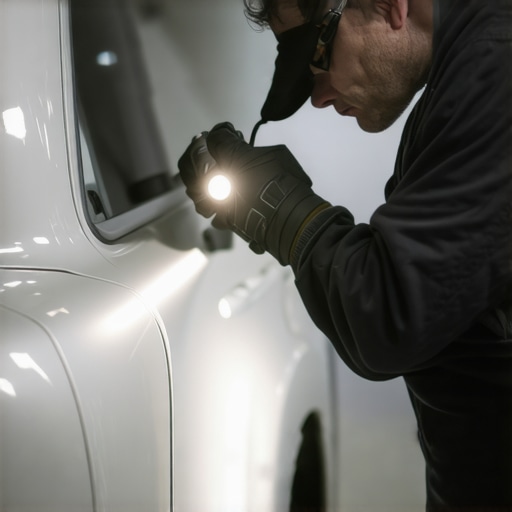
Start by examining the car under bright, natural light. Look for uneven surfaces, overspray, or drips that indicate rushed or sloppy work. Use a flashlight to inspect hard-to-see areas like wheel arches and door edges for inconsistencies. I once spent a Saturday afternoon checking several cars, and noticing a slight variation in sheen on the trunk lid helped me avoid buying a vehicle with a repaint over rust. This detailed inspection is your first line of defense.
Check for Paint Thickness and Color Mismatch
Use a Paint Thickness Gauge
This device measures the layers of paint and clear coat. An uneven or unusually thick layer suggests repainting or repairs. For example, I rented one from a local auto parts store and tested several cars; a significant variance in readings up and down the panel revealed where paint had been applied over previous damage. Consistent readings across panels mean the paint is original and uniform.
Compare Colors and Shades
Close inspection of color matching helps spot mismatched shades, which often result from quick touch-ups. If the hood’s shade doesn’t perfectly match the fenders, that’s a red flag. I remember a car that looked pristine from afar but had a slightly duller hood—turns out it was repainted to conceal rust spots, which could be expensive to fix later.
Evaluate the Surface and Edges for Signs of Poor Work
Run your hand lightly over the paint. Feel for roughness or deviations in texture. Inspect edges, seams, and around trim for overspray or uneven lines. During my inspection of a used sedan, I noticed the clear coat on the door panel was peeling, hinting at a poorly done repair that would need repainting soon—saving me from a costly mistake.
Assess Underneath and Hidden Areas
Lift the hood and check the engine bay for paint overspray on parts like the hinges or wires. Look inside the trunk for consistency. Also, check under the car for any signs of repainting or overspray that might have been masked during bodywork. A buddy once missed this step and bought a car with rust-hidden behind a fresh coat of paint—something you can catch with patience.
Test the Car’s Response to a Closer Look
Conduct a test drive, listening for unusual vibrations or noises, which can indicate underlying issues masked by paint. Proceed to a professional if suspicions remain. For nuanced cases, professional assessments, like those offered through Collision Renewal, can verify if the paintwork covers hidden damage or corrosion, saving you from future headaches.
Remember, fast surface fixes rarely fool experienced eyes. Combining multiple inspection techniques significantly reduces the risk of falling for a cheap paint job that could cost you thousands later on. Taking the time to learn these steps helped me confidently walk away from a tempting deal and find a well-maintained vehicle instead.
 Many car owners believe they understand the essentials of vehicle maintenance, but even seasoned drivers often fall for myths that can cost them time and money. Let’s dig deeper into some of these misconceptions and reveal the nuanced truths that experts know. \n \nFirst, a widespread myth is that transmission fluids last forever if they haven’t changed the filter. In reality, even high-quality transmission fluid degrades over time due to heat and contaminants, making regular fluid changes essential for long-term reliability. According to industry specialists, neglecting this can lead to costly repairs like clutch slipping or complete transmission failure. You can learn more about maintaining your transmission at [top transmission repair tips for long-term vehicle reliability](https://collisionrenew.com/top-transmission-repair-tips-for-long-term-vehicle-reliability). \n \nAnother common belief is that brake pad squealing always indicates worn pads. While it’s true that worn pads can cause noise, many modern brake pads come with wear indicators designed to squeal before the pads are entirely worn out. This can be misleading, as sometimes the squealing results from dust, moisture, or glazing on the pads. Therefore, regular inspections are crucial rather than relying solely on noise as a warning sign. For a deeper understanding, check out [braking news: how to choose the best brake service in 2025](https://collisionrenew.com/braking-news-how-to-choose-the-best-brake-service-in-2025). \n \nNow, consider the misconception that all non-functioning or slow-starting vehicles simply need a new battery. Although batteries are frequent culprits, numerous advanced issues—such as faulty alternators or corroded cables—can mimic dead batteries. Misdiagnosis here can lead to unnecessary replacements and overlook more serious problems. That’s why professional assessments are vital; you can explore common electrical issues at [how to diagnose a bad alternator pulley is seized](https://collisionrenew.com/how-to-tell-if-your-alternator-pulley-is-seized). \n \nHas this ever happened to you? Thinking you just need an oil change or new brakes, but it turned out to be something more complex? Many delicate systems in your vehicle rely on nuanced diagnosis—something not always obvious. For comprehensive checks, I recommend visiting experts like [Collision Renewal](https://collisionrenew.com/contact-us), who can identify hidden issues before they escalate. Remember, quick fixes often overlook hidden problems, and understanding these nuances saves you money and frustration. \n \nUnderstanding these behind-the-scenes truths empowers you to make smarter decisions and prevents costly mistakes. Don’t let misconceptions steer your auto care—stay informed and proactive. Want more advanced tips? Browse our [ultimate guide to auto repair](https://collisionrenew.com/the-ultimate-guide-to-auto-repair-keep-your-car-running-smoothly), and keep your vehicle running smoothly for years to come.
Keeping It Running Smoothly: Tools and Techniques for Auto Maintenance
Maintaining your vehicle over time requires more than just regular oil changes; it demands the right tools and an understanding of effective methods to ensure durability and performance. As an auto enthusiast or professional, I rely on specific equipment that offers precision and reliability. One such staple is a high-quality digital multimeter, which I use to diagnose electrical issues quickly and accurately. Unlike generic testers, my multimeter provides true RMS readings, essential for detecting voltage fluctuations that can cause surprising breakdowns. Additionally, I invest in a professional-grade torque wrench, calibrated regularly, to ensure that critical components like wheel lug nuts and suspension bolts are tightened to manufacturer specifications—over-tightening or under-tightening can lead to premature failure or safety risks.
Beyond tools, leveraging diagnostic software has revolutionized long-term vehicle care. I prefer automotive scan tools like the Autel MaxiScan, which interfaces directly with the vehicle’s OBD-II port, allowing me to read and clear error codes seamlessly. This proactive approach enables me to monitor systems like transmission, brake, and engine management without invasive procedures. The trend in auto repair leans heavily toward integrating these digital diagnostics with data logging apps, helping spot irregularities long before they escalate into costly repairs. Looking ahead, AI-driven diagnostic platforms might soon predict failures based on cumulative data, further elevating maintenance precision.
How do I maintain transmission health over time? Consistently checking fluid quality with a transparent dipstick process and using specialized tools, such as a transmission fluid test kit, helps me determine when to flush or change fluids. This process prevents buildup of tiny air bubbles, which are often invisible but can cause erratic shifting or hunting gears, as explained in this detailed analysis. Regular transmission care extends the lifespan dramatically, reducing the likelihood of costly replacements. Additionally, I schedule routine inspections and adhere to service intervals as recommended by the vehicle manufacturer, accessible through essential car service checks to extend your vehicle’s life.
Scaling your maintenance routine involves adopting advanced tools such as ultrasonic cleaners for brake components or using infrared thermometers to assess the temperature of critical parts during operation. These techniques allow for precise diagnostics and targeted repairs, which ultimately save time and money. For example, monitoring brake rotor temperature can preempt warping issues, ensuring safer and smoother stops. In the realm of collision renewal and auto repair, staying ahead with such specialized equipment empowers both professionals and diligent owners alike.
If you’re ready to elevate your maintenance game, I recommend trying the detailed transmission fluid inspection method I described. It’s a game-changer for detecting subtle issues before they evolve into major failures. For comprehensive guidance, check out this resource and invest in the right tools—they’re your best defense against unexpected breakdowns and costly repairs. Remember, consistent care and the right equipment lay the foundation for long-term vehicle reliability and safety.
The Hardest Lesson I Learned About Auto Maintenance
One pivotal moment in my auto repair journey was realizing that not all surface flaws are superficial. A shiny paint might hide rust beneath, and a quick fix could mask underlying issues. This taught me to approach every repair with patience and a keen eye, emphasizing thorough inspections instead of quick fixes. It reminded me that expertise isn’t just about tools but also about intuition and perseverance.
Why Relying on Assumptions Can Cost You
Early on, I believed that a vehicle’s smooth ride meant everything was perfectly fine. But I learned that assumptions can be misleading. For example, a car that sounds great might have hidden transmission issues or interior corrosion. Regular professional assessments and honest evaluations are crucial, and I now prioritize expert advice over assumptions, which has saved me thousands in repairs.
Tools and Resources That Transformed My Approach
Investing in a high-quality diagnostic scanner was a game-changer. It allowed me to proactively identify issues before they became costly. Additionally, consulting trusted resources like essential car maintenance guides provided insights I couldn’t get elsewhere. These tools and knowledge bases have empowered me to maintain my vehicle more confidently and efficiently.
What I Wish Every Car Owner Knew
Understanding the nuances of vehicle health is vital. Don’t wait until warning lights flash or strange noises appear. Regular inspections, correct maintenance routines, and knowing what to look for can prevent major breakdowns. My advice? Stay curious, keep learning, and don’t hesitate to seek professional help when needed. Your car’s longevity and your peace of mind depend on it.
Taking Action Begins Today
Every journey with your vehicle starts with awareness and care. Equip yourself with knowledge, the right tools, and trusted professionals. Remember, auto repair isn’t just about fixing problems—it’s about building a relationship with your vehicle that lasts. Make that commitment today, and you’ll enjoy safer, smoother drives for years to come.
Have you ever uncovered a hidden issue during an inspection that saved you from a costly mistake? Share your story below and inspire others to become more confident in their auto care routines!
,