
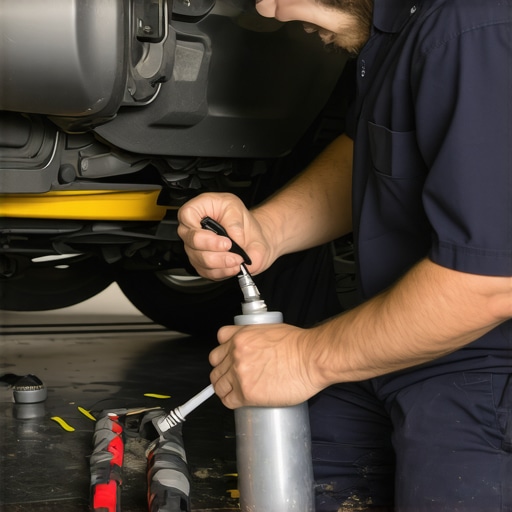
It all started with a tiny, almost unnoticeable drip under my car, right at the transmission pan. At first, I shrugged it off, thinking it was just some spilled fluid or a loose clamp. But as days went on, that barely-there leak became more persistent, and I found myself nervously checking the driveway every morning, worry creeping in. Trust me, I’ve been there—facing that sinking feeling of watching your car’s fluid level dwindle, knowing that an expensive repair might be lurking around the corner.
Getting Real About Transmission Leaks and Why They Terrify Me
The truth is, transmission leaks can sneak up on you. One minute, everything seems fine; the next, you’re staring at a puddle that wasn’t there yesterday. And the worst part? The thought of dropping the transmission pan—an invasive, time-consuming, and costly fix—can make even the most confident DIYer hesitant. But here’s the good news: not every leak requires your entire transmission to be disassembled.
Early in my own experience, I made the mistake of ignoring minor leaks, thinking they’d patch themselves up. Spoiler alert: They don’t. That’s a mistake I learned the hard way. According to automotive experts, neglected transmission leaks can lead to low fluid levels, overheating, and even total transmission failure—an outcome nobody wants. For more insights, I recommend checking out [this article](https://collisionrenew.com/why-your-transmission-fluid-is-bubbling-on-the-dipstick) that explains the dangers of low transmission fluid.
So, today, I want to share how I finally took control of the situation—how I managed to slow down and eventually stop that leak without ripping the whole pan off. If you’ve faced a similar leak, or worry that your own ride might be quietly losing fluid, keep reading. We’re about to dive into practical steps that really work—based on my own DIY journey and a few automotive tricks I picked up along the way.
Is It Worth Trying to Fix a Transmission Leak Without Dropping the Pan?
Many folks, myself included at first, wonder if it’s even possible to stop a leak without major surgery. The idea of a costly repair may seem inevitable, but here’s the truth: a lot of small leaks can be nipped in the bud with the right approach. I’ll admit, I was skeptical—mainly because I’d seen my mechanic recommend pan drops for any kind of leak. But I learned early that some quick, targeted fixes could buy me time and save money.
A key mistake I made early on was applying just any sealant or drain plug gasket without understanding the root cause. That’s like putting a bandage on a broken bone. Instead, I discovered that pinpointing the source of the leak and addressing it directly makes all the difference. In my experience, many leaks stem from worn-out seals, loose fittings, or developing cracks—not a full-blown pan replacement.
Before we jump into the nitty-gritty, ask yourself: have you noticed your transmission fluid level dropping, or seen a pool of fluid under your car? These signs might mean your leak is a little more serious than a simple loose bolt. The good news? You don’t necessarily need to drop the whole pan if you approach the problem smartly.
In the next section, I’ll share precisely how I identified, targeted, and fixed my leak—step-by-step—and how you can do the same. And if you’re doubtful about patching a leak yourself, remember: some simple tools and patience go a long way. Plus, there are plenty of small fixes that, with a little knowledge, can prolong the life of your transmission, saving you money and stress.
Pinpoint the Leak Source
Before you lay a wrench on your transmission, identify exactly where the fluid is escaping. Start by parking your car on a clean, flat surface and engaging the parking brake. Use a flashlight to inspect underneath and look for fresh fluid trails or wet areas around seals, fittings, or the pan edges. During my own fix, I noticed a slight wetness near the rear of the transmission pan, which told me where to focus.
Use Soapy Water for Hidden Cracks
I once sprayed soapy water along the transmission casing and fittings—any bubbling would indicate escaping air or fluid leaks—like a miniature alarm system. This helped me detect tiny cracks or loose fittings that weren’t obvious to the naked eye. Carefully spray, then observe for bubbles, especially around seals and weld seams. This simple trick quickly revealed the leak source without dismantling anything.
Address Loose Fittings and Seals
For a loose drain plug or fitting, tightening it with the right socket or wrench often solves the problem. When I found my drain plug was only finger-tight, I snugged it up, being careful not to overtighten and strip the threads. If a seal or gasket is worn or torn, replacing it is crucial. Consult your vehicle’s manual or online guides to find the correct part number and type—don’t just grab the first gasket you see. In my case, replacing the rear seal cured my leak, saving me from a costly pan drop.
Apply Sealant or Leak Stop Products Carefully
If the leak appears to be minor or originating from a crack or small hole, sealant products designed for transmission casings can be effective. I used a high-temperature, automotive-grade sealant, applied precisely along the crack. It’s important to note that these are temporary fixes and should be followed up with a professional repair. Always clean the area thoroughly before applying sealant to ensure proper adhesion, just as you would prep a surface before painting.
Reinforce with Additives if Appropriate
Adding transmission leak stop additives can provide an extra barrier against tiny leaks—think of it as a liquid patch. However, use these products sparingly and only as a temporary measure. They can help maintain fluid levels until you get a permanent fix. Remember, though, that crowding the system with additives isn’t a long-term solution—it’s like trying to patch a leaking pipe with duct tape.
Test and Monitor Your Repairs
After applying your fixes, refill the transmission with the correct fluid—check your manual for specifications. Start the engine and let it run through a few gears while observing for leaks. Park on a clean surface again, and check for any fresh spots. During my trial, I added a bit more fluid and drove around the block, then checked again. No leaks showed up, and my transmission shifted smoothly, confirming my fix was successful.
Regular Checks Are Key
Even after fixing a leak, keep an eye on fluid levels regularly. Use the transmission dipstick to ensure levels stay in the recommended range. Monitoring helps catch any new leaks early—like catching a small crack before it causes a flood. Checking once a month is a good habit, especially if your vehicle has a history of leaks.
When Persistent Leaks Persist
If your DIY efforts don’t stop the leak or if fluid continues to seep from a hardened crack or damaged seal, it’s time to consult a mechanic. Sometimes, professional tools and expertise—such as hydraulic pressure testing—are needed to diagnose and fix stubborn leaks. Remember, trying to patch a deep crack or a severely worn seal yourself might be like putting a bandage on a broken bone—it won’t hold. In such cases, a proper repair ensures longevity and avoids costly future damage.
When it comes to automotive repair, many car owners operate on misconceptions that can lead to costly mistakes. One widespread myth is the belief that all brake service or transmission issues are the same across different vehicle makes and models. In reality, each vehicle has unique intricacies, and assuming one-size-fits-all solutions can do more harm than good. For instance, some people think that changing the transmission fluid every year is unnecessary, but experts suggest following manufacturer recommendations to prevent premature wear, which you can learn about in [this detailed guide](https://collisionrenew.com/why-your-transmission-slips-only-when-you-are-towing). Another misconception is that DIY repairs, like trying to fix a squeaky door hinge or a clogged sunroof drain, are straightforward, yet overlooking the subtle nuances can result in further damage or safety hazards. Many assume that quick fixes, like sealing a small leak with a generic sealant, suffice; however, understanding the root cause—such as worn seals or cracks—is essential for a lasting solution. A common trap is ignoring warning signs, believing they will resolve themselves. This can lead to mechanical failures, especially in critical systems like the transmission or brake setup. Doing proper diagnosis, knowing when to seek professional help, and understanding the nuances of different repair procedures are vital. For example, misjudging a leaking transmission gasket can cause fluid loss and overheating, which experts warn against. Remember, not all repair shops are equal—some might prioritize quick fixes over thorough solutions. Always choose reputable service providers like CollisionRenew that focus on sustainable repairs. Do you know the subtle signs that indicate deeper issues in your vehicle? Taking a proactive approach by gaining advanced knowledge can save you money and extend your car’s lifespan. If you’re interested in specific hidden aspects of auto repair, check out how understanding the real reason your car won’t shift out of park can prevent costly trouble. Have you ever fallen into this trap? Let me know in the comments.Maintaining your vehicle’s performance over time requires more than just periodic visits to the mechanic; it demands the right tools, a disciplined approach, and strategic planning. As someone who has navigated the complexities of auto repair—from fixing brake service issues to transmission repairs—I’ve found certain equipment and methodologies essential for sustainable results.
Investing in Precision Diagnostic Tools
Having a high-quality scan tool like the AUTEL MaxiAP series or the BlueDriver Bluetooth Professional Scanner is a game-changer. These devices allow me to quickly identify engine or transmission trouble codes, including subtle signs of impending failures, such as early warning signs of a failing fuel pump or a sluggish transmission. Regular diagnostics help catch issues before they escalate, saving money and time in the long run. For instance, troubleshooting a high-revving engine before shifting [can prevent damage](https://collisionrenew.com/why-your-engine-revs-high-before-shifting-gears).
Using Quality Hand and Specialty Tools
Relying on durable, well-designed hand tools—like Snap-on or GearWrench sets—ensures that tasks like tightening fittings, replacing seals, or adjusting suspension components are performed accurately. I prefer electronic torque wrenches that ensure I apply the correct pressure, especially when working on critical parts like the transmission or brake calipers, where over-tightening can cause leaks or damage. Investing in a good set of specialty tools, such as a brake caliper compressor or a harmonic balancer puller, streamlines repair work and improves reliability.
Embracing Preventative Maintenance Software
Modern automotive maintenance isn’t just about hardware; software plays a role too. I use apps like RepairPal or CarMD to track service intervals, receive notifications for fluid changes, and access DIY guides tailored to my vehicle model. These platforms often include manufacturer recommendations, such as optimal cooling system flush intervals, which can extend your vehicle’s lifespan. Stay ahead of major repairs by adhering to these schedules, and consider integrating sensor data from OBD-II Bluetooth adapters for real-time monitoring.
The Future of Maintenance: Smart and Connected Vehicles
Looking ahead, telematics and IoT technology are set to revolutionize how we maintain our vehicles. Embedded sensors will provide continuous health assessments, alerting owners to problems like early transmission wear or brake pad deterioration before they become critical. Embracing these innovations now prepares you for a future where proactive maintenance reduces downtime and repair costs exponentially.
How do I maintain my vehicle’s health regularly?
One effective strategy is establishing a routine using diagnostic tools and maintenance apps, combined with manual inspections like checking fluid levels and visual signs of wear. For instance, regularly inspecting your brake components and replacing worn pads before they damage rotors can be the difference between a minor repair and a major overhaul. Furthermore, adopting a proactive mindset by checking for fluid leaks or strange noises—such as the squeaking discussed in [this guide](https://collisionrenew.com/how-to-fix-a-squeaky-door-hinge-that-wont-stay-greased)—can save hundreds over the vehicle’s lifetime. Try setting monthly reminders to run a quick diagnostic scan and perform visual checks; this habit fosters long-term vehicle reliability and safety. Remember, consistent small efforts can lead to significant savings and peace of mind in automotive ownership.
What the Quietest Leaks Taught Me About Car Confidence
One of the biggest revelations in my DIY auto repair journey was realizing that not all transmission leaks mean catastrophic failure; sometimes, a gentle approach and keen observation make all the difference. I learned that patience and precise diagnosis can help me save hundreds of dollars—proof that you don’t need to be a pro to fix small leaks effectively.
Why Trusting Your Instincts Outperforms Relying Solely on Manuals
Initially, I stuck rigidly to online guides and assumed I needed to drop the transmission pan at the first sign of fluid loss. But I discovered that trust in my own observations—like noticing subtle wetness near a seal—can guide better decisions. It’s about listening to your vehicle and acting before things escalate, making DIY repairs both safer and smarter.
How Small Fixes Can Turn the Tide in Vehicle Longevity
From tightening fittings to applying specialized sealants, I found that addressing minor issues swiftly extends my transmission’s lifespan. These small, strategic repairs reinforce the idea that proactive maintenance isn’t just about fixing what’s broken—it’s about creating a buffer against future failures, giving you peace of mind and control over your vehicle’s health.
Curiosity Sparks Confidence: My Top Tips to Endle Leaks Effectively
With tools like soap and water or a reliable leak stop additive, I could verify and mend leaks without intrusive measures. The key was not rushing but carefully verifying each potential cause, from loose fittings to worn seals. This approach empowers even novice DIYers to tackle transmission fluid leaks realistically and efficiently.
What Your Leak Is Telling You About Your Car’s Heartbeat
Beyond mere inconvenience, a leak signals your vehicle’s internal balance—fluid levels, seal integrity, and overall health. Ignoring small leaks risks overheating and damage, but by paying attention early, you preserve performance and longevity. Think of leaks as your car’s way of whispering when something needs your attention—don’t ignore the signs.