
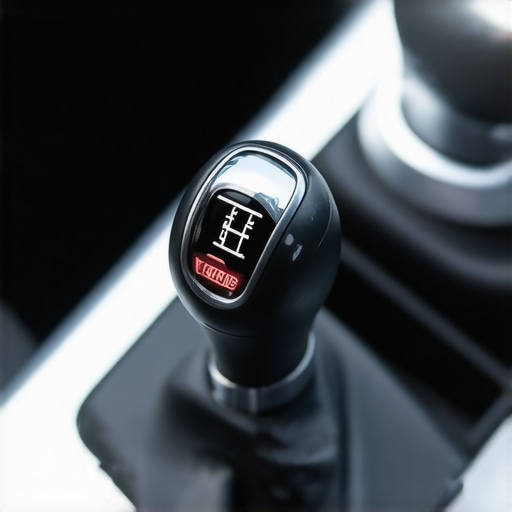
Ever been halfway to work on a cold winter morning, feeling that jittery, harsh shift as your car’s transmission struggles to cooperate? I remember the first time it happened to me—an icy morning, and my car shifted like it was trying to push through molasses. That lightbulb moment made me realize I wasn’t alone in facing this frustration. Anyone who’s owned a car knows that a rough shift when cold can make your drive stressful and leave you worrying about costly repairs. But is it just a quirk of winter, or is there more beneath the surface? Today, I want to share what I’ve learned from personal experience and a bit of research about why your transmission reacts this way and, more importantly, what you can do about it.
Understanding the Cold Transmission Shift
Why does my car shift so harshly when it’s cold?
I’ve come to see that when the engine is cold, the transmission fluid is thicker and less lubricating. This increased viscosity causes the transmission’s components to operate less smoothly, leading to that jarring shift. It’s similar to how honey resists pouring when it’s cold—sluggish and stiff. As the transmission warms up, the fluid thins out, allowing for a smoother transition of gears. What caught me off guard early on was assuming that a harsh shift was always a sign of impending failure, which isn’t always the case. In fact, many cars are designed to behave this way temporarily and resolve themselves once warmed up. For more insights into what influences ride quality, you might find this article helpful: The real cause of your car’s spongy brake pedal.
Common misconceptions and mistakes to avoid
Early on, I made the mistake of ignoring that initial harsh shift, thinking it was just a fluke. That’s a classic error many owners make. Waiting for symptoms to get worse can lead to unnecessary repairs. Instead, recognizing that this is often a normal response of your transmission system can save you money and frustration. It’s also essential to ensure that your transmission fluid is at the correct level and in good condition. If you’re unsure, testing your fuel pressure or inspecting the fluid can be a good start—details I’ve covered in other guides. Being proactive about maintenance helps keep those harsh shifts in check before they turn into something more serious. Want to understand how to test your fuel pressure without fancy tools? Check out this article: How to test your fuel pressure without a pro gauge.
Now, let’s look at what you can do when your transmission misbehaves in the cold and how to prevent it from becoming a costly problem.
,
Check and Maintain Transmission Fluid
Test the Fluid Level and Condition
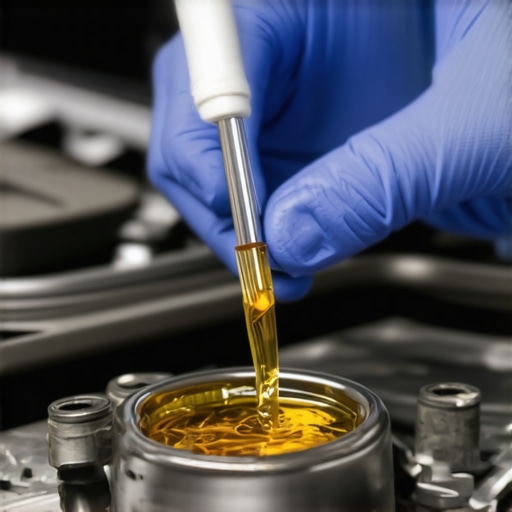
Start by ensuring your transmission fluid is at the proper level. Locate your vehicle’s dipstick—usually near the engine bay—and pull it out. Wipe it clean with a rag, then reinsert and pull it out again to assess the fluid level. If it’s low, top it off with the manufacturer-recommended fluid. If the fluid appears dark, gritty, or smells burnt, it’s time for a fluid replacement. During my last cold snap, I checked my fluid first and realized it was overdue for a change—a quick fix that improved my shifts significantly.
Change Transmission Fluid Properly
Drain the old fluid completely using a drain pan and refill with fresh fluid. If you’re unfamiliar with the process, consult your vehicle’s manual or consider visiting a professional. Think of transmission fluid like engine oil; old, degraded fluid acts like sludge that hampers performance. Regularly replacing this fluid keeps the components lubricated and reduces harsh shifting, especially when cold. For a detailed guide, see this article on transmission maintenance.
Warm Up Your Vehicle Before Driving
Gentle Idling and Short Drives
Instead of jumping directly into a drive, let your engine idle for a few minutes to allow the transmission fluid to warm up. Imagine trying to pour honey straight from the jar—if it’s too cold, it’s thick and slow-moving. Similarly, warming up the engine thins the transmission fluid, ensuring smoother gear shifts. I learned this during a freezing morning when I started my car early, let it warm up for five minutes, and then took off, noticing much less harshness during the first miles.
Use Backup Solutions for Immediate Relief
In a pinch, shifting your transmission through all gears while stationary helps circulate warmed fluid. Shift from park to reverse, then to drive, and back to park—doing this several times. This method acts like kneading dough to make it more pliable, helping reduce initial harshness. Remember, though, this is a temporary fix; consistent maintenance is key.
Implement Preventive Driving Habits
Drive Gently During Cold Starts
Avoid aggressive acceleration or abrupt shifts immediately after starting your vehicle in cold weather. Gentle driving allows the transmission fluid to reach optimal temperature and viscosity gradually. I made the mistake of flooring my gas pedal on a freezing morning—resulting in a violent jerk. Now, I accelerate slowly for the first few miles, and shifts feel much smoother as the transmission warms up.
Avoid Overloading Your Vehicle
Driving with heavy loads or towing in cold weather can strain your transmission. Extra weight increases the load on transmission components when the fluid isn’t fully warmed, exacerbating harsh shifts. If possible, postpone towing trips until your vehicle has warmed up, or ensure your transmission fluid is fresh and at proper levels to handle the extra stress.
Proactive Maintenance Keeps Shifts Smooth
Regular Inspection and Servicing
Schedule periodic transmission checks—especially before winter sets in. Professionals can identify issues like worn transmission filters or low fluid levels before they cause problems. During my last service, the technician recommended a complete transmission flush, which significantly improved cold weather performance.
Stay Alert to Early Warning Signs
If you notice persistent harsh shifting, slipping, or unusual noises, consult a mechanic promptly. Addressing issues early prevents minor problems from escalating into costly repairs. This proactive approach has saved me from unexpected breakdowns during freezing weather, keeping my drives safe and comfortable.
Many car owners operate under assumptions about auto repair that can actually hinder proper maintenance and lead to costly mistakes. One common myth is the belief that all transmission issues are signs of imminent failure. In reality, some harsh shifts during cold weather are normal for certain models, as their manufacturer-designed behavior accounts for thickened transmission fluid at low temperatures. Rushing to replace or flush the transmission fluid unnecessarily can sometimes cause more harm than good, especially if done prematurely or improperly. For example, aggressive fluid flushing without proper diagnosis may disturb accumulated contaminants that contain metal shavings, which could be beneficial in some cases. To avoid such pitfalls, understanding the specific needs of your vehicle and consulting reliable sources—like expert guides on transmission maintenance—is essential.
Another widespread misconception concerns brake service. Many think that if brake pads look fine visually, they don’t need replacement. However, brake components wear unevenly, and the pad’s thickness and the condition of the rotors matter more than appearance. Ignoring subtle signs like a spongy brake pedal or pulsing during stops can be dangerous. Moreover, a common trap is neglecting to check brake fluid quality, which can become dark and contaminated over time—similar to the dark coffee-colored fluid I once encountered during a routine check. Replacing brake fluid periodically with the right type restores proper hydraulic pressure and prevents issues like uneven braking or brake fade, especially in colder conditions. Find more about brake fluid health in here.
How does common knowledge sometimes mislead advanced repair decisions?
Many enthusiasts and even seasoned technicians overlook the importance of nuanced diagnostics. For instance, diagnosing a creeping or inconsistent engine idle might lead some to suspect fuel issues, but moisture buildup inside headlights, as discussed here, can indicate electrical or moisture issues that influence sensor or lighting performance. Similarly, a vibration only during acceleration could be misattributed solely to tires, but steering system components like a loose or worn power steering pump or belt tensioner may be at fault. Recognizing these subtle cues can prevent unnecessary parts replacements and guide targeted repairs. Advanced diagnostics often require looking beyond surface-level symptoms—when in doubt, consulting expert insights or specialized diagnostic tools can make all the difference.
Keep Your Car Running Smoothly with the Right Tools
Maintaining your vehicle isn’t just about routine checks; it requires the right equipment and a methodical approach to ensure long-term reliability. I personally prefer using a high-quality diagnostic scanner like the Autel MaxiCOM MK808. This handheld device allows me to read and clear diagnostic trouble codes, monitor live data, and even perform some resets without heading straight to the shop. Having this tool at home saves time and money, especially when dealing with issues like sluggish transmissions or warning lights. For more precise diagnostics, I also recommend investing in a good multimeter—specifically, a Fluke 117. Its accuracy and durability make it invaluable for checking sensors, testing electrical circuits, and verifying voltage levels.
Beyond hardware, software tools have become game-changers. I rely on OBD-II diagnostic apps such as Torque Pro, which pairs with my Bluetooth scanner via my smartphone. This combo provides real-time data on engine performance, helping me identify problems early, like fluctuating fuel pressure or irregular idle speeds. Regularly updating your vehicle’s ECU firmware, when applicable, can improve performance and prevent issues related to outdated software. Predicting where automotive tech is headed, I believe AI-driven diagnostic platforms will become standard, offering faster, more precise insights during routine maintenance.
How do I maintain my diagnostic tools over time?
Just like your vehicle, your diagnostic equipment needs care. Keep your scanner’s firmware updated through the manufacturer’s official app or website to access new features and bug fixes. Store your multimeter in a dry, dust-free environment, and periodically calibrate it following the manufacturer’s instructions to ensure accuracy. Proper storage prevents unnecessary wear and ensures reliable readings, which are crucial when assessing complex issues like transmission slippage or brake system faults. Remember, the precision of your diagnostics directly impacts the quality of your maintenance work. For example, when inspecting your brake system, accurate voltage readings can help diagnose sensor malfunctions affecting your brake pedal feel, as discussed here.
Looking ahead, I believe these tools will become more integrated with AI, providing predictive analytics that alert you to potential problems before symptoms appear. That proactive approach is the future of automotive maintenance—staying one step ahead ensures safety and longevity for your vehicle.
Embrace advanced diagnostics to extend your vehicle’s lifespan
If you haven’t already, try utilizing a professional-grade diagnostic scanner combined with your smartphone app. This setup can help you identify intermittent issues, such as fuel pressure inconsistencies here, before they turn into costly repairs. Regular use of these tools not only saves money but also gives you a deeper understanding of your vehicle’s health, empowering you to perform effective maintenance or guide your mechanic more precisely. Taking this small step today can make a huge difference in keeping your car reliable for years to come.
Lesssons That Changed How I Approach Auto Repair
- One of the most eye-opening lessons was realizing that not all harsh cold starts signal imminent failure; sometimes, it’s just your transmission taking a temporary