
Ah, I’ve been there—caught off guard by that sudden high-pitched squeal when I turn my key in the ignition. One chilly morning, I started my car, and instead of a smooth roar, it emitted a sharp, earsplitting screech that made me jump. Not only was it startling, but I knew something wasn’t quite right. That lightbulb moment made me realize, “Hey, if I don’t address this squeak, it might lead to bigger problems down the road!”
Why You Shouldn’t Ignore That Car Squeal First thing’s first: your car’s squealing when you start it isn’t just an annoying sound. It’s often a sign that something needs your attention—fast. Ignoring it could mean risking damage to your belts or other vital components, which may cost a pretty penny later. Plus, that sound can be downright embarrassing when you’re trying to impress someone or just get to work on time. Fortunately, I’ve learned through experience that with a little patience and some know-how, you can troubleshoot and fix the issue yourself. Today, we’ll dive into practical, friendly advice to put an end to that relentless squeak and keep your car purring smoothly. So, if you’ve ever wondered why your engine makes that high-pitched noise only at startup, you’re in the right place. Let’s turn down the volume on that squeal and get your car singing in harmony again!Is Car Squealing Actually Worth the Fuss?
When I first heard that squeak, I thought it might be a minor hiccup. Turns out, it can signal a worn serpentine belt or a slipping fan belt—parts that keep your engine running quietly and efficiently. My early mistake was assuming it was just a benign noise; I didn’t realize it could lead to engine overheating or power loss if left unaddressed. Interestingly, studies show that neglected belt issues can lead to costly repairs, so catching these sounds early is a smart move. Now, if you’re wondering whether this problem is as serious as it sounds or just a minor annoyance, think of it as your car’s way of signaling that some maintenance is due. Trust me, paying attention to these cues can save you a lot of trouble—and money—in the long run. Ready to explore how you can silence that squeal and prevent future issues? Let’s get started with some straightforward steps you can take right now.
Identify the Source of the Squeak
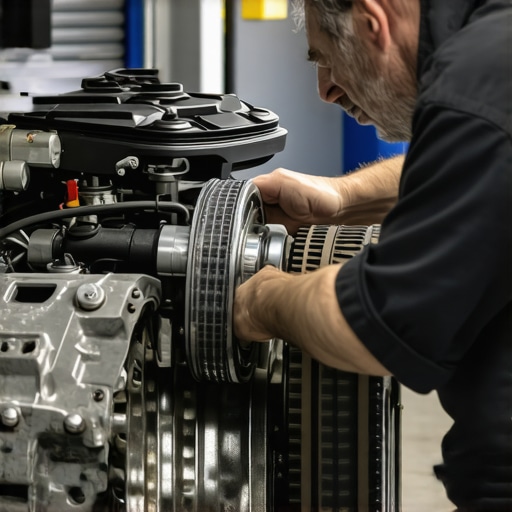
Before diving into repairs, ensure the noise emanates from the serpentine belt area. Start the engine and listen for the squeal—if it sounds like a high-pitched whistle coming from the front of the engine, you’ve likely located the problem. Use a mechanic’s stethoscope or a long screwdriver to pinpoint the exact source. Remember, if the squeak is intermittent or loud during startup but quiets afterward, the belt might be slipping or worn. For a visual reference, see this step-by-step image guide which illustrates typical belt alignment issues.
Check the Belt Tension and Condition
Next, examine the serpentine belt for cracks, frays, or glazing. A worn-out belt is like a tired runner—no longer able to grip the pulleys effectively. To assess tension, press down on the belt midway between pulleys; it should have a slight give but not be too loose. If it feels slack or shows visible signs of wear, replacement is necessary. Think of your belt as the main highway connecting your engine components—when cracked or loose, traffic (power transfer) gets disrupted.
Adjust or Replace the Belt
If the belt is loose, the fix might be as simple as tightening the tensioner pulley. Use a wrench to rotate the tensioner and increase belt tension—be cautious not to over-tighten, as this can cause additional stress. If the belt is damaged, remove it carefully, noting routing, and replace it with a new one matching your vehicle model. Remember, matching the right belt size is crucial; an ill-fitting belt is like a shoe too tight or loose—it’ll cause discomfort and malfunction.
Reset the Belt Tension
After adjusting or replacing, rotate the engine manually a few times to ensure the belt seats correctly on pulleys. Recheck tension to confirm proper tightness. It’s like tuning a musical instrument—every part must be in harmony for the best performance. Once satisfied, start the engine and listen for the squeal. If it persists, revisit the tension or consider pulley alignment issues. Sometimes, a misaligned pulley can mimic a loose or worn belt, making the fix more complex. For detailed inspection techniques, visit this resource.
Prevent Future Belt Slip and Squeals
Regular maintenance is key. Check your belts during routine oil changes—preferably every 30,000 miles—to spot early signs of wear. Keep pulleys clean and free from debris that can cause slippage. If your car’s belt squeals only during cold starts, perhaps the tensioner or pulleys need lubrication or replacement. For persistent issues, consult a professional mechanic or visit a trusted auto repair service like CollisionRenew, ensuring your engine stays quiet and smooth for miles to come.While it’s tempting to believe what many auto repair myths suggest, cracking the surface reveals hidden nuances that can make or break your car’s longevity. One prevalent misconception is that all transmission issues stem from low or dirty fluid; in reality, newer models use complex sensors that can fail without any fluid problems. Relying solely on fluid top-offs or flushes ignores underlying electronic or mechanical faults—something experts emphasize, as studies show that ignoring these nuances leads to costly repairs down the line. Similarly, many believe brake pads are the main culprits of stopping problems, but brake fluid quality plays a critical role; dark, contaminated brake fluid can cause pedal mushiness or delayed response, yet many overlook this easy fix. Additionally, the common trap of neglecting regular inspections can result in missing hidden damage, such as hairline cracks in rotors or subtle internal leaks, which an experienced mechanic can identify early. Advanced issues like faulty wheel speed sensors or clogged catalytic converters further complicate diagnostic processes, and trusting superficial symptoms may lead you astray. For example, a vehicle that shifts hard only when the AC runs might surprise many—this is often linked to electrical load issues rather than just transmission wear, a nuance I encountered firsthand during a detailed diagnostic, as documented in CollisionRenew’s insights. Being aware of these subtleties helps prevent unnecessary repairs and ensures your vehicle runs smoothly. Remember, regular maintenance combined with informed knowledge is your best defense against expensive surprises. Have you ever fallen into this trap? Let me know in the comments. Staying curious about the hidden factors in auto repair not only saves money but also extends your car’s life.
Mastering Car Maintenance with the Right Tools
Keeping your vehicle running smoothly requires more than just intuition; it demands the right equipment and a methodical approach. One tool I personally swear by is a high-quality digital multimeter. It allows me to quickly diagnose electrical issues, such as faulty sensors or poor connections, which are common in modern vehicles. For instance, when investigating erratic transmission shifts—especially when the transmission shifts hard only when the AC is running—I rely on a multimeter to check voltage stability across critical sensors here.
Additionally, I always keep a reliable scan tool like the OBDeleven or BlueDriver. These devices connect to your smartphone and provide real-time diagnostics, reading codes and live parameter data. This is invaluable for proactive maintenance, such as catching coolant temperature issues before they lead to overheating or engine damage. Regularly monitoring your car’s electronic signals helps identify underlying problems early, saving you money and stress in the long run.
Tools That Enhance Long-Term Vehicle Health
When it comes to maintaining the mechanical parts, I recommend investing in a quality torque wrench. Proper torque settings are crucial when replacing belts, hoses, or nuts—incorrect tightness can cause leaks or component failure. I personally use a Click-type torque wrench for its precision and ease of use, ensuring that parts like the serpentine belt are properly tensioned here. This small investment extends the lifespan of your components and prevents issues like squealing or premature wear.
Another must-have in my toolkit is an infrared thermometer. This device allows me to check the temperature of various engine parts during diagnostics—crucial for spotting issues like a clogged catalytic converter or uneven cooling in radiators. When I noticed my engine temperature spiking only at red lights, I used the infrared thermometer to diagnose the problem, leading me to a clogged radiator fan here. Such precise tools help evaluate components quickly and accurately, enabling timely repairs and preventing long-term damage.
How do I maintain vehicle performance over time? Maybe you’ve wondered how some mechanics always seem to win at keeping cars in prime condition. The answer lies in consistent quality measurements, proactive diagnostics, and owning the right tools. For example, regularly inspecting brake fluid, which can look like dark coffee, can save you from expensive brake system repairs here. Keep your tools calibrated and your diagnostics up-to-date, and you’ll stay ahead of potential issues.
Looking ahead, I predict that the integration of smarter diagnostic software and AI-driven maintenance alerts will become standard. These advancements will help you catch issues before they become evident, transforming your approach from reactive to predictive care.
So, why not try balancing your vehicle maintenance routine by adding a diagnostic scanner or infrared thermometer to your toolbox today? Embrace the tools that professionals trust, and enjoy longer-lasting, more reliable auto performance. Remember, proactive maintenance isn’t just about fixing problems—it’s about preventing them in the first place.
The Hard Lessons That Changed How I Approach Auto Repairs
One of the biggest revelations for me was realizing that squealing noises during startup often hint at more than just nuisance; they signal underlying issues like worn belts or pulley misalignments that, if ignored, can escalate into costly repairs. Another lesson was understanding that a simple belt tension adjustment can sometimes be a quick fix, saving time and money. Lastly, I learned that regular inspections and proper tool use—like a torque wrench—are essential for maintaining long-term vehicle health and preventing inconvenient squeals in the future.
Tools and Resources That Keep My Vehicle Running Smoothly
I swear by a high-quality digital multimeter and a reliable scan tool such as BlueDriver. These tools help me diagnose electrical problems that cause issues like transmission slipping or engine misfires that only happen under specific conditions, like when the AC is on. Additionally, I trust resources like CollisionRenew’s detailed guides on belt replacement and pulley alignment, which have saved me from unnecessary mechanic visits and taught me how to handle small repairs myself. Investing in a good infrared thermometer and torque wrench has also elevated my maintenance game, ensuring components are correctly positioned and tightened, preventing squeals and other odd noises.
Embrace the Journey of Keeping Your Car Quiet and Reliable
Your car’s squealing at startup might be a minor detail now, but it holds keys to your vehicle’s longevity. By staying curious, equipped, and proactive—just like you are now—you’re taking meaningful steps toward a smoother, more dependable driving experience. Remember, every squeal offers an opportunity to learn, fix, and prevent future headaches. So, why not take that extra moment today to inspect your belts or schedule a quick check? Your car—and your wallet—will thank you for it.
What’s the first step you plan to take to tackle that squeal? Share your thoughts below and keep the momentum going!