
I remember the day I first heard that relentless squeal every time I hit the brakes—it was like nails on a chalkboard, and I was sure I needed new brake pads. Turns out, I learned the hard way that you don’t always have to splurge on new parts to fix common brake noises. Sometimes, a simple adjustment or cleaning job can restore peace to your ride. If you’ve ever been jolted by that shrill sound and worried about costly repairs, you’re not alone. Many drivers face this squeal without knowing there’s a straightforward fix.
Why Your Brakes Are Squealing and How to Silence Them
Brake squeal is often caused by dust, debris, or uneven wear on your brake pads—nothing necessarily requiring a full pad replacement. In fact, one of the most common culprits is a buildup of brake dust or a glazed surface on the pads, which creates vibrations and noise. Over time, these issues can develop without any noticeable loss of braking performance, leading many to believe their brakes are on the brink of failure. But don’t jump to conclusions just yet. Addressing these minor issues can often bring the noise to a halt without breaking the bank. You might want to check out our detailed guide on [how to stop your brake squeal with this simple dust shield adjustment](https://collisionrenew.com/stop-your-brake-squeal-with-this-simple-dust-shield-adjustment), which has helped many drivers regain peace on the road.
Is Brake Squealing Actually Worth the Hype?
Early in my repair journey, I made the mistake of ignoring a faint squeal, assuming it was just normal brake wear. That resulted in more serious issues down the line, like uneven pad wear and even rotor damage. If you’re like me, you might be cautious about jumping into repairs or doubts about DIY fixes. Rest assured, many minor brake sounds are fixable with some patience and the right tools. Recognizing the difference between a simple fix and a sign of real trouble is key. For example, [a spongy brake pedal after long descents](https://collisionrenew.com/why-your-brake-pedal-feels-spongy-after-a-long-descent) can be a different story altogether, needing professional attention.
So, if you’ve faced this squealing dilemma, keep reading. We’ll explore practical, cost-effective ways to silence your brakes—methods that can save you time and money, and restore your confidence behind the wheel.
Start with a Visual Inspection
Before diving into tools, park your car on a level surface, turn off the engine, and put on gloves for safety. Remove the wheel to access the brake assembly. Check for obvious issues like excessive brake dust, uneven wear, or debris lodged between the pad and rotor. Use a flashlight to get a clear view. During my own inspection, I noticed a thick layer of dust and some glazed spots on the pads, which likely caused the squeal. Cleaning this buildup made a noticeable difference.
Clean and Deglaze the Brake Pads
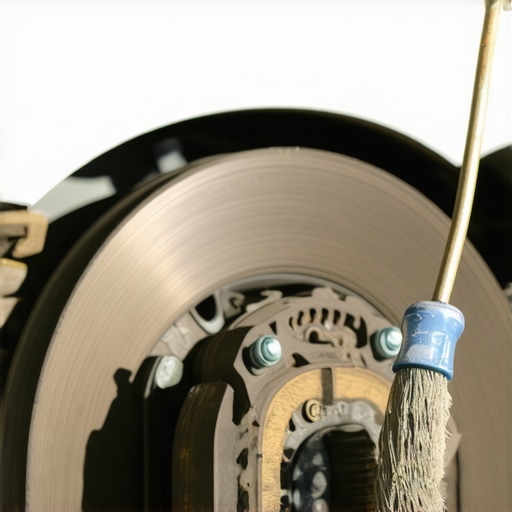
Apply brake cleaner or a dedicated brake dust remover to the pads and rotors. Use a soft wire brush or a fine-grit sandpaper (about 220 grit) to lightly scuff the brake pads, removing the glazed surface. This process, akin to sanding a shiny shoe to restore its grip, reduces vibrations that cause squealing. When I did this on my car, the squeal diminished significantly, and the brake pedal felt smoother. Remember, never use aggressive tools that might damage the rotor or pads.
Dealing with Glazed Pads
If glazing is severe, consider replacing the pads or asking a professional to resurfaced the rotors. Visit this guide to learn how to check your brake fluid, but for glazing, a simple sanding often suffices for minor cases.
Adjust the Brake Hardware
Many squeals originate from loose or misaligned hardware, like shims or clips. Use a screwdriver or pliers to tighten or reposition these components. A misplaced shim can cause uneven contact and vibrations. During my DIY, I noticed some loose clips, which I carefully reinstalled. Ensuring all hardware is snug prevents unnecessary movement that leads to noise.
Check for Rust and Corrosion
Rust build-up on the clips or backing plates can exacerbate squealing. Lightly sand rusted areas or replace corroded hardware. Applying a thin layer of high-temperature grease on squeaky spots helps damp vibrations. Be sure not to get grease on the brake pad surface itself, as it can reduce braking effectiveness.
Test the Fixes Safely
After reassembling the wheel, tighten lug nuts to the manufacturer’s torque specifications. Lower the vehicle, then test drive at low speeds to confirm the noise is gone. If squealing persists despite these steps, check the brake pads’ thickness—if pads are worn below the recommended level, replacement is necessary. For more serious issues, consulting with professionals at this resource can save you time and money.
Among car enthusiasts and everyday drivers alike, there’s a widespread misconception that every odd noise or minor issue signals an urgent need for costly repairs. In reality, many assume that if a problem seems minor, it’s best to address it immediately or assume the worst. However, this approach can lead to unnecessary expenses or even misdiagnosis, especially when the nuances are overlooked. For example, a slight vibration in the steering wheel might be dismissed as unavoidable when, in fact, it could be caused by a simple misalignment or worn suspension component—issues that require careful diagnosis rather than jumping straight to replacements.
Many drivers also believe that all transmission slippage indicates internal damage demanding a complete rebuild. But, studies and expert insights show that sometimes, the cause is a minor sensor malfunction or low transmission fluid, which can be resolved with a simple top-up or calibration. Recognizing these subtleties requires an understanding of how interconnected vehicle systems are and that not every symptom points to major repairs.
What are the common pitfalls in diagnosing auto repairs that even experienced mechanics sometimes fall prey to?
One major trap is relying solely on symptoms without considering the full context. For instance, a spongy brake pedal might be blamed on worn pads, but it could also stem from air in the brake lines or deteriorated master cylinder seals. As highlighted by automotive experts, addressing only the surface issue without delving into the underlying cause often results in recurring problems. This emphasizes the importance of comprehensive diagnostics and knowing when to seek specialized advice.
Another mistake is neglecting routine maintenance or failing to recognize early warning signs, which can amplify small issues over time. For example, ignoring a minor coolant leak might lead to engine overheating, a misjudgment that can be costly and dangerous. Being proactive rather than reactive, and understanding the nuances, can save significant money and extend vehicle lifespan. For deeper insights, exploring topics like why lifetime transmission fluid can be misleading reveals how assumptions about maintenance can be problematic.
Let’s dig deeper into this. By understanding the hidden subtleties and avoiding common pitfalls, you can approach auto repairs smarter and more cost-effectively. Have you ever fallen into this trap? Let me know in the comments.
Keeping Your Vehicle in Prime Condition: Tools I Trust
When it comes to maintaining your car’s performance over the years, having the right tools isn’t just about convenience—it’s about ensuring safety, saving money, and extending vehicle lifespan. Personally, I swear by a high-quality digital multimeter for quick diagnostics of electrical issues, especially when troubleshooting sensors or battery health. This tool allows me to verify voltage drops and ground continuity without heading to a mechanic every time. For brake work, a dedicated brake caliper piston tool is indispensable. It simplifies retractions during pad changes and prevents damage to delicate components. I also rely on a set of torque wrenches calibrated to manufacturer specs, ensuring every bolt, from lug nuts to suspension components, is tightened properly. Proper torque prevents future failures and promotes even wear.
Software tools have also become crucial. Advanced diagnostic scanners like the Autel MaxiCOM MX808 provide comprehensive code readings, live data, and system tests, which I use before superficial repairs. They save countless hours by pinpointing issues efficiently and avoiding unnecessary part replacements. As vehicle technology advances, integrating these tools into your maintenance routine ensures you’re ahead of potential problems, particularly as cars shift toward smarter, interconnected systems.
The Secret to Building a Sustainable Maintenance Routine
Consistency trumps complexity. Regularly checking fluid levels—transmission, brake, coolant—is simple but vital. Use a quality flashlight and these tools to perform visual inspections of belts, hoses, and wiring for signs of wear or corrosion. Catching small issues early prevents costly breakdowns. For example, maintaining brake fluid levels and replacing it at recommended intervals keeps your braking system reliable. Also, investing time in cleaning and deglazing components, like brake pads, extends their life and reduces squeal or vibrations.
How do I maintain transmission performance over time?
Transmission health is critical for smooth operation and longevity. I recommend regular fluid checks, especially if your vehicle’s manual recommends lifetime fluid, as this can sometimes fail prematurely. Consider a periodic drain and refill using high-quality fluid, following expert guidance on this detailed resource. Additionally, inspecting for leaks and monitoring shift smoothness can preempt more significant issues. As I like to say, preventative maintenance is your best friend in auto ownership.
Looking ahead, advancements in diagnostic software and sensor technology will make proactive repairs more accessible. AI-driven diagnostics might soon predict failures even before symptoms appear, transforming how we approach car care. For now, focus on using precise tools and consistent maintenance routines to keep your vehicle running reliably. If you’re ready to take your DIY skills to the next level, start by checking your brake fluid and performing a simple dust shield adjustment—a quick step with profound benefits.
Lessons Only the Gearheads Usually Learn
- One of my most surprising insights was how often brake squeal isn’t caused by worn pads but by overlooked details like dust buildup or uneven hardware alignment. Tackling these small issues early on can save you from costly rotor replacements and unexpected breakdowns, reinforcing the value of regular inspections.
- I realized that DIY repairs require patience and attention to detail. Rushing to replace parts without proper diagnosis often leads to wasted money. Sometimes, simply cleaning or adjusting existing components is enough—a lesson that patience and proper tools make all the difference.
- Understanding that many brake noises are fixable with straightforward methods, like deglazing pads or tightening hardware, helped me rebuild confidence in my ability to maintain my vehicle without constantly relying on professionals. It’s empowering to know when to DIY and when to seek expert advice, especially by recognizing symptoms early.
Tools and Resources That Changed My Approach
- The dust shield adjustment guide became my go-to resource for quick fixes. It demonstrated how a small tweak can eliminate noise without replacing parts—saving time and money.
- I trust a good digital multimeter, which helps me diagnose electrical issues that can manifest as brake and sensor anomalies. Knowing the health of my car’s electronics prevents misdiagnosis and unnecessary repairs.
- For more advanced diagnostics, the autel MaxiCOM scanner is invaluable. It empowers me to understand deeper system issues, ensuring I don’t overlook minor problems that could escalate later.
- Finally, reading informative books like The Truth About Transmission Fluid helped me understand fluid maintenance’s role in overall vehicle health, extending my DIY repertoire beyond brakes.
Fuel Your Auto Repair Confidence Today
Every small repair or adjustment adds up to a more reliable, longer-lasting vehicle. Armed with the right knowledge and tools, you can confidently tackle squealing brakes or other minor issues, saving money and gaining peace of mind. Remember, mastering these basic skills transforms your relationship with your car, making maintenance less intimidating and more rewarding. So, which DIY car fix have you been putting off that you’re ready to try? Share your plans below—your journey begins with that first step!