
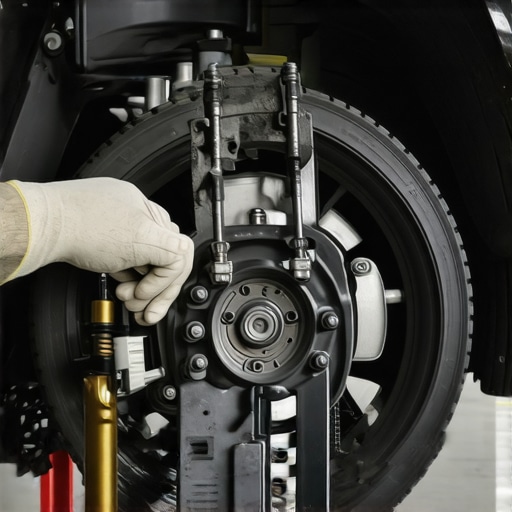
One summer afternoon, I was cruising down the highway when suddenly, I felt a hard pull to the left. My brake pedal felt firmer than usual, and the vehicle’s response was sluggish. Turns out, one of my brake calipers had been sticking silently for weeks—nothing obvious, just a subtle drag that worsened until it caused extreme heat and smoke. That moment was a real eye-opener for me. It made me realize how critical it is to recognize the early signs of a stuck caliper before it turns into a costly repair or worse, a dangerous situation on the road.
Why Detecting a Sticking Brake Caliper Early Matters
Nothing ruins your day faster than the sound of squealing brakes or the smell of burnt rubber while driving. A sticking caliper isn’t just a minor inconvenience; it can compromise your safety, damage other braking components, or even result in brake failure. According to the AAA, failing to address brake issues promptly can lead to significantly higher repair costs and increased risk of accidents. Early detection allows you to tackle small problems before they escalate, saving you hassle and money in the long run. In this post, I’ll walk you through practical, easy-to-spot signs that your brake caliper might be sticking—so you can stay ahead of trouble. Trust me, a little vigilance goes a long way. Have you ever experienced brake problems that caught you off guard? If so, keep reading. We’re about to dive into how to recognize the warning signs and check your brakes like a pro.
Is Your Sticking Brake Caliper Really Worth the Worry?
Admittedly, I used to think that minor brake squeal or a tad more pedal effort was just normal wear. My biggest mistake early on? Ignoring small symptoms, thinking they’d go away. But ignoring these clues only worsened the problem, leading to warped brake rotors and costly replacements. Don’t make the same mistake. Being proactive can mean the difference between a simple repair and a dangerous breakdown. To learn more about comprehensive vehicle care and ensure your safety, check out our guide on the ultimate guide to auto repair. Up next, I’ll share the key warning signs you should never overlook, so you can keep your brakes—and your peace of mind—in check.
Start With a Visual Inspection
Begin by parking your vehicle on a level surface, engaging the parking brake, and turning off the engine. Remove the wheel to access the brake assembly. Look for signs of uneven brake pad wear, corrosion, or leakage around the caliper. Last summer, I had my mechanic verify a suspicion of a sticking caliper by inspecting the brake pads’ uneven wear after noticing slight pulling during braking. This initial check often reveals obvious issues, saving you time and money.
Check Brake Pad Thickness and Condition
Use a flashlight to inspect the thickness of your brake pads. Thin pads (less than 1/4 inch) can cause the caliper to stick due to insufficient material to maintain even pressure. If you notice uneven wear or glazing (a shiny, smooth surface), your caliper might not be releasing properly. During my last inspection, I found one pad significantly thinner than the other, indicating a sticking caliper on that side. Replacing pads or calipers at this stage is crucial.
Test Brake Functionality
With your vehicle safely secured, gently press the brake pedal multiple times to ensure the caliper piston moves freely. Feel for any unusual firmness or sponginess. When I did this in my driveway, I noticed resistance on one side, hinting at potential caliper issues. This step verifies whether the caliper piston is operating smoothly or if it’s seized.
Perform a Road Test
Drive at low speed and apply gentle braking, paying close attention to pulling, squealing, or uneven braking force. If the vehicle pulls to one side, it’s a strong sign of a sticking caliper. During my experience, a slight pull during gentle stops prompted me to proceed with further inspection, which confirmed the caliper needed attention.
Use a Brake Pressure Tester
If you have access to a brake pressure gauge, connect it to the brake line to measure hydraulic pressure. Inconsistent pressure readings across wheels suggest caliper or brake line issues. I once used a pressure tester in my garage, which clearly showed pressure loss on one wheel, leading me to replace the caliper seal to restore proper function.
Look for Heat and Smoke
After driving, carefully feel the brake rotors—be cautious of high temperatures. Excessive heat on one rotor compared to others indicates a sticking caliper. I remember a particularly hot rotor on one side after a short drive, which was a telltale sign that I needed to replace the stuck caliper promptly. Regularly checking rotor temperature can prevent further damage.
Consider Professional Assistance
If these steps reveal potential issues or if you’re unsure during the process, consulting a mechanic is wise. A professional can perform a detailed inspection with specialized tools, like a brake caliper piston wind-back tool, ensuring accurate diagnosis and repair. Remember, tackling brake problems early preserves your safety and avoids costly repairs later. You might also find our brake service tips helpful for selecting the right repair shop.
Unveiling the Hidden Nuances of Auto Repair
Many car owners believe that auto repair is as straightforward as replacing worn parts and topping up fluids. However, this simplistic view often leads to overlooked issues and costly mistakes. For instance, a common misconception is that a warning light or strange noise automatically signals a severe problem, prompting unnecessary repairs. In reality, understanding the subtle nuances—like the difference between a minor vibration caused by tire imbalance and one indicating a failing suspension—can save you money and extend your vehicle’s lifespan. As expert mechanics emphasize, diagnosing accurately requires a keen eye for detail and a grasp of the vehicle’s behavior over time, rather than just reacting to symptoms.
Myth: All Brake Service Is the Same
Many assume that brake service is a one-size-fits-all procedure. From rotor replacement to brake pad grinding, the truth is that different driving styles and vehicle types demand tailored approaches. Skimping on quality or standard procedures can lead to premature brake wear or even safety hazards. For example, some shop might only replace pads without inspecting calipers or rotors, missing underlying issues like sticking calipers that can cause uneven pad wear. Comprehensive brake service, including thorough inspections and tailored repairs, is crucial. For more insights on maintaining your braking system, check out our latest guide to brake service.
Transmissions Are More Sensitive Than You Think
It’s a misconception that transmission issues only show up when the car won’t shift. In reality, subtle symptoms like delayed engagement, slipping gears under load, or strange noises can be early signs of impending failure. Rushing into full diagnosis without understanding these nuances can lead to unnecessary repairs or overlooking critical problems. Advanced technicians often recommend routine transmission fluid checks and paying attention to how your car responds during acceleration or deceleration. Recognizing these early warning signs allows for proactive maintenance, avoiding costly repairs later. To deepen your knowledge, visit our transmission maintenance tips.
Car Service: Don’t Oversimplify the Process
Car maintenance isn’t just about topping off fluids or replacing filters; it embodies a comprehensive strategy to keep your vehicle in prime condition. Overlooking less obvious elements like the condition of belts, hoses, or electrical connections can lead to breakdowns. Many drivers are unaware that routine inspections—such as checking for leaks or corrosion—can prevent major issues. An expert approach emphasizes detailed diagnostics and personalized maintenance plans, tailored to your vehicle’s make, model, and driving conditions. Regularly consulting reputable sources and professional mechanics can help you avoid common pitfalls. If you’re curious about the essential checks for your car’s longevity, explore our comprehensive car service guide.
Advanced Question: How does neglecting subtle signs of mechanical wear impact vehicle safety over time?
Ignoring early signs such as a slight delay in gear engagement or minor steering vibrations can compound into serious safety issues. Over time, small mechanical flaws may lead to component failure under stress, risking accidents or breakdowns. According to automotive safety experts, routine diagnostics and paying close attention to vehicle behavior are vital for timely intervention, thus ensuring safety and reliability. Remember, proactive maintenance rooted in keen observation is your best defense against costly repairs and dangerous failures. Have you ever fallen into this trap? Let me know in the comments.
,
Keep It Running with Precision Tools and Smart Methods
Maintaining your vehicle over time requires more than just basic knowledge; it demands the right tools and a disciplined approach. Personally, I swear by using a digital torque wrench like the Tekton 1/2 Inch Drive Digital Torque Tester. Unlike traditional beam torque wrenches, this electronic gadget offers precise measurements, which are vital when tightening critical components like wheel lug nuts or suspension bolts. Accurate torque prevents over-tightening that can damage parts or under-tightening that risks safety. For fluid management, I rely on a high-quality brake bleeder kit with a one-way valve. It simplifies the process of removing air from brake lines, ensuring consistent pedal feel and braking performance.
When diagnosing ongoing issues such as transmission slips or engine hesitation, I use a professional-grade scan tool like the Autel MaxiCOM MK808. It not only reads error codes instantly but also provides live data streams, which I find indispensable for catching subtle problems early. Technology is advancing rapidly, so I predict a future where integrated diagnostic systems will become standard—even in consumer vehicles—making maintenance more accessible and precise.
How do I maintain my tools and procedures over time?
Routine calibration of diagnostic equipment and proper storage are essential. I keep my digital torque wrench in a climate-controlled case, and I regularly check it against factory-standard calibration loads. Additionally, I update my scan tool’s firmware annually to ensure compatibility with new vehicle models. Establishing a maintenance schedule for your tools is crucial, just like you do for your car. This disciplined approach helps prevent inaccuracies and prolongs the lifespan of your equipment.
Furthermore, adopting cleaning protocols—like using compressed air to clear debris from sensors and carefully wiping down electronic interfaces—keeps your tools in top shape. For extended vehicle health, I also follow a proactive protocol of routine inspections based on factory guidelines, which you can find summarized in this comprehensive checklist. Incorporating these methods into your maintenance routine will ensure your tools and techniques remain effective over the years.
Interested in taking your auto maintenance to the next level? Try using a brake pressure tester to accurately gauge hydraulic system health, preventing potential safety hazards. This proactive step can save you from more costly repairs down the line and improve your confidence behind the wheel.
,
The Hardest Lesson I Learned About auto repair,brake service,collisionrenew,transmission,car service
Early in my journey as a car owner, I underestimated the importance of paying attention to subtle signs like a slight pull during braking or an unusual roughness in pedal feel. I learned that neglecting these small cues can lead to severe, costly problems down the road. Now, I approach vehicle maintenance with a mindset that values small preventive measures, knowing they save me from big surprises later.
3 Myths About auto repair,brake service,collisionrenew,transmission,car service That Held Me Back
Believing that all brake issues fix themselves or that a quick pad replacement is enough—these misconceptions almost cost me a lot. Proper diagnosis and targeted repairs have taught me the value of trusting experts and understanding my vehicle’s actual needs rather than assuming quick fixes are sufficient. For in-depth insights, I turn to trusted sources like the comprehensive car service guide.
What Experts Won’t Tell You About auto repair,brake service,collisionrenew,transmission,car service
Many seasoned mechanics emphasize that the smallest signs—like inconsistent brake pedal feel—often point to underlying issues like caliper sticking. They also warn against neglecting early warning indicators because, often, these small symptoms are the most informative for proactive maintenance. My own experience confirms that paying attention to these clues makes all the difference in vehicle longevity.
My Essential Toolkit for auto repair,brake service,collisionrenew,transmission,car service
Tools like a digital torque wrench, a brake pressure tester, and a reliable scan tool (such as the Autel MaxiCOM MK808) are game-changers. They allow me to perform precise diagnostics and maintenance, empowering me to handle many issues without always relying on a mechanic. Trustworthy tools are an investment in both safety and peace of mind.
Your Turn to Try
Understanding and monitoring your vehicle’s early signs of mechanical wear can dramatically improve safety and save money. I challenge you to incorporate routine inspections into your maintenance routine and see how much more confident you become behind the wheel. Ready to take control of your vehicle’s health?