
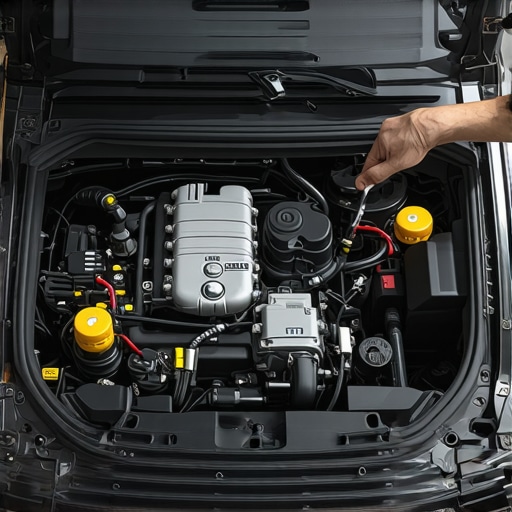
It was just another Sunday afternoon when I felt that unmistakable jolt through the steering wheel—almost like the car was trying to shake itself apart. At first, I thought I’d hit a pothole, but the vibration persisted, gnawing at my nerves and making every drive feel like a roller coaster. It was a lightbulb moment—I realized my engine mounts might be the culprit. If you’ve ever experienced a similar jarring feeling during your daily commute, you’re not alone. Many car owners underestimate how critical engine mounts are, yet they quietly do a big job: keeping your engine steady and smooth.
Why cabin vibrations shouldn’t be ignored
Imagine cruising down the highway, feeling fine, then suddenly, your entire cabin begins to tremble. It’s unsettling—and it could be a sign your engine mounts are failing. These mounts act like the car’s shock absorbers for the engine. When they wear out or break, they can’t dampen vibrations effectively. This doesn’t just mean a rough ride; over time, bad mounts can lead to engine damage, increased wear on other components, and even safety issues.
Trouble is, many people dismiss these vibrations as normal or insignificant. But neglecting them can escalate repair costs and shorten your vehicle’s lifespan. Early detection is key—and that’s what this guide will help you achieve.
But here’s a confession: early on, I made a mistake I see many others make—assuming a rough idle or a slight shake was just normal wear and tear. That oversight almost cost me dearly. Building trust, I always recommend paying close attention to your car’s signals and consulting resources like the ultimate guide to auto repair to understand how minor issues can snowball.
Now, before diving into the how-tos, let me ask you—have you ever noticed your car vibrating more than usual and wondered if it’s just a bad day or something more serious? If so, keep reading. Together, we’ll unravel the clues that point to engine mount problems and learn how to address them before they turn into costly repairs.
Get the Necessary Tools and Prepare Your Workspace
To start, gather a jack, jack stands, a wrench set, screwdrivers, and safety gear like gloves and goggles. Park your vehicle on a flat surface, engage the parking brake, and disconnect the negative battery terminal to prevent electrical issues. Having the repair manual for your specific vehicle model will streamline the process and prevent mistakes.
Locate and Inspect the Engine Mounts
Open the hood and identify the engine mounts, which are typically found on the top and sides of the engine. Look for signs of wear—cracks, broken rubber, or excessive movement. For a precise diagnosis, gently rock the engine side-to-side. If it shifts noticeably more than usual, a replacement is warranted.
Lift the Vehicle Safely
Use a hydraulic jack to lift the front of the car and place jack stands under the frame for support. Never rely solely on the jack. This elevates the vehicle to give you clear access underneath, especially if the mounts are accessible from below.
Support the Engine Before Removing Mounts
Place a jack with a wood block under the oil pan to hold the engine’s weight. Slightly raising the engine reduces tension on the mounts, making removal safer and easier. Be cautious not to lift too high to avoid damage.
Remove the Old Engine Mounts
Loosen and detach bolts securing the mount to the chassis and engine block. Keep track of all hardware, as you’ll need these or replacements for installation. Take note of the orientation for correct positioning of the new mounts. Use penetrating oil if bolts are rusted, and work steadily to avoid stripping.
Micro-Story:
Once, I replaced a worn engine mount in my friend’s car. While removing the mount, a bolt sheared, causing a temporary pause. I slowed down, used a bolt extractor, and carefully extracted the broken piece. It was messy, but persistence ensured the job continued smoothly, saving the cost of professional extraction.
Install New Mounts and Reassemble
Position the new engine mounts correctly, aligning bolt holes precisely. Hand-tighten bolts to keep the mounts in place, then torque them to manufacturer specifications using a torque wrench. Double-check all hardware before lowering the engine and vehicle back onto the ground.
Finish Up and Test Drive
Reconnect the battery, start the engine, and listen for unusual noises or vibrations. Take a short test drive, paying attention to smoothness and stability. If vibrations persist, revisit mounts for proper torque or inspect for other issues like transmission mounts or misaligned components.
For ongoing vehicle health checks, consider routine inspections available through essential car service checks. This proactive approach helps catch mounting issues early, ensuring your vehicle remains reliable and safe.
While many car owners focus on the obvious aspects of auto repair, such as brake replacement or transmission issues, there’s a hidden layer of sophistication often missed—especially concerning CollisionRenew and related services. A common misconception is that choosing a repair shop is just about price and speed; in reality, the nuances of repair strategies greatly influence long-term vehicle health and safety. For example, some believe that any brake service will do, but deeper knowledge reveals that not all brake repairs are equal—quality parts, proper bleeding techniques, and calibrated sensors make a significant difference, as highlighted in the latest brake service insights. Overlooking these details can lead to premature wear or even dangerous failures. Additionally, many assume that auto repair is a one-size-fits-all process, yet advanced diagnostics emphasize tailoring repairs based on the vehicle’s unique history and condition. An emerging myth suggests that transmission repairs are universally costly and complex. However, with careful assessment and modern diagnostics, some issues—like fluid contamination or sensor errors—can be addressed efficiently, extending the lifespan of the transmission—see transmission repair strategies. One trap to avoid is the misconception that repairs can be delayed once symptoms appear. Neglecting subtle signs such as minor vibrations or fluid leaks can escalate problems into expensive overhauls. The key is early intervention, supported by thorough inspections. For instance, a small puddle of a clear fluid might seem insignificant, but could indicate a failing transmission seal—early detection can prevent costly replacements, as discussed in fluid leak risks. How can savvy owners deepen their understanding? By questioning assumptions, staying informed through trusted guides, and seeking expert consultation. For advanced insights into maintaining your vehicle’s integrity, explore the ultimate auto repair guide. Remember, taking the time to understand these nuanced aspects not only saves money but also ensures your safety on the road. Have you ever fallen into this trap? Let me know in the comments, and stay proactive with your vehicle’s health.
Invest in Precision Diagnostic Equipment for Reliable Repairs
One of my most trusted tools is a high-quality OBD-II scanner, like the Autel MaxiCOM MK808. I personally use it because it offers comprehensive diagnostics, allowing me to pinpoint issues beyond surface symptoms—saving time and money. Unlike generic code readers, this device integrates with software that provides clear explanations and repair suggestions, providing an edge during complex transmission or engine troubles. Regularly updating its firmware ensures compatibility with new vehicle models, which is crucial as vehicle technology evolves rapidly.
Use Advanced Software for Predictive Maintenance
Modern auto repair benefits from software solutions such as automated maintenance scheduling tools. These programs analyze your driving habits and vehicle history to predict potential failures before they happen, especially critical for components like transmission or brake systems. I recommend integrating apps like CarLower, which syncs with your vehicle to alert you when oil, transmission fluid, or brake fluid levels are low—preventing small issues from escalating into costly repairs.
Master the Art of Preventive Maintenance with Proper Lubrication
Consistent lubrication is often overlooked, yet it’s foundational for long-term durability. I rely on synthetic oils, such as Mobil 1, because they maintain optimal viscosity over extended intervals—up to 10,000 miles in some cases. Proper lubrication reduces strain on transmission components and brake calipers, which directly impacts safety and efficiency. Regular oil analysis, available through advanced diagnostic labs, informs me when to perform oil changes and whether contamination has occurred, offering insights into underlying issues like overheating or fluid breakdown.
Incorporate Routine Inspections and Calibration Checks
Maintaining accurate wheel alignment and transmission calibration is vital. I schedule detailed inspections using laser alignment tools to ensure fenders and axles are aligned within manufacturer specifications, extending tire life and improving handling. For transmissions, calibration with specialized tools ensures sensors and solenoids function correctly, preventing shifts from becoming jerky or unresponsive. For example, after a major transmission repair, I like to perform a calibration checkup to verify all systems operate harmoniously.
Embrace Future Trends with Predictive Analytics and AI
Looking ahead, the integration of artificial intelligence in vehicle diagnostics will revolutionize maintenance routines. Automated systems will identify nuanced issues, like subtle engine vibrations caused by marginal engine mounts, much earlier. This trend will require mechanics and car owners alike to stay abreast of new tools and software solutions, such as AI-driven predictive maintenance platforms. Staying proactive with these innovations can mean the difference between a minor tune-up and a major overhaul.
For example, consider the detailed diagnostics related to transmission fluid deterioration, which can be subtle but have significant consequences. Understanding how to interpret such data—like using software that models fluid friction levels—can help you schedule timely repairs rather than waiting for symptoms to worsen. To get started, I suggest trying a comprehensive diagnostic approach, combining quality tools and routine inspections, as these practices form the backbone of reliable long-term auto care.
How do I keep my auto repair knowledge sharp over time?
Continuous learning through industry-standard resources and hands-on practice is key. Regularly reviewing guides such as the ultimate auto repair guide and staying connected with trusted mechanics will improve your ability to diagnose and manage issues before they become severe. Investing in advanced tools like diagnostic software and calibration equipment not only enhances repair accuracy but also extends your vehicle’s lifespan, ensuring safety and peace of mind on every journey.
What I Wish I Could Tell Every Car Owner About CollisionRenew
One of the biggest lessons I’ve learned is that rushing repairs or ignoring subtle signs like slight vibrations can lead to costly consequences down the line. Patience and attention to detail often save money and extend your vehicle’s lifespan.
Another insight is that choosing the right auto service provider isn’t just about price—it’s about expertise, integrity, and a genuine understanding of your vehicle’s unique needs. Building trust with a mechanic who values quality over speed can make all the difference.
Lastly, embracing proactive maintenance and investing in quality diagnostic tools has transformed how I approach vehicle care. Early detection through careful observation and modern diagnostics helps prevent small issues from spiraling into major repairs.