

I remember turning on my car’s climate control on a chilly morning, only to be greeted by a blast of icy air instead of the cozy warmth I expected. Frustration hit me as I realized the dashboard was giving conflicting signals, and I wondered—could my inside temperature sensor be the culprit? It was a lightbulb moment that made me dig deeper into why these sensors sometimes betray us and how a simple dirty sensor can mess with your comfort—without you even realizing.
How Dirt on Your Cabin Temp Sensor Can Throw Off Your Climate Control
Most drivers don’t think about their interior sensors until something’s wrong. But if your HVAC system isn’t responding correctly—say, it blows cold when it should be warm or vice versa—your internal cabin temperature sensor might be dirty, malfunctioning, or both. These sensors are tiny electronic devices tucked away inside your dash or near the vents, measuring the air temperature to help your system adjust accordingly. When dust, debris, or grime builds up on the sensor, it can provide false readings, leading to inconsistent cabin comfort and even increased energy use.
Let me tell you—early on, I made the mistake of ignoring my temperature sensor, believing the system was just ‘fussy.’ It wasn’t until I replaced a burnt-out thermostat that I realized I’d overlooked the sensor entirely. That was a mistake I won’t make again. Keeping this sensor clean is simpler than you might think, and it can save you from costly repairs down the line. We’re going to walk through how to identify if your sensor is dirty and what you can do about it to restore that perfect climate inside your vehicle.
Could Your Sensor Be Causing More Problems Than You Know?
Many people dismiss inconsistent climate control as a minor inconvenience, but it can actually point to bigger issues—like a failing sensor or even wiring problems. Recognizing the signs early can save you money and prolong your car’s overall health. Think about it: if your sensor isn’t functioning, your HVAC system might run longer than necessary, wasting fuel and increasing wear on components. Plus, incorrect temperature readings can make your drive uncomfortable, especially during extreme weather.
So, have you ever faced the frustration of unpredictable cabin temperatures or noticed your AC or heater cycling on and off too frequently? If yes, you’re not alone—and there’s a good chance that your sensor might just be dirty. In the sections ahead, I’ll share how to inspect and clean your cabin temperature sensor, ensuring your climate control works smoothly again.
For more insights on maintaining your vehicle’s optimal performance, check out our page on [essential car service checks](https://collisionrenew.com/essential-car-service-checks-to-extend-your-vehicles-life) or reach out through our [contact page](https://collisionrenew.com/contact-us). Improving your car’s internal sensors is a small step that can make a significant difference in your driving comfort and vehicle longevity.
Accessing the Sensor
Begin by locating your cabin temperature sensor, typically tucked behind the dashboard or near the center console. Take a flashlight and remove the glove box or dashboard panel carefully using appropriate tools. I once struggled with a stuck panel, but patience and gentle prying prevented damage. Once exposed, identify the sensor—a small, often cylindrical or flat device with wiring attached.
Disconnecting the Components
Before cleaning, disconnect the wiring harness connected to the sensor to prevent short circuits. Use a minimal force, as connectors can be brittle. Remember, a loose connection can mimic sensor failure—so take your time. If you notice any corrosion or dirt buildup on the terminals, clean them with electrical contact cleaner, which you can find at any auto parts store.
Cleaning the Sensor Properly
Use a soft, lint-free cloth slightly dampened with isopropyl alcohol to gently wipe the sensor’s surface. Avoid abrasive materials, which can damage delicate components. During my own cleaning process, I once used an old toothbrush dipped in alcohol to scrub away grime from difficult spots, which proved effective. Make sure the sensor dries completely before reconnecting.
Reinstalling and Testing
Reconnect the wiring harness securely, then reassemble the dashboard panels. Turn on your vehicle and set the climate control to a comfortable setting. Observe if the system responds correctly—if you previously had inconsistent heating or cooling, you should notice improved performance now. If issues persist, it might be time to consult a professional or consider replacing the sensor.
Preventing Future Dirt Buildup
Regularly check and clean your interior sensors to maintain optimal HVAC performance. Using cabin air filters and keeping vents clean can reduce dust and debris circulation, minimizing grime on sensitive components. In my experience, a quarterly inspection sufficed in keeping my system responsive and accurate.
While this procedure is straightforward, always consult your vehicle’s service manual for specific instructions and safety precautions. If you’re uncomfortable with DIY tasks, reach out through our contact page for professional assistance. Regular maintenance ensures your comfort and helps avoid more costly repairs down the line, like replacing the entire HVAC module or sensors. For additional vehicle care tips, visit our page on essential car service checks.
When it comes to vehicle maintenance, there’s a common belief that following the manufacturer’s recommended schedules is enough to keep your car in top shape. However, many car owners overlook crucial nuances that can lead to costly repairs down the line. One widespread myth is that all auto repair shops operate with the same level of expertise, but in reality, the quality and approach vary significantly. Choosing a repair facility without understanding their strategies can result in unnecessary part replacements or overlooked issues. For instance, some shops focus solely on quick fixes rather than comprehensive assessments, which can mask underlying problems like transmission wear or brake system deterioration. This misconception might leave you stranded with declining vehicle performance sooner than expected. Unearthing these nuances is essential for proactive maintenance and cost savings.
Are All Repairs Created Equal? The Hidden Risks of Cheap or Quick Fixes
Many drivers fall prey to the allure of cheap repairs, assuming they are saving money. But in my experience, opting for the cheapest option often leads to short-term fixes that cause long-term damage. For example, a quick brake pad replacement without inspecting the rotors or calipers might seem sufficient initially, but neglecting these components can accelerate wear and lead to noise or failure soon after. Such shortcuts are traps that can compromise safety and increase expenses. It’s crucial to understand that quality auto repair involves detailed diagnostics and proper part replacements—skimping on these steps may cost more in the end. To prevent this, seek shops that follow a thorough repair strategy, like those outlined in our [collision renewal strategies](https://collisionrenew.com/collision-renewal-strategies-restoring-your-car-to-perfection).
The Fine Line Between Maintenance and Over-Maintaining
An often-overlooked mistake is over-maintaining or replacing parts prematurely, based on outdated or misinterpreted data. Modern vehicles feature sensors and diagnostic systems that indicate precise service needs. For instance, replacing transmission fluid too early can be as harmful as neglecting it altogether, potentially causing unnecessary wear or unsettling the transmission’s operation. Knowing when to service components—like your transmission, brakes, or hoses—requires understanding their actual condition, not just following a fixed schedule. Advanced diagnostics and periodic inspections can help accurately determine these needs, saving you money and preventing damage. For a deeper insight into effective strategies, visit our [auto repair guide](https://collisionrenew.com/the-ultimate-guide-to-auto-repair-keep-your-car-running-smoothly).
Why Skipping Routine Checks Could Hurt Your Car More Than You Think
Routine maintenance isn’t just an annoyance; it’s a safeguard against hidden problems. Skipping a simple brake inspection or fluid check might seem insignificant but can hide issues like worn pads or contaminated fluid, which impair safety and performance. One trap to avoid is neglecting inspection intervals because it might seem more economical at the moment. In fact, regular inspections can catch problems early, prolonging the lifespan of critical components and avoiding expensive repairs later. For example, regular brake service can prevent rotor warping or piston corrosion, which are much costlier to repair. To stay ahead, consider integrating maintenance strategies like those in our [collision renewal section](https://collisionrenew.com/collision-renewal-strategies-restoring-your-car-to-perfection), tailored to your vehicle’s needs.
Have you ever fallen into this trap? Let me know in the comments. Remember, understanding the nuanced truths of auto repair can save you money, keep you safe, and ensure your vehicle serves you well for years to come.Maintaining a vehicle’s performance over the long term requires more than just basic knowledge—investing in the right tools and understanding effective procedures can make all the difference. Personally, I swear by certain diagnostic scanners and specialty lubricants, which have saved me countless hours and dollars. One essential item I rely on is the Autel Maxidiag Elite, a comprehensive OBD-II scanner that provides in-depth diagnostics beyond generic code readers. It allows me to pinpoint issues like transmission sensor failures early, preventing costly repairs and ensuring smooth shifts. Additionally, I keep a high-quality ultrasonic cleaner for delicate components such as fuel injectors and sensor units—these tools enable efficient cleaning without risking damage.
To stay ahead, I utilize software like Mitchell1 or Snap-on ShopKey, which offer detailed repair information, wiring diagrams, and troubleshooting steps tailored to my vehicle. These programs are invaluable when diagnosing complex problems, ensuring I follow precise procedures aligned with manufacturer specs. Personally, I perform regular inspections with infrared thermometers to monitor cooling system components, catching overheating issues before they escalate. Over time, I’ve seen how proactive maintenance—supported by the right tools—extends my vehicle’s lifespan and reduces unexpected breakdowns.
Looking ahead, I predict that the integration of AI-driven diagnostics and wireless sensor networks will further revolutionize car maintenance, enabling real-time alerts and predictive servicing that adapt to driving habits. To prepare for this evolution, embrace advanced diagnostic tools and stay informed about emerging technologies.
How do I maintain my vehicle’s peak performance over time? Consistent use of high-quality diagnostic scanners combined with preventive cleaning routines and software updates ensures reliability and long-term health. For example, regularly checking and cleaning transmission sensors with specialized tools like ultrasonic cleaners can prevent issues that often lead to expensive transmission rebuilds. By incorporating these practices, you’ll keep your car running smoothly and avoid the pitfalls of deferred maintenance.
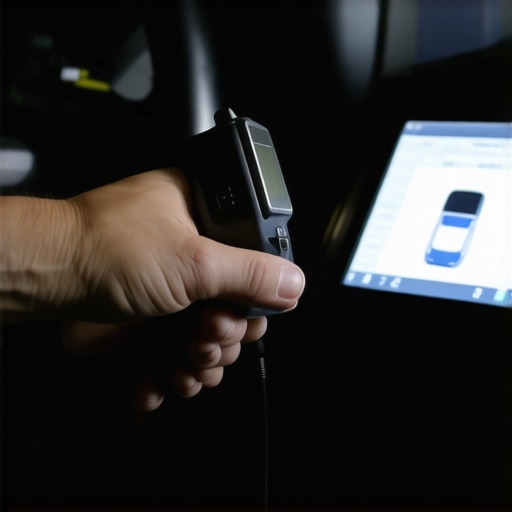
Investing in these specific tools and adopting a proactive maintenance mindset not only saves money but also enhances safety and driving comfort. Consider trying out an ultrasonic cleaner on your vehicle’s sensors or updating your diagnostic software—these small steps lead to significant long-term benefits. For more detailed strategies, I recommend exploring our [collision renewal strategies](https://collisionrenew.com/collision-renewal-strategies-restoring-your-car-to-perfection), which focus on maintaining your vehicle’s core systems.Throughout my journey with vehicle maintenance, I’ve uncovered some unexpected truths about cabin temperature sensors that transformed my understanding of auto care. One key lesson was the importance of proactive inspection—waiting for symptoms often means more costly repairs later. I realized that simple cleaning and timely testing can prevent system failures and keep my car running comfortably. Another insight was recognizing the subtle signs of sensor degradation; sometimes, inconsistent climate control is a warning sign, not just a nuisance. Moreover, investing in quality diagnostic tools and knowing how to use them gave me confidence in troubleshooting issues efficiently. Finally, I learned that regular maintenance routines, combined with a curious mindset, can save money and enhance safety—lessons that I now share with fellow car enthusiasts looking to foster better vehicle health.