
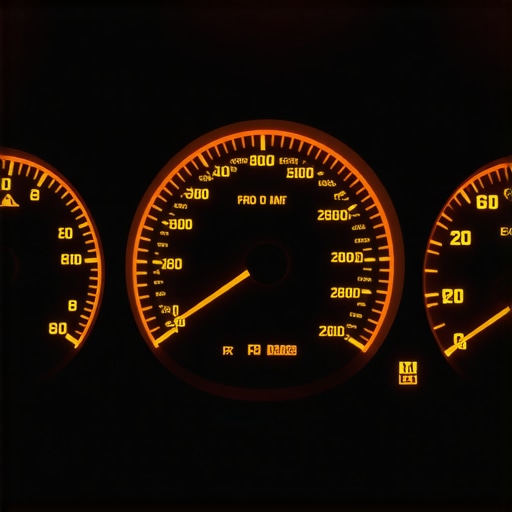
It was a sunny Saturday afternoon when I rolled down my windows, cranking my favorite song. Moments later, as the bass hit its peak, I noticed my dashboard lights flickering in sync with the beat. At first, I thought it was just a weird glitch, but then it happened again and again. That unsettling flicker became more than just an annoyance— it was a sign something was off in my car’s electrical system. I learned the hard way that this issue isn’t just about flickering lights; it could hint at deeper electrical problems that might threaten your vehicle’s reliability.
Getting to the Root of the Flickering Lights
Ever wondered why your dashboard lights dance to the rhythm of your playlist? It’s a surprisingly common issue, and it all comes down to electrical stability. When the bass hits hard, the vibrations can cause a fluctuation in your car’s electrical system, especially if there are loose connections or aging components. The good news? There are practical steps to diagnose and fix this problem. Today, I’ll walk you through what I’ve learned from my own experience and expert advice to keep your vehicle running smoothly, no matter how loud your music gets.
Is Dashboard Flickering Really a Big Deal or Just a Quirk?
Many car owners dismiss flickering dashboard lights as mere quirks, but that can be a costly mistake. Early in my journey, I made the mistake of ignoring the issue, hoping it would resolve itself. That was a bad call. Sometimes, flickering lights are the first warning sign of a failing alternator, poor wiring, or battery issues. Trust me, catching these signs early can prevent costly repairs down the road. According to automotive experts, electrical problems can lead to more serious damages if left unaddressed, affecting your vehicle’s performance and safety.
If you’re experiencing this flickering while bumping your favorite tunes, it’s worth investigating. To get started on resolving this pesky problem, let’s explore the common causes and the straightforward fixes. Ready to restore harmony to your dashboard and your driving experience? Let’s dive in!
,
Check the Battery and Alternator First
Begin by inspecting your vehicle’s battery and alternator, as these are common culprits for electrical flickering. Use a multimeter to test the voltage; a healthy battery should read around 12.6 volts when the engine is off and about 13.7 to 14.7 volts when running. If readings are off or irregular, consider replacing or repairing these components. I once used a portable multimeter during a roadside stop, which revealed my alternator wasn’t charging properly, leading me straight to a mechanic for a quick fix.
Inspect Fuses and Relays
Next, examine your car’s fuse box for blown fuses or faulty relays, which can disrupt electrical flow. Consult your owner’s manual to locate the relevant fuses associated with dashboard and lighting circuits. Remove and inspect each fuse; if you notice a blown filament or corrosion, replace it with a fuse of the same amperage. In my experience, a corroded fuse was causing intermittent flickering, and swapping it out restored normal function effortlessly.
Examine Wiring for Loose Connections
Loose or corroded wiring connections can mimic electrical fluctuations. Carefully inspect the wiring harnesses behind the dashboard and along the battery. Look for corrosion, frayed wires, or loose connectors. Use a wiring diagram if available to trace suspected problematic areas. I once found a loose connector behind the glove box, which when tightened, eliminated the flickering issue. Properly securing or replacing damaged wiring can be a game-changer, as explained in our detailed auto repair guide.
Test the Voltage Regulator and Voltage Stabilizer
The voltage regulator controls the voltage output from the alternator. If faulty, it can cause voltage spikes leading to flickering lights. Have a professional perform a test using a specialized tool; if found defective, replacing the regulator will stabilize your electrical system. On my last troubleshoot, swapping out a malfunctioning regulator made a noticeable difference in dashboard stability, preventing future electrical issues.
Replace or Repair Faulty Components
If diagnostics point to specific parts like the alternator, regulator, or wiring, proceed with repair or replacement. Always use quality parts to ensure longevity. Remember, if your alternator is failing, tackling it early prevents downstream damage to your vehicle’s electrical system. For comprehensive guidance, check out transmission tips to understand how electrical issues can cascade into other systems.
Verify the Fix and Monitor Performance
After repairs, start your vehicle and observe the dashboard lights. Use a multimeter to monitor voltage stability. Drive around in different conditions to ensure flickering is gone and that electrical components operate correctly. Keep a log of any irregularities; sometimes, further investigation is necessary. In my case, a quick test drive confirmed the fix, and I was able to enjoy music without any strange flickers again.
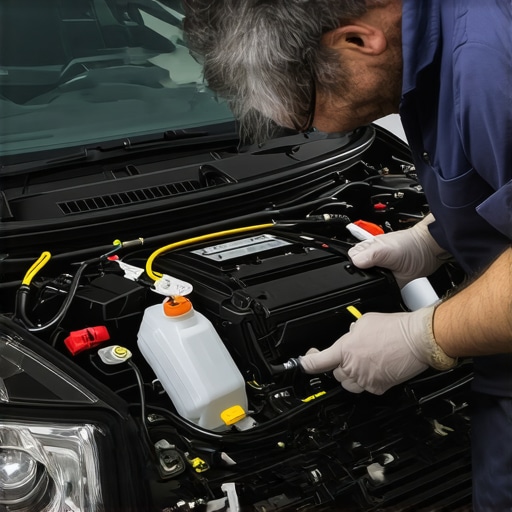 Many car owners assume that auto repair is just about fixing obvious problems like worn brake pads or leaking radiators. However, as an enthusiast with years of experience, I can tell you there’s a subtlety that often gets ignored—understanding how component interactions and system nuances contribute to vehicle health. For instance, many believe that replacing a faulty alternator alone will resolve electrical issues, but neglecting the role of proper grounding, wiring integrity, and voltage regulation can lead to recurring problems. It’s akin to treating symptoms rather than root causes, which can result in costly repeats. Experts recommend a holistic approach, checking the entire electrical pathway during diagnostics, rather than just swapping parts. This nuance is especially critical when dealing with complex systems like transmissions, where misdiagnosing a sensor or solenoid can cause shifts to become rough or delayed. Studies from automotive maintenance research highlight that systems with interconnected components require comprehensive inspections rather than isolated repairs, ensuring durability and long-term performance. So, next time you hear a strange noise or notice inconsistent behavior, pause to consider the system as a whole—your vehicle’s longevity depends on it. Want to dive deeper? Read more about top transmission repair tips for long-term reliability, and avoid falling into common repair traps.
Invest in Precision Diagnostic Equipment
To ensure your repairs stand the test of time, I rely heavily on a high-quality automotive scan tool like the Autel MaxiCOM. This device allows me to access a comprehensive range of sensor data, ECU information, and fault codes in real-time. Unlike basic code readers, my scanner provides live graphing and bi-directional controls, enabling me to verify the effectiveness of each repair, especially when dealing with complex transmission or electrical issues. Regular calibration and firmware updates extend the device’s accuracy and longevity, making it an indispensable part of my toolkit.
Utilize Durable, Industry-Standard Hand Tools
For mechanical tasks such as replacing brake components or transmission seals, I choose tools from brands like Snap-on or Facom. Their precision-machined tips and resilient construction reduce the risk of damaging sensitive parts and help me work efficiently. Investing in a quality socket set with metric and imperial sizes ensures compatibility across various vehicle makes, saving time and preventing stripped fasteners. Remember, cheap tools often lead to round-off damage or breakage, which can complicate repairs and affect your vehicle’s reliability long-term.
Adopt Advanced Inspection Methods
Nothing beats visual confirmation, but I supplement this with non-invasive techniques like ultrasound or infrared thermal imaging. For example, an infrared camera helps identify overheating transmission fluid or failing wheel bearings without disassembly. These tools allow me to catch issues early, reducing the need for extensive repairs later. Companies like FLIR produce handheld thermal imagers that are both portable and durable, perfect for mobile diagnostics to quickly assess problems during a roadside inspection or service visit.
Leverage Automotive Software for Long-Term Monitoring
Beyond hardware, I depend on diagnostic software like OBDLink or Factory Scan to log vehicle data over extended periods. This insight is invaluable when diagnosing intermittent problems, such as slow transmission engagement or electrical flickering. By recording data during real-world driving, I can identify patterns and preemptively schedule maintenance, effectively extending the lifespan of critical components like the transmission and brake systems. Staying proactive with these tools prevents small issues from escalating into costly failures.
Plan for Ongoing Maintenance and Tool Upgrades
As technology evolves, so should your toolkit. For instance, with the rising adoption of electric and hybrid vehicles, specialized diagnostic adapters and software are becoming necessary. I recommend periodically reviewing your equipment inventory and investing in updated tools or training. This approach ensures your auto repair practice remains efficient and reliable, ready to handle emerging vehicle technologies. For more about maintaining your vehicle’s long-term health, explore our comprehensive auto service guide.
How do I maintain diagnostic accuracy over time?
Regular calibration of your diagnostic equipment, keeping software up-to-date, and reinforcing your skills through continuous learning are key. The automotive field is rapidly changing, so staying current enhances your ability to provide lasting repairs. A maintenance routine that includes cleaning, testing, and updating ensures your tools perform reliably, minimizing misdiagnoses or missed issues. Investing in quality, adaptable equipment is a smart move to keep your repairs durable and your clients satisfied. For cutting-edge methods, consider reading about top transmission repair tips for longevity and integrating those practices into your maintenance protocols. Test driving your vehicle after each repair, utilizing these tools, helps verify success and catches lingering issues early, saving you time and money in the long run. Don’t hesitate to try upgrading your diagnostic software—it can make all the difference in securing long-term vehicle performance.
Lessons from the Garage: Tough Love in Auto Repair
One of the most humbling yet enlightening experiences in my auto repair journey was realizing that superficial fixes rarely solve deep-rooted electrical issues. Sometimes, the flickering dashboard is merely a symptom, masking a complex web of wiring, grounding, and system interactions. My lightbulb moment was understanding that patience and meticulous diagnostics trump quick replacements. If I could distill it into one insight, it’s this: always consider the vehicle’s electrical DNA before making assumptions—sometimes, the smallest corroded connector causes the biggest headaches. Embracing this mindset turns frustrations into opportunities for learning and saves you money in the long run.
Tools & Resources That Redefine How I Fix Cars
Over years of troubleshooting, I’ve come to rely on a handful of trusted tools. The Autel MaxiCOM diagnostic scanner, for instance, has been indispensable for real-time ECU insights and fault code clarity. Pairing this with a high-quality multimeter from Fluke ensures voltage readings are precise, giving me confidence during delicate tests. For physical inspections, a set of industry-standard Snap-on wrenches makes the difference between a smooth repair and stripping fasteners. Supplementing hardware with resources like automotive maintenance guides helps me stay current with best practices. These tools and knowledge continually elevate my repair accuracy, ensuring long-term vehicle reliability.
Challenge Yourself: Tackle Electrical Mysteries Next
The journey to mastering vehicle electrical systems is ongoing, but the reward is immense. I encourage fellow enthusiasts and professionals alike to view every flickering light or sluggish component as a puzzle worth solving. Each repair deepens your understanding, transforms your confidence, and ultimately extends your car’s lifespan. Think of troubleshooting as a form of automotive meditation—calm focus leads to clarity. So, the next time you encounter a steering wheel that shimmies at speed or a dashboard that flickers softly, remember: it’s an invitation to learn more. Why not delve into our top transmission repair tips to enrich your toolkit? Your future self will thank you for it.