

Ever been cruising down the street when suddenly your car starts to bounce like a boat on choppy waters? That unsettling jolt, that feeling of instability—it’s enough to make any driver wonder, “Is my suspension failing?” I remember the first time I felt that discomfort; I couldn’t afford a costly lift or visit a fancy mechanic. Instead, I rolled up my sleeves and learned how to diagnose my car’s health right from the driveway. If you’ve ever faced that same jittery ride and wondered whether your struts are on their last legs, you’re not alone. Today, I’ll share practical, neighborly tips on how to tell if your struts are shot without needing a hydraulic lift, saving you time and money.
Why You Shouldn’t Ignore Suspensions That Are Giving You Trouble
Your car’s suspension system, especially the struts, plays a crucial role in handling, comfort, and safety. When they wear out, it doesn’t just make for a less pleasant ride—it can also compromise your braking performance, steering control, and even tire longevity. Early detection can prevent costly repairs down the line. But here’s the kicker—most people, myself included initially, assume it’s a big, obvious problem needing professional diagnosis. The truth? With a little know-how, you can identify the signs right at home and avoid being caught off guard on the road.
Is Checking Your Struts Without a Lift Really Possible?
You might be skeptical. After all, aren’t lifts essential for a proper inspection? Not quite. When I first delved into this, I made the mistake of trusting only a professional’s word and ignoring subtle signs. That was a costly mistake. It’s easy to overlook how your car’s sway, bounce, or uneven tire wear indicates suspension issues. By paying attention to these clues, you’ll be better equipped to address problems early. For more deep dives into vehicle health, visit this comprehensive guide.
So, if you’ve ever been puzzled by a bumpy ride, or worse, felt your car pulling or wobbling unexpectedly, take heart. You don’t need a garage full of tools or a hydraulic lift to get a good idea of your suspension’s status. Stick with me, and I’ll walk you through simple tests and observations—just like I did—to confidently assess whether your struts might be on their last leg. Ready to get your hands dirty and your mind clear? Let’s jump into how you can spot the signs of worn-out struts, right from your driveway or parking lot.
Start With Visual Inspection
Park your car on a flat surface, turn off the engine, and walk around to look for obvious signs of damage like leaks, dents, or corrosion on the suspension components. A quick visual check can reveal if your struts are leaking oil or if there’s rust buildup, which might indicate they need replacing. I once noticed a puddle of dark fluid near the front wheel after a short drive, signaling a leaking strut that was on its way out.
Perform a Bounce Test to Assess Suspension Response
The bounce test is straightforward. Push down firmly on the corner of your vehicle—front or rear—then let go. Observe how your car responds. If it bounces multiple times or takes a long time to settle, your struts may be worn out. I did this during a rainstorm in my driveway; after pressing down on the front left, the vehicle kept bouncing repeatedly, indicating the strut’s shock absorption was compromised. This simple test mimics the vehicle’s response to bumps on the road and helps identify if the suspension is failing.
Leverage a Tutorial for a More Precise Check
If you’re comfortable, jack up your vehicle safely using a quality jack and secure it with jack stands. Once elevated, grasp the tire at the 3 and 9 o’clock positions and wiggle it side to side. Excessive play or movement suggests worn struts or loose mounting. In my case, doing this revealed more movement than expected, confirming the earlier bounce test. This method allows you to feel the stability of your suspension directly and is a step toward diagnosing potential issues without needing specialized equipment.
Check Tire Wear Patterns to Find Hidden Clues
Uneven or excessive tire wear on the inner or outer edges often indicates a suspension problem. When I noticed my front tires wearing unevenly, I suspected worn struts or alignment issues. By inspecting your tires’ tread for irregularities, you can catch early signs of suspension failure that aren’t immediately obvious. For a comprehensive understanding of what your tire wear means and how it relates to suspension health, visit this resource.
Gauge Ride Comfort and Handling
Finally, pay attention to how your car handles during regular drives. Notice if there’s increased body roll, a bouncy ride, or if steering feels loose. During a short trip, I felt my car sway excessively on turns and bounce over small bumps, which prompted me to inspect further. These subjective cues are crucial and can be tracked over time to determine if your suspension is degrading.
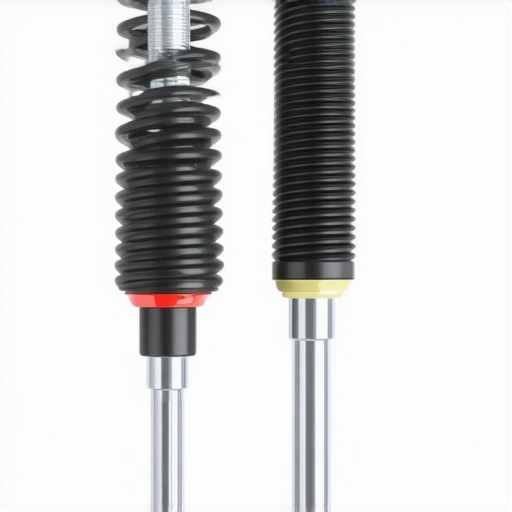
To better visualize worn-out struts, consider an image showing a comparison between a healthy and a worn suspension component, highlighting the differences in shock absorber condition. Proper inspection techniques empower you to keep your vehicle safe and reliable without costly professional visits.
When it comes to collision renewal, auto repairs, brake services, car maintenance, and transmission work, many car owners harbor beliefs that might hinder their decision-making and lead to unnecessary expenses. Let’s debunk some of these misconceptions, so you can approach your vehicle’s care with confidence and avoid costly pitfalls.
**Assuming All Repairs Are Equal and Choosing the Cheapest** is a common trap. While budget is important, the lowest bid doesn’t always guarantee quality. Some mechanics might cut corners or use inferior parts, risking further damage down the line. It’s crucial to verify that your repair shop adheres to industry standards and uses genuine parts. For comprehensive insight into choosing the right service provider, visit [this detailed guide](https://collisionrenew.com/collision-renewal-strategies-restoring-your-car-to-perfection).
**Believing that Modern Vehicles Don’t Need Regular Transmission Checks** is another myth. Many think that transmission fluid is a “fill it and forget it” component, but neglecting it can cause severe damage. Experts like transmission specialists emphasize the importance of routine inspection and fluid changes to prolong the life of your transmission. Learn more about maintaining your transmission effectively [here](https://collisionrenew.com/top-transmission-repair-tips-for-long-term-vehicle-reliability).
**Overlooking the Signs of Hidden Damage After an Accident** can lead to safety issues later. Some believe that if nothing is visibly broken, the repair was successful. However, structural damages or alignment issues can be invisible to the untrained eye but affect vehicle safety and longevity. Always insist on a thorough inspection, and if in doubt, seek a second opinion. Discover how professional assessments can catch these nuances [here](https://collisionrenew.com/why-your-engine-oil-level-rose-without-you-adding-any).
**Myth that Brake Service Is Just About Replacing Pads** overlooks the complexity of brake systems. Good brake service involves checking rotors, calipers, brake lines, and fluid levels. Failing to address these parts may result in uneven wear or brake failure. Regular brake inspections—far beyond just replacing pads—ensure your safety. For tips on selecting the best brake service, check out [this article](https://collisionrenew.com/braking-news-how-to-choose-the-best-brake-service-in-2025).
**Don’t Fall for the Belief That DIY Fixes Are Always Save-It-All Solutions**. While some minor repairs are manageable at home, advanced diagnostics or structural repairs demand professional expertise. Improper repairs can backfire, leaving you with worse problems and higher costs. If you’re unsure, consult with qualified technicians and utilize specialist services—your safety depends on precision. See how experts approach complex repairs [here](https://collisionrenew.com/the-ultimate-guide-to-auto-repair-keep-your-car-running-smoothly).
**Why It’s Better to Trust the Experts for Complex Repairs** involves understanding the nuances of effective service. For instance, improper alignment after collision repair can lead to uneven tire wear and handling issues. Recognizing the importance of expert calibration and quality work can save you money and time in the long run.
Remember, approaching your vehicle service with the right knowledge prevents costly mistakes and ensures your car remains safe and reliable. When in doubt, always seek reputable, transparent, and experienced service providers. Want more tips? Reach out through [our contact page](https://collisionrenew.com/contact-us) or explore our [comprehensive care guides](https://collisionrenew.com/the-10-tool-that-saves-your-brakes-from-uneven-wear).
Have you ever fallen into this trap? Let me know in the comments.Maintaining your vehicle’s peak performance requires more than just basic knowledge; it demands the right tools, a systematic approach, and a commitment to regular checks. Over the years, I’ve honed a toolkit that empowers me to diagnose, troubleshoot, and even perform some repairs myself, saving time and money. Let me share some of the essentials that I personally rely on to keep my car in top shape.
First and foremost, a quality OBD-II scanner has become indispensable. Devices like the BlueDriver or Innova 3160 can instantly read engine codes, giving you insight into issues that could escalate if left unchecked. I prefer the BlueDriver because it connects via Bluetooth to my smartphone, allowing me to run detailed diagnostics and clear trouble codes effortlessly. This habit of regular scans has helped me catch small problems before they turn into costly repairs, especially in our complex transmission systems.
Complementing the scanner, a set of precision screwdrivers, a torque wrench, and a good jack with jack stands form the core of my basic repair toolkit. For example, when checking or replacing calipers or brake pads, precise torque application ensures safety and longevity. Investing in a reliable jack—such as those from Arcan or Hein-Werner—has paid off during tire rotations or when inspecting suspension components.
For more detailed checks, I use a compression tester to evaluate engine health, especially when suspecting worn piston rings or valve issues. High-quality models like the Motoredge or TEKTON have proven durable and accurate during troubleshooting sessions. Alongside, a long-reach multimeter helps me monitor electrical systems—crucial for diagnosing issues like dimming dash lights or faulty sensors.
Additionally, I advocate for software solutions that provide maintenance schedules and repair guides. Websites like this resource offer comprehensive checklists that align with your vehicle’s make and model, preventing neglect and promoting proactive care.
Looking ahead, I believe the trend in vehicle maintenance tools is headed toward greater integration of AI diagnostics and remote monitoring. Cars increasingly communicate their health status, and software will analyze data to suggest repairs before components actually fail. Staying ahead means embracing these advancements, like subscribing to manufacturer telematics services or using apps that integrate diagnostics and maintenance history.
How do I maintain this toolkit for long-term use?
Regular calibration of electrical testing equipment, updating diagnostic software, and replacing worn-out hand tools are vital. Also, always keep a detailed log of diagnostics and repairs to track patterns and plan future maintenance. Investing in a storage case for your tools ensures they remain organized and protected.
Don’t forget: a small investment in quality tools can prevent small issues from becoming big headaches. Try out your new scanner, run a diagnostic check this weekend, and see how much you can learn about your vehicle’s health. For ongoing advice and detailed repair tips, explore this comprehensive guide. What’s the first check you’ll perform with your new tools? Share your experiences or ask questions through our contact page—I’m here to help keep your car running smoothly for miles to come.
Lessons That Changed My Auto Repair Approach
Discovering that many suspension issues can be diagnosed with simple at-home tests radically shifted my perspective on car maintenance. I realized that trusting solely on professional inspections might lead to overlooked problems. The moment I saw my car bounce excessively during a bounce test, I understood that awareness and early detection are key to saving money and ensuring safety.
Another lightbulb moment was understanding that visual clues like leaking fluid or uneven tire wear are powerful indicators of worn-out struts. This knowledge empowered me to check my vehicle regularly without expensive tools. Finally, I learned that subjective cues, like feeling increased body sway during turns, can be first signals of suspension trouble—if you pay close attention, your vehicle becomes less of a mystery and more of an open book.
Tools and Resources That Became My Vehicle Lifelines
A quality OBD-II scanner, like the BlueDriver, has been invaluable for early engine and transmission issues. Paired with a set of reliable hand tools—precision screwdrivers, a torque wrench, and a sturdy jack—I’ve been able to perform basic repairs and inspections confidently. Educational resources such as this guide provided me with step-by-step procedures tailored to my car’s needs, making sure I don’t miss vital maintenance steps. Lastly, maintenance tracking apps help me stay on top of service intervals, preventing major failures before they happen.
Take Action Today and Keep Your Vehicle Running Strong
Your vehicle is more than just a machine—it’s a trusted companion that deserves your attention and care. By applying these insider lessons and utilizing the right tools, you can avoid costly repairs and enjoy safer, smoother drives. Remember, vehicle maintenance isn’t just about fixing problems—it’s about understanding your car better every day. So, start with a simple bounce test or visual check this weekend, and see how empowered you feel. What’s stopping you from giving your car the attention it deserves? Share your thoughts below or reach out through our contact page. Let’s keep those wheels turning with confidence!;