
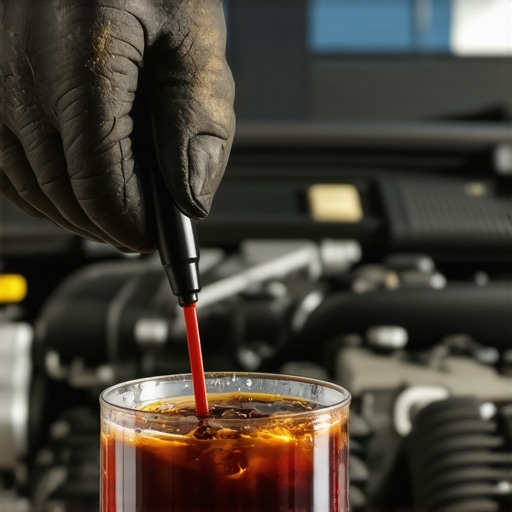
It was a chilly Saturday morning when I stared down at the dipstick of my old sedan, convinced I was looking at a routine fluid check. Instead, a dark, muddy smear greeted me, accompanied by a faint, acrid odor that smelled suspiciously like charred toast. My heart sank. I immediately assumed my gearbox was toast and that I was looking at a three-thousand-dollar rebuild bill. In a panic, I almost fell for the classic trap of pouring in cheap additives, a blunder that many make when trying to avoid a real repair. Luckily, I learned the hard way that a dark color doesn’t always mean your transmission is dead. Today, I want to help you cut through the panic and figure out exactly how to tell if your transmission fluid is actually burnt, saving you from unnecessary stress and potentially saving your wallet from a massive hit.
The Smell Test and What It Really Means for Your Gearbox
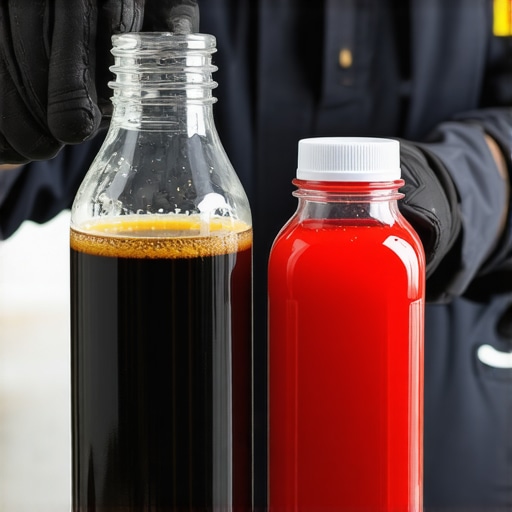
Before you run to the nearest shop, let us talk about the sensory cues that actually matter. Fresh automatic transmission fluid is a vibrant, translucent red. Over time, it naturally darkens to a light brown due to heat and age, which is completely normal. However, true thermal breakdown changes the game entirely. When fluid is genuinely burnt, it loses its lubricating properties, turning a deep, opaque black and smelling heavily of scorched metal or burnt toast. I once ignored this exact scent on a road trip, only to find myself stranded because I didn’t recognize that my fluid was literally cooking itself. If you are experiencing shifting issues alongside this smell, you might be wondering how to tell if your transmission is slipping or if it is just a sensor acting up.
Is a dark color always a sign of a ruined transmission?
Many drivers panic the moment their fluid turns a shade of brown, believing their transmission is on its last legs. But here is the truth: discoloration alone does not automatically mean catastrophe. According to automotive engineering standards, transmission fluid can darken simply from normal operating temperatures without losing its protective qualities. The real danger is oxidation, which occurs when the fluid exceeds its safe operating temperature limit of about 200 degrees Fahrenheit. For every 20-degree jump above that, the fluid’s lifespan is cut in half. If your fluid is dark but still smells relatively sweet or neutral, a simple exchange might be all you need to keep things running smoothly. However, if you are already dealing with a vehicle that has a neglected gearbox, you might want to look into the best strategy for selling a car with a bad transmission for more than scrap if the mechanical damage is already done.
Have you ever pulled your dipstick only to be greeted by a strange, burnt odor? Let me know in the comments below! If you want to keep your ride healthy, checking your fluids regularly is one of those essential car service checks to extend your vehicle’s life. Now that we know how to identify the warning signs, let us dive into the simple diagnostic steps you can perform right in your own driveway.
Step-by-Step Diagnostic Check to Assess Your Fluid Health
You do not need to be a certified master technician to perform a reliable fluid diagnostic. In fact, checking your automatic transmission fluid takes less than ten minutes and requires only a clean, white paper towel and a level surface. My own turning point came during a high-stakes road trip when I smelled that telltale burnt odor. Instead of panicking, I pulled into a rest stop, grabbed a clean shop towel, and ran through this exact diagnostic sequence. By checking the fluid under proper operating conditions, I realized the fluid was still highly translucent and simply hot, saving me from a costly tow fee.
How to pull a clean sample for inspection
First, park your vehicle on flat ground, keep the engine running, and ensure the transmission is in park or neutral, depending on your manufacturer’s instructions. Keeping the engine running ensures the fluid is actively circulating and warmed up to its normal operating state. Locate the transmission dipstick under the hood, pull it out, and wipe it completely clean on your white paper towel. Reinsert the dipstick fully, pull it back out, and drip the fresh sample onto a clean section of the paper towel. Note that if you own a modern car without a traditional dipstick under the hood, you will need to learn the easy way to check your transmission fluid without a dipstick before proceeding.
Analyzing the color and consistency on paper
Once you have your fresh droplet on the paper towel, observe how the fluid behaves. Healthy fluid is thin and spreads quickly into a bright pink or red ring. If your sample spreads slowly, looks thick or gritty, or leaves a dark, concentrated center that smells of carbon, your fluid is severely oxidized. This indicates thermal breakdown has occurred, and the fluid is no longer protecting your gears. If your fluid is black but lacks a burnt odor, you might just be dealing with normal aging, but you must still act quickly to prevent mechanical wear. When you let oxidized fluid linger in your system, it can quickly lead to costly gearbox failures. If you are already experiencing hard shifting alongside bad fluid, you should check out these top transmission repair tips for long-term vehicle reliability to get your vehicle back on track.

The Blotter Test for internal contamination
To take your diagnosis a step further, perform a classic blotter test. Let the droplet sit on the paper towel for about thirty minutes. If the fluid spreads out completely, leaving no heavy residue, your transmission internals are likely in good shape. However, if the fluid leaves a distinct dark circle of suspended dirt, metal shavings, or friction material in the center, your transmission clutches are actively disintegrating. At this stage, simply changing the fluid can actually cause the transmission to slip worse, as the friction material suspended in the old fluid was the only thing keeping the worn clutches grabbing. In these severe cases, relying on quick fixes is a massive gamble, which is why experts agree that relying on transmission leak repair fluid is often a costly mistake. Instead, you need to address the root mechanical wear before a complete failure occurs.
The Great Flush Myth That Could Kill Your Transmission
Ask almost any driver what to do when their vehicle starts shifting poorly or smells slightly singed, and they will tell you to get a transmission fluid flush. It sounds logical: swap out the old, contaminated fluid for fresh, clean lubricant. However, in my years of wrenching and diagnosing drivetrains, I have found that this common advice is actually one of the most dangerous traps for an aging gearbox. The high-pressure flushing machines used by many quick-lube shops can dislodge built-up varnish and clutch debris, pushing these particles straight into the complex, narrow passages of the valve body. Instead of restoring performance, you end up with a completely clogged hydraulic system and a vehicle that won’t move under its own power.
According to the Automotive Service Association (ASA), a traditional fluid exchange or gravity drain-and-fill is infinitely safer for high-mileage vehicles than a pressurized flush. When you perform a standard drain, you preserve the gentle, natural operating pressures of the system. If you want to keep your ride running reliably without triggering a sudden mechanical catastrophe, prioritizing correct maintenance methods is key. Learning about the ultimate guide to auto repair keep your car running smoothly will help you distinguish between helpful preventative maintenance and aggressive procedures that do more harm than good.
Should you ever change the fluid on a transmission that is already slipping?
This is the ultimate dilemma for owners of neglected vehicles. If your transmission is already slipping and the fluid is burnt, the friction material from your clutch plates is literally suspended in that old, dirty oil. That gritty suspended material is often the only thing providing enough friction to keep your worn-out clutches from slipping completely. When you drain that dirty fluid and pour in slick, clean lubricant, you wash away that vital grit. Within miles, the transmission will likely stop engaging gears altogether. If you find yourself in this delicate situation, you must weigh whether to limp the car along or invest in professional rebuilds. For those dealing with severe mechanical wear across their vehicle, understanding top transmission repair tips for long-term vehicle reliability is essential before making your next move.
I have seen far too many DIYers and well-meaning owners destroy their gearboxes by trying to ‘clean’ a system that was holding together by a thread. Have you ever fallen into this trap? Let me know in the comments! If you are realizing your vehicle has deeper issues beyond just old fluid, checking out essential car service checks to extend your vehicles life can save you from other unexpected failures on the road.
When it comes to keeping my vehicles on the road for hundreds of thousands of miles, I do not rely on luck. I rely on precise diagnostic habits and the correct physical gear. Over the years, I have seen too many DIYers guess at hydraulic issues when a simple pressure gauge or software reader could have pinpointed the exact solenoid failure. Developing a consistent long-term strategy is about upgrading your physical toolbox and your technical knowledge. If you want to keep your entire vehicle running flawlessly beyond just your gearbox, taking a broader look at the ultimate guide to auto repair keep your car running smoothly is the perfect place to start your journey.
How do I maintain my transmission over time?
Long-term survival for an automatic gearbox comes down to heat management and filtration. I personally use a high-quality OBD2 scanner, specifically the Autel MaxiLink, because it allows me to monitor real-time transmission fluid temperature (TFT) live data while I am driving. If I see temperatures creeping above 200 degrees Fahrenheit during a heavy haul or a steep climb, I know it is time to pull over or install an auxiliary fluid cooler. I also make it a point to change my transmission filter every single time I do a gravity drain-and-fill. Many shops skip the filter because it is messy, but leaving a clogged filter in place restricts fluid flow, starves the pump, and causes severe pressure drops that lead to premature wear.
As vehicles become more sophisticated, the way we handle these complex systems is shifting. I predict that within the next decade, traditional dipsticks will be completely phased out in favor of internal digital viscosity and optical sensors that constantly monitor fluid degradation. This means your dashboard will tell you exactly when your fluid is oxidized before you ever smell it burning. Until then, we must rely on manual checks and professional repair habits. If you are experiencing other driveline or control problems, understanding top transmission repair tips for long-term vehicle reliability is your best defense against catastrophic garage bills.
According to the Society of Automotive Engineers (SAE) technical paper J311, fluid degradation is the leading cause of automatic transmission mechanical failure worldwide. This is why I urge you to stop guessing. My challenge to you this weekend is to perform a simple paper towel blotter test on your own car. Do not wait for a harsh shift or a burning smell to tell you there is a problem. Catching oxidation early is the easiest way to save thousands of dollars down the line. If you are inspecting your car and realize you have other issues, like a mysterious front-end vibration or pull, you can check out why your car pulls to the right only when you hit the brakes to diagnose your braking system with the same level of precision.
It was a chilly Saturday morning when I stared down at the dipstick of my old sedan, convinced I was looking at a routine fluid check. Instead, a dark, muddy smear greeted me, accompanied by a faint, acrid odor that smelled suspiciously like charred toast. My heart sank. I immediately assumed my gearbox was toast and that I was looking at a three-thousand-dollar rebuild bill. In a panic, I almost fell for the classic trap of pouring in cheap additives, a blunder that many make when trying to avoid a real repair. Luckily, I learned the hard way that a dark color doesn’t always mean your transmission is dead. Today, I want to help you cut through the panic and figure out exactly how to tell if your transmission fluid is actually burnt, saving you from unnecessary stress and potentially saving your wallet from a massive hit.
The Smell Test and What It Really Means for Your Gearbox
Before you run to the nearest shop, let us talk about the sensory cues that actually matter. Fresh automatic transmission fluid is a vibrant, translucent red. Over time, it naturally darkens to a light brown due to heat and age, which is completely normal. However, true thermal breakdown changes the game entirely. When fluid is genuinely burnt, it loses its lubricating properties, turning a deep, opaque black and smelling heavily of scorched metal or burnt toast. I once ignored this exact scent on a road trip, only to find myself stranded because I didn’t recognize that my fluid was literally cooking itself. If you are experiencing shifting issues alongside this smell, you might be wondering how to tell if your transmission is slipping or if it is just a sensor acting up.
Is a dark color always a sign of a ruined transmission?
Many drivers panic the moment their fluid turns a shade of brown, believing their transmission is on its last legs. But here is the truth: discoloration alone does not automatically mean catastrophe. According to automotive engineering standards, transmission fluid can darken simply from normal operating temperatures without losing its protective qualities. The real danger is oxidation, which occurs when the fluid exceeds its safe operating temperature limit of about 200 degrees Fahrenheit. For every 20-degree jump above that, the fluid’s lifespan is cut in half. If your fluid is dark but still smells relatively sweet or neutral, a simple exchange might be all you need to keep things running smoothly. However, if you are already dealing with a vehicle that has a neglected gearbox, you might want to look into the best strategy for selling a car with a bad transmission for more than scrap if the mechanical damage is already done.
Have you ever pulled your dipstick only to be greeted by a strange, burnt odor? Let me know in the comments below! If you want to keep your ride healthy, checking your fluids regularly is one of those essential car service checks to extend your vehicle’s life. Now that we know how to identify the warning signs, let us dive into the simple diagnostic steps you can perform right in your own driveway.
Step-by-Step Diagnostic Check to Assess Your Fluid Health
You do not need to be a certified master technician to perform a reliable fluid diagnostic. In fact, checking your automatic transmission fluid takes less than ten minutes and requires only a clean, white paper towel and a level surface. My own turning point came during a high-stakes road trip when I smelled that telltale burnt odor. Instead of panicking, I pulled into a rest stop, grabbed a clean shop towel, and ran through this exact diagnostic sequence. By checking the fluid under proper operating conditions, I realized the fluid was still highly translucent and simply hot, saving me from a costly tow fee.
How to pull a clean sample for inspection
First, park your vehicle on flat ground, keep the engine running, and ensure the transmission is in park or neutral, depending on your manufacturer’s instructions. Keeping the engine running ensures the fluid is actively circulating and warmed up to its normal operating state. Locate the transmission dipstick under the hood, pull it out, and wipe it completely clean on your white paper towel. Reinsert the dipstick fully, pull it back out, and drip the fresh sample onto a clean section of the paper towel. Note that if you own a modern car without a traditional dipstick under the hood, you will need to learn the easy way to check your transmission fluid without a dipstick before proceeding.
Analyzing the color and consistency on paper
Once you have your fresh droplet on the paper towel, observe how the fluid behaves. Healthy fluid is thin and spreads quickly into a bright pink or red ring. If your sample spreads slowly, looks thick or gritty, or leaves a dark, concentrated center that smells of carbon, your fluid is severely oxidized. This indicates thermal breakdown has occurred, and the fluid is no longer protecting your gears. If your fluid is black but lacks a burnt odor, you might just be dealing with normal aging, but you must still act quickly to prevent mechanical wear. When you let oxidized fluid linger in your system, it can quickly lead to costly gearbox failures. If you are already experiencing hard shifting alongside bad fluid, you should check out these top transmission repair tips for long-term vehicle reliability to get your vehicle back on track.
The Blotter Test for internal contamination
To take your diagnosis a step further, perform a classic blotter test. Let the droplet sit on the paper towel for about thirty minutes. If the fluid spreads out completely, leaving no heavy residue, your transmission internals are likely in good shape. However, if the fluid leaves a distinct dark circle of suspended dirt, metal shavings, or friction material in the center, your transmission clutches are actively disintegrating. At this stage, simply changing the fluid can actually cause the transmission to slip worse, as the friction material suspended in the old fluid was the only thing keeping the worn clutches grabbing. In these severe cases, relying on quick fixes is a massive gamble, which is why experts agree that relying on transmission leak repair fluid is often a costly mistake. Instead, you need to address the root mechanical wear before a complete failure occurs.
The Great Flush Myth That Could Kill Your Transmission
Ask almost any driver what to do when their vehicle starts shifting poorly or smells slightly singed, and they will tell you to get a transmission fluid flush. It sounds logical: swap out the old, contaminated fluid for fresh, clean lubricant. However, in my years of wrenching and diagnosing drivetrains, I have found that this common advice is actually one of the most dangerous traps for an aging gearbox. The high-pressure flushing machines used by many quick-lube shops can dislodge built-up varnish and clutch debris, pushing these particles straight into the complex, narrow passages of the valve body. Instead of restoring performance, you end up with a completely clogged hydraulic system and a vehicle that won’t move under its own power.
According to the Automotive Service Association (ASA), a traditional fluid exchange or gravity drain-and-fill is infinitely safer for high-mileage vehicles than a pressurized flush. When you perform a standard drain, you preserve the gentle, natural operating pressures of the system. If you want to keep your ride running reliably without triggering a sudden mechanical catastrophe, prioritizing correct maintenance methods is key. Learning about the ultimate guide to auto repair keep your car running smoothly will help you distinguish between helpful preventative maintenance and aggressive procedures that do more harm than good.
Should you ever change the fluid on a transmission that is already slipping?
This is the ultimate dilemma for owners of neglected vehicles. If your transmission is already slipping and the fluid is burnt, the friction material from your clutch plates is literally suspended in that old, dirty oil. That gritty suspended material is often the only thing providing enough friction to keep your worn-out clutches from slipping completely. When you drain that dirty fluid and pour in slick, clean lubricant, you wash away that vital grit. Within miles, the transmission will likely stop engaging gears altogether. If you find yourself in this delicate situation, you must weigh whether to limp the car along or invest in professional rebuilds. For those dealing with severe mechanical wear across their vehicle, understanding top transmission repair tips for long-term vehicle reliability is essential before making your next move.
I have seen far too many DIYers and well-meaning owners destroy their gearboxes by trying to ‘clean’ a system that was holding together by a thread. Have you ever fallen into this trap? Let me know in the comments! If you are realizing your vehicle has deeper issues beyond just old fluid, checking out essential car service checks to extend your vehicles life can save you from other unexpected failures on the road.
When it comes to keeping my vehicles on the road for hundreds of thousands of miles, I do not rely on luck. I rely on precise diagnostic habits and the correct physical gear. Over the years, I have seen too many DIYers guess at hydraulic issues when a simple pressure gauge or software reader could have pinpointed the exact solenoid failure. Developing a consistent long-term strategy is about upgrading your physical toolbox and your technical knowledge. If you want to keep your entire vehicle running flawlessly beyond just your gearbox, taking a broader look at the ultimate guide to auto repair keep your car running smoothly is the perfect place to start your journey.
How do I maintain my transmission over time?
Long-term survival for an automatic gearbox comes down to heat management and filtration. I personally use a high-quality OBD2 scanner, specifically the Autel MaxiLink, because it allows me to monitor real-time transmission fluid temperature (TFT) live data while I am driving. If I see temperatures creeping above 200 degrees Fahrenheit during a heavy haul or a steep climb, I know it is time to pull over or install an auxiliary fluid cooler. I also make it a point to change my transmission filter every single time I do a gravity drain-and-fill. Many shops skip the filter because it is messy, but leaving a clogged filter in place restricts fluid flow, starves the pump, and causes severe pressure drops that lead to premature wear.
As vehicles become more sophisticated, the way we handle these complex systems is shifting. I predict that within the next decade, traditional dipsticks will be completely phased out in favor of internal digital viscosity and optical sensors that constantly monitor fluid degradation. This means your dashboard will tell you exactly when your fluid is oxidized before you ever smell it burning. Until then, we must rely on manual checks and professional repair habits. If you are experiencing other driveline or control problems, understanding top transmission repair tips for long-term vehicle reliability is your best defense against catastrophic garage bills.
According to the Society of Automotive Engineers (SAE) technical paper J311, fluid degradation is the leading cause of automatic transmission mechanical failure worldwide. This is why I urge you to stop guessing. My challenge to you this weekend is to perform a simple paper towel blotter test on your own car. Do not wait for a harsh shift or a burning smell to tell you there is a problem. Catching oxidation early is the easiest way to save thousands of dollars down the line. If you are inspecting your car and realize you have other issues, like a mysterious front-end vibration or pull, you can check out why your car pulls to the right only when you hit the brakes to diagnose your braking system with the same level of precision.
What Most Shops Won’t Tell You About Burnt Fluid Recovery
After decades of working under car lifts, I have uncovered several uncomfortable realities about how fluid maintenance is handled in commercial garages. Here are the core insights that saved my own vehicles and will save yours:
- The dynamic flush is a sales pitch: Shops push pressurized flushes because they are fast and highly profitable, not because they are safe for your clutch plates. Always insist on a simple, low-pressure gravity drain.
- Friction modifiers are a band-aid: Pouring in thick chemical stabilizers to mask a slipping gear is like putting a band-aid on a broken bone. If the clutch plates have lost their grit, no chemical additive will rebuild the friction material.
- Brake dust and metal shavings have different paths: People often confuse hydraulic wear with standard friction wear. Unlike brake rotors that vent dust to the air, your gearbox keeps every single microscopic metal shaving trapped inside its closed circuit until you drop the pan and replace the internal filter.
The Diagnostic Tools I Keep in My Own Garage
I do not expect anyone to work on their vehicle blindly. Over the years, I have refined my workspace down to a few critical assets that take the guesswork out of gearbox health and general automotive repair:
- Autel MaxiLink OBD2 Scanner: This is my go-to handheld unit because it directly reads the vehicle’s transmission fluid temperature (TFT) live data stream, letting me spot overheating issues before thermal oxidation ruins the oil.
- Lisle Fluid Siphon Pump: If your vehicle lacks a dipstick, this manual pump allows you to extract a small, clean physical sample from the fill plug with zero mess.
- White Industrial Shop Towels: Standard blue shop towels mask the true hue of your oil. Highly absorbent white paper towels are mandatory for verifying the red, brown, or black color ring during a blotter test.
Stop Guessing and Save Your Gearbox Today
It is easy to ignore a faint smell or a slightly delayed shift, hoping the problem will resolve itself. But when it comes to keeping your car on the road, taking early, deliberate action is the only strategy that pays off. Don’t let a simple case of dirty oil turn into a complete mechanical failure. Take ten minutes to check your dipstick this weekend, run a simple blotter test, and protect your investment before a tow truck has to make the decision for you. Proper car service is the single best way to ensure your vehicle survives the long haul.
Have you ever had a local shop try to talk you into a high-pressure flush when your transmission fluid was already dark? Let me know your experience in the comments below!