
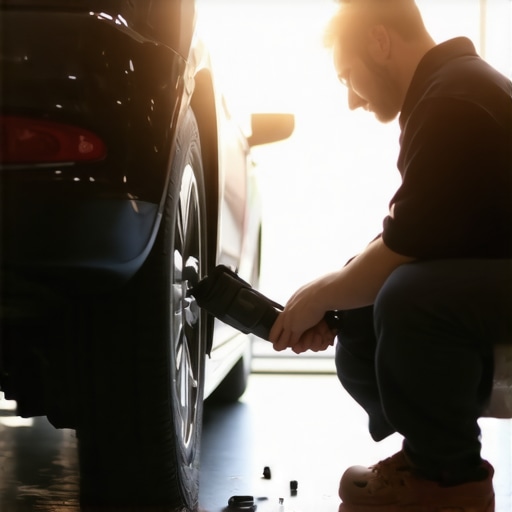
Ever had that gut-wrenching moment when your car’s brakes squeal loudly just as you’re about to turn into your driveway? Or felt that spongy pedal beneath your foot, making you question if your braking system is about to give up? I remember thinking I was perfectly fine until one day, my regenerative brakes started acting up unexpectedly. That realization hit me hard — no mechanic was around, and I needed to figure out what was going on fast. That was my lightbulb moment: I had to understand and inspect the Stop 2026 regenerative brake grind myself.
Why Bother With DIY Brake Inspections? Because Your Safety Depends On It
Let’s be honest; modern braking systems are intricate. While regular maintenance helps, some issues crop up suddenly, and waiting for a technician might not be an option. Plus, a proper DIY inspection can save you time and money, catching problems early before they escalate into costly repairs or safety concerns. Did you know that neglecting brake issues can increase stopping distances by up to 30%, drastically raising the risk of accidents? (source: CollisionRenew) That’s enough reason for me to take control and learn these essential inspection steps myself.
Is Checking Your Regenerative Brakes Actually Worth the Hassle?
When I first heard about the need for inspection, I was skeptical. Wouldn’t I need special tools or skills? Honestly, I made a mistake early on — I tried to diagnose the problem without understanding how regenerative brakes work. Which led to unnecessary panic and wasted effort. But once I learned to focus on observable signs and proper step-by-step checks, everything changed. Now, I feel empowered to keep my vehicle safer and avoid those surprise breakdowns. If you’re like I was, worried about overcomplicating things, rest assured — these DIY steps are straightforward and backed by reliable sources such as auto repair guides and expert tips.
In the next sections, I’ll walk you through the four essential inspection steps to keep your Stop 2026 regenerative brakes in top shape. No fancy tools required—just your hands, eyes, and a bit of patience. Ready to reclaim confidence in your vehicle’s safety? Let’s dive in.
Gather Your Tools and Prepare Your Workspace
Start by parking your vehicle on a flat, stable surface, engaging the parking brake, and turning off the engine. You’ll need basic hand tools like a flashlight, jack, jack stands, and possibly a pry bar. Clean the brake area with a cloth to remove dust and debris, which will help you spot issues more clearly. Remember, safety first: wear gloves and eye protection to avoid injury from brake dust or debris. I once skipped this step, and dust got into my eyes, delaying my inspection but reinforcing the need for proper precautions.
Inspect the Brake Pads and Discs for Wear and Damage
Remove the wheel to expose the brake assembly. Check the thickness of your regenerative brake pads—if they’re less than 3mm, it’s time to replace them. Look for uneven wearing, cracks, or glazing on the pads. Also, examine the brake discs for grooves, warping, or cracks. A quick test: run your finger along the disc surface; if you feel deep grooves or roughness, that indicates uneven wear. I once ignored a small crack on my disc, which led to costly repairs later. Regularly inspecting these parts helps prevent sudden brake failure and improves stopping performance.
Check the Brake Calipers and Hydraulic Components
Calipers should move smoothly and evenly. Use a pry bar or your hand to see if they slide freely; stuck calipers can cause uneven braking or squealing. Look for leaks or corrosion around hydraulic hoses and caliper pistons. An easy method: press the brake pedal gently while observing the calipers; if they don’t move or only partially engage, they might need attention. In my experience, a stuck piston caused my brakes to feel spongy, and cleaning or replacing the caliper restored proper function. This step is crucial—sticking calipers can lead to uneven wear and safety issues.
Test the Brake Sensors and Electronic Components
Since your vehicle uses advanced sensors, check for any warning lights or error messages on the dashboard. Inspect the wiring harnesses connected to brake sensors for fraying or corrosion. If accessible, gently disconnect and reconnect the sensors to ensure good contact. Use an OBD-II scanner if needed to read error codes—these tools can identify issues like sensor misalignment or calibration errors. I once used a scanner that pointed out a misreading sensor, allowing me to recalibrate the system without costly repairs. Regular sensor checks help maintain optimal regenerative brake performance and safety.
Monitor and Document Your Findings
Record the condition of each component—note any wear, damage, or irregularities. This documentation helps track the progress over time and plan maintenance or repairs accordingly. If any issues are identified, prioritize safety by consulting a professional or ordering the necessary parts. Remember, early detection can prevent more severe damage. For complex issues like sensor recalibration or system diagnostics, visit this guide for detailed instructions. Consistent inspection ensures you keep your regenerative brakes in top shape and your driving safe.
Many assume that collision renewal and auto repairs are straightforward, simple fixes. However, there’s a nuanced layer that most overlook, often leading to costly mistakes or incomplete repairs. One prevalent misconception is that sticking to generic procedures suffices; in reality, each vehicle’s systems are intricately designed, requiring a tailored approach. For example, many believe that brake services are universally applicable, but modern vehicles like those equipped with regenerative braking demand specific calibration and diagnostics, such as those outlined in this detailed guide.
A common trap is underestimating the importance of sensor calibration post-repair. Brakes, transmissions, and safety sensors communicate via advanced electronic systems, which can fail to operate correctly if not properly re-calibrated after service. This oversight leads to issues such as false sensor alerts or impaired system responses, a nuance often dismissed by DIY enthusiasts. According to a recent study, improper sensor recalibration can reduce vehicle safety ratings and increase accident risk, emphasizing that calibration isn’t just optional—it’s essential.
Does Your Vehicle’s Computer Need Special Attention During Repairs?
Certainly. Modern vehicles rely heavily on computer-controlled modules that manage everything from engine timing to braking systems. Ignoring their specific needs during repair procedures is a common mistake. For example, failing to update or reset vehicle modules after replacing brake components can cause mismatched sensor readings or sluggish responses. An error in calibration or software updating not only affects safety but may also void warranties. This is why advanced diagnostic tools and expert knowledge are crucial, as highlighted in auto repair strategies that emphasize integrated system checks.
Furthermore, neglecting detailed inspection routines—like checking for hidden frame damage after minor collisions—can result in compromised structural integrity, even if superficial repairs look perfect. CollisionRenew’s approach to thorough diagnostics ensures issues like this are caught early, preventing future complications. For serious repairs, consulting expert resources and specialized techniques, such as those in transmission and brake maintenance strategies, guarantees lasting safety and performance.
In essence, understanding these hidden nuances enhances your ability to perform or oversee repairs effectively. It prevents the costly ‘oops’ of overlooking calibration, software updates, or hidden damages, which can significantly impact vehicle safety and longevity. Have you ever fallen into this trap? Let me know in the comments.
How do I keep my collisionrenew systems working flawlessly over time
Maintaining your vehicle’s collisionrenew, transmission, and brake systems isn’t just about reacting to problems—it’s about proactively managing them with the right tools and routines. I personally rely on a combination of specialized equipment and disciplined maintenance schedules to ensure long-term performance.
One tool I consider invaluable is the OBD-II scanner. Unlike generic code readers, my preferred model is the BlueDriver, which provides comprehensive diagnostics, live data, and sensor readings. It helps me catch calibration drifts or sensor discrepancies early—particularly critical for advanced systems like ADAS, where a misreading can impact safety. Regularly scanning my vehicle every few months allows me to identify and address issues before they become serious risks, aligning with the best practices outlined in CollisionRenew’s maintenance strategies.
Another essential piece of equipment is a high-quality brake rotor and pad gauge. Mine is an analog dial gauge, which I use during monthly checks to monitor wear patterns. This simple step ensures I replace brake components before they’re dangerously worn out, preventing costly repairs and unsafe driving conditions. For critical calibration like that of regenerative brakes, tools such as the VSCAN Pro, which interfaces with vehicle ECUs, help me recalibrate systems after brake pad replacements. Calibration is vital—improper settings can lead to issues like sensor failures or sluggish response.
Beyond hardware tools, software plays a pivotal role. I use specialized diagnostic platforms like OBDeleven for quick, wireless system checks and updates. It’s portable and user-friendly, allowing me to clear error codes and update software without attending expensive dealership sessions. As vehicle electronics become more sophisticated, leveraging these tools is increasingly essential for maintaining optimal performance and safety.
Looking ahead, I predict the trend toward integrated, AI-driven diagnostic tools will intensify. Devices will become smarter at predicting failures based on historical data, much like how predictive maintenance algorithms work in industrial settings. Keeping up with tech innovations like remote diagnostics and firmware updates will be crucial for vehicle owners wanting to stay ahead of potential issues.
What should you do to maintain collisionrenew, transmission, and brake systems long-term?
First, establish a regular inspection routine using reliable diagnostic tools mentioned above. Second, stay vigilant about component wear—use gauges and scanner data to act before parts fail. Third, follow the manufacturer’s service intervals diligently, especially after minor accidents or repairs, to ensure recalibration routines are not overlooked. Finally, consider investing in advanced tools like the digital brake lag fix kit, which can help you address specific issues with regenerative systems and avoid long-term damage. Testing these tools and routines regularly can save you thousands in repairs and improve your vehicle’s safety margins. So, I recommend trying out a calibration device after your next brake pad change—it’s a game-changer in ensuring system accuracy and long-term reliability.
What I Wish I Knew About Collisionrenew Systems Before It Was Too Late
- Calibration is King: I underestimated how crucial proper sensor calibration is after working on regenerative brakes. Missing this step can lead to false error alerts and compromised safety. It’s a lesson I learned the hard way, emphasizing that calibration isn’t just a minor detail—it’s foundational for system accuracy.
- Tools Make All the Difference: Using specialized diagnostic tools like the BlueDriver scanner transformed my approach. Regular scans helped me catch issues early, saving money and ensuring safety. Trusted tools empower DIY enthusiasts to perform meaningful inspections without needing dealership-level expertise.
- Never Overlook Hidden Damage: Post-collision inspections revealed frame misalignments I hadn’t noticed visually. Quick checks with imaging and proper diagnostics prevented future safety risks. This experience reinforced that thorough inspections uncover problems beyond surface appearances.
My Top Picks to Keep Your Car at Peak Safety
- OBD-II Scanners: Devices like the VSCAN Pro help me monitor sensor health and system calibration. They’re reliable, easy to use, and critical for maintaining complex vehicle electronics.
- Brake Wear Gauges: An analog dial gauge ensures I replace brake pads and rotors before dangerous wear occurs. Foreseeing issues with these simple tools helps prevent costly repairs and enhances safety.
- Service Manuals and Guides: Resources like comprehensive repair guides deepen my understanding of system-specific procedures, especially for calibrated components like regenerative brakes.
Here’s How You Can Master Your Vehicle’s Future Risks
If you’re committed to keeping your collisionrenew, transmission, and brake systems reliable, start with regular use of diagnostic tools and stay updated on system calibration needs. Adopting routine checks and leveraging trusted resources will make you more confident and safer on the road. Remember, proactive maintenance and continuous learning can prevent the surprises I faced—saving you time, money, and unnecessary stress. So, why not try out a calibration device after your next brake job? It might just become your new best friend for long-term vehicle health. Have you ever caught a hidden issue early with a simple tool? Share your experience below and inspire others to take control.