
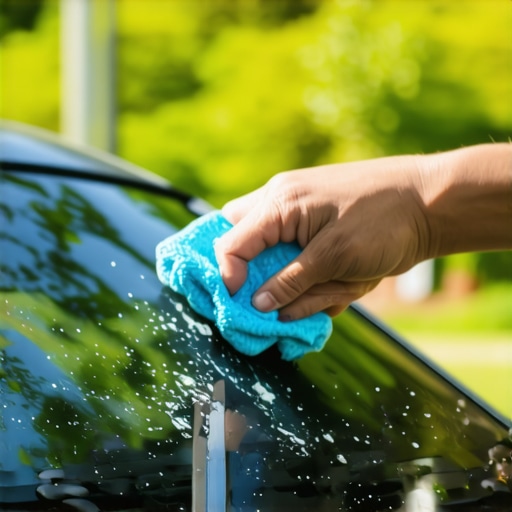
It was one of those bright Saturday mornings when I finally decided to tackle the mountain of chores in my driveway. As I pulled out of the garage, I noticed a stubborn, sticky stain on my windshield. Turns out, it was a blob of tree sap leftover from last season’s trees. I tried wiping it off with my usual glass cleaner—it was a total fail. The more I scrubbed, the more the sap seemed to embed itself, making my visibility poorer than ever. That lightbulb moment hit me hard: I was wasting time and risking safety, all because I didn’t have a proper game plan for tackling sap.
Facing the Sticky Challenge
Tree sap on your windshield isn’t just unsightly; it can compromise your view and safety on the road. If you’re like I was, spending endless minutes scrubbing with no results, you need a smarter approach. Today, I’ll share my tried-and-true methods to remove tree sap efficiently, avoiding the frustration and potential damage that some DIY attempts cause. After all, cleaning your vehicle isn’t just about appearances—it’s about ensuring your safety and preserving your investment.
Is it Really Worth the Effort to Remove Tree Sap?
Early on, I made the classic mistake of using harsh chemical solvents without testing them first. That caused some minor paint damage—something you definitely want to avoid. According to automotive experts, using the wrong cleaning agents can actually harm your car’s finish and reduce its resale value. So, carefully choosing the right products and techniques is crucial.
Now, if you’ve ever faced this sticky predicament and wondered whether investing time into proper removal methods is justified, you’re not alone. The good news is, with the right tools and techniques, you can get rid of tree sap without damaging your windshield or your paint. The key is understanding what works and what doesn’t, and avoiding common pitfalls.
Ready to get that sticky mess off your windshield once and for all? Let’s dive into the practical steps so you can see clearly and stay safe on your next drive. Plus, I’ll recommend some trusted resources for ongoing car care, like comprehensive checks that keep your vehicle running smoothly — because a clean windshield is just the beginning of good maintenance. For more tips, check out [collisionrenew.com](https://collisionrenew.com/essential-car-service-checks-to-extend-your-vehicles-life).
Gather Necessary Supplies and Prepare Your Workspace
Before you start, assemble all your tools: a plastic scraper, microfiber cloths, automotive glass cleaner, rubbing alcohol, a (non-abrasive) soft brush, and a gentle car wash soap. Park your vehicle in a shaded area to prevent quick drying of cleaning solutions, which can cause streaks. Wear gloves to protect your skin from chemicals and to improve grip during cleaning.
Apply a Suitable Solvent to Loosen the Sap
Start by generously spraying the affected area with automotive glass cleaner or rubbing alcohol. These solvents dissolve the tree sap without damaging the glass or paint. I once tackled a stubborn sap spot on my windshield early in the morning; I sprayed it liberally with rubbing alcohol, waited for about 2 minutes, allowing the solvent to penetrate and soften the sap. The sap started to lift, making removal easier. Avoid using harsh chemicals like paint thinners, which can damage the windshield or surrounding paint.
Use a Plastic Scraper to Lift Off the Sap
Gently slide the plastic scraper under the softened sap. Use light, steady pressure to avoid scratching the glass. Think of it as carefully peeling a sticker—your goal is to lift the material without scratching the surface. Once the sap begins to lift, wipe away the debris with a microfiber cloth dipped in soapy water. Repeat the solvent application and scraping as needed, always moving in gentle strokes, until the entire area is clean.
Clean the Area Thoroughly to Remove Residue
After the sap is removed, wash the windshield with car wash soap and water to eliminate any residual chemicals and debris. I recommend a final rinse with clean water and a thorough wiping with a fresh microfiber cloth to ensure clarity. This step prevents streaks and ensures you have a clear view, ultimately improving your safety on the road.
Finish with a Glass Sealant for Extra Protection
If you wish to prevent future sap adhesion, apply a glass sealant or Rain-X-type coating. These products create a hydrophobic barrier, making it harder for sap, dirt, and water to stick. A quick tip: regularly cleaning your windshield and parking in shaded areas reduces sap residue buildup and preserves your visibility.
Tip: Avoid Common Mistakes That Can Damage Your Windshield
Never use metal scraper blades—they can scratch or crack the glass. Also, steer clear of household solvents like acetone or bleach, which can degrade the glass or surrounding paint. Instead, always opt for automotive-specific products designed for glass cleaning and stain removal. If you’re unsure, consult a professional or check out this resource for ongoing vehicle maintenance tips.
Many car owners mistakenly believe that following basic maintenance routines is enough to keep their vehicles running smoothly. However, there’s a lot of nuance and common myths that can lead even seasoned drivers astray. For instance, everyone talks about brake pads as if they’re the only component that matters, but in reality, neglecting the entire braking system, including rotors, calipers, and fluid, can cause premature wear and safety issues. Rushing to replace parts without proper diagnostics often results in unnecessary costs and could mask underlying problems. According to automotive expert Mark Weiss, improper maintenance procedures and ignoring manufacturer specifications are among the top reasons why vehicle repairs fail prematurely. This is particularly true for transmissions, where a small oversight—like ignoring a minor fluid leak—can lead to catastrophic failure, necessitating costly replacements. It’s essential to understand that simple-looking issues might have complex causes, and addressing them requires both knowledge and careful inspection. Don’t fall into the trap of relying solely on visual cues; invest in comprehensive diagnostics to identify root causes before replacing parts. For example, a car that shudders during acceleration might be misdiagnosed, with many assuming it’s a transmission issue when it could be related to engine mounts or fuel system problems, as noted in specialized repair guides. Visiting a trusted service provider like CollisionRenew ensures that advanced diagnostics are performed, preventing costly mistakes down the line. Remember, routine checks and accurate diagnostics are the backbone of long-term vehicle health, especially for critical systems like brakes and transmissions. For more insights into maintenance strategies that extend your vehicle’s lifespan, I recommend reviewing [essential car service checks](https://collisionrenew.com/essential-car-service-checks-to-extend-your-vehicles-life). Always ask yourself if you’re falling for myths like “brakes last forever” or “transmissions repair themselves.” Let’s dig deeper—what mistakes have you made that cost you time or money? Share your experience in the comments. Now, moving beyond basics, let’s explore some secrets experts use to prevent costly repairs and optimize vehicle safety.
Invest in Quality Diagnostics and Maintenance Tools
Being proactive with your vehicle requires precise tools. I personally swear by a high-quality OBD-II scanner like the BlueDriver Bluetooth Pro. It connects seamlessly with my smartphone, providing real-time diagnostics and code descriptions, which saves me hours at the shop. Additionally, a good set of spline and Torx screwdrivers allows me to tackle tasks that involve stubborn panels or trim components without risking damage. For instance, when realigning a misadjusted door latch, I rely on these screwdrivers to avoid stripping screws or harming the latch mechanism.
Maintaining your car over time isn’t just about quick fixes; it involves systematic checks. An infrared thermometer helps monitor component temperatures—useful for ensuring your radiator fan isn’t running too slowly (see here), and a compact multimeter ensures your electrical systems, like sensors and wiring harnesses, are functioning correctly. These tools empower you to catch issues early, preventing costly repairs down the line.
Smart Materials for Regular Care
In addition to tools, I recommend high-grade ceramic brake lubricants like Disc Brake Quiet Ceramic Compound. I apply it meticulously to caliper pins during brake servicing, which prolongs service intervals and prevents squeaking—a common complaint among car owners. Using specialized lubricants designed for automotive applications is crucial because they withstand high temperatures and resist washout, unlike generic greases.
Looking ahead, I predict that vehicle maintenance will integrate more smart diagnostics, possibly via AI-powered apps that monitor component health in real-time. This evolution will make it easier for owners to schedule repairs before issues escalate, leading to safer, more cost-effective vehicle care.
How do I keep my brake system working efficiently over time?
Regular inspections are key. Check brake pad thickness through the rim, ensure rotor surfaces are smooth, and replace brake fluid as recommended—generally every two years. For long-term reliability, I also schedule comprehensive brake checks at least once a year. To dive deeper into brake system longevity, visit this detailed guide. Additionally, using a brake rotor wrench during service helps prevent warping and uneven wear (learn more here).
Don’t forget, proper lubrication and timely replacement of wear components are critical for transmission health too. For practical advice on this front, check out transmission maintenance tips.
Embrace Routine Checks to Preserve Car Performance
The real secret to long-lasting vehicle performance is consistency. Incorporate monthly visual inspections—look for leaks, inspect belts and hoses, and keep fluid levels topped off. Managing these small tasks ensures early detection of potential issues, saving you money and stress. For a comprehensive checklist, feel free to review this resource. Plus, scheduling professional inspections every six months guarantees that no hidden problem escapes notice.
To wrap up, investing in reliable diagnostic tools, using specialized maintenance materials, and maintaining a regular checkup routine are the cornerstones of keeping your vehicle in prime condition. I recommend trying out a Bluetooth OBD-II scanner like the BlueDriver – once you start using it regularly, you’ll wonder how you managed without it.
What a Real Repair Pro Never Tells You About Your Car’s Heartbeat
Over the years, I learned that pushing your vehicle beyond its limits—or neglecting small issues—can turn into costly headaches. My lightbulb moment came when I ignored subtle signs of transmission slipping, only to face a hefty rebuild later. The biggest lesson? Prevention and attention to detail save both your time and money, especially when it comes to crucial components like brakes and transmissions. Fast fixes rarely serve long-term health. Instead, developing a meticulous maintenance routine rooted in quality diagnostics ensures longevity and safety.
My Go-To Arsenal for Car Care Mastery
I trust tools that empower me to catch problems early. The BlueDriver Bluetooth Pro scanner, for instance, gives me instant insights into my vehicle’s health and helps me avoid unnecessary repairs—it’s like having a mechanic in my pocket. For physical checks, a sturdy brake rotor wrench and infrared thermometer are indispensable. Combining these tools with trusted resources like this comprehensive guide has transformed how I maintain my car, ensuring I stay ahead of potential issues.
Now It’s Your Turn: Drive with Confidence
Remember, keeping your car in top shape isn’t just about responding to problems—it’s about building a proactive approach that prevents them altogether. Regular diagnostics, quality materials, and a curious mind are your best allies on this journey. So, I challenge you: what’s one small maintenance habit you can start today that might save you from future headaches? Share your thoughts below, and let’s keep each other moving safely and smoothly on every ride.