
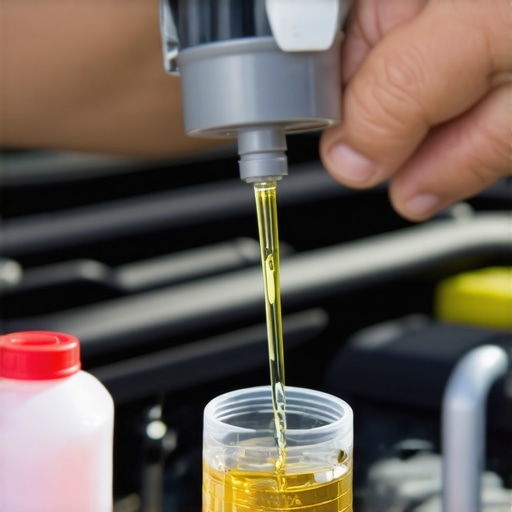
It happened to me during a busy weekday—my car suddenly starts making strange noises, and I panic about what it could mean. After a quick check, I pull out the dipstick, wipe it clean, and insert it again. The oil level? Looks okay, right? Wrong. Later that day, I learned I’d been given a misleading reading entirely, leading me to ignore a creeping issue that could have been avoided with a better check. That’s when I realized—checking your oil isn’t as simple as a quick dip. It requires a few crucial steps to get an accurate reading.
Why Your Oil Level Reading Might Be Lying to You
Understanding how to correctly check your oil can be the difference between a healthy engine and a costly repair. A false reading might make you think everything’s fine when, in fact, your car could be running low or overfilled. Early on, I fell into the trap of assuming my oil was okay simply because the dipstick showed a decent level. But I overlooked that oil might have been contaminated, or that the engine’s temperature and oil distribution can skew the results.
Did you know that incorrect oil level readings are a leading cause of engine issues? According to automotive experts, overfilling or underfilling your engine oil can lead to reduced lubrication, increased engine wear, and even complete failure. So, knowing the right way to check your oil isn’t just about avoiding inconvenience—it’s about protecting the heart of your vehicle.
Before I got serious about this, I made the mistake of checking my oil immediately after turning off the engine, which often led to false readings. Once I adopted a more meticulous approach, I felt more confident on the road and avoided unnecessary visits to the auto repair shop.
Are you tired of guessing whether your engine oil levels are truly okay? If so, stick with me. Next, I’ll walk you through the practical steps that help you get an accurate oil reading every single time, ensuring your car stays reliable and your engine healthy. For deeper insights into vehicle maintenance and how to extend your car’s lifespan, check out [essential car service checks](https://collisionrenew.com/essential-car-service-checks-to-extend-your-vehicles-life). Let’s get to the practical part that can save your engine and your wallet.
Prepare Your Vehicle for a Precise Oil Check
Start with a cold engine for the most accurate reading, as the oil has settled back into the sump. Park your car on a level surface; think of it as ensuring a flat scale before weighing yourself—uneven ground skews results. Wait at least 5 minutes after turning off the engine so the oil circulates back, avoiding false lows or highs.
Locate and Understand Your Dipstick
Find the dipstick, typically bright-colored and easily accessible under the hood. Remove it carefully, holding it horizontally to prevent oil from dripping onto engine components. Familiarize yourself with markings indicating low and full levels; these are your guides. I once fumbled while checking my oil on a busy morning, only to realize I had mistaken the low mark for full—an embarrassing but valuable lessons in attention to detail.
Wipe and Reassess for Accuracy
Use a clean rag or paper towel to wipe the dipstick thoroughly, removing all oil for a clear reading. Insert it fully back into its tube, ensuring it seats properly. Then, pull it out again to check the level. A common mistake is to read the oil immediately after wiping; wait a moment for the oil to settle. During one instance, I rushed this step and misread the oil level, risking overfilling. Patience is key.
Read Between the Lines
Observe where the oil film lines up on the markings. The ideal level lies between the low and full indicators. For granularity, hold the dipstick at eye level and tilt it slightly—like a thermometer—so you can see the oil’s surface clearly. Remember, too much oil can be as harmful as too little, causing foaming and engine damage, similar to overfilling a water balloon until it bursts. Checking regularly helps catch leaks or consumption issues early.
Assess Oil Quality and Condition
Beyond level, evaluate the oil’s appearance. It should be translucent amber; if it’s dark, gritty, or smells burnt, consider a change. During a quick check, I noticed my oil had turned very dark sooner than expected—time for an oil change. Properly maintained oil keeps your engine smooth, much like blood flowing healthily in your body. If unsure, consult your vehicle’s manual or visit a service center—sometimes, a professional eye catches what you miss.
Incorporate these steps into your routine, and you’ll move from guesswork to confidence, avoiding potential engine issues. Regular checks are like medical check-ups; they prevent minor problems from turning into costly repairs. For specific maintenance routines, like inspecting your transmission or brakes, explore these essential care tips.
When it comes to collision repair and auto service, many car owners operate under misconceptions that can lead to costly mistakes. One widespread myth is that all auto repair shops offer the same quality of service, but in reality, the expertise and focus areas vary greatly among providers. For example, some shops might excel in collision renewal strategies, restoring a vehicle’s appearance and structural integrity, while others specialize in transmission overhaul or brake system upgrades. Recognizing these differences ensures you get the right service for your vehicle’s needs. Another common misunderstanding is that regular maintenance isn’t crucial if your car seems to run fine. However, expert insights show that proactive checks—like assessing your transmission health or brake fluid condition—can prevent minor issues from escalating into major failures, which can be costly and dangerous. A subtle trap to avoid is assuming that cheaper parts and repairs always save money. In fact, cutting corners often results in longer-term expenses, especially if substandard components compromise safety or longevity. Consulting trusted resources, such as detailed guides on transmission repair tips or brake service standards, can inform smarter decisions and extend your vehicle’s lifespan. What’s more, many drivers underestimate the importance of nuanced maintenance routines that are tailored to their specific models. For example, understanding the real reasons behind uneven tire wear or unusual engine odors can indicate deeper problems, like misaligned suspensions or faulty sensors. Delving into these advanced aspects elevates your knowledge beyond basic care. How do you distinguish between superficial fixes and comprehensive repairs? The answer lies in engaging with experts who prioritize transparent communication and thorough diagnostics, often emphasizing strategies like realigning sensors after minor impacts or inspecting for hidden frame damage following low-speed collisions. These attention-to-detail practices, supported by expert studies, significantly reduce the risk of future breakdowns. To sum up, fixing misconceptions about auto repair and understanding hidden nuances empowers you to make better decisions, saving money and increasing safety. Regularly consulting cornerstone content—such as [this comprehensive guide to auto repair](https://collisionrenew.com/the-ultimate-guide-to-auto-repair-keep-your-car-running-smoothly)—alongside thematically related articles about transmission or braking system maintenance, enhances your knowledge base. Remember, the key to longevity is not just fixing issues as they arise but anticipating and preventing potential problems with expert guidance. Have you ever fallen into this trap? Let me know in the comments.
Mastering Your Vehicle Maintenance Toolbox
When it comes to keeping your car in top shape, having the right tools makes all the difference. For my personal projects, I rely on a high-quality set of mechanics tools like a professional-grade socket wrench set and a digital multimeter. These allow me to diagnose electrical issues accurately and perform transmission fluid checks with confidence. Investing in a reliable jack and jack stands ensures safety during suspension inspections or brake work, which are critical for long-term vehicle reliability.
Why I Trust Specific Equipment
I personally prefer a digital infrared thermometer for checking engine and transmission temperatures. This helps me identify overheating issues before they escalate, without guesswork. I also use a magnetic inspection scope to peek into hard-to-see engine components, making early diagnostics more feasible. For software, I recommend OEM-specific diagnostic scan tools because they provide comprehensive codes and live data—crucial for diagnosing complex transmission and brake system problems. These tools help me ensure my vehicle’s systems are functioning harmoniously over the years, aligning with top transmission repair strategies.
Tools That Grow With Your Skills
As I gain more experience, I incorporate advanced diagnostic software like OBD-II scanners with extended coverage and data logging features. These enable me to monitor my vehicle’s health over time, pinpointing trends that could indicate impending issues. For example, a persistent drop in transmission fluid temperature or unusual engine sensor readings can be spotted early, allowing for proactive maintenance. I also utilize a dedicated brake caliper piston compressor to facilitate brake service efficiently, reducing wear on parts and avoiding costly repairs. Future trends in auto repair tools include wireless diagnostic devices, which will make monitoring and troubleshooting even more seamless.
How do I maintain transmission and brake systems over time?
Consistent fluid checks and replacements are paramount. I recommend following manufacturer guidelines but also supplementing with expert insights from essential maintenance routines. Regularly inspecting brake pads and rotors with a high-resolution ultrasonic thickness gauge ensures safety without surprises. Using a dedicated transmission fluid pump for precise fluid refills prevents overfilling, which can cause foaming and damage. As I’ve learned, employing specialized tools designed for these tasks leads to longer-lasting component performance and less frequent visits to the auto repair shop.
Strategies for Sustainable Repairs and Scaling
Scaling your repair efforts involves not only acquiring advanced tools but also establishing a systematic maintenance routine. Modular storage systems help organize your equipment, making it easier to access the right tool for transmission overhauls or brake job inspections. Additionally, maintaining a detailed service log linked to diagnostics and repairs helps track component wear and plan preventive maintenance. I foresee a future where integrated AI-driven diagnostics collaborate with hardware tools to predict failures before they happen, transforming DIY approaches and professional repair alike.
If you’re serious about extending your vehicle’s longevity, start with a precision transmission fluid check using a dedicated pump and a quality scan tool. These investments pay for themselves by reducing repair costs down the line. Want to learn more about comprehensive auto maintenance? Visit this detailed guide and elevate your repair game today.
What My Breakthrough Moments Taught Me About CollisionRenew
One of the toughest lessons I learned was that even experienced DIY enthusiasts can overlook small details, leading to bigger issues. I realized that relying solely on visual cues without understanding the nuances—like oil viscosity changes or subtle transmission noises—can cost more in repairs later. Embracing continuous learning and staying curious about my vehicle’s behaviors transformed my approach from reactive to proactive. Every misstep became an opportunity to deepen my knowledge, especially after discovering how precise transmission fluid checks can extend component life.
Another insight was recognizing the value of patience. Skipping steps, such as rushing the oil check or ignoring the engine’s temperature, only masks underlying problems. Taking the time to use quality tools and following expert-recommended routines, like those in essential maintenance routines, has paid dividends—saving me from costly repairs and breakdowns.
Most importantly, I learned that understanding the ‘why’ behind maintenance routines empowers you. When I learned how over- or under-filling transmission fluid can lead to slippage or overheating, I took ownership of my vehicle’s health. This knowledge shifted my perspective, making me appreciate the importance of thorough diagnostics and tailored repairs, supported by reputable professionals specializing in top transmission repair practices.
Why Investing in the Right Tools Shapes Your Auto Future
Over the years, I discovered that having a dedicated set of high-quality repair tools—like a reliable scan tool and precision brake caliper piston compressor—makes all the difference. These aren’t just gadgets; they’re game-changers that boost confidence and accuracy during complex repairs. Trustworthy brands like Snap-On or Bosch stand out because of their durability and precision, guiding me through tricky transmission diagnostics and brake system inspections with ease.
I’ve also found that tools supporting smart diagnostics, such as Bluetooth-enabled OBD-II scanners with data logging, help me monitor trends and catch potential issues early. Pairing these with online resources, like comprehensive auto repair guides, creates a powerful personal maintenance ecosystem that keeps my vehicle running smoothly.
Gradually investing in versatile equipment and nurturing my skills keeps the journey exciting and sustainable. This approach allows me to tackle transmission or brake repairs confidently, reducing reliance on costly shop visits and enabling me to act swiftly when problems arise.
Ignite Your Drive to Maintain Your Vehicle Well
Now, it’s your turn to embrace these insights and take charge of your auto maintenance routine. With the right knowledge, tools, and attitude, you can transform your vehicle care from a dreaded chore into a rewarding hobby. Think of every bolt you tighten or fluid you check as an investment in your car’s future and your peace of mind. Don’t wait for a breakdown—start today, and enjoy the journey of keeping your car in peak condition.
As you consider improving your maintenance game, ask yourself: What small step will you take this week to better understand your vehicle? Share your plans or experiences below—your story could inspire someone else to begin their own automotive mastery.