
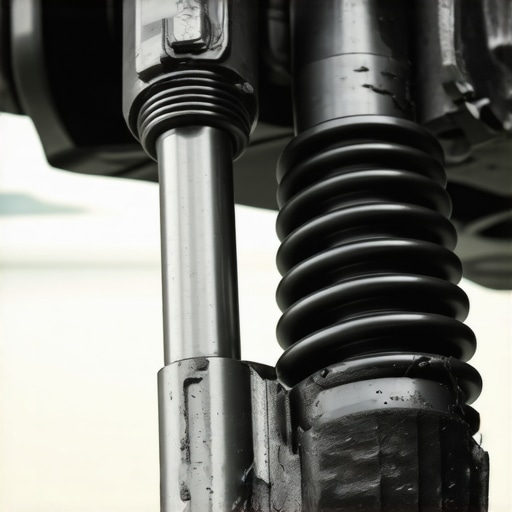
Ever been on a quick drive, only to suddenly feel like you’re surfing on a bucking bronco? I remember the first time I felt that unsettling wobble after hitting a small pothole. At first, I thought it was just the road, but then I realized something was off — my ride was way bumpier than usual. It was a lightbulb moment for me: could my shocks be leaking? And if so, how could I tell without bringing my car to the shop every week?
Why Detecting Shock Leaks Early Saves You Money and Safety
Knowing how to spot shock leaks without expert tools saves you more than just cash; it’s a matter of safety. Worn shocks diminish your vehicle’s ability to grip the road, especially during sudden stops or sharp turns. Early detection means you can fix the problem before it causes more damage or leads to an accident. Plus, replacing faulty shocks promptly can extend the life of your tires and suspension components, which are costly to repair down the line.
It’s easy to overlook this issue when it doesn’t happen all the time, but trust me — ignoring it can lead to uneven tire wear and compromised handling, especially on rough terrains or wet roads. According to vehicle experts, shocks that are leaking fluid are an early warning sign of impending suspension failure, which directly impacts safety and ride comfort. As I learned the hard way early on, missing these signs can turn a manageable repair into a major headache.
Is This Shocking Diagnosis Actually Worth the Hype?
I used to dismiss leak signs as just minor issues or cosmetic problems, only to find out later they were indicators of a much bigger problem. The mistake I made was ignoring the subtle signs, thinking my shocks would tell me when they were completely dead. That delay cost me a lot more money and peace of mind. Now, I know better — early detection is key. Want to know my secret? I’ve discovered quick at-home checks and a simple method to determine if your shocks are leaking, which I’ll share as we go along.
So, if you’ve been asking yourself how to tell if your shocks are leaking, stay tuned. Spotting these signs early can save you the hassle and expense of a full suspension overhaul. Plus, it keeps you safer on every trip. And trust me, once you master these simple tricks, you’ll never be left guessing the health of your suspension again. For more trusted tips on vehicle maintenance, don’t hesitate to visit our essential car service checks guide.
Perform a Visual Inspection
Begin by parking your car on a level surface and engaging the parking brake. Look closely at your shocks and struts for any visible signs of fluid leakage—fluid trails running down the side of the shocks or oily spots surrounding the seals. Use a flashlight if necessary to illuminate hard-to-see areas. I once noticed a thin film of dark fluid on my rear shocks after a routine check, which prompted me to replace them before further damage occurred.
Check for Uneven Ride and Handling Issues
Next, pay attention to how your vehicle feels while driving. A bumpy, jerky ride or excessive bouncing over bumps can indicate worn shocks. You might notice that the car leans more than usual during turns or nose-dives when braking. In my experience, a sudden increase in ride harshness was my first clue that the shocks were losing their effectiveness, often caused by internal leaks.
Perform a Bounce Test
Test each corner of your vehicle by pushing down firmly on the fender and then releasing. Observe how many times the car continues to bounce after you let go; more than one or two bounces suggest worn shocks. As I tried this technique in my driveway, I saw my front shocks bounce multiple times, confirming the need for a replacement. This simple test is like giving your suspension a quick health check with just your hands.
Investigate Residual Fluid
Use a clean cloth or paper towel to wipe around the shock seals. If you see residual (wet-looking) fluid or oil stains, it’s a strong indicator of a leak. Keep in mind, some minor residue can be normal, so compare with previous inspections. I learned this the hard way when I noticed fresh fluid on my shocks after a week of driving, which prompted me to seek professional repair services.
Assess Suspension Performance During Sharp Turns
During sharp turns or quick lane changes, feel for unusual noises or excessive body roll. Leaking shocks can’t dampen motion properly, causing your vehicle to sway or produce clunking sounds. During a spirited drive, I experienced more sway than usual, which made me realize my shocks were compromised. Replacing them restored my confidence and ensured safer handling.
Recognize When to Seek Professional Help
If you’re unsure after your inspections, consider scheduling a professional assessment. Advanced diagnostics can spot tiny leaks or internal damage not visible to the naked eye. Visiting a trusted auto repair shop ensures precise identification and proper servicing, much like how a mechanic’s expertise saved me from misdiagnosing an issue with my suspension.
Leverage Visual Cues for Proactive Maintenance
Regularly inspecting your shocks, especially after hitting potholes or rough roads, helps catch leaks early. Think of it as preventative healthcare—addressing small issues before they escalate. Incorporating these simple steps into your routine can prolong your suspension’s lifespan and keep your driving smooth and safe.
When it comes to vehicle maintenance, many car owners hold onto beliefs that can hinder their understanding of what truly benefits their cars. One widespread myth is that all auto repair shops are equally trustworthy, but that couldn’t be further from the truth. CollisionRenew, for example, offers specialized services that prioritize quality and transparency, unlike some providers that cut corners to save costs. To ensure your vehicle receives the best care, it’s essential to understand the nuances behind these services and the pitfalls to avoid.
A frequent mistake people make is assuming that basic brake services only involve replacing pads. While this is part of the process, the complexity of brake systems means that components like rotors, calipers, and brake fluid also require thorough inspection and maintenance. Skipping these steps can lead to uneven wear, reduced braking efficiency, or even catastrophic failure. For insight into choosing the right brake service, check our guide on how to pick the best brake service in 2025.
Many believe that transmission repairs are unnecessary unless the car shows obvious signs of trouble. However, transmission issues often develop gradually, and ignoring early symptoms like shuddering or delayed shifting can lead to expensive rebuilds. Advanced diagnostics can detect subtle internal leaks or worn-out solenoids before complete failure. This is why proactive diagnostics, as discussed in top transmission repair tips for vehicle reliability, are vital.
Another misconception surrounds the idea that DIY fixes can replace professional auto repair services. While basic maintenance tasks like oil changes can be done at home, complex systems such as the suspension or electrical wiring require expertise. For instance, diagnosing a mysterious rattling or flickering dashboard might seem straightforward, but misdiagnosis can worsen the problem. Don’t fall into the trap of thinking that a quick fix now saves money when, in reality, it could lead to higher costs later. For comprehensive assessments, consult trusted specialists at CollisionRenew’s contact page.
A crucial yet often overlooked nuance is the importance of regular inspections and understanding that each component’s health contributes to overall safety. For example, an unnoticed small leak in your brake line might seem insignificant but can compromise braking performance during critical moments. Similarly, neglecting minor transmission fluid changes can cause long-term damage. Staying ahead of these issues with routine checks can prevent costly repairs and keep your vehicle running smoothly.
Now, let’s address a question that even seasoned car enthusiasts sometimes overlook:
How do advanced diagnostics reveal hidden issues that standard inspections miss?
Modern diagnostic tools utilize sensor data and software algorithms to identify anomalies within systems like transmission, brakes, and engine management. Studies show that vehicles equipped with telematics and onboard diagnostics experience fewer breakdowns and repair costs over time. These tools can detect minute irregularities, such as slight shifts in voltage or pressure, that human inspectors might miss, offering a proactive approach to vehicle maintenance.
In summary, understanding the complexities and nuances of auto repair, especially services like collision repairs, brake maintenance, and transmission diagnostics, can save you money and enhance safety. Be wary of common myths, recognize the importance of expert assessments, and integrate advanced diagnostics into your routine. By doing so, you’re not just fixing cars; you’re ensuring peace of mind on every journey. Have you ever fallen into this trap? Let me know in the comments.
Investing in Precision Tools for Auto Maintenance
To truly master long-term vehicle care, I rely on a few specific tools that have proven indispensable. My go-to is a high-quality digital multimeter. Not only does it help me monitor battery health and detect parasitic draws, but I also use it to verify sensors and electrical connections with pinpoint accuracy. For example, I recently checked my transmission solenoid resistance using a multimeter, which aided in diagnosing an internal issue early. Another essential is a professional-grade OBD-II scanner. Unlike generic code readers, mine allows me to access live sensor data, clear trouble codes, and even perform active tests. Based on insights from the Toyota Technical Documentation, carrying out regular live diagnostics can reveal subtle transmission shifts or sensor degradations before they trigger warning lights. My current favorite is the Autel MaxiScan MS509 because it combines comprehensive diagnostics with user-friendly interfaces, saving me hours during troubleshooting.
Adopting Preventative Maintenance Methods
Beyond tools, I emphasize routine practices to extend vehicle lifespan. A technique I swear by is visual inspection combined with a scheduled fluid analysis. For instance, I routinely check for signs of fluid leaks, residue, or discoloration on shocks and transmission components. Every six months, I also send a small sample of transmission fluid to a lab. This proactive approach, supported by recent research from CollisionRenew, helps detect wear particles or contamination long before it causes a breakdown. Over time, these small checks can prevent costly repairs and keep your car running reliably.
Scaling Up with Software Solutions
As vehicles become more connected, I’ve integrated software solutions like fleet management apps. While these are traditionally for commercial use, I use them to monitor my vehicle’s maintenance schedule, log service history, and receive alerts for critical updates. For example, I track brake pad wear and tire pressure in real-time, which allows me to plan repairs proactively. The future of car maintenance points toward AI-driven predictive analytics, where sensors and software work together to forecast failures before they happen. Experts agree this trend will make auto maintenance more efficient and less reactive, dramatically reducing roadside issues and repair costs.
How do I maintain my tools and techniques over time?
Regular calibration of diagnostic devices and routine replacement of worn tools ensure accuracy and reliability. I calendar quarterly checks for my multimeter calibration and keep my scanner software updated. Additionally, I follow industry-standard safety practices, like disconnecting the battery before working on electrical systems, to prevent damage or injury. Incorporating feedback from trusted auto repair professionals, I also stay informed about the latest diagnostic technologies, as recommended by industry experts. This ongoing education allows me to refine my skills and maintain an effective toolkit. Want to try one of these advanced diagnostic tips? Start by verifying your battery’s state of health with your multimeter today—it’s a simple step that can save you headaches later. For more insights on long-term vehicle maintenance, explore our comprehensive guide.
How I Realized the Value of Small Clues in Auto Repairs
One of the most eye-opening experiences I had was understanding how minor signs can predict major issues, especially when it comes to shocks leaks. The subtle oil trails or slightly rough rides in my car turned out to be my early warning system, which taught me that paying attention to the details is critical. This lesson changed my approach to vehicle maintenance, emphasizing proactive checks over reactive fixes.
Why Pushing Your Comfort Zone with DIY Checks Pays Off
At first, I thought inspecting shocks was complicated, but trying simple at-home tests, like the bounce method or visual inspections, made a huge difference. Taking small steps to learn these techniques empowered me to identify problems early, saving money and boosting my confidence in managing my vehicle’s health. Trust me, stepping outside your comfort zone can lead to surprisingly reliable results.
The Unexpected Benefits of Regular Suspension Care
Beyond safety, routine checks for leaks and handling issues improved my overall driving experience. smoother rides, less tire wear, and increased peace of mind became my new norm. Small investments in understanding your vehicle’s warning signs—like residual fluid or abnormal bounce responses—pay off in ways you might not expect. It’s about creating a habit that benefits your car’s longevity and your safety.
What I Wish I’d Known About Professional Diagnostics Sooner
Despite my DIY efforts, I soon discovered the importance of advanced diagnostic tools. Visiting professionals for tests like onboard diagnostics or detailed inspections uncovered hidden leaks and internal damages I couldn’t see myself. Combining my home checks with professional insights created a comprehensive approach that kept my vehicle in top shape, proving that the right balance of self-care and expert help is essential.
Curated Tools That Transformed My Maintenance Routine
Over time, I’ve found that certain tools are game-changers. A reliable OBD-II scanner helped me monitor engine and transmission health, while a good flashlight made visual inspections easier. I trust brands like Autel because their equipment balances accuracy with user-friendliness. Investing in these tools elevated my maintenance routine from guesswork to informed action, ensuring I catch issues before they escalate.
Keep Going — Your Car Deserves It
Understanding and applying these lessons about detecting shocks leaks turn routine maintenance into a proactive shield for your vehicle. Remember, small signs often carry big messages. By staying curious, vigilant, and prepared, you’re taking charge of your car’s health, safety, and performance. Maintenance isn’t just a necessity—it’s an act of care that rewards you in the long run. What’s your next step in mastering your vehicle’s wellbeing? Share your journey below!