
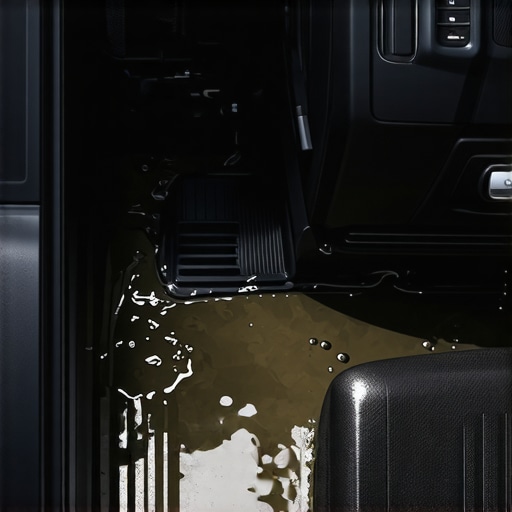
I remember the exact moment I discovered the cause of a stubborn puddle forming in my passenger footwell. It was after a long drive, and as I slipped my feet inside the car, I noticed a dampness that wasn’t there before. At first, I thought it was just spilled water or maybe a leaky cup bottle, but the moisture kept coming back, stubborn as ever. That lightbulb moment? I realized it wasn’t a simple spill. There was a hidden cause lurking behind my dashboard, quietly seeping water into places it shouldn’t be.
Why a Puddle in Your Passenger Footwell Isn’t Just a Small Problem
This isn’t just about a wet carpet; it’s a sign that something might be seriously amiss in your vehicle’s health. Water intrusion can lead to mold, rust, and electronic failures, all of which can compromise your safety and the longevity of your car. I found out the hard way that ignoring this issue can turn minor inconveniences into costly repairs. Experts agree that addressing water leaks early not only saves money but also keeps your vehicle’s internal systems in top shape. Did you know that water damage is among the most common reasons for electrical system failures in cars? (Source: Collision Renew’s guide) This realization motivated me to dig deeper, not just to patch up the carpet but to find the root of the leak.
Could This Be a Waste of Time or Is It Worth Fixing?
If you’ve ever tried fixing what seems like a minor leak without understanding its cause, you know how frustrating it can be. I mistakenly believed a quick sealant application would solve everything early on, only to discover that the leak persisted. That was a mistake I learned from — a reminder that proper diagnosis is essential.
Now, I’ll walk you through the common reasons behind that sneaky puddle and how to identify the real culprit. Ready to put an end to your damp passenger footwell once and for all? Let’s get started with the telltale signs and initial inspections that can save you a lot of trouble (and money!).
If you’ve been facing this problem or suspect there’s more than meets the eye, keep reading. The solution isn’t as mysterious as it seems, and fixing it can protect your car’s interior and your peace of mind. And if you’re unsure where to start, check out our comprehensive guides on auto repair basics or contact professionals for expert assistance at Collision Renewal. Now, let’s uncover the hidden cause behind that persistent leak.
Identify the Source of the Leak
Start by inspecting the area around the windshield and sunroof seals. Use a flashlight to look for cracks, tears, or gaps, especially in places where water might seep through during rain or car washes. I once used a bright LED flashlight to shine around the dashboard during a gentle spray of water from a hose. When water seeped inside near the windshield pillar, I realized the seal was compromised. Clear visual cues like warped rubber or accumulated debris can also indicate where water is entering.
Perform a Water Test
Park your vehicle on a level surface and pour water systematically over suspect areas—such as the windshield, sunroof, or door seals—using a hose or spray bottle. Have someone inside with a towel or paper towels to feel for moisture. This test confirms whether the seals are allowing water in or if other parts of the drainage system are blocked. Remember, this process is akin to testing a leak in a dam—you need to target specific points to locate the breach effectively.
Check Drainage Channels and Clogs
Drainage systems like sunroof drains and cowl drains are crucial for directing water away from your interior. Locate these channels—often accessible under the hood or inside the wheel wells—and clear any obstructions. Use compressed air or flexible wire to dislodge debris. I once found a clogged sunroof drain filled with leaves and dirt, causing water to overflow into the footwell. Regularly cleaning these drains prevents water buildup and subsequent leaks.
Replace or Repair Damaged Seals
If visual inspection or water testing reveals compromised weatherstripping or sealant, replace the faulty components. Use automotive-grade weatherseal adhesive or replace entire gaskets. For instance, I replaced the windshield seal on my car after noticing small cracks that let in water during heavy rain. Ensure the surface is clean and dry before applying new seals to guarantee a tight fit and prevent future leaks.
Control External Factors
Limit water exposure during cleaning or heavy rainfall by parking your vehicle in a garage or under cover. Installing a sunroof drain hose extension or adding sealant around problematic areas can also offer extra protection. In my experience, sealing minor gaps with a high-quality rubberized sealant bought from an auto parts store proved effective in preventing recurring leaks.
Verify Fixes with Repeat Tests
After repairs, repeat the water test to ensure the problem is resolved. If water still enters, revisit previous steps—clogged drains or damaged seals may have been missed. Consistent testing like this is similar to a doctor checking vital signs after treatment, ensuring that the fix is effective and lasting.
By following these definitive steps, you’re effectively acting like a mechanic diagnosing a complex problem—methodically eliminating potential causes until the source is identified and rectified. This hands-on approach saves money and prolongs your vehicle’s lifespan, making you less dependent on professional services for minor leaks. For more insights on maintaining your car’s health, explore auto repair basics or contact experts at Collision Renewal for specialized assistance.
Many car owners assume that professional auto repair services like CollisionRenew simply follow generic procedures, but in reality, there’s a deeper layer of nuance most people overlook. One widespread myth is that all auto repair shops are equally reliable—yet, the truth is that their expertise varies significantly, especially in specialized services such as brake repair and transmission work. For example, some shops might recommend cheap parts or quick fixes that don’t address underlying issues, leading to recurring problems and costly repairs down the line.
Another misconception revolves around the timing of maintenance. Many believe that auto services are only necessary when something breaks, but in fact, regular preventative checks—like those in our essential car service guides—can prevent minor issues from escalating. Skipping these can result in damage to critical components such as your transmission or brake system, which might seem insignificant initially but can lead to dangerous driving conditions if neglected.
One common oversight involves the false belief that brake pads and rotors last indefinitely. However, aggressive driving, harsh conditions, and poor maintenance can cause premature wear. Knowing when to replace these parts is crucial for safety; many drivers wait until a warning light appears, but proactive inspection often reveals wear before it becomes a problem. Our latest brake service insights shed light on how to spot these signs early.
Advanced technicians understand that diagnosing issues like a slipping transmission or uneven tire wear requires more than surface-level inspections—they utilize diagnostic tools and a keen ear for subtle sounds. For instance, a humming noise from the rear could indicate a failing differential or worn-out CV joints—problems that are easily misdiagnosed by less experienced mechanics. Recognizing such nuances can save you from unnecessary replacements and expenses. For in-depth tips, visit transmission repair strategies.
Are Some Repair Practices Actually Counterproductive? Let’s Dig Deeper
Stay cautious of shops pushing unnecessary upgrades or part replacements, especially if they lack proper diagnostic evidence. It’s tempting to opt for the newest technology or premium parts, but sometimes, a simple repair or a standard service is sufficient and more economical. Experts emphasize that understanding the subtle signs of car health—like abnormal engine temperature fluctuations or steering response—can help differentiate between symptoms that require urgent attention versus those that are benign. For a comprehensive look into maintaining your vehicle’s longevity, check out auto repair basics.
In essence, knowing what most people get wrong about CollisionRenew and auto repair comes down to recognizing the importance of expert diagnosis, preventive maintenance, and realistic expectations about service needs. By staying informed and cautious, you can avoid common pitfalls that lead to unnecessary expenses or safety risks. Have you ever fallen into this trap? Let me know in the comments.
Essential Tools for DIY Car Maintenance
When it comes to maintaining your vehicle, having the right equipment can make all the difference. Personally, I rely on a high-quality digital multimeter to quickly diagnose electrical issues, ensuring my car’s system functions correctly and saving me time and money. A reliable torque wrench is indispensable for correctly tightening bolts during brake repairs or suspension work, preventing over-tightening that could cause damage. Additionally, an infrared thermometer helps me monitor engine and transmission temperatures without opening the hood repeatedly, allowing for precise diagnostics. Investing in these tools has empowered me to handle routine checks and minor repairs confidently, extending the lifespan of my vehicle.
Streamlining Maintenance with Effective Software
Beyond physical tools, software plays a crucial role in my car maintenance routine. I use diagnostic scan tools compatible with OBD-II systems, which connect to my smartphone via Bluetooth. These tools provide real-time data on engine health, fault codes, and sensor readings, enabling me to identify issues early. For example, if the check engine light flashes, a quick scan helps pinpoint the problem without guesswork. Up-to-date maintenance apps also remind me of upcoming service intervals, such as oil changes or transmission checks, ensuring I stay on top of preventive care. These digital resources contribute to a proactive approach that minimizes downtime and reduces repair costs.
Methods That Keep Your Vehicle Running Smoothly
Consistent maintenance practices are fundamental. I follow a strict schedule for oil changes, transmission fluid replacements, and brake inspections, informed by guidelines from our essential car service checks. Regularly inspecting and replacing filters prevents clogging and ensures optimal engine performance. Flushing the cooling system periodically averts overheating issues, especially during the hot summer months. When performing these tasks, I make sure to use manufacturer-approved parts and fluids, which can significantly prolong the effectiveness of repairs. Keeping a detailed maintenance log helps me track what has been done and plan future services, reducing the risk of unexpected breakdowns.
The Future of Car Upkeep and Technology Integration
Looking ahead, I believe the trend is moving towards more integrated,智能 diagnostic tools and remote monitoring systems. Vehicles are increasingly equipped with telematics that alert owners to potential issues before they become serious, much like how advanced health trackers warn users of pending health concerns. Moreover, AI-driven maintenance scheduling will continue to optimize when and how repairs are performed, minimizing costs and downtime. Staying ahead in auto care means embracing these emerging technologies, making preventive maintenance smarter and more efficient. For now, I recommend trying out a diagnostic scanner that’s compatible with your vehicle, as it can reveal critical insights that help you make informed decisions about repairs and upkeep.
How do I maintain my car’s performance over time?
To keep your vehicle running smoothly, establish a regular maintenance routine driven by diagnostic tools like OBD-II scanners, and supplement with software apps that track service history and alert you to upcoming needs. These methods not only prevent minor issues from escalating but also optimize your car’s lifespan. For detailed strategies on maintaining your car’s health, explore our auto repair guides. Remember, proactive care today prevents costly repairs tomorrow. Don’t hesitate to invest in quality tools and stay informed—your car and wallet will thank you. Want to take your self-maintenance to the next level? Try using an infrared thermometer during routine checks to monitor engine and transmission temperatures, ensuring your vehicle operates within safe ranges and catching potential problems early.
Lessons that Changed My Approach to Auto Repairs
- Never underestimate the power of a thorough inspection; a small leak can hide behind complex systems, and rushing to patch it without diagnosis almost always leads to recurring issues.
- Tools matter—investing in quality diagnostic tools and proper cleaning supplies turned my DIY endeavors from guesswork to precision, saving me time and costs.
- Understanding the vehicle’s drainage pathways and seals is crucial; a clogged sunroof drain or worn-out weatherstripping can cause leaks that mimic more serious problems.
- Patience pays off—comparing water test results over time and revisiting suspect areas ensures that the fixes are effective and lasting.
- Learning when to seek professional help saves headaches—recognizing my limits and consulting specialists like Collision Renewal prevented further damage and costly repairs.
Tools and Resources That Made a Difference
- OBD-II Diagnostic Scanner — For quick fault code readings and real-time engine data, I rely on tools like the Autel MaxiScan to catch issues early and plan repairs efficiently.
- High-Quality Sealant and Weatherstripping — Using automotive-grade materials from brands I trust ensures a tight seal, preventing future leaks after a simple replacement.
- Cleaning Brushes and Drain Probes — Tools designed specifically for clearing clogged drains helped me maintain clear pathways for water to discharge properly.
- Reliable Auto Maintenance Guides — Resources like our comprehensive auto repair guide help me understand preventative steps and troubleshooting techniques for various issues.