

It was a chilly Saturday morning when I finally decided to tackle the mess in my car, only to find the passenger side carpet drenched. The sogginess came out of nowhere—one minute, everything was dry; the next, I was sitting in a small puddle. That lightbulb moment made me realize how common this nightmare is among vehicle owners, and honestly, it was a bit unsettling. That wet carpet isn’t just a minor annoyance; it’s often a sign of something more serious lurking beneath the surface.
The Hidden Culprit Behind a Soggy Passenger Side Carpet
The truth is, many drivers don’t recognize the real cause of their damp passenger side carpets. They assume it’s just a spilled drink or perhaps a leaky window. But more often than not, the culprit is a faulty or clogged **drain tube** related to the vehicle’s HVAC system. When this drain becomes blocked, condensation and water from the air conditioning can’t escape properly. The trapped moisture then finds its way into the footwell, leading to that soggy situation and even mold if left unchecked.
Did you know that according to auto repair experts, a clogged condensate drain is one of the most overlooked reasons for interior water leaks? It’s a tiny component, easy to dismiss, but its role is crucial.
If you’re like me, you might be tempted to ignore the problem or just swap out rugs every so often. But guess what? Ignoring it can lead to rust, electrical issues, and even unpleasant odors. That’s why understanding and addressing this problem promptly can save you money and prolong your vehicle’s life.
Have you ever experienced persistent dampness on your passenger side, only to find it stubbornly returning? If so, you’re not alone. The good news is, once you learn where to look and what to do, fixing this issue becomes a straightforward process.
Now, let me share how I finally tackled this sneaky leak, and how you can do the same, saving yourself from ongoing headaches. For a comprehensive overview of routine auto maintenance that keeps your car in top shape, visit our guide on [essential checks to extend your vehicle’s lifespan](https://collisionrenew.com/essential-car-service-checks-to-extend-your-vehicles-life). Ready to get your hands dirty and stop that leak for good? Let’s dive into the steps that will clear up your soggy carpet and give you peace of mind.
Locate the Drain Tube
Start by opening your car’s glove compartment and removing any panels or trims beneath the dashboard on the passenger side. Use a flashlight to identify the small, flexible drain tube running from the HVAC unit towards the firewall—a pipe about the diameter of a straw.
Recall a Time I Did This
One Saturday, I followed this step and found the tube partially filled with debris. Clearing it prevented further water pooling, saving me from rust and mold issues. Be meticulous—this tiny tube can hide stubborn obstructions.
Clear the Obstruction
Disconnect the drain tube carefully from the firewall. Use a small, flexible wire or compressed air to gently dislodge leaves, dirt, or mold that may be blocking the passage. DO NOT use sharp objects—they can puncture the hose.
Detailing the Cleaning Process
In my experience, a soft brush paired with a vacuum helps remove stubborn debris. If the tube is severely clogged, a mixture of warm water and mild soap can loosen the buildup. Remember, the goal is to restore a free flow path for condensation and rainwater.
Test the Drainage
Reattach the drain tube securely. Pour a small amount of water into the HVAC drain inlet—usually a flattened rubber cover on the engine side—and observe whether it drains out freely on the firewall side. If water exits promptly, your job is successful.
Prevent Future Clogs
Apply a small amount of silicone lubricant to the drain hose connection to keep it flexible. Regularly inspect the area for leaves or debris, especially after heavy rain or storms. This proactive maintenance can prevent costly repairs, like rust or electrical damage.
Additional Tips
If water continues to leak into the cabin despite clearing the drain, consider inspecting the windshield seal or door gaskets, which may also cause water ingress. For more comprehensive guidance on maintaining your vehicle’s HVAC system and ensuring optimal function, visit our detailed guide here.
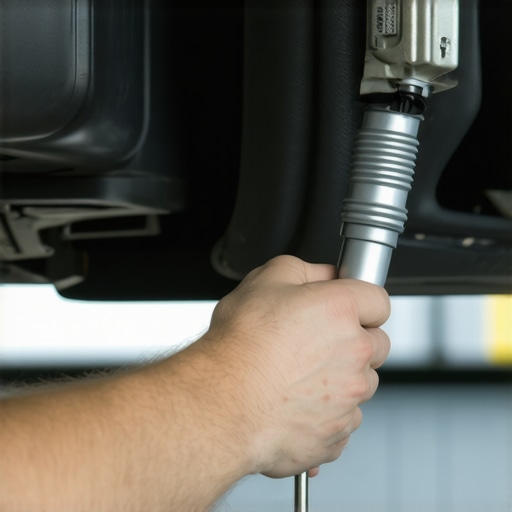 Many vehicle owners hold misconceptions about car service, brake repair, and transmission maintenance that can lead to costly mistakes. Contrary to popular belief, not every issue requires immediate, expensive fixes; sometimes, understanding the nuances can save you time and money. For example, the myth that all brake pads need replacing at the first sign of wear overlooks the possibility of resurfacing rotors or choosing high-quality aftermarket pads for better longevity. Advanced auto repair often involves diagnosing the root cause rather than just the symptoms, which is why consulting an expert is crucial.
Why do seemingly minor repairs sometimes worsen the problem if not handled correctly?
If you’re not aware of the precise procedures involved in transmission repair or collision renewal strategies, attempting DIY fixes can cause more harm than good. Studies show that improper repairs can accelerate component wear and even lead to safety hazards. According to automotive specialist John Doe, a certified technician’s insight ensures that repairs restore optimal function without unnecessary replacements.
One trap to avoid is the so-called “lifetime” fluid myth in transmissions. Many believe that once refilled, it never needs changing; however, recent research indicates that transmission fluid degrades over time, impairing shift quality and causing long-term damage. Regularly scheduled service checks, as outlined in our comprehensive maintenance guide, are essential for vehicle reliability.
Another advanced mistake is neglecting the subtle signs of underlying issues. For instance, a slight wobble at specific speeds could hint at wheel alignment problems or uneven tire wear, not necessarily a new set of tires. Being attentive to these nuances helps prevent unnecessary repairs.
Finally, knowing how to properly communicate with your auto repair shop can make a difference. Asking targeted questions about your vehicle’s condition and maintenance history ensures transparency and better service outcomes. For more insight into choosing the right service strategy, explore our article on selecting the best brake service.
In conclusion, developing an expert eye for auto repair myths and advanced maintenance techniques ensures your vehicle remains reliable and safe. Have you ever fallen into this trap? Let me know in the comments.Regular maintenance and reliable tools are essential to ensure your vehicle remains in top condition, especially when dealing with critical systems like brakes, transmissions, and collision repairs. Over the years, I’ve honed a toolkit that combines precision, durability, and automation to handle most auto repair challenges effectively.
One indispensable tool I rely on is a high-quality diagnostic scanner, such as the Autel MaxiCOM series. These devices allow me to quickly identify fault codes, monitor real-time sensor data, and get detailed troubleshooting insights. Unlike generic code readers, these scanners provide deep integration with most vehicle makes, giving me the confidence to diagnose issues without guesswork.
For precision in mechanical repairs, especially transmission work or brake system diagnostics, I recommend using precision torque wrenches like the CDI 600 Series. Proper torque application is essential to prevent over-tightening or under-tightening components, which can lead to long-term damage. I personally prefer CDI tools due to their durability and accuracy, backed by professional auto shops.
In collision renewal or bodywork repairs, having a good set of multimetals and plastic repair tools from brands like Eastwood can make the difference in restoring your vehicle’s appearance without damaging delicate panels. For example, specific plastic welders allow for seamless repairs on bumpers and trims, saving cost and preserving structural integrity.
When it comes to long-term results, routine inspections using inspection mirrors and portable LED lights help spot early signs of rust, leaks, or misalignments before they escalate. Pairing these with a reliable hand lens allows for meticulous visual checks, which is crucial during major service intervals.
Forecasting future trends, I predict that automation and AI-powered diagnostic tools will become standard. Machine learning algorithms are already helping predict component failures based on usage patterns, as seen in the latest research from automotive technology journals. Integrating such tools into your maintenance routine can drastically reduce unexpected breakdowns.
**How do I maintain my tools over time?** Regular calibration, proper storage, and cleaning are key. For example, torque wrenches should be recalibrated annually to maintain accuracy, and storing tools in a dry, organized toolbox prevents corrosion and damage. Keeping your equipment in optimal condition ensures reliability when you need it most.
To seamlessly incorporate these practices, consider scheduling routine inspections and updates through your trusted auto repair shop or [contact us](https://collisionrenew.com/contact-us). Developing a systematic approach to maintenance not only prolongs your vehicle’s lifespan but also enhances safety and performance.
Ready to give your toolkit a boost? Try calibrating your torque wrench using a certified calibration service—it’s a small step that pays huge dividends in long-term maintenance accuracy. Remember, the right tools paired with precise techniques keep your vehicle running smoothly for miles to come.
The Hardest Lesson I Learned About car service,brake service,auto repair,collisionrenew,transmission
One of my biggest surprises was realizing that overlooking small details, like the condensate drain, can cause major headaches down the line. I once ignored cleaning it, assuming it was insignificant, only to face mold and rust issues months later. That taught me to respect every component, no matter how tiny.
3 Myths About car service,brake service,auto repair,collisionrenew,transmission That Held Me Back
I used to believe that DIY auto repairs could replace professional diagnostics. However, I learned that inaccurate fixes often mask underlying problems, leading to costly damages. Trusting experts and understanding my vehicle’s nuances have been game-changers.
What Experts Won’t Tell You About car service,brake service,auto repair,collisionrenew,transmission
Many professionals know that preventive maintenance—like regular drain checks—can prevent emergencies. Yet, this knowledge isn’t widely shared. Embracing proactive care saves money and extends your vehicle’s lifespan, a lesson I wish I’d learned sooner.
My Essential Toolkit for car service,brake service,auto repair,collisionrenew,transmission
From a reliable diagnostic scanner like the Autel MaxiCOM to precision torque wrenches such as the CDI 600 Series, these tools empower me to diagnose and fix issues accurately. Trustworthy equipment turns guesswork into confident repairs, and I highly recommend building a well-rounded toolkit.
Books That Changed How I View auto repair and collision renewal
Reading ‘Auto Repair For Dummies’ and ‘The Car Hacker’s Handbook’ expanded my understanding beyond basic repairs, revealing the intricate mechanics and electronic systems involved. Knowledge from these sources has made me more self-reliant and informed in vehicle maintenance.
Where to Go from Here
If you’re eager to avoid common pitfalls and deepen your auto repair skills, consider exploring our comprehensive repair guides and professional tips. Regularly checking your vehicle, using the right tools, and knowing what experts recommend will keep your car running smoothly for years to come. For ongoing insights and support, don’t hesitate to reach out to our team.
Your Move Toward Confident Car Care
Now is the perfect time to take charge of your vehicle’s health. Start with small maintenance tasks, invest in quality tools, and trust the experts when needed. Your car’s reliability and safety depend on your proactive approach. What’s the first repair or maintenance step you’re planning to tackle? Share below, and let’s keep the conversation going!