
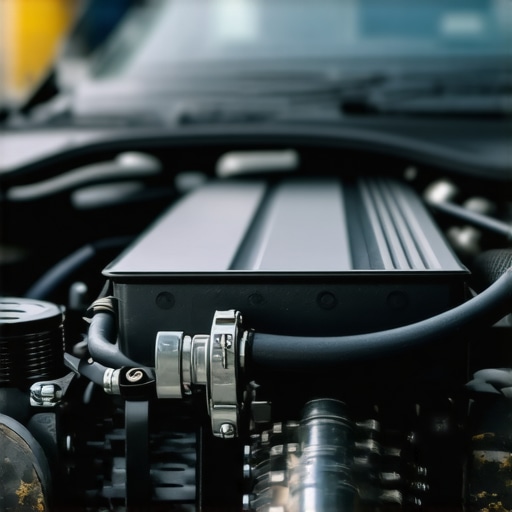
Ever been pulled over or just started your car and heard that irritating clicking sound from the engine? I remember the first time I heard it—my stomach tightened. It was late, I was already running late, and there was this strange clicking noise that seemed to echo every time I hit the gas pedal or even just idled. I felt a surge of panic, convinced I’d have to shell out hundreds for repairs. But here’s the thing – that sound isn’t always a sign of doom, and understanding why it happens can save you big bucks and lots of stress.
Understanding the Clicking Noise: What’s Really Going On?
The truth is, that clicking noise can originate from several sources within your engine, and not all of them spell disaster. Sometimes, it’s as simple as a loose or worn-out part, like your valves or lifters, which can cause a rhythmic tapping or clicking while your engine idles. Other times, the issue could be related to the fuel injectors opening and closing rapidly, especially when the engine’s cold or running a rich fuel mixture. Believe it or not, even a low level of engine oil or improper lubrication might be the culprit, leading to metal components moving slightly out of sync.
In my early days as a car owner, I made the mistake of ignoring that familiar click, thinking it was normal wear. That was a mistake. Neglecting small issues can sometimes lead to more serious—and expensive—damage down the road. According to automotive experts, regular engine checks and timely maintenance can prevent most driver-noted noises from escalating. For example, routine car service isn’t just about changing oil—it’s about catching niggles before they become costly repairs. If you’re wondering whether that clicking sound is something you should worry about, stick around. We’re going to walk through how you can diagnose this sound and, more importantly, how to fix it effectively.
Have you ever ignored that clicking and paid the price later?
Early in my car-owning days, I dismissed a similar noise as a minor issue, only to discover months later that a simple valve adjustment could have saved me hundreds. Learning from that mistake, I now prioritize understanding and addressing engine noises before they develop into major costly repairs. The next step is to identify whether your clicking is just a minor quirk or a sign of something more serious—so let’s delve into how to diagnose it properly.
,
Pry Open the Hood and Get Ready to Inspect
Start with a visual scan of your engine components while it’s off. Look for loose or worn belts, disconnected hoses, or parts that seem out of place. Use a flashlight if needed. This initial step helps you identify obvious issues that might be causing the clicking sound. I once remembered a case where a loose engine cover bolt rattled, creating a persistent clicking noise. Tightening it stopped the noise efficiently and saved a costly repair. For a comprehensive understanding of engine health, consider reviewing routine car service.
Check the Oil Level and Condition
Low or degraded oil can cause metal parts like valves and lifters to make clicking sounds due to insufficient lubrication. Pull out the dipstick and observe both the level and color of the oil. If low, add the recommended grade. If the oil appears thick or dark, schedule an oil change. I once neglected my oil, leading to gritty oil deposits that caused engine tapping. Regular oil maintenance, as outlined here, prevents such issues.
Isolate the Noise Source with a Stethoscope
Use a mechanic’s stethoscope or a long screwdriver to listen carefully to different engine parts while the engine is idling. Place the probe on components like the valves, timing chain, or injectors. Clicking from a valve or lifter often indicates a wear issue, while rapid clicking from injectors may be normal, especially when cold. I diagnosed a ticking injector that was opening and closing rapidly because of a fuel pressure problem. This method narrows down the exact cause, enabling precise fixes.
Inspect Timing Components
Problems with timing belts or chains can produce rhythmic clicking noises. Remove the engine cover for inspection. Look for signs of looseness, cracks, or missing teeth. When I checked my timing chain, I noticed it was loose due to a worn tensioner. Replacing the tensioner restored engine quietness and prevented potential timing failure. For more on control of engine timing, consult this guide.
Test the Fuel Injectors and Valves
If the click seems tied to engine load or temperature, consider testing fuel injectors with a professional scanner or asking your mechanic to do so. Faulty injectors might click more rapidly if clogged or malfunctioning. Similarly, valves with excessive clearance can produce a rhythmic tapping. I had a case where adjusting valve clearance eliminated the clicking entirely. Regular inspection and adjustment, as detailed here, prevent such noise issues.
Assess the Lubrication and Worn Parts
If worn components are suspected, replacing them ensures the engine runs smoothly. Worn lifters or valves often need professional replacement. For example, I replaced worn valve lifters following a mechanic’s advice, which finally silenced the persistent clicking. Keeping parts properly lubricated and in good condition is essential for engine longevity.
Perform a Road Test After Repairs
Once you’ve addressed potential causes, start the engine and test drive. Listen for any remaining clicking sounds under acceleration and idling. This verifies your fix was effective. I once replaced a misfiring injector, and the noise disappeared during the test drive—I knew I’d nailed the problem. For maintaining optimal engine health, consider ongoing collision renewal strategies.
When it comes to car maintenance, many automotive myths persist, leading drivers down costly paths. One common misconception is that basic oil changes or brake pad replacements are all you need for longevity. In reality, deep understanding of how components like transmission fluid and collision strategies interact can dramatically extend your vehicle’s lifespan. For example, many assume lifetime transmission fluids eliminate the need for changes, but expert studies show regular fluid swaps can prevent severe damage, as highlighted in top transmission repair tips. Overlooking these nuances can trap unwary drivers into more expensive repairs later on. Additionally, the assumption that newer vehicles require less maintenance neglects the importance of routine inspections. The essential checks detailed here reveal how even modern cars benefit from regular attention. Advanced experts warn against just replacing components when symptoms appear—proactive diagnostics using tools like scan tools or vibration analysis can uncover hidden issues before they cause failures. Moreover, many fall for the myth that all collision repairs are purely cosmetic; in truth, improper realignment can compromise safety. Recognizing this is vital, and alignment strategies discussed here are key to avoiding future problems. So, next time you consider auto repairs, remember that a nuanced approach, beyond the surface, safeguards your investment. Have you ever fallen into this trap? Let me know in the comments.
Keeping It Working: Tools I Trust for Auto Maintenance
Maintaining your vehicle over time demands more than just intuition; it requires reliable equipment and a disciplined approach. One tool I swear by is the sturdy digital multimeter. It’s indispensable for diagnosing electrical issues, from faulty sensors to drained batteries. I personally rely on the Fluke 115 because of its accuracy and durability. For me, nothing beats its simplicity and precision. Why do I prefer digital over analog? Digital multimeters provide quick readings, store readings for comparison, and often include features like temperature measurement—saving time during inspections. Over the years, I’ve found that investing in quality tools reduces repair time and prevents misdiagnoses, ultimately saving money.
Leveraging Software for Long-Term Monitoring
Beyond hand tools, modern auto maintenance benefits immensely from dedicated software. I use automotive diagnostic applications that connect to your vehicle’s OBD-II port. Apps like Torque Pro or BlueDriver can identify issues before they escalate, thanks to real-time data analytics. This proactive approach has saved me from unpredictable breakdowns; I simply check the app periodically and address issues early.
How do I keep up with ongoing car care?
Consistency is key. Schedule routine inspections and use diagnostic tools to track your vehicle’s health over months and years. Also, having quality lubricants and replacement parts in your garage means you’re ready for regular maintenance. For example, changing transmission fluid at recommended intervals prevents metal wear and prolongs transmission life—an easy step that can double or triple your vehicle’s longevity.
Predicting the Future of Auto Maintenance Tech
Looking ahead, I believe the integration of AI-driven diagnostics will become standard. Vehicles will self-monitor more effectively, alerting owners about issues before symptoms appear. Imagine receiving a notification that your transmission needs a fluid change in the next 1,000 miles—well before you experience any shifting problems. Staying ahead of this curve means embracing smart tools now—like advanced scan tools and predictive maintenance apps.
Wondering how to maintain your braking system effortlessly over time?
One method I recommend is regularly checking brake fluid clarity and level with a high-precision tester. It’s an easy way to spot contamination early, preventing costly repairs and ensuring your safety. Try this quick tip today—using a dedicated brake fluid tester, you can verify if your fluid needs a flush or topping off, extending brake system life and performance. Want more expert advice? Reach out through our contact page or explore our detailed guide on auto repair strategies.
What I Wish I Knew About Engine Sounds Before It Was Too Late
One of the most valuable lessons I learned is that not every ticking or clicking noise signals imminent disaster. Sometimes, these sounds are just part of the engine’s personality—a subtle reminder that paying attention early can save you from costly repairs later. My lightbulb moment was realizing that regular inspections and listening to my vehicle’s nuances allowed me to catch minor issues before they snowballed into big problems.
The Unexpected Power of Personal Experience in Auto Care
Over time, I discovered that trusting my ears and hands-on inspections make all the difference. Whether it’s a loose belt or a worn valve, personal involvement fosters a deeper understanding of my car’s health. This approach empowered me to tackle simple fixes—like tightening a rattling engine cover—before heading straight to the mechanic, saving time and money.
Why Overconfidence Can Backfire on the Road
I once ignored a recurring click, assuming it was just normal wear. That oversight nearly cost me dearly when it turned out to be a sign of a worn tensioner. This taught me the importance of humility and proactive maintenance. Embracing regular checks and trusting expert resources, such as routine car service, reinforces the value of preventive care over reactive fixes.