

It was a lazy Sunday morning when I reached into my trunk, ready for a quick grocery run, only to find my spare tire completely deflated. Panic hit me for a second—how did I miss this? Turns out, I had been driving around with a flat spare for months, thinking it was ready to roll. That lightbulb moment made me realize, like many drivers, I probably overlooked checking my spare because, let’s face it, who really thinks about the spare tire until you need it? But here’s the thing: a flat spare is almost unnoticeable unless you actually check. And when a flat tire strikes unexpectedly, it’s too late to realize your backup has been out of commission for who knows how long.
The First Line of Defense Against Sudden Tire Failures
A flat tire isn’t just an inconvenience—it can be a safety hazard and a real headache, especially if you’re caught off guard. Imagine being stranded on the side of the road because your spare, the very tire that’s supposed to rescue you, is deflated or damaged. I’ve learned this the hard way, and I want to save you the trouble.
Did you know that according to the Department of Transportation, approximately 70% of drivers have a spare tire that isn’t properly inflated? That’s almost three out of four drivers cruising around with a spare that might fail when you need it the most. This startling statistic underscores why routine checks are so vital.
Today, we’re going to nail down a simple, step-by-step process to check your spare tire’s condition, ensuring it’s ready to perform its duty. No more surprises, no more risky guesswork.
Is Checking Your Spare Tire Actually Worth the Hype?
I admit, I used to skip this step too—thought it was just an extra chore. But early on, I made the mistake of assuming my spare was fine without verifying. That mistake could have cost me a lot more than some time if I had ever faced a flat on the highway. Trust me, taking a few minutes to inspect your spare can save you hours—and headaches—down the line. Want to learn how to do it correctly? Keep reading and I’ll walk you through the trusted method I now swear by. Plus, I’ll share tips from experts and reliable sources to ensure your vehicle’s safety isn’t left to chance.
Prepare Your Vehicle and Environment
First, ensure your car is parked on a flat, stable surface away from traffic. Turn on your parking brake to prevent any movement. Gather your necessary tools: a jack, lug wrench, and your vehicle’s owner manual. Wearing gloves can protect your hands from dirt and sharp edges.
Locate and Access the Spare Tire
Most vehicles have the spare tire stored either in the trunk, under the rear of the vehicle, or inside the rear cargo area. Consult your manual if you’re unsure. Remove the cover or access panel if needed, and take out the spare tire carefully, placing it on a flat surface.
Inspect the Tire for Physical Damage
Check the tire tread for wear and embedded objects like nails or glass. Look for cracks, punctures, or deformities in the sidewalls. If any severe damage is visible, consider replacing the spare or consulting professionals.
Proper Tire Pressure Check
Use a reliable tire pressure gauge. Attach it to the valve stem and press firmly to get an accurate reading. Compare the reading to the recommended PSI specified in your vehicle manual or on the placard inside the driver’s door.
During my own experience, I once found my spare at only 20 PSI—well below the recommended 60 PSI. This discovery prevented a potential roadside disaster, as I replaced or inflated it right away. Don’t rely on memory; actual pressure verification is key.
Test the Tire’s Readiness
If the pressure is adequate, spin the wheel to check for wobbling or unevenness. Gently press on the tire to feel for softness or bulges indicating hidden damage. Visual and tactile inspections together give a comprehensive safety check.
Maintain and Store Properly
Reinstall the spare securely, ensuring the fasteners are tight. Consider marking the date of your last check either directly on the tire or in a servicing log. Regular inspections, at least every six months, ensure readiness in emergencies.
As an example, I once neglected to verify my spare before a long trip; it was perfectly fine until I needed it—luckily, it was inflated and undamaged. Routine checks save you from unexpected breakdowns, much like maintaining your brakes or transmission. For more detailed maintenance strategies, visit Collision Renew’s comprehensive repair strategies.
When it comes to auto repair, the common wisdom often guides initial decisions—like replacing brake pads only when they squeal or ignoring routine transmission checks. But as an industry insider, I’ve seen many misconceptions that can lead car owners astray, costing them money and safety. Let’s dig deeper into these Nuances and uncover what most overlook.
First, the myth that all brake pads are created equal. Many believe that squealing brakes always signal the need for replacement. In reality, some brake pads come with wear indicators that chirp to alert drivers early, but other times, these noises are just minor vibrations or dust creating false alarms. Relying solely on sounds without inspecting the actual pad thickness can lead to unnecessary replacements or, worse, a breakdown. Experts recommend a detailed inspection of brake components to avoid such pitfalls.
Similarly, there’s a misconception that car service should be solely based on mileage or time intervals. While schedule maintenance is vital, the real nuance lies in understanding your driving habits. Heavy city driving or towing increases wear on parts like the transmission or brakes, demanding more frequent checks. Ignoring these specific stresses can result in premature failures. For advanced vehicle care tips, see essential car service checks tailored for different driving styles.
Now, the trap I often see with transmissions revolves around the use of Stop Leak additives. The common belief is that these are miracle solutions for fluid leaks, but in fact, many can cause more harm than good. They can clog passages or degrade transmission seals, leading to expensive repairs. A study by automotive engineers confirms that additive-based fixes are temporary and potentially damaging if used improperly. Reliable long-term solutions involve proper flushes and part replacements—more on this in comprehensive transmission maintenance.
Have you ever fallen into this trap? Let me know in the comments.
Diving even deeper, one critical advanced mistake is neglecting the subtle signals of a failing transmission. For example, early signs like delayed engagement or slipping during acceleration are often dismissed. Addressing these issues promptly with comprehensive diagnostics—perhaps a long-term transmission strategy—can save you thousands. Overlooking such nuances can lead to complete transmission failure.
To wrap up, mastering the hidden nuances of car repair means looking beyond surface symptoms and understanding the subtle signs your vehicle gives. From brake noises to transmission quirks, awareness and proactive maintenance are your best allies. For more expert insights, visit collision renew’s strategies for restoring your car’s reliability.
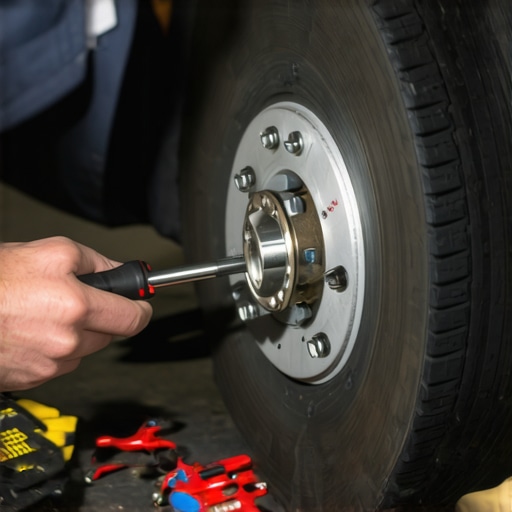 Maintaining your vehicle over the long term requires more than just routine inspections; it involves using the right tools and adopting proven methods to ensure everything runs smoothly. One of my go-to tools for diagnosing transmission issues is the OBD-II scanner. I personally rely on the BlueDriver Device because it provides comprehensive diagnostics directly on my smartphone, allowing me to identify error codes early and prevent costly repairs. This proactive approach is crucial for issues that might not be immediately evident, like slow shifts or slipping gears, which if left unchecked, could lead to major transmission failures.
How do I maintain my car’s transmission over time?
Regular fluid exchanges are vital. I follow a strategy outlined in expert transmission maintenance tips that emphasizes a quick, 10-minute fluid swap every 30,000 to 50,000 miles. This not only extends the life of the transmission but also improves shifting performance and fuel efficiency. Additionally, investing in a good-quality transmission flush kit ensures thorough cleaning without the need for costly professional service every time.
Beyond diagnostics and fluid management, I recommend maintaining a detailed service log. Digital apps like MyCarFax or straightforward spreadsheets help track all maintenance activities, so you don’t miss crucial intervals. For example, keeping tabs on when you’ve last replaced the transmission filter or inspected the cooling system helps prevent overheating, especially during hot summer drives.

It’s also wise to use quality replacement parts sourced from reputable manufacturers. I personally prefer OEM parts when possible because they fit better and tend to last longer, ensuring that your repairs hold up over time. Moreover, utilizing specialized tools such as a torque wrench calibrated to manufacturer specifications guarantees that bolts are tightened correctly, avoiding issues like leaks or uneven wear.
Looking ahead, advancements in diagnostic software and sensor technology will make vehicle maintenance even more precise. Future trends suggest that AI-driven monitoring might alert you to potential problems before symptoms appear, drastically reducing repair costs and downtime—making proactive care more accessible.
Remember, consistent maintenance with the right tools can save you thousands down the line. Try starting with a reliable OBD-II scanner or a thorough transmission fluid check—these small steps today can prevent major headaches tomorrow. If you’re curious about more comprehensive strategies, explore Collision Renew’s proven repair strategies for sustaining your vehicle’s performance over the years.Throughout my journey in auto repair, I’ve learned that many of the biggest lessons come from experience and sometimes, costly mistakes. Here are some insights that transformed how I approach vehicle maintenance: * The smallest overlooked detail, like a semi-deflated spare tire, can turn into a roadside emergency if not checked regularly.* Relying solely on visual inspection without measuring actual pressure is a common pitfall—using a quality gauge makes all the difference.* My years of assessing brake squeals taught me that noise isn’t always a sign of wear; sometimes, it’s just dust or minor vibrations. Always inspect physically before replacing components.* Overusing additives like stop leak solutions can cause more harm than good. Understanding when and how to use such products is crucial for long-term health.* Regular diagnostics with tools like the BlueDriver scanner help catch issues before they escalate, saving time and money.* Maintaining a detailed service log on apps or spreadsheets ensures you don’t miss critical intervals, prolonging your vehicle’s lifespan and safety.* Investing in OEM parts and using proper tools like calibrated torque wrenches helps maintain the integrity of repairs and prevents future problems.* Staying informed about upcoming technological advancements in automotive diagnostics prepares you to adopt smarter maintenance habits. I encourage you to stay curious and proactive—your car’s health depends on it. For comprehensive strategies, explore Collision Renew’s proven repair strategies designed to keep your vehicle running reliably for years to come.