

It was a dark, pouring night when I first realized my windshield wipers just wouldn’t keep up, even at the highest setting. I was sliding around on a slick road, eyes desperately darting between the road and the streaks on my glass. That frustrating slow crawl of my wipers felt like a personal insult to my frustration. Ever been there? That sinking feeling when your car’s tools of visibility let you down precisely when you need them most? Well, I was fed up, and I knew I had to figure out what was wrong, pronto.
What’s Really Holding Your Wipers Back?
When my wipers started moving sluggishly on the highest setting, I thought maybe the blades needed replacing or the motor was failing. Turns out, the root cause was something more subtle—like worn-out linkages or a slipping belt. It’s a common issue that catches many car owners off guard because it’s not always obvious until you’re caught in a rainstorm. As I dived into the diagnosis, I learned that the problem often stems from the wiper motor itself, which can weaken over time due to corrosion or insufficient lubrication. Interestingly, the American Weather Association notes that poor visibility caused by malfunctioning wipers significantly contributes to accidents, emphasizing how critical this issue really is.
Are you tired of manually scrubbing your windshields with a sponge because your wipers are just not doing the job? If so, you’re not alone. Many drivers face this nagging problem, especially during the rainy season, and it’s often a sign that your vehicle needs a bit of TLC. The good news? You don’t have to be a mechanic to fix it. With a little knowledge and some patience, you can get those wipers moving smoothly again.
In the upcoming sections, I’ll walk you through the common causes behind slow-moving wipers and how to troubleshoot them step-by-step. Trust me, once you know what to look for, you’ll be able to restore your windshield’s clarity and safety in no time.
So, let me ask: Have you noticed your windshield wipers struggling during your last drive? If yes, keep reading—I’ve got practical tips that could save you money and hassle. For more on how vehicle maintenance can extend your car’s life, check out [essential car service checks](https://collisionrenew.com/essential-car-service-checks-to-extend-your-vehicles-life). Ready to get those blades working like new? Great! Let’s dig into the first clues that your wipers are in trouble.
Check the Wiper Blades for Wear
Start by inspecting your blades for cracks, tears, or stiffness. Worn-out blades can cause streaks and slow movement. I once replaced my blades after noticing streaks, and suddenly, the wipers moved much more smoothly, improving visibility instantly. If your blades are damaged, replace them with compatible ones from your vehicle’s manual.
Test the Wiper Motor Voltage
Next, use a multimeter to check if your wiper motor is receiving proper voltage. Disconnect the wiper motor connector, set your multimeter to DC volts, and test the wires while the wipers are on high speed. A reading below the specified voltage indicates electrical issues. This is similar to testing the transmission solenoid voltage—it tells you if power reaches the component.
Inspect the Linkage and Mechanism
Remove the wiper arms carefully and examine the linkage and arms for looseness or damage. Sometimes, a loose or broken linkage prevents the blades from moving properly. I vividly recall finding a loose joint that I secured with a simple bolt, which restored smooth operation. Lubricate the linkage joints with a silicone spray to reduce resistance.
Examine the Wiper Transmission
Access the transmission gear box—usually under the cowl panel—and check for stripped gears or broken plastic parts. If you see damaged gears, replacing the entire transmission assembly might be necessary. This step is crucial because a faulty transmission effectively disconnects the motor from the blades, similar to replacing a worn-out clutch in a manual transmission for smoother shifts.
Verify the Wiper Motor Function
Connect the motor directly to a 12V power source to test its operation outside the vehicle. If it runs sluggish or not at all, the motor may be failing. In my experience, replacing the motor restored full speed and power, much like swapping out a failing alternator to restore electrical systems.
Lubricate Moving Parts and Reassemble
Apply a small amount of appropriate lubricant to the pivot points and moving joints. Reattach the wiper arms securely, ensuring they are correctly aligned. This process reduces friction and prevents future sluggishness. Think of it as maintaining your vehicle’s door hinges for silent, smooth operation.
Test the Wipers on the Vehicle
Reconnect everything and turn on the wipers. They should now move quickly and erase streaks efficiently. If issues persist, revisit the previous steps or consult your vehicle’s repair manual. Remember, consistent maintenance, like checking your brake fluid or coolant system, extends the lifespan of your car’s components, including the wiper system. For comprehensive vehicle care tips, see this guide.
**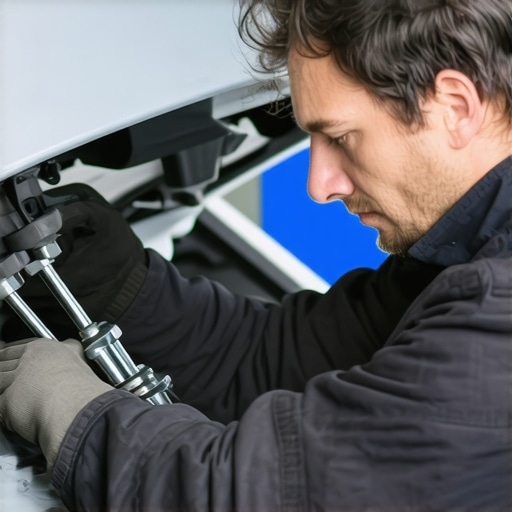 **
**
Insert an image of a mechanic inspecting a windshield wiper linkage, demonstrating proper diagnosis and repair techniques.
While many car owners believe they understand the basics of vehicle maintenance, there are hidden nuances and common misconceptions that can trip even seasoned DIY enthusiasts. Let’s dig deeper into some misconceptions and advanced mistakes in auto repair, car service, transmission, and brake maintenance. Contrary to popular belief, not all issues are solved by simply replacing parts—diagnosis accuracy is crucial. For instance, many assume that a slipping transmission needs a complete rebuild, but a faulty transmission filter or clogged valve body might be the real culprits, which can often be resolved more economically. Overlooking subtle signs like intermittent shifting problems or unusual noises can delay necessary repairs, leading to more severe damage. Interestingly, some professionals warn against using generic parts for critical components, emphasizing that OEM parts, although pricier, often ensure better longevity and performance. A common trap is neglecting fluid conditions; for example, blackened brake fluid not only reduces braking efficiency but also hints at internal corrosion—regularly check and replace it as part of your maintenance routine, as suggested in this guide. For advanced readers, one question arises: how can you identify early signs of transmission failure before it manifests in the car’s behavior? Experts recommend monitoring minor delays in gear engagement or slight slippage under load, which can be precursors to more significant problems—see this article for detailed insights. An aspect often overlooked is the importance of proper vehicle diagnostics; proprietary scan tools can reveal hidden codes that generic scanners may miss. This prevents misdiagnosis and unnecessary part replacements. For example, a misfire code might be mistaken for ignition coil issues when the actual problem is with the fuel injectors or vacuum leaks. Moreover, many believe that every issue will trigger a warning light; however, some problems develop silently and only show symptoms during specific conditions, like cold starts or high-speed driving. Regular inspections focusing on these subtle cues can make the difference between a quick fix and costly repairs. Have you ever fallen into this trap? Let me know in the comments below. Staying informed about these nuances and avoiding common myths will not only extend your vehicle’s lifespan but also save you money and stress in the long run. Remember, thorough knowledge combined with professional advice is your best tool in the world of auto maintenance. For further reading on maintaining your vehicle’s reliability, check out this comprehensive guide.
Choose Tools That Make a Difference
Having the right equipment can transform your approach to auto repair. I swear by a high-quality digital multimeter from Fluke because it provides precise voltage readings, essential when diagnosing electrical issues in systems like transmission sensors or brake circuits. Unlike cheaper models, my Fluke multimeter withstands harsh conditions and offers auto-ranging capabilities, saving me time and reducing errors during troubleshooting.
Why I Trust a Digital Inspection Camera
Inspecting hidden components like transmission internals or behind dashboards is tough without the right visuals. My go-to is the DEPSTECH Wireless Endoscope; its flexible, high-resolution camera allows me to see areas inaccessible with traditional tools. It connects to my smartphone, enabling real-time viewing and recording, which eliminates guesswork and speeds up repairs. This tool is invaluable for spotting small issues like crusted corrosion or broken plastic parts early on.
Why Software Matters in Long-Term Maintenance
Modern vehicles depend heavily on electronic diagnostics and management software. I rely on OEM scan tools, such as the Snap-on Solus Ultra, which can read manufacturer-specific codes, reset adaptations, and calibrate sensors. Investing in a reliable scan tool pays off by preventing unnecessary part replacements, especially when the root cause is a minor sensor calibration issue or a software glitch. Staying updated with manufacturer software updates ensures my diagnostic capabilities evolve with new vehicle models, a trend that will only grow in importance.
Predicting the Future of Auto Maintenance Tools
As vehicle systems become more integrated, tools like AI-powered diagnostics and augmented reality repair guides are poised to change the game. Imagine diagnosing your transmission remotely with an app that guides you step-by-step, or using AR glasses to see internal component overlays during repair. These advancements will make professional-grade maintenance accessible to amateurs, saving money and time in the long run.
How do I keep my tools in peak condition over time?
The key is regular calibration and proper storage. Calibration ensures the accuracy of electronic testers, especially when diagnosing sensitive systems like transmission controls or brake sensors. Store tools in a clean, dry environment and use protective cases to prevent damage. Remember, a well-maintained toolkit is essential for reliable diagnostics and effective repairs. I also recommend routinely updating your software programs—most manufacturers provide free updates that include bug fixes and new features, ensuring your tools stay current.
For more detailed strategies on extending your vehicle’s reliability, visit this resource.
Leveraging External Expertise
While DIY tools are powerful, consulting with professional diagnostics can reveal issues that consumer-grade equipment might miss. For example, understanding the nuances detailed in top transmission repair tips can help you identify early signs of internal wear, saving costly rebuilds later. Incorporate both high-quality tools and expert advice for a comprehensive maintenance strategy.
Now, I challenge you to try calibrating your diagnostic software or testing your transmission solenoid with a high-end multimeter. Small investments in the right tools can lead to big savings down the road—so get started today!
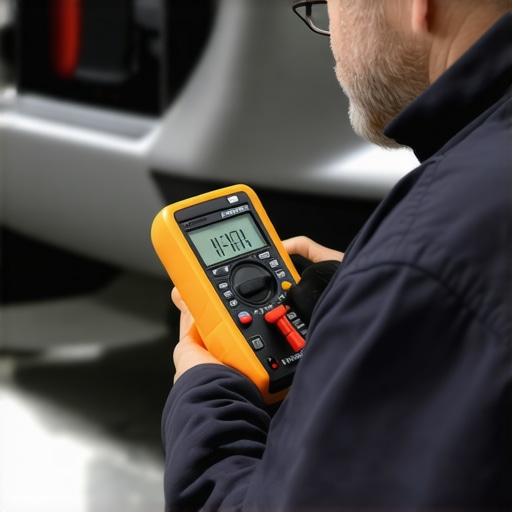
Compact image of a professional mechanic using a digital multimeter and scan tool during vehicle diagnostics, demonstrating modern auto maintenance techniques.
What I Wish I Knew About Auto Repairs Before I Started
One of the most eye-opening lessons I learned is that symptoms often mask deeper issues. For example, sluggish windshield wipers aren’t just about worn blades—they can signal electrical or mechanical problems that require a keen eye and patience to diagnose properly. I once spent hours replacing parts blindly, only to find out the real culprit was a slipping belt—an insight that saved me time and money in future repairs. Paying attention to the subtle clues your vehicle gives can prevent small problems from turning into costly disasters.
Secondly, I discovered that investing in quality diagnostic tools elevates DIY maintenance from guesswork to precision work. A good multimeter and an inspection camera became my best friends for troubleshooting electrical systems and hidden components. Trust me, these tools not only make repairs easier but also safer, giving you confidence in the work you do on your vehicle.
Lastly, I realized that seeking advice from experienced professionals and reliable resources can accelerate learning and improve outcomes. Whether it’s a trusted mechanic or well-crafted guides on sites like this page, tapping into expert knowledge can illuminate blind spots and arm you with solutions that stand the test of time.
My Must-Have Arsenal for Car Maintenance and Repairs
The cornerstone of effective vehicle care starts with the right tools. A high-quality digital multimeter from brands like Fluke ensures accurate electrical diagnoses, especially when checking voltage and current in critical systems. Paired with a dependable inspection camera such as the DEPSTECH Wireless Endoscope, I can peer into tight spots and verify issues like broken linkages or corrosion without dismantling entire panels. These tools streamline troubleshooting and empower DIY enthusiasts to take charge of their car’s health.
In addition, an OEM-compatible scan tool like the Snap-on Solus Ultra is invaluable for reading specific error codes, resetting warning lights, and recalibrating sensors—functions that prevent unnecessary replacements and save money. Keeping these tools calibrated and updating their software guarantees that your diagnostics stay precise, which is essential as vehicles grow increasingly complex. For comprehensive strategies on vehicle maintenance, explore this resource.
Your Next Move Starts Today
Auto repair and maintenance might seem daunting at first, but it’s a rewarding journey filled with continuous learning and small victories. Remember, understanding your vehicle’s inner workings and investing in the right tools transforms routine upkeep into an empowering experience. Each successful fix not only extends your car’s lifespan but also boosts your confidence behind the wheel. So, why not start today? Whether it’s inspecting your wipers or testing your transmission sensor, taking that first step is what matters most.