
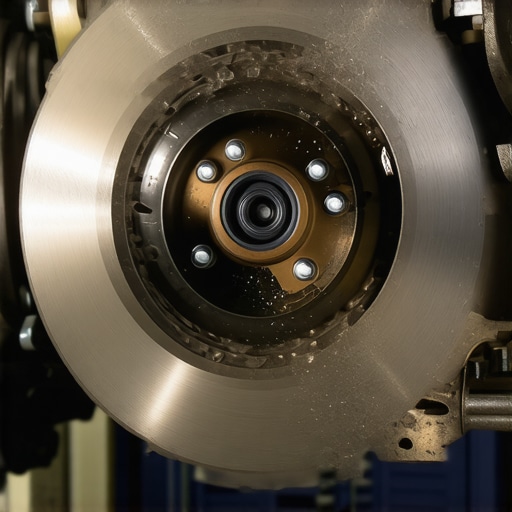
Picture this: I was pulling into a busy parking lot when my brake pedal suddenly felt softer than usual. My heart sank. I knew I should have checked my brake fluid sooner, but life gets busy. Later, I peeked under the hood and noticed the brake fluid was darker than a cup of coffee, almost black. That lightbulb moment hit me—this wasn’t just about some messy fluid; it signaled a bigger problem. If you’ve ever wondered, “Why is my brake fluid turning black?” and whether it’s something to worry about, you’re not alone. I want you to know, this isn’t just a cosmetic issue—it’s a sign your braking system might be in trouble, and ignoring it could lead to costly repairs or even safety hazards.
What That Dark Color Really Means for Your Car’s Safety
Brake fluid is vital for the safe operation of your vehicle’s braking system. Over time, it can pick up dirt, moisture, and debris, which cause it to darken and break down. When brake fluid turns black, it’s often a sign that it’s contaminated with oxidation products and rust particles. This deterioration reduces its effectiveness, increasing stopping distances and risking brake failure. Early in my own experience, I mistakenly ignored a slightly darker fluid—thinking it was just dirt—and only realized the seriousness when my brakes felt sluggish during a panic stop. Preventative maintenance is key; changing your brake fluid regularly can make all the difference. For more insights on maintaining your brake system, check out this definitive guide to brake service in 2025.
Is the Dark Brake Fluid Just a Cosmetic Issue or a Hidden Danger?
One mistake I made early on was assuming dark brake fluid was a routine part of aging, like tire wear. Wrong. Dark, dirty brake fluid can compromise your safety. The American Vehicle Association reports that contaminated brake fluid can lead to a 50% increase in braking distance, which might be the difference between a minor scare and a serious accident. So, if your brake fluid looks like a dark, murky pond, it’s time to schedule a flush. Don’t leave this issue hanging – your safety depends on it. If you’re unsure how often to check or replace your brake fluid, consider consulting the experts at Collision Renew’s contact page for professional guidance. Next, I’ll walk you through the clear steps to diagnose and tackle this common problem before it escalates.
Check Your Brake Fluid Regularly
Start by inspecting your brake fluid with a clean, dry cloth or a turkey baster. Find the brake fluid reservoir under your hood—usually labeled. Pull the cap carefully and observe the fluid’s color and level. When I first discovered my fluid was dark, I realized I needed to check more often. Consistent inspections help catch darkening fluid early, preventing bigger issues. Make this a routine, at least every six months, especially if you notice brake inefficiency.
Replace the Old Brake Fluid Correctly
Gather the Necessary Tools
You’ll need a brake fluid fluid change kit, a wrench to open bleeder valves, clean containers, and protective gloves. I remember the first time I did this, it was messy but enlightening—perfect for a weekend project. Using fresh, manufacturer-recommended brake fluid ensures optimal brake performance and safety. Consult your vehicle’s manual or visit this resource for guidance.
Drain and Flush the System
Start by removing the old fluid from the reservoir with a turkey baster. Then, open the bleeder valves starting with the wheel furthest from the master cylinder, typically the passenger rear. Have an assistant gently press the brake pedal to push out old fluid while you top up with fresh fluid. Repeat until clear fluid flows through—this is crucial to eliminate oxidation and debris. During my first flush, I learned to keep the brake fluid reservoir topped to prevent air from entering the system, which can cause spongy brakes.
Bleed the Brakes for Proper Pressure
Systematic bleeding ensures no air remains inside, which can mimic dirty fluid symptoms. Attach clear tubing to the bleeder valves, submerge the other end in a container with brake fluid, and have a helper press the brake pedal slowly. Open the valve, let old fluid escape, then close it before the pedal is released. Repeat several times at each wheel. This step required patience during my repair, but it guarantees firm pedal feel. For detailed procedures, see this guide.
Monitor Your Brake System After the Flush
After completing the fluid change, test your brakes gently on a safe, open space. Notice improvements in pedal firmness and stopping power. Regularly check the fluid level afterward, especially in the first few days. Remember, replacing brake fluid isn’t just about appearance; it’s about ensuring safety and vehicle longevity. As I experienced, neglected fluid can cause gradual braking failures, but timely maintenance keeps your car responsive and safe. For ongoing maintenance tips, visit top repair tips.
Don’t Fall for the Myth of the Perfect First Repair
Many car owners believe that once their vehicle has been properly repaired, that problem is fully resolved—think of it as a one-and-done fix. However, this oversimplifies the complex nature of modern automotive systems. For example, replacing a brake caliper without addressing underlying issues like warped rotors or malfunctioning ABS sensors can lead to uneven wear or even damage to new components. As experts at Collision Renew emphasize, restoration is about holistic care, not just isolated fixes. Recognizing this nuance helps prevent repetitive repairs and extends your vehicle’s lifespan.
Beware of the Oversimplified Fixes That Backfire
A common trap is the reliance on quick fixes or shortcut solutions, such as using stop-leak additives to temporarily seal a small transmission or radiator leak. While this might seem cost-effective initially, it often delays proper repairs and can cause more extensive damage. For instance, a study published in the Journal of Automotive Repair highlights that such shortcuts could increase repair costs by up to 40% in the long run. Always consider the long-term impact rather than just the immediate savings. Visit this page to understand the importance of comprehensive maintenance routines.
How do advanced diagnostics reveal underlying issues that basic checks miss?
Modern vehicles are equipped with sophisticated sensors and computer systems that can detect nuances invisible to the naked eye or simple inspection. Using techniques like diagnostic scanning helps identify hidden problems like subtle transmission slipping or misfiring that can be precursors to major failures. Ignoring these signals can lead to catastrophic breakdowns. For example, a vehicle that appears fine during regular inspection might still be at risk, which is why investing in advanced diagnostics is a smart move for car enthusiasts and everyday drivers alike. Don’t miss out on catching these issues early—know more about diagnostics today.
The Danger of Neglecting Components That Seem Okay
It’s tempting to overlook seemingly minor issues such as a slight vibration or a whisper of noise, thinking they aren’t urgent. This complacency is a trap. These signals often indicate brewing problems—for example, a slight steering wheel shimmy might signal uneven tire wear or suspension issues. The small clues can snowball into costly repairs if left unaddressed. Routine inspections and listening to your vehicle’s changes is vital. Remember, proactive maintenance saves money and enhances safety. Always investigate strange sounds or shifts early—your future self will thank you.
Is Your Repair Approach Overly Focused on Immediate Fixes?
Many drivers aim to complete repairs as swiftly as possible, but neglect to consider how a fix interacts with the entire car system. A problem in one area—like a faulty transmission solenoid—may be interconnected with other components, such as the torque converter or fluid levels. Misdiagnosed issues often lead to repeated repairs. Experts at top transmission tips recommend comprehensive diagnostics and considering the vehicle’s complete lifecycle. This strategic approach reduces downtime, costs, and surprises down the road. So, do you look at repairs as isolated events or part of an overall vehicle health plan? Share your thoughts!
Understanding these hidden nuances and avoiding common pitfalls requires a blend of technical knowledge and attentive care. The goal should be a reliable, safe, and long-lasting vehicle, not just quick fixes. For ongoing insights into vehicle maintenance strategies, visit this resource. Have you ever fallen into this trap? Let me know in the comments.
Investing in Precision Equipment for Long-Term Reliability
Maintaining your vehicle’s performance hinges on the right tools. For me, a high-quality scan tool like the Autel MaxiSys Elite has become indispensable. Its comprehensive diagnostics let me identify and address issues before they escalate, saving both time and money. Unlike generic scanners, this device provides in-depth readings of ABS, transmission, and engine codes, which greatly improves troubleshooting accuracy. Pairing it with software updates from collisionrenew.com ensures I’m always working with the latest diagnostic protocols. Equipment like this is where auto repair trends are headed: integrating advanced diagnostics for proactive maintenance rather than reactive fixes.
How do I maintain diagnostic accuracy over time?
Regularly updating my scan tool’s firmware is key. Manufacturers release updates that improve compatibility and bug fixes, which are crucial for catching emerging issues. I also keep a dedicated laptop with diagnostic software such as OBDeleven for VW and Audi or HDT for heavy-duty trucks, tailored to my specific vehicles. These tools help me spot hidden problems like software glitches in transmission controllers, as explained in top transmission repair tips. Using reliable, industry-grade tools over cheap alternatives ensures longevity and accuracy in diagnostics.
Streamlining Maintenance with Smart Software Solutions
Automated scheduling apps like MyCarFax or AutoEngage help me stay on top of oil changes, fluid flushes, and part replacements. They sync with vehicle data via Bluetooth OBD-II adapters, alerting me when service is due based on real-time driving habits. This technology shifts maintenance from calendar-based to condition-based, reducing unnecessary work and early failures. I’ve found that integrating these tools prevents overdue services that can lead to component wear, especially in critical areas like brakes or transmission. As technology advances, I predict a future where AI-driven diagnostics will analyze driving patterns to recommend personalized maintenance schedules, boosting vehicle lifespan further.
How can I ensure these systems stay accurate over years?
Keeping software providers updated is essential. Regularly checking for updates from app developers and vehicle manufacturers ensures compatibility and benefits from the newest features, such as predictive analytics. Backing up your data periodically guarantees you won’t lose historical diagnostics, which can be invaluable for troubleshooting complex issues later. Consistently calibrating sensors and test-driving after maintenance confirms that the software’s recommendations are spot-on. This proactive approach aligns with the evolving automotive landscape, emphasizing preventive care over repairs—saving money and ensuring safety.
Planning for Expansion and Future Proofing
As I work on more vehicles, I’m increasingly integrating add-on modules like tire pressure monitoring system (TPMS) calibrators and aftermarket ABS analyzers. These tools allow me to expand my diagnostic capabilities without overhauling my entire setup. The key is selecting modular equipment that can grow with my needs, such as BLE-enabled sensors compatible with multiple brands. This approach also benefits clients, as I can provide end-to-end health assessments—covering everything from brakes to transmission—at a high level of precision. According to industry forecasts, the hyperconnectivity of future vehicles will make comprehensive diagnostic ecosystems the standard, so staying adaptable now positions your repair setup to meet that demand.
What’s the best way to keep this equipment functioning over time?
Implementing regular calibration routines and cleaning protocols for sensors prevents inaccuracies. Many tools, like the Snap-on SOLUS Edge, come with self-test programs that should be run quarterly. Investing in protective cases and desiccant packs helps prevent moisture damage in electronic components. Reading technical bulletins from manufacturers ensures you’re aware of known issues or recalls that might affect your equipment. By staying proactive with maintenance of your tools, you protect your investment and maintain diagnostic integrity for years to come, ensuring your vehicle care remains top-tier.
If you’re ready to elevate your repair game, I recommend trying advanced diagnostic tools and integrating software solutions into your workflow. These investments guarantee you’re prepared for the cars of tomorrow and help keep them running smoothly for the long haul. Remember, long-term results come from consistent, precise maintenance—empowered by the right tools.
What I Wish I Knew Before Ignoring Dark Brake Fluid
My years of working with cars taught me that the smallest detail often holds the biggest secret. When I first encountered dark brake fluid, I mistakenly thought it was just routine wear, not a red flag signaling deeper issues. That lightbulb moment—realizing it could compromise safety—shaped my approach to vehicle maintenance. The key lesson? Never dismiss subtle signs; they often indicate impending problems that could cost much more if overlooked.
My Top Strategies for Staying Ahead of Brake System Troubles
Instead of waiting for warning lights, I dedicate time every six months to inspect my brake fluid. Using a simple, clean cloth or turkey baster, I check the color and level, catching contaminants early. Regularly changing brake fluid using quality parts and proper techniques has been a game-changer. For a comprehensive approach, I recommend exploring this guide on essential car service checks to keep your braking system in prime condition.
My Journey Toward Proactive Repair and Honest Self-education
I used to believe quick fixes were sufficient, but I soon learned that a holistic, proactive mindset prevents repeated repairs. Investing in advanced diagnostic tools like the Autel MaxiSys Elite has been invaluable. Staying informed through trusted resources ensures I catch issues before they escalate, saving both money and peace of mind. Embracing continuous learning is the best way to master vehicle health—making your car more reliable for years to come.
Embrace the Power of Strategic Maintenance and Technology
The future of auto repair is about integrating smart tools and software solutions. From automated scheduling with MyCarFax to modular diagnostic equipment, these technologies empower me to predict and prevent problems efficiently. Regular updates and calibration keep these systems accurate, giving me confidence during every service. If you’re eager to elevate your car care routine, exploring these tools can open new horizons in vehicle reliability.
Find What Works for You and Your Vehicles
Every car owner has a unique journey—some rely on professional services, others enjoy DIY projects. The crucial part is staying attentive and committed to ongoing maintenance. Whether you’re fixing brakes or calibrating sensors, adopting a detailed, informed approach makes all the difference. Remember, the most reliable vehicles are built on a foundation of knowledge, patience, and consistent care. Share your own experiences or questions below—let’s learn from each other and keep our journeys safe and smooth!