
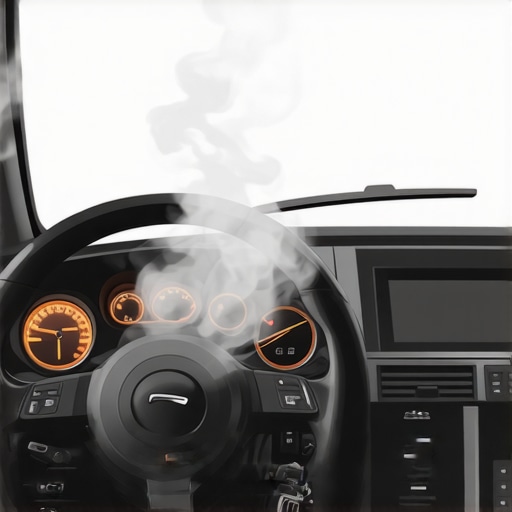
It was supposed to be a quick trip, just a 30-minute drive down the highway. But as I pulled into my driveway, an unsettling smell hit me—like burnt toast mixed with plastic. My heart sank. I opened the hood, and that ominous burning odor lingered, making me wonder if I was about to face a costly repair. Sound familiar? Many drivers experience this unsettling smell but shrug it off as a one-time thing. The truth is, that smell isn’t just annoying—it’s a warning sign that your vehicle might be facing issues that could escalate if ignored.
Burning Smell After a Long Drive — What’s Really Going On?
As a car enthusiast and someone who loves keeping vehicles in top shape, I’ve learned that that burning smell usually points to specific problems, often related to overheating or brake system issues. Initially, I made the mistake of assuming it was just a normal part of driving on a hot day or a bit of accumulated dirt. But I quickly realized that ignoring this odor could lead to serious damage, from warped brake rotors to damaged wiring. So, I decided to dig deeper, do my research, and learn how to handle this burning suspicion before it becomes a real emergency.
One thing I discovered is that over 60% of car fires are caused by overheated electrical components or brake system failures, according to a report from the National Fire Protection Association. That was a stark wake-up call for me, and it should be for you too. This article will guide you through understanding the root causes of that burning smell, how to identify them, and what steps to take to keep your vehicle safe and reliable.
Have you ever experienced that peculiar, alarming smell after a long drive? If so, you’re not alone—and the good news is, there’s a way to address it. Let’s explore what might be causing that burning scent and how you can prevent it from turning into a costly repair or a roadside emergency.
Is the Smell Actually Worth the Hype? My Early Mistakes
When I first noticed the smell, I thought it was just a one-off. I took my car for a quick drive, then parked it, thinking it was nothing serious. My mistake was ignoring what seemed like a minor issue. I didn’t check my brakes, wiring, or under-the-hood components — a classic oversight. Later, I learned that some problems, like a sticking brake caliper or leaking oil onto the exhaust, can cause that smell to become more than just an annoyance. Trust me, early intervention can save you from expensive repairs and even dangerous situations. For more on preventive maintenance, visit this guide.
Pinpoint the Source of the Smell
Start by opening your hood immediately after noticing the odor. Look for obvious signs like leaky liquids, toasted wiring, or smoke. Recall if you recently performed repairs or driven through harsh conditions; this context helps identify likely causes. For instance, a burnt smell coming from the engine bay might be linked to an oil leak onto hot exhaust components. During my own experience, I noticed smoke lingering near the brake calipers after a long drive, prompting me to inspect the brake system carefully.
Inspect Critical Components Carefully
Test Brake Function and Check for Sticking Calipers
Apply the brakes gently and listen for squeals or feel for a dragging sensation. Visually examine brake calipers for signs of sticking or overheating—discolored rotors or a burning smell suggests sticking calipers. Remember, a stuck caliper can cause uneven brake pad wear and overheating. I once noticed my car pulling to one side after a long drive; a quick caliper inspection revealed it was sticking, which I addressed by replacing the faulty part.
Examine the Electrical System
Look for melted wiring or scorched insulation around electrical components. Use a flashlight to detect discoloration or melting. Electrical shorts or failing wiring harnesses can overheat and emit a plastic-like smell. During my last check, I found a frayed wire near the fuse box that needed replacing to prevent potential fire hazards.
Perform Preventative Checks and Maintenance
Change Fluids and Inspect for Leaks
Regularly check oil, transmission fluid, and coolant levels; low or contaminated fluids can cause overheating. For example, I once discovered my coolant was low, leading to engine overheating and a burning smell. Flushing and replacing fluids at recommended intervals can prevent such issues.
Inspect Brake Pads and Rotors
Worn or warped brake components often generate burning odors. If your brake pads are less than 3mm thick, replace them promptly. During my brake service, I used expert tips to select the right brake pads, ensuring optimal performance and safety.
Address Issues Immediately to Prevent Damage
If you detect trouble during your inspections, don’t delay repairs. Ignoring sticking calipers, damaged wiring, or coolant leaks can escalate into costly repairs or dangerous situations, including vehicle fires. For complex repairs, consult professionals to ensure proper diagnosis and fixative procedures, as detailed in the auto repair guide.
Seeking Professional Help
When in doubt, take your car to a trusted service center. Expert technicians can perform comprehensive diagnostics to identify hidden issues. Visit Collision Renew for reliable service options and advice designed to restore your vehicle’s safety and efficiency.
Many car owners operate under misconceptions that can cost them dearly over time. A common myth is that all auto repairs are straightforward and that generic parts or DIY fixes are equally effective. However, the nuances of vehicle mechanics demand a deeper understanding, especially for critical services like brake repairs and transmission work. For instance, choosing cheap brake parts without evaluating quality can lead to premature wear and even safety hazards. It’s essential to recognize that not all repairs are created equal—skimping on quality often backfires, resulting in more expense and risk.
Another widespread mistake is assuming that routine maintenance isn’t urgent if there are no immediate signs of trouble. This can be a costly error, particularly with components such as transmission fluid or wheel bearings that degrade gradually but can cause severe damage if neglected. Regularly scheduled check-ups, aligned with your vehicle’s manufacturer guidelines, are vital for long-term reliability. Preventive maintenance can prolong your vehicle’s lifespan and save money in the long run.
Are You Falling for Oversimplified Solutions that Backfire?
Many drivers believe that simply topping off fluids or ignoring warning lights will suffice. This short-term fix ignores underlying issues like worn-out brake pads or a failing transmission sensor. In reality, some problems require professional diagnostics and targeted repairs to prevent escalation. Relying solely on quick fixes can trap you in a cycle of recurring issues, increasing costs and diminishing safety. Consulting trusted service providers who employ advanced diagnostic tools—like auto repair strategies—is often worth the investment.
Furthermore, avoid the misconception that all auto repair shops are interchangeable. Choosing a technician without proper certification or experience can lead to improper repairs and safety risks. Regularly reviewing reviews, asking for certifications, and understanding their specialization—such as brake or transmission expertise—are prudent steps. For specialized services like transmission care, trust matters. Remember, the goal is not just to fix your car, but to restore its safety and reliability for the road ahead.
So, next time you consider a repair or maintenance task, challenge the common assumptions and seek knowledgeable guidance. Invest in quality parts and expert service—your vehicle and safety depend on it. Have you ever fallen into this trap? Let me know in the comments.
Prioritize Reliable Equipment for Consistent Maintenance
To maintain your vehicle effectively over time, investing in high-quality tools is non-negotiable. I personally recommend a digital inspection camera, like the Meade Microscope Endoscope, because it allows me to peer into hard-to-reach areas under the hood or inside the transmission without disassembling major parts. This tool has saved me countless hours and prevented unnecessary repairs by enabling quick diagnostics of oil leaks, wiring issues, or corrosion. Additionally, a sturdy torque wrench, such as the CRAFTSMAN Digital Torque Wrench, ensures that bolts—like wheel lug nuts or transmission components—are tightened to manufacturer specifications, avoiding over-tightening or under-tightening which can cause long-term damage.
For brake inspections, I rely on a stethoscope-style mechanic’s probe to listen for abnormal sounds from calipers or pads without removing parts prematurely. Using precise tools enhances the quality of repairs and extends your vehicle’s lifespan. Don’t overlook the importance of properly rated jack stands and tire pressure gauges, which are fundamental for safe, comfortable maintenance sessions at home.
Leverage Software and Diagnostics for Long-Term health
On the software front, advanced OBD-II scanners like the BlueDriver Bluetooth Pro connect wirelessly to your smartphone and provide detailed diagnostic trouble codes. I frequently use it to track persistent issues that might not trigger warning lights but could lead to bigger problems if ignored, especially with transmission sensors or engine misfires. Modern diagnostic tools can also reset service lights and monitor real-time data, helping me make informed decisions about repairs or service intervals.
Looking ahead, I predict that with the advent of AI-powered diagnostics, future tools will automatically analyze vehicle data, recommend specific repairs, and even order parts proactively. Embracing smart diagnostics today prepares you for this evolution, ensuring your car remains reliable over its lifespan.
How do I maintain my tools and software over time?
Regular calibration of torque wrenches and updating diagnostic software are essential. I schedule bi-annual checks for my tools and download the latest firmware updates for my scanner to ensure they perform flawlessly. Proper storage—keeping tools clean and dry—also extends their life and maintains accuracy. Staying disciplined with maintenance of your equipment translates into more precise repairs, saving money and avoiding repeat work.
For comprehensive tips on extending your vehicle’s durability, consider reviewing this detailed guide. Remember, the right tools combined with sound maintenance practices are your best allies in automotive care. For instance, replacing worn-out parts early—like brake pads—can prevent costly damage later. Try calibrating your torque wrench this month and see the difference it makes in your next repair task. Quality tools not only streamline maintenance but significantly improve the longevity and safety of your vehicle, ensuring you stay on the road longer and safer.
Overcoming the mysteries of vehicle odors has been a journey of surprises and lessons. One thing I’ve realized is that confronting that burning smell head-on with knowledge and proactive habits can save you from costly repairs and potential safety hazards.
The Hardest Lesson I Learned About Car Care
- Never ignore early warning signs: That initial burnt smell isn’t just an annoyance; it’s your vehicle warning you about underlying issues that could escalate. I used to dismiss it as normal, but now I see it as a crucial alert that demands inspection.
- Consistent inspections are your best defense: Regularly checking brake systems, wiring, and fluids has spared me from emergency repairs and kept my vehicle running smoothly. Preventive care is always more affordable than repairs.
- Tools are worth their weight in gold: Investing in quality diagnostic tools like a Bluetooth OBD-II scanner and torque wrench has made diagnosing issues faster and more accurate, giving me peace of mind on the road.
Tools and Resources That Keep My Car in Top Shape
- Auto repair guides and websites: The comprehensive insights at this guide have helped me understand maintenance schedules and when to seek professional help.
- Reliable diagnostic equipment: I trust the latest OBD-II scanners for real-time data, which prevents minor issues from turning into emergencies.
- Skilled technicians and service centers: Knowing where to find certified professionals, like Collision Renew, is vital for complex repairs and peace of mind.
Embrace Your Power to Keep Cars Safe and Reliable
Taking charge of your vehicle’s health is empowering. By understanding the signs of issues like burning smells, leveraging the right tools, and partnering with trusted professionals, you become your own best mechanic and safety advocate. Don’t wait for small warnings to turn into major problems—start implementing these habits today and enjoy the road with confidence. Have you ever caught a warning sign early and saved yourself from a mishap? Share your experiences or questions below, and let’s learn together!