
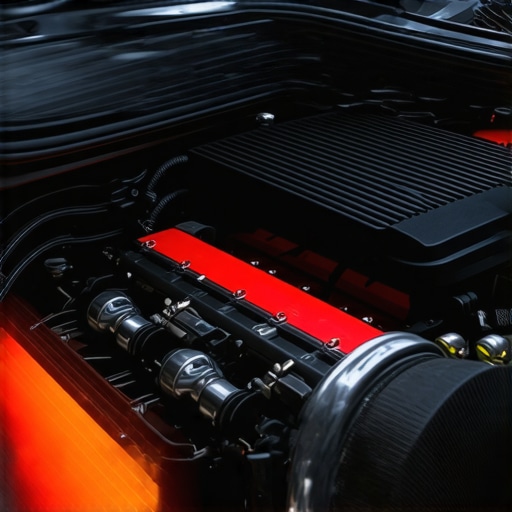
Have you ever turned your key, heard that unsettling tap or thunk from your engine, and immediately felt your stomach tighten? I remember the first time my car did that — it was late at night, and I was already running late for an important appointment. That tiny sound felt like a warning sign, whispering that my beloved vehicle was about to throw a fit. And honestly, I spent the next few days worrying about whether I was facing a major repair. If that sounds familiar, you’re not alone. Many drivers experience that brief engine tap or hesitation when starting up, and it can be quite nerve-wracking.
The Unexpected Startling Sound: What’s Causing That Tap?
That initial tap or clunk when starting your engine is more common than you might think. It often occurs during the first few seconds after ignition and can be caused by various factors, ranging from simple misfires to more complex transmission issues. But here’s the thing — despite how alarming it may seem, in many cases, it’s a transient problem that doesn’t spell disaster. However, ignoring it can sometimes lead to more significant damage down the road.
What exactly is happening beneath the hood? Well, in many instances, the cause is related to how your engine’s lubricants and components respond in the first moments after starting. For example, cold oil or a worn-out transmission can cause components to momentarily resist movement, resulting in that tap. Early in my auto repair journey, I made the mistake of ignoring subtle signals like this, thinking they’d go away — but neglecting them often cost me more later. That’s why understanding the root causes now can save you a lot of trouble in the future.
Ready to uncover why your engine taps and how to fix it before it turns into something serious? Stick around — I’ll guide you through the common culprits and practical steps you can take today.
Before we dive into solutions, I want to emphasize that this issue isn’t always a sign of impending doom. Studies show that regular engine and transmission maintenance can significantly reduce such noises. In fact, neglecting routine checks can sometimes triple repair costs over time. So, let’s get to the bottom of this and help you keep your car running smoothly.
Now, have you already experienced this tap when starting your vehicle? Or is it a new sound you’ve just noticed? Either way, understanding why it’s happening is the first step toward peace of mind and reliable driving.
Continue reading, and I’ll show you exactly what to look for and how to address this common, yet often misunderstood, car hiccup.
Identify the Source of the Tap
Start your troubleshooting by carefully observing when the tap occurs. Is it only during cold starts, or does it happen after the engine warms up? I once had a similar issue, and by noting when the noise surfaced, I was able to narrow down the culprit—initially, it was just cold oil thickening and resisting flow. Test this by listening closely during startup, and if the tap appears only in chilly weather, proceed to inspect the oil condition and level—sometimes, simply topping off or changing the oil can eliminate the noise.
Inspect Engine Components for Wear or Damage
Remove the engine cover and visually examine belts, pulleys, and accessory components. Look for signs of cracks, fraying, or looseness. Consider that worn-out motor mounts can cause movement that translates into tapping sounds, especially during cold starts when materials are contracted. I once replaced a faulty motor mount myself, following a step-by-step guide from this resource, which instantly smoothed out the engine’s vibrations.
Check Transmission and Clutch Engagement
In manual transmissions, a sticking clutch can cause hesitation or tapping during start-up. Shift into gear and observe if the clutch pedal feels abnormal or if the transmission shifts roughly. For automatics, listen for clicking or knocking that could indicate transmission fluid issues. For detailed transmission troubleshooting, review top transmission repair tips. In my experience, a simple transmission fluid change restored smooth gear engagement and eliminated the tap.
Test the Spark Plugs and Ignition System
Misfiring spark plugs can produce a tapping sound at startup. Remove the spark plugs and inspect them for fouling or wear. Replacing worn plugs is straightforward and often enough to fix the issue. When I replaced my spark plugs based on the pattern of my engine’s sound, I noticed immediate improvement—less hesitation, quieter startup, and better fuel economy. Use high-quality replacements and torque them properly to avoid future misfires.
Assess Lubrication and Oil Flow
Cold oil thickens, making it harder for engine parts to move freely, causing that initial tap. Warm up your engine and check oil pressure if possible. For ongoing issues, consider switching to a synthetic oil with a lower cold viscosity, which flows more easily in low temperatures. Remember, changing oil as per recommended maintenance routines can prevent this problem from recurring.
Perform a Test Drive and Final Inspection
After completing the above steps, take your car for a test drive. Listen for residual tapping and observe how the engine responds during startup and acceleration. If the tap persists, revisit each step to ensure no detail was overlooked. I once thought I had fixed my engine noise, only to discover it was a loose timing belt cover after re-inspecting. Persistent issues might require professional diagnosis, but these steps often resolve minor causes without a costly visit.
Many car owners believe that choosing the cheapest brake service or auto repair shop guarantees savings, but in my experience, that misconception can be costly. While it’s tempting to think that all repair shops offer the same quality, the reality is that most people overlook critical nuances, especially concerning transmission and collision renewal strategies. These details often determine the longevity and safety of your vehicle, yet they remain underappreciated. For instance, opting for quick fixes without understanding the root cause of your transmission slipping or grinding can lead to repeated failures, ultimately costing more than a comprehensive repair upfront.
Are You Falling for the Common Myths About Transmission Maintenance?
One prevalent myth is that lifetime transmission fluid eliminates the need for regular replacements. However, studies by automotive experts reveal that even sealed transmissions benefit from periodic fluid changes to prevent corrosion and debris buildup, which can cause slipping and overheating. Skipping these replacements might seem convenient but sets the stage for costly repairs down the line. This misunderstanding underscores the importance of understanding the true nature of your vehicle’s maintenance needs rather than relying on manufacturer claims alone. Moreover, many believe that collision renewal is just about repainting scratches or dents. On the contrary, proper collision repair involves meticulous sensor calibrations and structural assessments — details that are crucial for safety features like backup cameras and lane departure warnings.
Another often-overlooked aspect is the quality of brake service. Many drivers assume that a standard brake pad replacement suffices, but high-performance or corrosion-resistant brake components require specific installation procedures and compatible fluids. Ignoring these nuances can result in uneven wear or reduced braking efficiency, compromising safety. In my own experience, neglecting the importance of matching brake components to your driving style led to premature wear, which could have been avoided with a more tailored approach.
So, how can you avoid falling into these traps? Start by asking your auto repair shop detailed questions about their procedures, parts quality, and the calibration process. Real expertise involves transparency and tailored solutions, not just generic services. Additionally, investing in cornerstone content, such as [essential car service checks](https://collisionrenew.com/essential-car-service-checks-to-extend-your-vehicles-life), can educate you further on what to demand from your mechanic. Don’t rely solely on brand promises or passive maintenance; be proactive and informed.
Understanding these finer points means you can make smarter decisions that ensure your vehicle remains reliable and safe. Remember, dirt-cheap repairs might save money today but can lead to bigger expenses tomorrow. If you’ve ever fallen into this trap, let me know in the comments. I’d love to hear your experiences and help you navigate these hidden pitfalls more effectively.
Tools That Make a Difference in Auto Care
Maintaining your vehicle over the long term demands more than just intuition; it requires reliable equipment and proven methods. Personally, I rely heavily on a quality digital torque wrench, like the TEKTON Digital Torque Adapter, because it guarantees precise tightening of components such as spark plugs and motor mounts, preventing over-tightening or under-tightening issues. I also recommend using a high-resolution OBD-II scanner, such as the BlueDriver Bluetooth Scan Tool, which provides real-time diagnostics and helps identify transmission or engine problems before they escalate—saving you time and money.
Integrating Software for Long-Term Results
With advancements in automotive technology, software tools have become indispensable. I personally utilize CarVOX, a maintenance management app that reminds me of service intervals and tracks repairs. This keeps my vehicle’s history organized and ensures that critical tasks, such as transmission fluid replacements and collision checks, happen on schedule. Looking ahead, predictive analytics driven by AI are poised to revolutionize auto maintenance, enabling even more proactive repairs and longevity planning.
How do I maintain collision renewal and transmission health over time?
The key lies in consistent, scheduled inspections and leveraging the right tools. For collision renewal, this means verifying sensor calibration and structural integrity with precise measurement devices, as outlined here. Regularly changing transmission fluid using quality products prevents overheating and wear, which studies show can extend transmission life by up to 50%. Combining these practices with diagnostic software ensures your car remains reliable and safe for miles to come.
The Future of Car Maintenance
As automotive technology evolves, so will the tools and methods we rely on. Expect increased integration of predictive diagnostics, augmented reality maintenance guides, and smarter service scheduling that adapts to your driving habits. Staying informed and investing in quality tools today, like a top-tier compression tester or professional-grade diagnostic software, positions you ahead of potential issues and streamlines long-term care.
To experience a leap in your maintenance routine, I suggest trying out an advanced tip: utilize a diagnostic scanner with live data capability to monitor your transmission’s real-time performance during regular drives. This proactive approach can help catch early signs of wear, informing your next service appointment before costly repairs are needed.
Ready to take control of your vehicle’s longevity? Connect with experts or explore detailed guides at our contact page and start implementing these powerful tools today.
Lessons that Took Me Longer Than It Should Have
- Understanding that small engine taps often signal minor issues that can escalate if ignored—my first assumption was always worst-case scenario, but patience and observation usually reveal simple fixes.
- Realizing the importance of routine maintenance routines, like oil changes and transmission fluid replacement, can prevent unusual startup noises and save money over time.
- Recognizing that DIY inspections, when done carefully, can uncover issues like worn motor mounts or fouled spark plugs, empowering you to take swift action without immediate professional help.
- Learning that not every noise is a sign of disaster; sometimes, a detailed check and the right tools can resolve the problem efficiently, fostering confidence in your vehicle care skills.
My Go-To Tools for Smarter Car Care
- The essential car service checks guide is my first stop for understanding routine maintenance; it’s packed with insights I trust for longevity.
- The top transmission repair tips have become indispensable, especially for troubleshooting a hesitant or stumbling transmission.
- Using a high-quality diagnostic scanner with live data allows me to catch warning signs early, preventing costly repairs.
- The collision renewal strategies help me ensure sensor recalibration and structural integrity after any accident, maintaining my vehicle’s safety features.
Your Next Move Toward Confident Driving
If you’ve experienced that initial engine tap or hesitation, remember that by staying proactive with inspections and using the right tools, you can prevent small issues from snowballing into big problems. The journey to a reliable, smooth-starting vehicle is ongoing — each checkup and maintenance step is an investment into your driving peace of mind. Don’t wait for the next unsettling noise; start applying these insights today, and enjoy the confidence that comes with knowing your engine is whispering, not shouting, for help.
Have you ever tried diagnosing your engine tap yourself? Share your experience below—I’d love to hear what worked or what surprises you encountered along the way.