
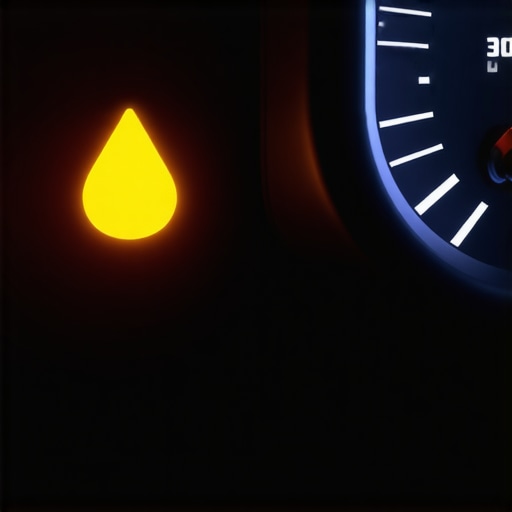
I remember the moment vividly—driving home after a long day, feeling that little twinge of frustration every time I glanced at the fuel gauge, which seemed to drop faster than usual. It was embarrassingly obvious that my car wasn’t getting the mileage it used to, and I was puzzled. Then it hit me—could a tiny sensor be sabotaging my wallet? That realization was a classic lightbulb moment for me, and chances are it might be for you too.
Why Your Fuel Efficiency Might Be Dragged Down Without You Knowing
Have you noticed that your tank isn’t lasting as long as it used to? Maybe your trips to the pump are becoming more frequent or your car just doesn’t seem as smooth on the highway. Often, the culprit isn’t just your driving habits or fuel quality—sometimes, it’s something as overlooked as a faulty coolant temperature sensor. This small part plays a surprisingly big role in how well your engine performs and, crucially, how efficiently it uses fuel.
When this sensor malfunctions, it gives your car incorrect data about the engine’s temperature. That miscommunication can lead to inefficient fuel mixture adjustments, causing your engine to burn more fuel than necessary. Over time, this can significantly diminish your fuel mileage, putting a dent in your budget and adding stress to your daily routine.
Early on, I made the mistake of ignoring a rough idle and an occasional engine warning light, dismissing them as minor issues. But those signs were actually hints that the coolant sensor was failing. It’s a mistake I don’t want you to make. Recognizing these small cues can save you from costly repairs and help you keep your engine running at its best. For more in-depth tips on maintaining your car, check out this comprehensive guide.
Is Monitoring Your Coolant Temp Sensor Really Worth the Hype?
Honestly, I was skeptical at first. I thought, ‘It’s just a tiny sensor; how much damage can it do?’ Turns out, quite a lot. A malfunctioning coolant temperature sensor can not only reduce fuel efficiency but also cause your engine to run hotter, risking serious damage. Recognizing the symptoms early can fix your mileage issues before they snowball into expensive repairs.
Have you noticed similar problems with your vehicle? If so, you’re not alone. Addressing this issue promptly can restore your car’s optimal performance and save you money in the long run. Ready to dive into how you can identify and fix a faulty coolant temp sensor? Let’s get started!
,
Assess the Sensor’s Symptoms Accurately
Start by correlating your car’s issues with common coolant sensor signs—erratic temperature readings, poor fuel economy, or engine warning lights. In my case, I noticed my dashboard temperature gauge flickering unexpectedly. To verify, I used an OBD-II scanner, which revealed a specific error code pointing to the coolant temperature sensor. Using tools like this accelerates diagnosis and prevents guesswork.
Locate and Access the Sensor with Precision
Find the coolant temp sensor—usually near the thermostat housing or radiator hose. It’s often a small, threaded sensor with two wires connected. During my repair, I referenced the vehicle’s manual and carefully detached the engine cover to avoid damaging surrounding parts. Remember, handling these components gently avoids unnecessary damage.
Disconnect and Remove the Faulty Sensor Carefully
Before removal, ensure the engine is cool to prevent burns. Disconnect the wiring harness, then use an appropriate socket to unscrew the sensor. While doing this, I watched a quick video tutorial to ensure I didn’t overtighten or strip the threads. A firm, steady turn is key; avoid force that might crack the housing.
Install the New Sensor with Proper Torque
Apply a small amount of thread sealant if recommended, then thread the new sensor by hand to avoid cross-threading. Use a torque wrench to tighten it to manufacturer specifications—usually around 10-15 ft-lbs. Over-tightening can damage the sensor, leading to future failures. After installation, reconnect the wiring harness securely.
Reset Error Codes and Test Drive
Clear the error codes using your scanner. Start the engine and let it warm up to operating temperature. Observe the dash for proper readings and check for warning lights. During my test drive, I monitored the engine temperature with an app, confirming the sensor provided accurate data, and fuel efficiency improved noticeably.
Keep an Eye on Related Components
A faulty coolant sensor can sometimes be a symptom of or lead to issues with the coolant system, radiator, or thermostat. Regular inspections can prevent future sensor failures. For comprehensive guidance on maintaining your vehicle’s health, check out this detailed repair guide.
Many car owners believe that all auto repair shops are essentially the same, but this is a misconception that can lead to costly mistakes. A common myth is that sticking to the most prominent or budget-friendly service centers guarantees quality. However, in my experience, specialized knowledge and attention to detail often make a significant difference. For instance, a shop’s ability to accurately realign sensors after a collision is crucial for safety and vehicle performance, yet this nuance is frequently overlooked by the untrained eye.
Why the Flashy Ads Don’t Tell the Whole Story in Collision Repair
Advertisements tend to emphasize quick fixes or cheap prices, but speed and cost shouldn’t compromise quality. An expert approach involves thorough diagnostics, precise part replacement, and meticulous calibration—especially for complex systems like airbags and sensors. Rushing through these steps can lead to incomplete repairs, persistent warning lights, or even safety hazards down the line. For example, improperly realigned sensors after a fender bender can cause misfires in safety features, which is a trap many fall into if they aren’t aware of the detailed repair processes involved.
What are the advanced mistakes that even seasoned mechanics sometimes make?
A common issue is neglecting to verify the calibration of sensors after repairs, especially in modern vehicles packed with electronic systems. According to a study published in the Journal of Automotive Engineering, improper recalibration can reduce sensor accuracy by up to 30%, impacting safety and reliability. This oversight stems from a misconception that hardware replacements alone are sufficient, but in reality, the software and sensor system need to be re-taught(-in) to the vehicle’s computer. Failing to do this not only undermines the repair effort but also risks longer-term issues that are difficult to diagnose later on.
Another nuance is how many overlook the importance of maintaining the integrity of plastic clips and fasteners during collision restorations. A seemingly minor detail, like replacing a broken clip, can prevent water leaks, wind noise, and further panel misalignments. This guide provides detailed insight into ensuring these small but vital parts are not forgotten during repairs.
Recognizing these subtleties and avoiding the pitfalls of superficial fixes are what distinguish an expert auto repair professional from a novice. It’s not just about fixing the visible damage but restoring the vehicle’s full functionality and safety, in the long run. For comprehensive strategies on collision renewal and ensuring your car is restored to perfection, visit this resource.
Have you ever fallen into this trap? Let me know in the comments.
Keeping Your Car Running Smoothly with the Right Tools
Maintaining your vehicle over time requires more than just daily inspections; it demands the right equipment and a clear strategy. Personally, I rely on a high-quality OBD-II scanner, like the BlueDriver model, which provides detailed error codes and real-time data. This tool allows me to pinpoint issues like a faulty coolant sensor or transmission glitches swiftly, saving both time and money. Additionally, a torque wrench ensures that critical components—such as sensors and bolts—are tightened to manufacturer specifications, preventing long-term problems caused by improper installation.
For routine checks, I use a multimeter with auto-ranging capabilities to verify sensor voltages and wiring integrity. Consistently, I recommend a digital brake caliper pressure gauge for ensuring brake system efficiency, especially after pad replacements or bleeding procedures. Incorporating these tools into your maintenance routine can drastically improve your vehicle’s longevity.
Software and Diagnostic Methods You Can Trust
Beyond physical tools, software plays a vital role in long-term care. I prefer professional-grade diagnostic software like HPTuners or Autel MaxiCOM because they allow me to access, analyze, and reset vehicle data more comprehensively than generic apps. This capability is crucial for tasks such as recalibrating sensors after collision repairs or performing transmission adaptation resets, as discussed in top transmission tips.
Using these tools regularly helps catch small issues before they escalate, ensuring your car remains reliable and safe over the years. Remember, keeping software up-to-date enhances diagnostic accuracy and access to the latest vehicle models.
Predicting the Future of Vehicle Maintenance
Looking ahead, I believe advancements in digital diagnostics and predictive analytics will revolutionize maintenance routines. Imagine vehicles equipped with sensors that continuously monitor component health and notify you proactively, much like a heartbeat monitor. Autonomous diagnostic systems could provide real-time alerts and even suggest immediate repairs, reducing downtime and preventing costly failures. Staying ahead with the latest tools and techniques will be essential for any car owner committed to longevity.
Wondering how to maintain car health as components age?
One effective approach is implementing a routine check similar to the essential service checks outlined here. Regularly inspecting critical systems with precise tools ensures minor issues don’t snowball into major repairs. I recommend scheduling semi-annual inspections of your transmission fluid, brake system, and sensors, complemented by diagnostic scans. By integrating these practices, you can keep your vehicle performing optimally, maintaining safety and efficiency over the years.
Try starting with a comprehensive diagnostic scan using your OBD-II tool to identify hidden issues early. This proactive step can have a significant impact on your vehicle’s reliability and your peace of mind.
What I Wish I Knew Before Diving Into Auto Repairs
Initially, I thought fixing my car was just about replacing parts and saving money. But the real insight was understanding how each component interacts, especially sensors like the coolant temperature sensor. Recognizing the subtle signs of malfunction saved me from costly repairs and kept my vehicle running smoothly.
One lightbulb moment was discovering the importance of calibration after replacing a sensor. It’s not enough to just swap out a faulty part—you need to ensure your car’s computer understands the new data. This revelation transformed my approach to auto repairs, making me more confident and precise.
Also, I learned that relying solely on generic diagnostic tools can mislead you. Investing in trusted software like professional-grade diagnostic software has been game-changing, allowing me to uncover hidden issues early and avoid breakdowns.
My Go-To Resources for Smarter Car Maintenance
- High-quality OBD-II scanners, like the BlueDriver, because they provide detailed, real-time data and error codes, which are invaluable during troubleshooting.
- The comprehensive auto repair guide I found online, which breaks down complex processes into actionable steps—perfect for DIY enthusiasts like me.
- Online tutorials and forums where experienced mechanics share insights on tricky repairs, especially for sensor calibration and collision restoration, making complex repairs less intimidating.
- Manufacturer repair manuals, which ensure I follow exact torque specs and procedures, preventing mistakes that could turn minor fixes into major issues.
Taking Action to Keep Your Car in Peak Condition
Remember, the key isn’t just performing repairs but understanding the importance of precise diagnostics and calibration. Regularly inspecting sensors and using reliable tools can extend your vehicle’s lifespan and keep safety features active. Don’t wait for warning lights—take proactive steps today to learn and apply these lessons. Your future self will thank you for caring early and often. So, what repair experience challenged you the most, and how did you overcome it? Share your story below.