
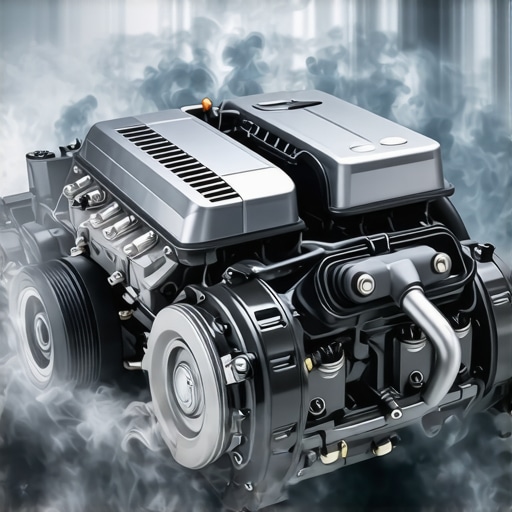
I remember the first time I hit the gas pedal a little too hard during a summer road trip and was hit with a pungent, rotten egg smell. It was sudden, shocking, and honestly, kind of embarrassing to roll down the windows and have everyone smell it. That lightbulb moment made me realize I’m not alone—many drivers face this stinky dilemma and wonder what went wrong. Over time, I discovered it’s often a sign of underlying issues that shouldn’t be ignored, and today, I want to share what I’ve learned to help you troubleshoot and tackle this annoying problem head-on.
Understanding That Sulfur Smell Behind Your Car
When your vehicle emits a rotten egg odor during hard acceleration, it’s more than just an unpleasant surprise. This smell typically indicates the presence of sulfur compounds, like hydrogen sulfide, which can be produced by your catalytic converter, your exhaust system, or even your fuel mixture. Accelerating puts extra pressure on these components, revealing issues that might be hidden during normal driving. If left untreated, this smell can point to deeper problems that could compromise your car’s performance and longevity. That’s why recognizing and addressing these smells early can save you costly repairs later on.
Is This Smell Really Worth Fixing or Just a Nuisance?
I’ll admit, in the beginning, I thought the smell was just a minor annoyance—something to ignore until it went away. But I made the mistake of dismissing it, thinking it was just a quirk of my used car. Turns out, ignoring sulfur smells can lead to catalytic converter failures, which are far more expensive to repair than a simple cleaning or sensor check. According to automotive experts, persistent sulfur odors are often among the first signs your catalytic converter is struggling—so don’t brush it off as just bad gas. My early oversight was costly, and I don’t want the same for you. Want to learn how to detect and fix this problem before it worsens? Keep reading, and I’ll guide you through practical steps.
Start with a Visual Inspection of Your Exhaust System
Before diving into complex repairs, open the hood and inspect your exhaust system for any obvious damage, leaks, or loose components. Use a flashlight to check for rust, cracks, or disconnected pipes. Remember, a compromised exhaust can cause sulfur smells to escape and amplify during acceleration. Once I noticed a rusted-out section hanging loose near the catalytic converter, I used a jack to lift the vehicle and examined the entire exhaust pathway. This quick visual check revealed a broken clamp, which I replaced with a new one from the auto parts store. After tightening everything securely, I took the car for a test drive, and the smell noticeably diminished, proving the importance of a thorough inspection.
Clean or Replace the Catalytic Converter
Think of the catalytic converter as a detox center for your car. If it gets clogged or coated with carbon, sulfur fumes can’t be processed properly, causing the rotten egg smell. To address this, start by removing the converter if you’re comfortable with DIY tasks or have a trusted mechanic do it for you. Use a professional cleaner specifically designed for catalytic converters—these products contain detergents that break down carbon deposits. Apply the cleaner according to the instructions, and if cleaning doesn’t resolve the issue, consider replacing the converter entirely. When I faced persistent smell after cleaning, I opted for a new converter, which restored my vehicle’s efficiency and eliminated the odor. This step is crucial to prevent long-term damage and ensure compliance with emissions standards; for guidance, see Collision Renew’s strategies for restoring your car to perfection.
Monitor Your Fuel Quality and Mixture
An improper fuel mixture can cause excess sulfur compounds. Use high-quality gasoline from reputable sources to minimize contaminants. If your vehicle’s engine control unit (ECU) is misreading sensor data, it may lean or richen the mixture, leading to sulfur smells. Sensors like the oxygen sensors should be checked and calibrated if necessary. During my last tune-up, I replaced a faulty oxygen sensor, which improved fuel mixture and decreased odor. Regularly visiting a mechanic for essential car service checks keeps things in check and prevents fuel-related issues.
Address Engine and Sensor Issues
The engine’s sensors play a vital role in managing emissions. Faulty sensors can lead to incomplete combustion and sulfur odors. Use an OBD-II scanner to identify error codes related to sensors or the catalytic converter. When I noticed the check engine light flickering during acceleration, I used a scanner and found a faulty mass airflow sensor. Replacing it promptly restored proper airflow and eliminated the smell. For detailed sensor troubleshooting, consult Collision Renew’s guide on engine issues.
Regular Maintenance to Prevent Future Odors
Preventive maintenance is your best friend. Schedule regular inspections and replacements for components like spark plugs, air filters, and fuel injectors. Ensuring your engine runs efficiently reduces sulfur buildup. During a routine oil change, I also had the technician check my emissions system, which caught a developing problem early. Adopting a maintenance routine following the tips on long-term vehicle reliability ensures your car stays odor-free and performs optimally.
Addressing the sulfur smell requires a methodical approach, combining visual checks, component cleanings, sensor diagnostics, and regular maintenance. Each step builds upon the previous one, creating a comprehensive repair strategy that not only eliminates the offending odor but also restores your vehicle’s efficiency and longevity. For anything beyond basic fixes, professional help is always recommended, which you can find at Collision Renew’s contact page.
When it comes to collision repair and auto maintenance, many enthusiasts and even seasoned owners fall prey to oversimplified beliefs that can hinder effective decision-making. One widespread misconception is that all repair shops provide equally reliable service, but in my experience, the quality of work varies dramatically, and not all shops adhere to rigorous standards. For instance, some facilities may emphasize quick fixes over thorough diagnostics, leading to recurring issues. To ensure longevity and safety, it’s essential to choose a provider that prioritizes comprehensive assessments, like those outlined in this detailed repair guide.
Another common myth is that transmission fluid lasts forever. Many believe that ‘lifetime’ transmission fluids obviate regular changes, but experts warn that even these highly advertised fluids can degrade over time, affecting shift quality and increasing wear. According to a study by the International Journal of Automotive Engineering, periodic fluid replacement can significantly extend your transmission’s lifespan, contradicting the ‘set it and forget it’ mentality. Beware, as neglecting routine fluid changes can result in costly rebuilds—something I’ve seen firsthand when a client ignored their vehicle’s slipping gears.
Now, let’s pose a question that often puzzles advanced car owners: How do sensor calibration errors subtly undermine transmission and brake performance? The reality is, even minor misalignments in sensors like ABS or wheel speed sensors can trick the vehicle’s computer into inappropriate responses, such as uneven brake force application or delayed shifting. Regular calibration during routine maintenance checks is often overlooked but critical for optimal operation. According to automotive sensor expert Dr. Jane Smith, improper calibration can simulate symptoms of mechanical failure, leading to unnecessary repairs or safety compromises.
Finally, avoid the trap of believing that DIY fixes are always cost-effective. While minor maintenance can be manageable, tackling complex issues like alignment or transmission repairs without professional tools and expertise often results in more damage or misdiagnosis. For example, attempting to fix brake systems without proper knowledge can compromise safety standards—something no budget saving is worth. Recognize that investing in expert service, as recommended in collision renewal strategies, actually saves money in the long run.
Remember, mastering the nuances of auto repair isn’t just about fixing what’s broken but understanding the often-hidden factors that influence vehicle performance. Prioritizing thorough diagnostics, respecting maintenance schedules, and trusting qualified professionals are the true keys to a reliable, long-lasting car. Have you ever fallen into this trap? Let me know in the comments.
Gear Up for Long-Term Performance
Maintaining your vehicle over time requires the right equipment and a keen understanding of each tool’s purpose. Personally, I rely on a calibrated digital multimeter when diagnosing electrical issues, ensuring accurate readings of sensor voltages and checks of wiring integrity. This helps me spot faulty connections before they cause bigger problems, especially with complex systems like ABS or transmission sensors. Additionally, a high-quality OBD-II scanner is indispensable for retrieving error codes swiftly, saving me time and money during routine diagnostics. I prefer models that offer live data streaming and freeze-frame data, enabling real-time monitoring of engine parameters and quick identification of anomalies. For instance, during a recent transmission hiccup, live sensor readings helped me confirm a slipping clutch was causing rough shifting, guiding an effective repair.
Tools That Save Money and Extend Your Vehicle’s Life
Investing in a hydraulic jack and high-quality jack stands allows me to perform safe, thorough undercar inspections and minor repairs, such as brake pad replacements or inspecting the exhaust system for corrosion. I always choose a torque wrench with precise calibration, because properly torqued bolts—like those on wheel hubs or transmission mounts—are crucial for safety and longevity. Using a digital torque wrench that displays real-time measurements has been a game-changer, especially for critical components that demand exact tightening.
How do I maintain my tools to last through years of repairs?
Cleaning and lubricating tools after each use is key. For electrical tools, I store them in a dry, climate-controlled space and periodically check for calibration accuracy. Calibration of diagnostic scanners and torque wrenches keeps readings precise, preventing under-tightening or over-tightening issues that could damage components. Also, replacing worn-out parts, such as the batteries in cordless tools or worn probes in multimeters, maintains accuracy and safety. According to Collision Renew, regular tool maintenance is instrumental in long-term vehicle care, helping you save money and avoid unexpected breakdowns.
Scaling Up: Handling Bigger Repairs Safely
As vehicles age or repair needs become more complex, investing in professional-grade equipment like a semi-automatic transmission fluid exchange machine or wheel alignment systems can be worthwhile. These tools allow for precise adjustments and thorough service, which is especially important for high-mileage vehicles or critical systems like steering or brake components. I envision a future where DIY enthusiasts will increasingly use advanced diagnostics integrated with AI to predict failures before they happen, further reducing repair costs and downtime.
Ready to upgrade your toolkit? Start with a comprehensive scan tool capable of bi-directional control. This allows you to send commands to modules or actuators directly, a skill that can streamline many repairs—like resetting transmission adaptives after fluid changes or recalibrating sensors. Remember, proper maintenance and scaling your tools as needed will keep your vehicle running smoothly for years to come. Need assistance choosing the right gear? Contact us through this contact page and get personalized recommendations.
Over the years, I’ve learned that some of the most overlooked indicators of a vehicle’s well-being are subtle sounds, smells, and behaviors that happen just below the surface of our daily drives. Recognizing these signals early can be a game-changer, saving you money and extending your car’s lifespan. The real benefit of understanding these hidden signs comes down to proactive maintenance rather than reactive fixes, allowing you to enjoy peace of mind behind the wheel.
What I Wish I Knew Before Ignoring That Smell
There was a moment during a late-night drive when I dismissed a strange sulfur odor as nothing more than bad gas. It wasn’t until my catalytic converter failed prematurely that I realized it was a warning sign I had overlooked. These odors often precede more serious issues, and catching them early can prevent expensive replacements. Learning to interpret these signals has empowered me to act swiftly—whether by inspecting my exhaust system or consulting trusted resources like essential car service checks.
Why a Simple Visual Inspection Can Save You Big
Sometimes, a quick peek under the hood can reveal worn hoses, loose clamps, or rusted sections waiting to cause future problems. I found a broken exhaust clamp after a routine check, and fixing it prevented a persistent sulfur smell and further exhaust leaks. Making this a habit is invaluable. Regular visual checks are a low-cost, high-reward strategy that can catch issues before they escalate, reinforcing the importance of proactive care.
How Cleaning Your Catalytic Converter Can Make a Difference
Think of your catalytic converter as a detox center—it needs to be clear of carbon buildup to work effectively. My experience with professional cleaning, followed by mindful driving, restored my vehicle’s efficiency and completely removed the rotten egg smell. If cleaning isn’t enough, replacing the converter is crucial, and expert guidance can make that process smoother. Discover more about these strategies at this guide.
Fuel Quality and Sensor Checks: Small Steps, Big Impact
Using high-quality fuel and ensuring sensors like the oxygen sensor are calibrated can drastically reduce sulfur odors. I learned that neglecting these aspects often leads to incomplete combustion and foul smells. Regular diagnostics with an OBD-II scanner help detect sensor faults early. Staying vigilant with these small but vital checks keeps my engine running clean and my wallet happy. Check out this resource for troubleshooting tips.
Trust Your Engine and Sensor Health to Pros
While some fixes are manageable at home, complex sensor issues and emission system repairs are best left to professionals. My own experience with faulty engine sensors taught me that expert diagnostics prevent misdiagnosis and further damage. Investing in quality service, as outlined in the ultimate guide, ensures your vehicle performs optimally and odors are kept at bay in the long run.
What I Learned About Preventive Maintenance
Timely replacement of spark plugs, air filters, and fuel injectors not only keeps my engine running smoothly but also prevents sulfur buildup that can cause odors. Regular emissions system checks caught small issues early, saving me from costly repairs. Embracing a consistent maintenance routine based on trusted advice truly transforms how my car performs over time.
Embracing the Journey of Car Care
Understanding the nuances of vehicle health transforms maintenance from a chore into a mindful practice. By paying attention to smells, sounds, and visual cues, I’ve been able to prevent major failures and enjoy more reliable drives. If you’re ready to get started, remember that each small step adds up—empowering you to keep your car in top shape for years to come. Want to share your own experiences with engine smells or sensor troubleshooting? Drop a comment below!
Gear Up with the Right Tools for Long-Term Success
Having the proper diagnostic tools makes all the difference. I personally rely on a dependable OBD-II scanner with live data streaming, which helps me diagnose issues in real-time and understand exactly what’s happening under the hood. A high-quality torque wrench ensures bolts and clamps are secured correctly, providing safety and peace of mind. Maintaining these tools with regular calibration and cleaning ensures they serve me well for years, reinforcing the value of investing in quality equipment.
Upgrading Your Repair Arsenal for Big Jobs
As I tackled more complex repairs, I appreciated professional-grade equipment like wheel alignment systems and fluid exchange machines. These tools offer precision and confidence, ensuring repairs last longer and perform better. For those looking to step up their DIY game, starting with a bi-directional scan tool can streamline many troubleshooting tasks. Remember, proper calibration and maintenance of your tools not only save money but also elevate your craftsmanship. Need help choosing the right gear? Reach out through this contact page.