
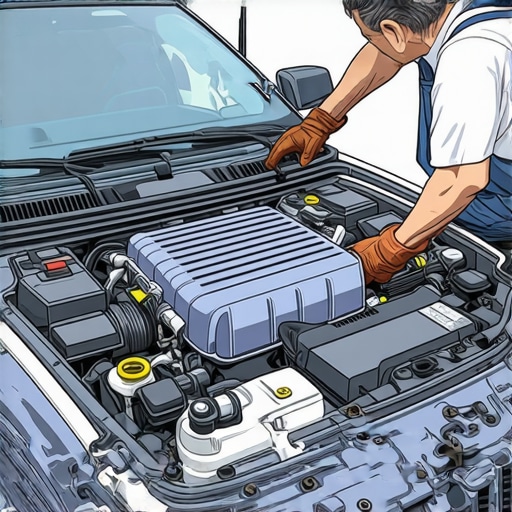
It was a morning like any other, until I realized my steering wheel wouldn’t turn as smoothly as it used to. One day, I was navigating a tight parking lot, and suddenly, the wheel felt stiffer, almost like trying to steer through molasses. That unsettling realization hit me—I had a tiny leak in my power steering system, and I ignored it for too long. What started as a minor inconvenience soon revealed itself as a major safety concern. If you’ve ever dismissed that slow drip beneath your car or hesitated to get it checked, you’re not alone. But trust me, ignoring a slow leak can escalate into costly repairs—or worse, a dangerous failure on the road.
Why a Small Power Steering Leak Can Turn Into a Big Problem
Power steering relies on a hydraulic system, using fluid to make steering effortless. When there’s a leak, fluid levels drop, and the system can’t function properly. Initially, the leak might seem insignificant—just a few drops every now and then. But over time, those drops add up. The cost of neglect isn’t just a messy driveway; it’s a compromised steering system that can fail unexpectedly. That failure might occur during a sharp turn or, worse, in an emergency situation, where your ability to control the vehicle is critical.
According to automotive safety experts, a leaking power steering pump can lead to increased steering effort, which could cause driver fatigue and even accidents. Plus, continued operation with low fluid levels can damage other components, like the pump itself or the steering rack, leading to hefty repairs. I learned this lesson early on—my mistake was thinking I could top off the fluid once and call it a day. But the leak persisted, slowly draining my system, and I realized the importance of addressing even the tiniest issues.
Have you ever noticed a small drip or heard a whining noise when turning the steering wheel, but shrugged it off? If so, you’re risking a breakdown just when you least expect it. The good news is, with a little bit of maintenance and awareness, you can prevent this cascade of problems. Today, I’ll guide you through how to identify early signs, what steps to take, and how to save money and safety by acting promptly.
Want to avoid costly repairs and stay safe on the road? Let’s dive into the practical steps to keep your power steering system healthy.
Start with a Visual Inspection of the Power Steering System
Before diving into repairs, open your hood and look for obvious signs of a leak, such as fluid pooling beneath your vehicle or on engine components. Check the power steering fluid reservoir for low levels and examine hoses and connections for cracks or damage. A real-life example: I once noticed a reddish fluid on my driveway and quickly identified a cracked hose, saving me from a roadside emergency.
Gather the Necessary Tools and Replacement Parts
You’ll need a set of wrenches, screwdrivers, a container to catch fluid, and replacement parts like hoses, clamps, or O-rings. Having the manual handy ensures you identify specific components correctly. I learned early on that having the right tools prevents mishaps and reduces repair time, especially when dealing with stubborn clamps.
Drain the Power Steering Fluid Properly
Locate the drain plug or disconnect the lowest hose to let fluid out into a container. Do this slowly to avoid spillage. Remember, powering down the vehicle and wearing gloves keeps things safe. Once drained, you can properly assess the system for leaks and plan your repairs without mixing old and new fluids.
Identify and Replace Damaged Components
Inspect hoses for cracks, bulges, or stiffness. If a hose looks compromised, detach it carefully, noting its routing. For example, I replaced a cracked return hose and saw how a small tear could lead to fluid loss. When replacing, secure clamps tightly but avoid over-tightening, which can cause additional damage.
Use Fluid Compatibility
Replace with the correct power steering fluid type as specified in your owner’s manual. Mixing incompatible fluids can damage internal seals and worsen leaks. Always double-check the specifications or consult a professional if unsure.
Reassemble and Refill the System
Reconnect hoses, tighten fittings, and refill with fresh fluid through the reservoir. Start the engine, turn the steering wheel from lock to lock several times to circulate fluid, then check for leaks. In my experience, carefully monitoring the fluid level during this process prevents underfilling or overfilling, which can compromise system performance.
Test Drive with Caution
Drive your vehicle for a few minutes, paying attention to steering responsiveness and any leaks. If you notice stiff steering or further fluid loss, re-inspect the system. This hands-on approach was crucial when I repaired my steering, ensuring the leak was fully sealed and functionality restored.
Schedule Regular Maintenance Checks
Prevent future leaks by periodically inspecting the power steering system. Refer to [essential car service checks](https://collisionrenew.com/essential-car-service-checks-to-extend-your-vehicles-life) to stay ahead of issues. Proactive maintenance saves money and keeps your vehicle safe, which is why I now prioritize these inspections every few months.
Many car owners operate under a set of beliefs about vehicle maintenance that, while widespread, can be quite misleading. One prevalent myth is that transmission fluid changes are only necessary every 100,000 miles. In reality, as highlighted in expert guidelines, routine fluid checks and timely replacements are crucial for preventing costly repairs and ensuring smooth shifts.
Is It Enough to Just Follow the Maintenance Schedule?
Believing that following a generic schedule guarantees longevity overlooks the nuances of driving habits and environmental factors. For example, heavy towing, stop-and-go traffic, and extreme temperatures accelerate wear, demanding more frequent inspections. Studies by automotive engineers emphasize that customized maintenance plans outperform rigid schedules, making it vital to assess your specific usage patterns.
Another common misconception is that brake pads last forever once replaced. But many forget that other components like rotors, calipers, and brake fluid also play essential roles and require regular evaluation. Ignoring the signs of uneven wear or a soft pedal can lead to rotor warping or brake failure. To prevent costly damage, regularly review [braking tips](https://collisionrenew.com/braking-news-how-to-choose-the-best-brake-service-in-2025) and consider professional inspections before dangerous symptoms develop.
Car owners often overlook the importance of holistic vehicle servicing. A mistake I’ve seen repeatedly is neglecting oil changes during transmission or brake repairs, assuming one service suffices. This oversight can be costly since engine performance impacts overall safety. Comprehensive checks, as discussed in [essential car service](https://collisionrenew.com/essential-car-service-checks-to-extend-your-vehicles-life), ensure all systems work harmoniously, reducing emergency repairs and extending vehicle lifespan.
Critically, many overlook the dangers of DIY fixes that seem straightforward but mask deeper issues. For instance, attempting to fix a slipping transmission by just adding fluid might seem enough but can hide underlying problems like worn clutches or damaged solenoids. This is where expert diagnostics are irreplaceable, preventing small problems from escalating. To see common pitfalls and professional solutions, explore [top transmission repair tips](https://collisionrenew.com/top-transmission-repair-tips-for-long-term-vehicle-reliability).
In summary, the automobile industry, aided by extensive research and real-world data, now emphasizes proactive and tailored maintenance over outdated notions. Recognizing the complex interplay between components can save money and lives. Have you ever fallen into this trap? Let me know in the comments, and consider consulting professionals for a thorough vehicle assessment to avoid these common pitfalls.Maintaining your vehicle’s transmission, brakes, and overall performance requires not just routine checks but also the right tools and methods to ensure longevity and safety. I personally rely on high-quality diagnostic scanners like the Autel MaxiCOM MK808, which provides comprehensive troubleshooting capabilities and saves me time during complex repairs. This device allows me to read and clear error codes across multiple systems, enabling proactive maintenance rather than reactive fixes. Additionally, I recommend investing in a set of precision screwdrivers and a versatile torque wrench. Accurate torque application is crucial, especially when dealing with sensitive components like valve bodies or brake calipers, preventing over-tightening that can cause damage over time.
For fluid management, a quality fluid pump—such as the Electric Power Steering Fluid Extractor—is invaluable. It streamlines the process of flushing or replacing fluids like power steering or transmission fluid, maintaining peak system performance. I’ve found that regular fluid exchanges with the correct tools extend component lifespan and improve overall vehicle responsiveness.
Looking ahead, the trend in auto maintenance leans heavily towards digital integration. Smart diagnostic systems connected to mobile apps are making vehicle health monitoring more accessible, allowing for remote diagnostics and maintenance scheduling. This evolution will empower drivers and technicians to catch issues early, before they escalate.
How do I maintain transmission health over time? Regularly perform a transmission fluid check using a dipstick or electronic sensor to spot contamination early. Follow manufacturer-specific service intervals, and consider a professional flush if your driving conditions include frequent towing or stop-and-go traffic, as these accelerate wear. For an in-depth approach, check out [top transmission repair tips](https://collisionrenew.com/top-transmission-repair-tips-for-long-term-vehicle-reliability) to keep your shifts smooth and avoid costly rebuilds.
To maximize your vehicle’s lifespan, I recommend scheduling periodic comprehensive inspections that include checking transmission slip, fluid clarity, and seal conditions. Incorporating these practices not only ensures safety but also preserves your vehicle’s resale value. Remember, having the right tools and a proactive mindset turns maintenance from a chore into a long-term investment in your vehicle’s reliability. Why not try calibrating your diagnostic scanner this weekend? It’s a straightforward step that can reveal hidden issues early and save you money down the line.
The Hardest Lesson I Learned About Power Steering Maintenance
Early in my career, I believed that toping off the power steering fluid was enough to keep the system running smoothly. It wasn’t until I faced a sudden steering failure that I realized neglecting small leaks could lead to catastrophic damage. This taught me that consistent inspections are essential—don’t wait for warning signs to act.
What Experts Won’t Tell You About Preventing Power Steering Leaks
Many professionals advise routine checks, but what they omit is the importance of understanding how environmental factors, like temperature swings and road debris, accelerate wear. Keeping hoses shielded or regularly replacing aging parts isn’t glamorous, but it saves money and safety in the long run.
How I Discovered a Hidden Leak That Saved My Day
One morning, I noticed a small red stain beneath my vehicle. Rather than ignore it, I traced the leak to a cracked return line. Replacing it promptly prevented a complete system failure during a busy weekday—an experience that reinforced the value of proactive maintenance over reactive fixes.
Insider Recommendations for a Long-Lasting Power Steering System
- Invest in a high-quality hydraulic fluid that meets your vehicle’s specifications. This ensures optimal lubrication and minimizes seal deterioration. I’ve used premium fluids from trusted brands and noticed fewer leaks over time.
- Use the right tools like a fluid suction pump for efficient fluid exchanges. It’s quicker, cleaner, and prevents introducing air into the system, which can cause noise and erratic steering behavior.
- Schedule regular professional inspections, especially before harsh seasons. Car service experts recommend at least once a year, but more frequent checks are advisable if your vehicle endures tough conditions—see topics on preventive maintenance.
Given how crucial proper steering is for safety, I now view maintenance as a vital part of vehicle ownership, not just an option. These personal lessons and curated strategies have helped me avoid costly repairs and ensure peace of mind. Remember, a small investment of time now can prevent a dangerous situation later—your steering system depends on your vigilance. How often do you inspect your vehicle’s fluid levels and hoses? Let me know below.