

I remember the first time I noticed my steering wheel wasn’t centered after a routine trip to the shop. I was confident the mechanic had everything under control, yet somehow, my steering wheel insisted on a crooked stance every time I parked. Frustrating? Absolutely. But it was also an eye-opener—something that made me realize that there’s often more going on beneath the surface of our cars than meets the eye.
Spotting the Hidden Clues in Your Steering
If you’ve ever found yourself battling a crooked steering wheel but your car still drives straight, you’re not alone. It’s a surprisingly common scenario, and the good news is that it’s often fixable without a full overhaul. The problem might be a simple misalignment or a minor issue with your suspension parts. I’ll walk you through what I’ve learned from experience, diagnostic mistakes early on that set me back, and the straightforward steps to get your steering wheel centered again. Want to avoid that confusing feeling every time you park? Keep reading!
Is Steering Wheel Crookedness Actually Worth the Hype?
When I first faced this issue, I underestimated its importance. I thought, “It’s just cosmetic. No big deal.” Turns out, ignoring it can lead to uneven tire wear or even compromised handling over time. Early on, I made the mistake of thinking a quick tire rotation was enough—until I realized that the root was a misalignment that needed addressing by a professional. For reliable, long-term results, a proper check-up is essential, and professional alignment is often the best course. If you’re unsure whether your car needs realignment, I recommend consulting trusted sources like this guide for signs your suspension or wheels are compromised.
Have you experienced your steering wheel pulling or crooking but your car still drives straight? If so, you’re probably wondering just how serious this can be. Well, understanding the underlying cause can save you from costly repairs down the road and keep your drive smoother and safer. With that in mind, let’s explore the common causes and practical solutions to this puzzling problem.
How to Correctly Realign Your Steering Wheel
Start by parking your vehicle on a level surface, engaging your parking brake to prevent movement. Remove the wheel covers if present, using a screwdriver or prying tool—this simple step was my first mistake, as I damaged a cover that needed replacement. Next, locate the steering wheel adjustment screws behind the steering column; these are often secured with bolts that require a socket wrench. Apply steady pressure to loosen or tighten these, shifting the wheel until it aligns perfectly with your vehicle’s straight-ahead position. During my hands-on attempt, I used a marker to note the wheel’s original position, which helped me accurately realign. This process is similar to fine-tuning a musical instrument—small adjustments can make a big difference. Once aligned, re-tighten all bolts securely. Reinstall the wheel covers if removed, and take your car for a test drive—note how much smoother the steering feels when your wheel is centered. For more detailed procedures, you can visit this comprehensive guide to auto repair techniques. If you encounter difficulties or prefer professional assistance, contact a trusted mechanic through CollisionRenew’s contact page. Remember, proper alignment not only restores your steering’s accuracy but also prolongs your tires’ life and ensures safer driving conditions. Regular checks can prevent minor misalignments from becoming costly repairs down the line, echoing the importance of routine vehicle maintenance often discussed at this resource. Keep your steering true, and enjoy a safer, smoother ride.
Many car enthusiasts and everyday drivers alike fall into common traps when it comes to understanding their vehicle’s transmission and overall maintenance. While mainstream advice provides a solid foundation, there’s often a deeper layer of nuance that can make all the difference in reliability and safety. One widespread misconception is that transmission issues always stem from the transmission fluid being dirty or low—yet, in reality, various other factors, like internal sensor malfunctions or cooler blockages, can cause shifting troubles without obvious signs. Recognizing these subtleties can save you costly repairs. For instance, a hot engine transmission hesitation issue often baffles owners, but understanding the role of cooling lines and sensors is crucial for effective diagnosis.
Another myth is that regular transmission flushes are always beneficial—many technicians and DIY guides recommend them routinely, but some experts warn they can sometimes dislodge debris that then causes downstream blockage or accelerated wear. An advanced approach to transmission maintenance suggests tailored intervals based on driving style and OEM recommendations rather than generic timeframes. Skipping these insights can lead to unwarranted repairs or premature transmission failure.
What Are the Risks of Neglecting Brake System Evolution Over Time?
Similarly, the common oversight in brake service relates to assume that brake pads alone are the culprit for issues like vibration or noise. In fact, many overlook the importance of the hydraulic system, rubber hoses, and master cylinder health. Modern cars often have complex brake systems with ABS modules and electronic sensors—hence, symptoms might not be purely mechanical. Ignoring these nuances can cause late brake responses or system failures, especially when dealing with an aging vehicle. For broader insights, the latest recommendations for brake service in 2025 help distinguish between quick fixes and comprehensive repairs.
It’s essential to see auto repair as a holistic process. Treatments focusing solely on the apparent problem might overlook interconnected system elements that deteriorate silently, leading to unexpected breakdowns. This is especially true for collision repairs—misdiagnosing a dent or paint mismatch without considering underlying frame or structural issues can compromise safety. For a strategic approach on restoring your vehicle to optimal condition, check this comprehensive collision renewal guide.
Have you ever fallen into this trap of thinking superficial fixes will suffice? Let me know in the comments. Understanding these hidden nuances allows you to take better control of your car’s health—saving money and ensuring safety in the long run. Remember, routine checks, tailored services, and an informed perspective form the backbone of reliable vehicle ownership. Don’t settle for surface-level fixes; dig deeper with expert insights for truly long-term vehicle reliability.

Maintaining Your Vehicle with Precision Tools
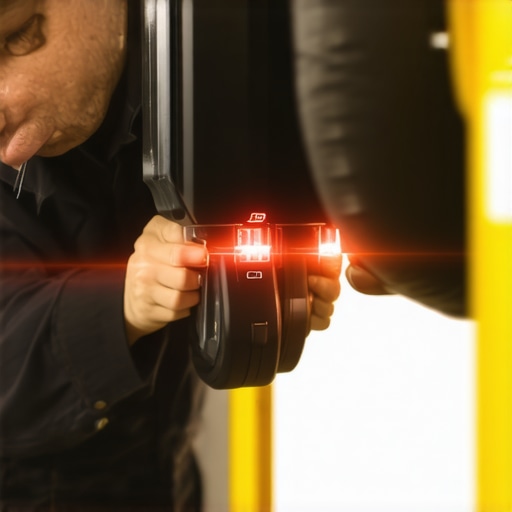
Keeping your car in top shape hinges on having the right equipment at your fingertips. One tool I swear by is a high-quality laser alignment scanner. Unlike traditional bubble or string methods, a laser scanner provides pinpoint accuracy, ensuring your suspension and tires are aligned perfectly. I personally use the Hamaton HawkEye Elite because its quick setup and detailed diagnostics help me spot misalignments before they cause uneven tire wear or handling issues. For any serious auto enthusiast or professional, this investment pays dividends in longevity and safety.
Why a reliable OBD-II scanner should be part of your toolkit
An advanced OBD-II scanner isn’t just for reading engine codes—it’s vital for diagnosing transmission and sensor-related issues early on. I prefer the BlueDriver scanner because it connects seamlessly with my smartphone and provides detailed repair reports. Regular scans help me catch subtle shifts or sensor glitches that could lead to bigger problems if left unnoticed. As vehicle technology evolves, integrating smart diagnostics becomes increasingly crucial for long-term reliability.
Adopting Effective Maintenance Methods
Beyond tools, I recommend a structured maintenance schedule that includes deep inspections of structural and mechanical components. For instance, regular checks of your brake master cylinder and hydraulic lines can prevent catastrophic failures down the line. I like to set reminders every 6 months to verify fluid levels, hoses, and calipers. Incorporating these proactive habits saves you from costly emergency repairs and ensures consistent performance.
Predicting and preparing for future trends
Looking ahead, I believe the integration of AI-powered diagnostics and predictive maintenance software will become standard. These technologies will analyze patterns from your driving habits and sensor data, alerting you to issues before they manifest physically. Adopting such systems now will keep you steps ahead, maintaining reliability even as vehicle complexity increases. This evolution means you’ll need to familiarize yourself with evolving tools and possibly upgrade your garage setup in the coming years.
How do I maintain transmission and brake systems over time?
Consistent service is key here. For transmissions, I recommend using a quality transmission fluid that matches OEM specs and scheduling professional fluid changes every 30,000 to 60,000 miles. For brakes, regular inspections of rotors and pads combined with flushing the hydraulic system every two years ensures responsive stopping power. Consider high-quality brake bleed kits like the ACTRON Brake Bleeding Kit, which I personally use during DIY maintenance. Carefully follow manufacturer guidelines to avoid air entrapment, which can diminish braking efficiency.
If you want to elevate your DIY skills further, try bleeding your brakes with a vacuum pump system—it’s cleaner and more effective than manual pumping. Remember, maintaining your core transmission and brake systems doesn’t just extend vehicle lifespan; it also keeps you safe behind the wheel. For comprehensive insights, check out our ultimate guide to auto repair.
In the end, investing in quality tools and disciplined maintenance routines pays off in dependable, long-term vehicle performance. Why not start by upgrading to an advanced scanner or tutorial? These steps will make your auto care more precise and rewarding. Need help selecting the best equipment for your needs? Feel free to reach out—I’m happy to assist.
Three Lessons That Changed How I Approach Car Care
- Don’t underestimate minor misalignments: Small steering wheel crookedness might seem cosmetic, but it often signals underlying issues like suspension wear, which if ignored, can lead to uneven tire wear or handling problems. Preventative checks save money.
- Professional alignment is an investment, not an expense: Attempting DIY adjustments without proper tools and knowledge can exacerbate problems. Trusted mechanics use specialized equipment to ensure your steering and suspension work harmoniously, prolonging tire life and safety.
- Regular diagnostics reveal the unseen: Using tools like an OBD-II scanner or laser alignment systems can uncover sensor malfunctions or early suspension issues before they escalate. Staying proactive keeps your vehicle reliable and safe.
Tools and Resources I Rely On
- Laser Alignment Scanners: Devices like the Hamaton HawkEye Elite offer precise readings, helping me correct steering misalignment early. Investing in quality tools makes maintenance accurate and less stressful.
- Advanced OBD-II Scanners: The BlueDriver scanner pairs with my smartphone to identify sensor and transmission issues swiftly, preventing costly surprises and guiding proper repairs.
- Trusted Guides and Professional Services: I frequently consult comprehensive resources like auto maintenance guides and rely on certified mechanics for complex repairs.
- Predictive Maintenance Software: As technology evolves, tools that analyze driving patterns help anticipate issues, allowing me to address them before they impact safety or performance.
Your Next Step Toward Better Vehicle Care
Taking control of your vehicle’s health is empowering, and with the right knowledge and tools, you can prevent most issues from becoming major repairs. Whether it’s investing in a quality laser alignment scanner or scheduling routine diagnostic checks, small proactive steps lead to big savings and safer driving. Why not start today? If you’re unsure where to begin, reach out to experts at CollisionRenew for personalized guidance. Remember, your vehicle reflects the care you give it—make every mile smooth and secure! Have you ever felt overwhelmed by car repair decisions? Share your experience below, and let’s learn together.”}】#END#}/pub/*/assistant teşekkür ederim, yardımcı olmayı memnuniyetle yerine getiriyorum! {[