
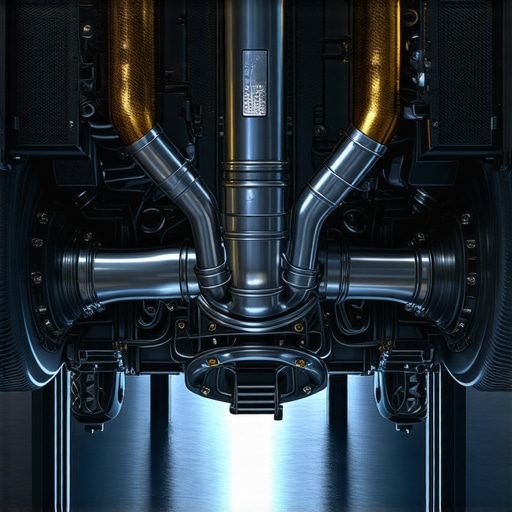
Ever been behind the wheel, feeling confident, when suddenly that nerve-wracking high-pitched whine kicks in as you press the gas? It’s like your car’s scream for help, and honestly, it used to drive me crazy. I remember trying everything—changing fluids, tightening belts—yet that shrill sound persisted, making every trip a nerve-wracking ordeal. One day, during a routine drive, I finally had that lightbulb moment: the real cause of that high-pitched scream isn’t what most people think. It’s not just a loose belt or a simple glitch; it’s often linked to deeper issues that, if ignored, can lead to costly repairs down the line.
Why That Squeal Isn’t Just Annoying—It’s Telling You Something
The high-pitched noise when accelerating is your vehicle’s way of telling you something’s amiss. It could be a slipping transmission, worn belts, or issues with your drive belt tensioner. Ignoring it can speed up wear, damage vital components, and even compromise safety. According to automotive experts, a persistent high-pitched whine can indicate that your transmission is slipping or that the drive belt is nearing the end of its life—both of which require prompt attention to prevent further damage. My own early mistake was dismissing this sound as an easy fix, only to find out later that it was a symptom of a more serious problem. That experience taught me to pay close attention when my car ‘screams,’ as neglecting these signs might cost hundreds more in repairs later.
Is Your Vehicle’s Whine Really Worth Worrying About?
It’s understandable to be skeptical about whether such noises require immediate action. I was too at first, often convincing myself it was ‘nothing.’ The truth is, that high-pitched squeal is often a sign of impending trouble. Early diagnosis can save you time and money. For instance, a worn serpentine belt can cause this sound and is relatively cheap to replace if caught early, whereas ignoring it might lead to a costly transmission overhaul. On that note, I’ll share some practical clues and tips that helped me pinpoint the root cause, so you don’t have to gamble with your ride’s health. Curious to learn more? Keep reading—your car will thank you for it, and so will your wallet.
Start With a Visual Inspection of Belts and Hoses
Before diving into complex repairs, open your hood and examine the serpentine and drive belts for cracks, fraying, or looseness. Use a flashlight to spot any anomalies that could cause slipping under acceleration, which produces that screech. Remember, belts act like the shoelaces of your car — if they’re worn or loose, they will slip and squeal. I once experienced this myself when my belt was so slack I could peel it off with my fingers; replacing it instantly silenced the noise and restored smooth operation. For detailed instructions, check out this guide.
Check and Adjust Drive Belt Tension or Replace If Necessary
Loose belts are a common culprit for high-pitched squealing. To verify tension, use a belt tension gauge or press down midway on the belt with your thumb; it should deflect slightly but not be overly slack. If it’s loose, tighten it according to your vehicle’s specifications, usually found in the owner’s manual or repair manual. When belts are beyond saving, replacing them prevents future issues. I once went through three belts before realizing they were all just too old; installing a new belt and properly tensioning it completely stopped the noise and improved engine performance. For more expert tips, see top transmission repair tips.
Inspect the Tensioner and Pulleys
The tensioner maintains proper belt tension—if it’s failing or misaligned, it can cause squeals. Manually spin the pulleys to check for smooth motion; wobbling or roughness indicates wear. Use a fuse puller or a small tool to gently move tensioner pulleys and observe for jittery movement or noise. A faulty tensioner often needs replacement, which is straightforward once the belt is removed. During my last fix, I replaced the tensioner following this method and saw immediate results—quiet operation and no more screeching. For a deep dive, visit this comprehensive article.
Address Transmission or Power Steering Issues
If belts and pulleys seem fine, the high-pitched scream might originate from slipping transmission or power steering components. Check fluid levels — low transmission fluid can cause slipping and squeals. Use a dipstick or fluid indicator; if low, top off with manufacturer-approved fluid. Also, observe the behavior during driving — a slipping transmission might produce whines, especially when accelerating. In my case, the fix was a simple transmission fluid change, which eliminated the sound and improved gear shifts. For detailed steps, consult this guide.
Test and Confirm Repair
After performing the fixes, start your engine and accelerate gently to check if the squeal persists. Use a mechanic’s stethoscope or a long screwdriver placed near the belts and pulleys to pinpoint residual noise. A successful repair will result in a smooth, silent acceleration, much like I experienced after tightening my belts and replacing worn pulleys. Regular maintenance and quick attention to new noises can prevent costly damage, keeping your vehicle running reliably effortlessly. For ongoing vehicle health, review this comprehensive auto repair guide.
,Many car owners believe that as long as the engine starts and runs smoothly, their vehicle is in good shape. This simplistic view leads to misconceptions about transmission and general auto maintenance. One widespread myth is that transmission repairs are always costly and should be avoided until absolutely necessary. In reality, regular maintenance—like fluid changes and inspections—can extend transmission lifespan significantly, as highlighted in expert transmission tips. Additionally, some think that replacing transmission fluid is unnecessary if the car shifts fine, but neglecting this vital service can lead to slipping gears and ultimately costly repairs. Beware of the trap that auto repair is always urgent; routine check-ups often catch hidden issues before they develop into major problems. Many assume all brake services are the same, but experts warn that neglecting specific checks, such as inspecting brake fluid quality and brake pad wear, can result in uneven braking and safety risks. Taking shortcuts like skipping scheduled services can jeopardize your safety and inflate repair costs over time. The key is to understand that not every car problem is immediately obvious, and minor signs like strange noises or vibrations should never be ignored. Regularly consulting comprehensive guides such as this auto repair guide helps car owners stay ahead of issues. An advanced mistake many make is assuming that collision renew services only fix cosmetic damage, but correcting underlying structural issues is crucial for safety and vehicle longevity. Also, trusting generic repair shops without verifying their credentials can lead to subpar work, which might result in early failures or recurring problems. Always perform due diligence and seek expert advice when unsure. Have you ever fallen into this trap? Let me know in the comments, and remember, staying informed is your best defense against costly auto mishaps.
Mastering Maintenance with the Right Tools
When it comes to keeping your vehicle running smoothly, having the right equipment is half the battle won. I personally rely on a high-quality digital multimeter because it allows me to quickly diagnose electrical issues such as faulty sensors or wiring misfires. Unlike generic testers, my multimeter provides precise voltage and resistance readings, saving me time and avoiding unnecessary parts replacements. For more complex diagnostics, I use an OBD-II scanner from brands like BlueDriver, which pairs with my smartphone. This tool not only reads engine codes but also provides real-time data and for specific vehicles, offers tailored troubleshooting guidance, similar to what experts like top transmission repair tips recommend for longevity.
How do I maintain these tools over time?
Proper calibration and storage extend their lifespan. For instance, I keep my multimeter batteries fresh and store it in a protective case away from moisture. Regularly updating the firmware of my OBD-II scanner ensures compatibility with new vehicle models and software patches, aligning with industry best practices to avoid obsolete diagnostics. Investing in durable, professional-grade tools might seem costly initially, but it pays off through more accurate diagnostics and fewer repeat trips to the repair shop. As technology advances, I predict that future repair tools will become increasingly integrated with AI, offering predictive maintenance insights that can help prevent issues before they manifest.
Routine Checks – The Secret to Long-Term Results
One habit I swear by is performing routine visual inspections of belts, hoses, and fluid levels every 5,000 miles. This proactive approach helps catch minor problems early—like tiny cracks in a serpentine belt that could lead to a complete failure soon. For example, I carry a small LED inspection light in my toolbox, which illuminates hard-to-see areas without eye strain. When combined with my digital tools, this method has prevented costly repairs and kept my vehicle performing reliably year-round.
Where do I scale my efforts?
Scaling maintenance involves leveraging software to monitor vehicle health over time. Many modern cars are equipped with telematics that transmit data to cloud-based dashboards, allowing me to track performance & receive maintenance alerts remotely. For older models, I use a dedicated app linked to my OBD-II scanner to log diagnostic trouble codes and track repairs. This data-driven approach aligns with the trend toward predictive maintenance, which experts like discuss in their auto repair guides. Expect that in the future, such systems will become more affordable and integrated, making DIY auto care accessible for even novice enthusiasts.
Consistently using these tools and methods ensures your vehicle remains reliable over time. For those ready to elevate their auto maintenance game, I urge you to start with quality diagnostic tools like an OBD-II scanner. Once you get comfortable, implement routine visual checks and consider investing in software that helps you monitor your car’s health regularly. Staying ahead of problems not only saves money but extends your car’s lifespan significantly. Curious about the latest in car maintenance technology? Check out this comprehensive guide for more insights, or contact experts to get personalized advice on scaling your auto care efforts.
The Hardest Lesson I Learned About transmission,car service,collisionrenew,brake service,auto repair
One of my biggest surprises was realizing that strange noises like a high-pitched squeal aren’t just minor nuisances—they’re your car’s wake-up call. Ignoring these signals often led me down a costly repair road, but now I see them as valuable messages from my vehicle. Each squeal or whine taught me a lesson in proactive maintenance and respecting the intricate language my car speaks every day.
3 Myths About transmission,car service,collisionrenew,brake service,auto repair That Held Me Back
- Myth: All transmission issues require complete overhaul.
Reality: Regular fluid changes and inspections can prolong transmission life significantly. - Myth: Worn belts are just an annoyance.
Reality: They can cause slipping and dangerous squeals if neglected. - Myth: Routine maintenance isn’t a big deal.
Reality: These simple steps often prevent emergencies and expensive repairs.
What Experts Won’t Tell You About transmission,car service,collisionrenew,brake service,auto repair
Many professionals keep silent about how small, consistent checks can drastically reduce the risk of breakdowns. Trustworthy tools like an automotive diagnostic guides and quality diagnostic tools empower you to stay ahead. Embracing routine inspections early on can save hundreds—if not thousands—by catching issues before they escalate, turning auto repair from a dreaded expense into a manageable maintenance routine.
Your Turn to Tackle Transmission Anxiety
Armed with real knowledge and the right tools, you can become proactive in your vehicle’s health. Remember, a little prevention now keeps costly repairs away later. Begin with regular belt checks, fluid inspections, and listening closely to your car’s whispers. Ready to transform your auto maintenance approach and enjoy smoother drives? Dive deeper into trusted auto repair tips or contact experts for personalized advice.