
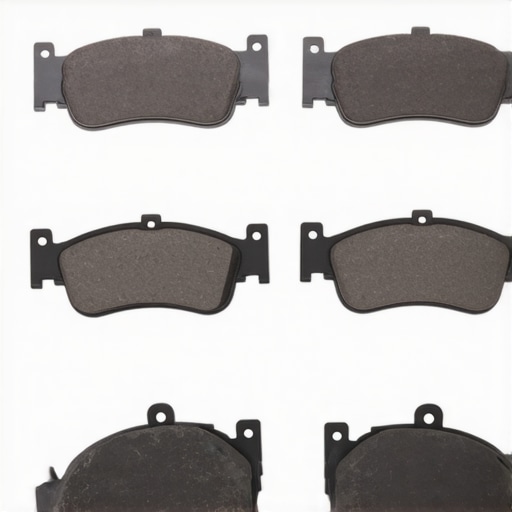
Ever jamming on the brake pedal, only to notice that your brake pads have worn down unevenly or faster on one side? I remember the first time I experienced this nightmare—thinking I was doing something wrong, or that I just got unlucky with my parts. But after digging into it, I realized the truth was more sneaky than I imagined. Sometimes, it’s not just about the quality of the brake pads, but about other underlying issues that cause that uneven wear day after day. That lightbulb moment changed how I approached brake maintenance entirely.
Why Your Brake Pads Might Be Wearing Unevenly and How to Catch It Early
When I first noticed my brakes squealing oddly and uneven wear patterns emerging, I was tempted to just replace the pads and call it a day. But it wasn’t long before I realized that those symptoms were just the surface. Uneven brake pad wear is often a sign of deeper problems like caliper sticking, uneven rotor surfaces, or misaligned components. Ignoring these signs can lead to more costly repairs down the line, or worse—a dangerous loss of braking power. In today’s post, I’ll walk you through the common reasons behind this issue, how to identify them early, and what simple steps you can take to keep your brakes healthy and your ride safe.
Is It Really Worth the Fuss Over Uneven Brake Wear?
Honestly, I used to think that replacing brake pads was a quick, straightforward job, and that the only concern was making sure I had decent parts. I made the mistake early on of dismissing small hints like slight pulsing or abnormal noises, assuming they’d go away with pad replacement. The truth is, neglecting these symptoms can lead to uneven wear, which accelerates pad deterioration and can damage your rotors—sometimes in ways that are more costly than a simple brake job. According to automotive experts, addressing brake issues promptly not only saves money over time but also ensures safety. If you’ve ever experienced brake shuddering during a stop or noticed one side wearing faster, you know exactly what I mean.
So, if this sounds familiar, know that you’re not alone—and there are practical, effective ways to diagnose and fix the root causes. It all starts with understanding what’s really going on beneath the surface. And trust me, once you get a grip on those hidden issues, your brakes will thank you for the extra care. Ready to learn how to identify and prevent uneven wear before it turns into a serious headache? Let’s dive into the key causes and simple fixes now.
Inspect Your Brake Components Thoroughly
Start by safely lifting your vehicle with a jack and securing it with jack stands. Remove the wheel corresponding to the unevenly worn pads. Use a flashlight to examine the caliper, brake pads, and rotor surface. Look for signs of sticking calipers, uneven pad thickness, or scoring marks. I once found a stuck caliper piston after noticing uneven wear; cleaning and lubricating the caliper slidings resolved the issue instantly.
Assess Caliper Movement and Condition
Check if the caliper moves freely when you apply gentle pressure. If it’s stiff or seized, it can cause uneven pad wear by not applying even pressure. Use a brake caliper piston tool to retract pistons for inspection. If corrosion or damage is present, replace the caliper. Think of the caliper like the hinge of a door—if it doesn’t pivot smoothly, the door won’t close evenly. I had to replace a corroded caliper in my own car after noticing the piston wouldn’t retract properly, which immediately stopped the uneven wear pattern.
Clean and Lubricate Sliding Pins
Remove the caliper pins and clean them with brake cleaner. Inspect for rust or debris. Apply high-temperature brake grease to the sliding pins before reinstalling. Proper lubrication allows calipers to slide smoothly, similar to how a well-oiled door hinge works without making squeaks or sticking. During my repair, a simple cleaning and grease application made my braking action more even and prevented future uneven pad wear.
Address Rotor Surface Issues
Uneven rotor surfaces can contribute to uneven brake pad wear. Measure the rotor thickness with a micrometer; if it’s below specifications or warped, it’s best to replace or resurface the rotor. I once surfaced rotors using a brake lathe, which restored even contact. If you notice grooves or ridges, consider replacing the rotor to ensure smooth braking and even pad wear. For a visual guide, check out this article on tire wear patterns.
Replace Worn or Damaged Brake Pads Promptly
Install new brake pads, paying attention to manufacturer specifications. Use anti-seize compound on the backing plates if recommended. Proper bedding-in of pads after replacement ensures even wear and optimal braking. I learned this the hard way after installing new pads without proper bedding—my brakes felt squeaky at first, but after following the bedding procedure, braking performance improved significantly.
Verify Proper Alignment and Suspension Conditions
Misaligned suspension and worn steering components can cause uneven pad wear. Check for uneven tire wear or misaligned wheels. A quick alignment check at a local shop can prevent future issues. I once delayed alignment after replacing pads, and within a few months, I noticed uneven wear reappearing. Regularly inspecting your suspension can keep your braking system in check and prolong component life.
Maintain Regular Brake System Checks
Schedule routine inspections every 10,000 miles or as recommended. Look for signs like pulsing brake pedals, squealing, or vibrations. Catching issues early minimizes repair costs and keeps your braking reliable. Remember, just like periodic oil changes, consistent brake maintenance is key to safety and longevity.
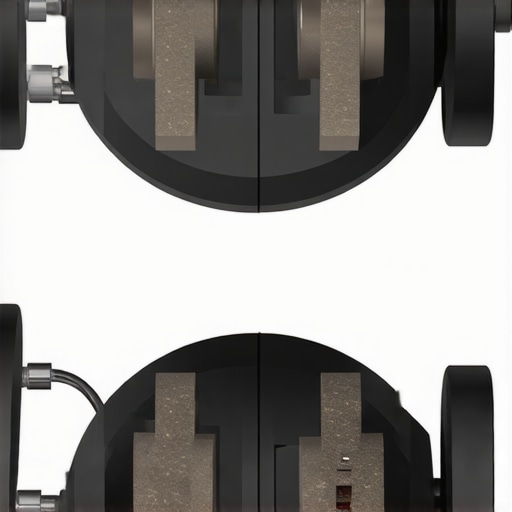
Visual diagram of caliper components and slide pin lubrication points to assist during inspection and reassembly.
In the world of automotive maintenance, there’s a common misconception that routine service tasks like brake pad replacement or transmission fluid changes are straightforward and universally applicable. However, as an experienced mechanic and enthusiast, I can tell you that most people miss the complex nuances that determine whether a repair is truly effective. One prevalent trap is assuming that all brake pads are created equal and that replacement alone resolves uneven wear issues. But this overlooks underlying factors like caliper sticking, rotor warping, or suspension misalignment—conditions that can continue to damage new parts if neglected. Addressing only the symptoms, rather than the root cause, sets you up for repeating repairs and increased costs.
Many believe that sticking calipers are easy to spot, but in reality, they often hide behind subtle signs like decreased braking performance or uneven pad wear, which many dismiss as normal aging. This misconception can lead to premature pad replacements, while the caliper’s seizure persists, causing ongoing damage. Recognizing these subtleties requires a trained eye and a solid understanding of brake system mechanics, which I’ve honed through years of diagnosing complex issues that aren’t always apparent at first glance.
Why Is Overlooking Suspension Alignment a Common Mistake?
It’s tempting to focus solely on the components within the brake assembly, but misaligned suspension and worn steering components significantly influence brake wear patterns. An off-kilter wheel alignment causes uneven contact between pads and rotors, accelerating irregular wear and risking damage to calipers or rotors. Many car owners fall into the trap of ignoring subtle signs like pulling during braking or uneven tire wear, which are clues pointing toward alignment issues. Regularly checking and correcting alignment ensures that brake components wear evenly and last longer, saving money and enhancing safety.
Interestingly, some technicians recommend focusing exclusively on brake components and neglect the importance of suspension health. This oversight can lead to a cycle of repeated repairs, where new parts quickly deteriorate because the fundamental cause isn’t addressed. Understanding how underlying issues impact your car’s behavior is critical to effective auto repair, especially when it comes to complex systems like brakes and steering.
Another nuanced aspect that many overlook involves the importance of proper bedding-in procedures for new brake pads. Skipping this step can result in uneven pad wear and reduced braking performance, an issue that many underestimate. Following manufacturer specifications for bedding ensures optimal contact between pads and rotors, extending their lifespan and maintaining safety.
Furthermore, diagnosing transmission problems often involves more than just checking fluid levels or replacing filters. Many assume that a slipping or hard-shifting transmission is solely due to fluid condition, but issues like faulty sensors, electrical faults, or even minor fuse failures can mimic more severe problems, leading technicians down false paths. Understanding the subtle causes of transmission issues helps technicians avoid unnecessary replacements and accurately pinpoint the root cause.
Lastly, one of the most deceptive myths is that lifetime transmission fluids eliminate the need for service. In reality, fluids degrade over time and with use, losing their ability to lubricate and cool effectively. Relying solely on the lifetime claim can lead to neglected maintenance and unexpected failures. Regular inspections and fluid changes, following a tailored schedule based on driving conditions, are essential for longevity—a fact supported by experts like Vincentric, who emphasize the importance of proactive servicing.
Have you ever fallen into this trap? Let me know in the comments, and remember: understanding these hidden nuances can save you time and money, and most importantly, keep you safe on the road.
What Equipment Keeps Your Car Running Smoothly Over Time?
Maintaining your vehicle’s performance isn’t just about replacing parts—it’s about having the right tools and software to diagnose and troubleshoot issues efficiently. My personal toolkit includes a high-quality digital multimeter like the Fluke 115, which allows me to test electrical components accurately. Similarly, a reliable scan tool such as the Autel MaxiCOM diagnostics scanner provides real-time data from your vehicle’s ECU, helping me spot issues like faulty sensors or electrical faults early. When working with transmission systems, I always rely on a transmission fluid temperature tester; maintaining proper fluid temperature is critical for longevity, as highlighted in this detailed analysis.
For physical repairs, I prefer using a set of impact wrenches and precision screwdrivers—tools that save time and prevent stripping bolts or damaging sensitive components. An automotive lift or at least a sturdy jack with jack stands ensures safety and accessibility, especially when inspecting or replacing suspension parts vulnerable to issues like misalignment or worn bushings. Additionally, I recommend investing in a bore scope camera; it’s invaluable for peering into tight spaces like engine bays or inspecting inside the transmission without complete disassembly. Even in routine maintenance, a torque wrench ensures bolts and nuts are tightened to manufacturer specifications, avoiding over-tightening that can cause component warping or under-tightening that leads to leaks or failure.
Where Do I See Auto Maintenance Heading in the Future?
Looking ahead, the trend leans heavily toward integration of advanced diagnostics through AI-powered software and IoT devices. Vehicles are becoming increasingly connected, allowing for remote monitoring and predictive maintenance. Specialized diagnostic apps that sync with your car’s systems will become the norm, enabling proactive repairs before issues escalate. This shift means that having a solid grasp of both hardware tools and software diagnostics will be essential for DIY enthusiasts and professionals alike.
How do I sustain my car’s performance over the long haul?
Long-term maintenance hinges on consistent inspections and leveraging the right tools. Regularly check fluid levels—especially transmission fluid, which can turn black quickly—using dipsticks or electronic testers. Address issues like a slipping transmission early by inspecting related components, such as faulty solenoids or sensors, rather than waiting for a complete failure. Incorporate preventive measures like lining up your suspension components periodically; misalignment can accelerate uneven brake pad wear, leading to costly repairs. Remember that using high-quality lubricants and adhering to manufacturer-recommended service intervals can dramatically extend your vehicle’s lifespan.
For example, maintaining proper caliper function by lubricating sliding pins with high-temperature brake grease ensures even pad wear and optimal braking performance. Regularly inspecting and cleaning these pins can be as simple as removing the caliper, cleaning the pins with brake cleaner, and applying fresh lubricant—saving you money and enhancing safety in the long run. To learn more about dealing with caliper issues, check out this guide.
Finally, don’t forget the importance of using a quality scan tool regularly. It helps you catch warnings like the check engine light or transmission trouble codes early—preventing minor hiccups from turning into major repairs. As automotive electronics evolve, investing in up-to-date diagnostics is not just a good idea—it’s a necessity for long-term reliability. I challenge you to try calibrating your scan tool to read live data from your car. Doing so can unlock a wealth of insights that keep your vehicle dependable for the miles ahead.
< >
>
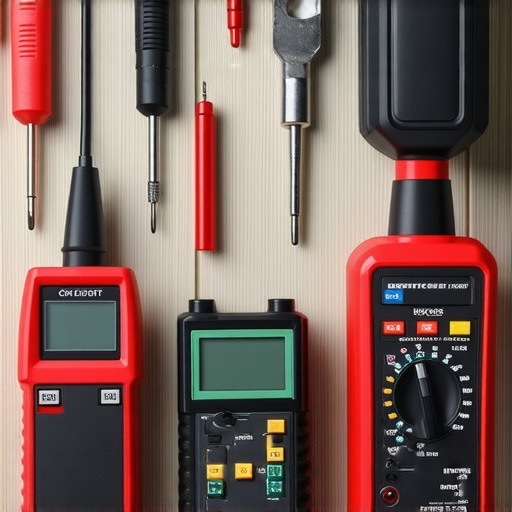
Illustration of essential diagnostic tools and their applications, including a scan tool, multimeter, and bore scope camera, to aid in understanding vehicle health during maintenance.
As vehicle technology advances, so does the complexity of auto repairs. Staying ahead requires not only the right mindset but also investing in the proper equipment. Accurate diagnostics and precise tools make the difference between a temporary fix and a durable repair. Whether it’s maintaining your transmission or keeping your brakes in top shape, equipped and informed drivers will always come out ahead. Ready to elevate your maintenance game? Start by integrating a good impact wrench into your toolkit and see how it simplifies even complex tasks like replacing rotor assemblies or suspensions—your future self will thank you.
,
Lessons I Wish I Learned Before Messing With Brakes
- Don’t Overlook the Basics of Caliper Maintenance: I used to think a quick clean was enough, but understanding the importance of sliding pins and proper lubrication was a game-changer—preventing future uneven wear and costly repairs.
- Early Signs Can Save Big: Realizing that squeals and pulsing brake pedals signal deeper issues like caliper sticking or rotor warping helped me address problems before they worsened, saving time and money.
- Think Beyond the Part to the System: Focusing solely on brake pads neglects suspension alignment and rotor condition—these hidden factors can cause rapid, uneven pad wear and compromise safety.
- Proper Bedding Makes All the Difference: Skipping the bedding process for new brake pads led me to uneven wear and squeaky brakes—following manufacturer guidelines ensures even contact and longer lifespan.
- Invest in Key Diagnostic Tools: Using a quality scan tool or bore scope initially seemed unnecessary, but these tools helped me diagnose issues quickly and accurately, avoiding unnecessary part replacements.
My Go-To Gear for Brake and Transmission Triumphs
- High-Quality Digital Multimeter: The Fluke 115 helps me troubleshoot electrical issues quickly, which is crucial when diagnosing sensor problems affecting brakes or transmissions.
- Advanced Scan Tool: The Autel MaxiCOM scanner provides real-time data, making it easier to catch warnings before they turn into failures—my secret weapon for peace of mind.
- Bore Scope Camera: Peering into tight spaces without disassembly saves time and reveals hidden issues, especially useful for inspecting inside transmissions or behind dashboards.
- Reliable Impact Wrench: For bolts and rotor replacements, a good impact wrench accelerates jobs and reduces damage risk, making repairs safer and more efficient.
Keep the Passion Alive: Fix Your Ride Without Fear
Mastering brake service and auto repairs isn’t just about fixing cars—it’s about empowering yourself to tackle challenges with confidence. Every tool you add and lesson you learn brings you closer to a vehicle that runs smoothly and safely for miles to come. Don’t wait for a problem to force your hand; proactive maintenance and curiosity are your best allies. Ready to take the next step? Dive into diagnostics, ask questions, and transform your approach to auto care. Your safe journey starts now—are you prepared to become the mechanic your car needs?
What’s the most unexpected lesson you’ve learned about brake or transmission maintenance? Share your story below—your experience could help someone else stay safe on the road.
,