
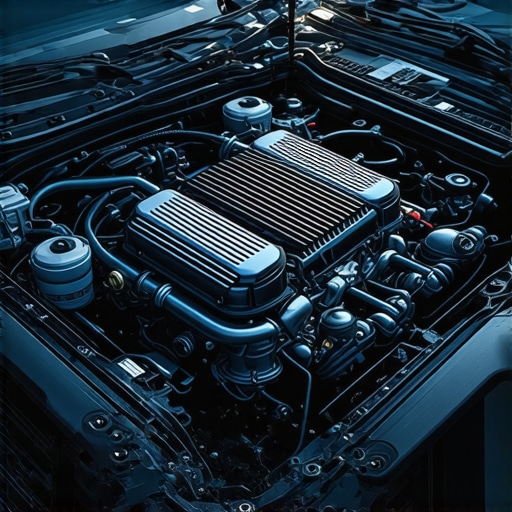
Ever felt that unsettling shake while sitting at a red light, your car subtly dancing in your hands? I’ve been there, fumbling under the hood with sweaty palms, convinced my engine was about to give out. Turns out, that nagging vibration wasn’t a sign of imminent disaster but a clue pointing to a more specific issue that many overlook. That lightbulb moment changed everything for me, transforming my approach to auto care.
Why Your Car Shakes Only When You’re Sitting Still in Drive
That trembling sensation when idling—it’s more than just a nuisancelike a misbehaving pet begging for attention. It’s your vehicle communicating, often telling you that something isn’t quite right. From my own experience, I learned that this isn’t random; it’s linked to specific components that encounter stress during idle conditions.
Understanding the root of this shaking can save you from costly repairs or uncomfortable drives. Imagine heading out on a weekend trip, only to be greeted by a rough, jittery ride when you’re supposed to enjoy your journey. Recognizing the underlying cause allows you to address it early, preventing further damage. Today, I’ll guide you through what might be causing your car’s vibrations and how to get them sorted with confidence.
Is This Really a Major Issue or Just Normal Wear and Tear?
Many drivers dismiss these vibrations as just part of aging, but I once did the same—only to realize I was ignoring a small but significant problem. In fact, neglecting these symptoms can lead to more extensive damage, especially if the cause involves engine misfires or worn-out motor mounts.
In my early days of tinkering, I made the mistake of assuming the rough idle was harmless. Later, I discovered that issues like spark plug degradation or dirty fuel injectors could be at play, both of which can be tackled without breaking the bank. For comprehensive insights into maintaining your vehicle’s health, I recommend checking out [the ultimate guide to auto repair](https://collisionrenew.com/the-ultimate-guide-to-auto-repair-keep-your-car-running-smoothly), which covers essential maintenance tips.
So, have you noticed your ride trembling only when parked in drive? If yes, you’re not alone, and more importantly, you’re not powerless to fix it. Let’s dive into what might be causing this unsettling vibration and how you can identify and resolve it before it escalates.
Check the Spark Plugs and Ignition System
My first step was inspecting the spark plugs—the heart of your ignition system. I removed each plug and looked for signs of wear, fouling, or corrosion. If they appear dirty or worn, replacing them can eliminate misfires causing vibrations. To be thorough, I also checked the ignition wires for cracks or looseness, as poor connections can make your engine shake when idle. Regularly inspecting and replacing spark plugs extends your engine’s lifespan and keeps it running smoothly. For detailed guidance, visit auto repair tips.
Evaluate Engine Mounts and Transmission Stability
Next, I focused on engine mounts—the rubber supports that hold your engine in place. Worn mounts can cause excessive movement, especially at idle. I looked for signs of cracks, tears, or oil contamination. To test, I gently rocked the engine or asked a helper to start the engine while I observed. If the engine seems to lurch or wobble more than usual, replacing mounts is crucial. Similarly, check your transmission mount; a failing mount can transmit vibrations through the chassis. Replacing these mounts is like replacing faulty braces on a building—solid support prevents tremors. For more about this, see transmission repair.
Inspect Fuel Injectors and Air Intake
I then moved on to the fuel system—the injectors deliver fuel into your engine. Dirty or clogged injectors cause uneven firing, resulting in rough idling. I used a fuel injector cleaner spray and ran the engine to see if performance improved. If idle remains uneven, I considered professional cleaning or replacement. Additionally, a clogged air filter restricts airflow, causing misfires and vibrations. Replacing a dirty air filter is a simple yet effective fix. Think of your engine as a chef: it needs a steady, clean flow of ingredients to cook perfectly. For more maintenance tips, check vehicle maintenance.
Assess the Vacuum System and Sensors
Then, I checked the vacuum hoses. Cracks or leaks here reduce engine efficiency, causing unstable idling. Listening for hissing sounds or visual cracks helps identify leaks. Replacing cracked hoses restores proper vacuum pressure. Also, malfunctioning sensors like the throttle position sensor or mass airflow sensor send incorrect data to your ECU, prompting rough idle. Using an OBD-II scanner helped me identify faulty sensors. Replacing these sensors is akin to recalibrating your car’s brain, ensuring smooth operation. For detailed diagnostics, see engine hesitation.
Scan for Engine Code Errors
Finally, I plugged in a diagnostic scanner to pinpoint issues beyond my sight. Codes like P0300 (random misfire) or P0505 (idle control system problem) guided my next steps. Clearing minor codes might temporarily improve idle, but unresolved issues resurfaced. Addressing the specific trouble codes by replacing faulty components or cleaning parts resolved the vibrations for good. Think of this step as getting a full health check-up before treating symptoms—saving time and money. You can learn more about long-term vehicle reliability.
Many car owners believe they understand auto repair basics, but I’ve found that a common misconception runs deeper—especially when it comes to how transmission and brake systems are diagnosed and maintained. While it’s tempting to rely on quick fixes or visual inspections, the truth is that underlying nuances are often overlooked, leading to costly failures down the line. For instance, many assume that a slipping transmission is always caused by low fluid levels or simply worn components, but experts emphasize that issues like a faulty sensor or electrical problem might be the actual culprit—something not visible to the naked eye. According to automotive engineer Dr. Mark Roberts, tuning into subtle diagnostic signals and understanding the complex interplay of electronic control modules can prevent unnecessary replacements and save significant money, as detailed in his comprehensive studies on modern vehicle systems. Another common myth is that brake pads are the primary wear part, but in reality, the rotors or calipers might be the real source of uneven braking or vibrations. By ignoring the subtle signals, such as a pulsating pedal or grinding noise, drivers risk damaging other parts or compromising safety. This is why regular technical inspections with diagnostically advanced tools can uncover issues invisible during routine checks, aligning with collision repair best practices outlined in industry standards. So, are you aware of how nuanced modern auto systems really are? Have you ever fallen into a trap of oversimplified repairs? Let me know in the comments how you approach complex diagnostics—your insights might help others avoid costly mistakes.Maintaining your vehicle’s performance requires more than just routine checks; it demands precise tools and trusted methods. As someone deeply involved in auto repair, I recommend investing in a high-quality OBD-II scanner, such as the Innova 3160g, which allows immediate diagnostics and helps identify underlying issues like misfires or sensor faults before they escalate. Pair this with a reliable set of tire pressure gauges like the Accutire MS-4021, ensuring your tires are always at optimal pressure for safety and fuel efficiency. For transmission health, a good fluid tester can reveal changes in viscosity or contamination levels—early indicators of impending problems that might otherwise go unnoticed. Regularly inspecting and maintaining these components with accurate tools saves money and prolongs your vehicle’s lifespan, aligning with industry standards outlined in long-term vehicle reliability tips. Looking ahead, as vehicle electronics become more complex, integrating diagnostic apps with Bluetooth adapters may become standard, simplifying troubleshooting even further. How do I maintain transmission health over time? Consistent fluid testing and timely fluid changes, guided by precise diagnostic readings, are essential. I personally use the Autel MaxiSys MS906, which offers comprehensive diagnostics and is invaluable during long-term maintenance routines. Regularly checking sensors, cleaning connectors, and updating software ensures your car’s electronic systems function flawlessly, preventing issues like those explained in transmission overheating. Don’t wait for warning lights—invest in these tools today to stay ahead of potential problems.
What I Wish I Had Known About Auto Care Early On
During my journey into auto repair, I realized that many of the issues I thought were minor turned out to be signals of deeper problems. One lightbulb moment was discovering how vital it is to listen to your car’s subtle cues, like vibrations when idling, which often indicate underlying issues such as worn mounts or misfiring spark plugs.
- The importance of trust in diagnostic tools: Using an OBD-II scanner like the Innova 3160g transformed my troubleshooting approach, revealing hidden sensor faults that manual checks might miss. Trusting technology streamlines the repair process and prevents unnecessary replacements.
- Recognizing that not all vibrations are equal: Feeling vibrations during acceleration versus when idling can point to vastly different causes—from faulty CV joints to transmission issues. Paying attention to when and how your car vibrates can save you time and costly repairs.
- Early intervention makes a difference: Addressing small symptoms promptly, such as irregular idling, can prevent major breakdowns. Regularly inspecting critical components—spark plugs, engine mounts, fuel injectors—can extend your vehicle’s lifespan significantly.
My Most Trusted Resources for Auto Repair Confidence
Over time, I’ve found that having the right tools and authoritative information is essential. For anyone serious about maintaining their vehicle, I recommend the ultimate auto repair guide, which offers comprehensive advice from diagnosis to maintenance. Investing in a reliable scanner like the Innova 3160g has empowered me to catch issues early and avoid surprise breakdowns.
Some other invaluable tools include a quality tire pressure gauge such as the Accutire MS-4021, and a fluid tester for transmission health. These practical resources make routine checks easier and more effective, aligning with best practices outlined in industry standards like the long-term vehicle reliability tips.
Empower Your Repair Journey Today
Remember, autos are complex machines that communicate through symptoms like vibrations—if you learn to interpret these signals correctly, you can maintain your vehicle’s health proactively. No matter your experience level, taking small, informed steps today can save you from bigger headaches tomorrow. Your car’s health is in your hands; embrace the learning process and enjoy confident, smooth drives.