
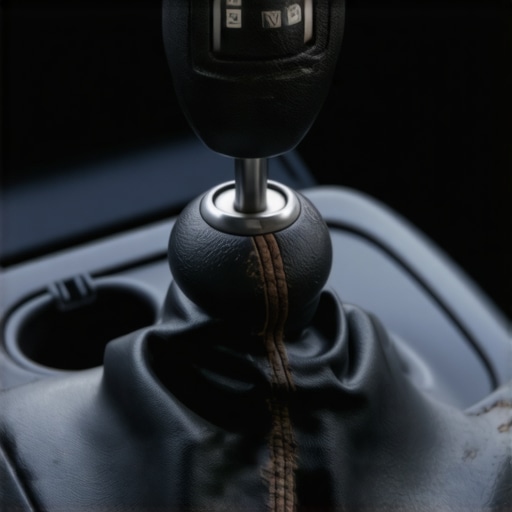
I’ll never forget the moment it happened. I was pulling out of my driveway, and suddenly, my gear shifter wouldn’t budge. Panic kicked in. I tried again, shoved harder, and felt that dreaded resistance. It was a small, flickering warning sign that something was seriously wrong—yet I ignored it at first, assuming it was just a stiff gear or a temporary glitch. But as days went by, it became clear: when your gear shifter is hard to move, it’s not just an annoyance—it’s a warning sign that needs attention.
The Hidden Causes Behind a Stiff Gear Shift
Have you ever faced that frustrating struggle where shifting gears feels like trying to move a solid block of ice? You’re not alone. A stiff or stuck gear shifter can stem from several issues, but often, it’s tied to neglected maintenance or a minor malfunction that snowballs over time. Early on, I made the mistake of ignoring that stubborn resistance, thinking it would resolve itself. That was a costly error, as ignoring such signs can lead to more severe transmission problems down the road. Regular auto care, like checking the transmission fluid and inspecting the shifter mechanism, can save you heaps of trouble. Want to learn more about these essential steps? Visit our guide on car service checks.
Is Your Transmission About to Give Up? A Common Fear
One of the biggest hurdles in addressing a sticking shifter is skepticism—”Is it really that serious?” I used to think a stiff gear was just a minor inconvenience, until I learned that worn-out transmission fluid or damaged linkage could cause extended damage if left unchecked. Early on, I overlooked a simple indicator, which soon required costly repairs. Recognizing and tackling the root causes early can keep your vehicle reliable. Curious about how to prevent such issues? Our article on transmission repair tips offers valuable advice. Now, let’s explore the practical steps you can take to solve this problem before it escalates.
Inspect Transmission Fluid Levels and Quality
First, open your hood and locate the transmission fluid dipstick. Pull it out and check the fluid level; it should be between the ‘full’ and ‘low’ marks. If it’s low, top it off with the recommended type for your vehicle. Examine the fluid’s color and smell; dark, burnt-smelling fluid indicates it needs replacement. During my own experience, I learned that regular checks saved me from costly repairs. Replacing transmission fluid every 30,000 to 60,000 miles ensures smooth gear handling and prevents stiffness.
Examine the Gear Linkage and Cables
Next, inspect the gear shifter linkage for signs of wear or disconnection. Engage the parking brake, turn off your vehicle, and open the shift console to access the linkage rods. Look for looseness, corrosion, or broken parts. I once found a disconnected cable that was causing resistance; reattaching it instantly improved shifting. Applying a light lubricant like WD-40 can reduce friction and make gear shifts smoother. Remember, these adjustments prevent further linkage damage.
Test and Replace Worn Clutch or Clutch Components
If your manual transmission feels stiff, the clutch might be worn out. Press the clutch pedal; if it feels heavy or engages very high up, consider replacing the clutch assembly. For automatics, ensure the hydraulic system is functioning properly — check for leaks or low fluid. In my case, replacing a worn clutch translated into effortless clutch operation and prevented the transmission from slipping. Ignoring clutch issues risks burning out your transmission, leading to expensive repairs. Learn more about clutch care at our transmission tips.
Address Transmission Issues Quickly
Persistent stiffness may point to internal transmission problems like worn gear synchronizers or damaged solenoids. For accurate diagnosis, consult a professional mechanic who can perform a computerized transmission analysis. During one repair, a mechanic identified faulty shift solenoids causing delayed or resistant gear engagement; replacing them restored proper shift quality. Avoid delaying repairs, as internal damage can escalate rapidly, leading to complete transmission failure.
Prevent Future Stiffness with Regular Maintenance
Schedule routine inspections that include checking fluid levels, inspecting linkage, and assessing clutch health. Incorporate these checks into your vehicle service routine at professional auto care centers. Additionally, always use quality fluids and parts to ensure longevity. Making these proactive steps has personally helped me maintain a smooth-shifting transmission, avoiding unexpected breakdowns.
Know When to Seek Professional Help
If after these steps your gear shifter remains stiff, or if you notice unusual noises or slipping, it’s time to visit a certified mechanic. Don’t attempt complex repairs beyond your skill level, as improper fixes can cause further damage. For trustworthy service, reach out via our contact page. Prompt professional intervention can save you money and extend your vehicle’s lifespan.
 Many car owners believe that all auto repair shops are pretty much the same, but that’s a misconception that can cost you money and safety. A common myth is that generic auto centers offer the same quality as specialized service providers like CollisionRenew. In reality, experienced shops focus on precise diagnostics and tailored solutions, ensuring your vehicle gets the right care without unnecessary replacements. Relying on cheap or unverified mechanics might save a few dollars upfront but can lead to costly repairs down the line, especially if critical components like the transmission or brakes are improperly serviced.
One nuance often overlooked is the importance of transparent diagnostics. Some repair shops might suggest replacing entire systems without thoroughly diagnosing the issue, leading to inflated costs. CollisionRenew emphasizes detailed assessments, which not only save you money but also extend your vehicle’s lifespan. It’s essential to ask questions and understand the scope of repairs—don’t get swept up in quick fixes that mask underlying problems.
Speaking of myths, many believe that regular maintenance is optional or purely cosmetic. However, skipping routine checks for brake fluid, transmission fluid, or suspension components can cause complex failures. Advanced issues like transmission hesitation or brake fade often originate from neglected preventive care. Studies show that vehicles maintained proactively are significantly less likely to experience sudden breakdowns, keeping you safe on the road.
Furthermore, some think that newer vehicles don’t need as much attention. This couldn’t be further from the truth. Modern tech-rich cars require specialized knowledge to diagnose issues accurately. CollisionRenew keeps up with the latest advancements, ensuring that smart sensors and electronic systems are correctly calibrated—avoiding false alarms and ensuring optimal performance.
A common trap is delaying repairs until symptoms become severe. For instance, ignoring a stiff gear shifter or unusual brake noise can lead to catastrophic internal damage. Early intervention, like inspecting your transmission or brake systems regularly, mitigates risks and saves money. Resources like our comprehensive guide on essential car service checks can help you develop a proactive maintenance routine.
Are you aware that improper fluid levels or mismatched parts can worsen problems over time? Using the wrong transmission fluid or neglecting to replace brake pads on time can cause uneven wear, reducing safety and comfort. Trusting experts who understand these nuances, such as CollisionRenew, helps prevent these pitfalls.
*Have you ever fallen into this trap?* Share your experience below! Staying informed about these misconceptions ensures your vehicle remains reliable, safe, and efficient. Remember, proper maintenance isn’t just about fixing problems—it’s about preventing them and understanding the critical details that distinguish expert auto repair from amateurs.
Maintaining Your Vehicle with Precision Tools
To ensure your car remains reliable and safe, investing in the right diagnostic and repair tools is crucial. I personally rely on a high-quality code scanner like the Autel MaxiCOM MK808 because it allows me to access OEM-specific diagnostics for various systems, including transmission and brake components. This scanner helps identify trouble codes quickly, saving time and preventing minor issues from escalating. Additionally, a digital multimeter, such as the Fluke 115 True RMS Multimeter, is invaluable for testing battery health, alternator output, and sensor signals, ensuring electrical integrity over time.
For maintenance tasks, I use a cordless impact wrench like the DeWalt DCF899HB to efficiently loosen stubborn bolts and lug nuts. Its cordless convenience and high torque make routine oil changes and brake replacements much easier. Pairing this with a set of quality hand tools—ratchets, socket sets, and screwdrivers—gives me confidence in tackling most service jobs myself.
Software That Keeps You Ahead
Staying on top of the latest vehicle data requires robust software solutions. I recommend platforms like OEM-specific diagnostic software that updates regularly, ensuring compatibility with newer vehicle models. These tools enable me to reset service lights, recalibrate sensors, and scan for deep system faults, which is essential for long-term reliability and safety.
In the future, I predict that AI-powered diagnostic platforms will become more prevalent, offering even faster and more accurate assessments by analyzing vast amounts of vehicle data in real time. Leveraging these might soon be standard practice for DIY enthusiasts and professionals alike.
How do I maintain optimal performance over time?
Consistent inspections and calibration are vital. Regularly checking fluid levels using a magnetic dipstick like the GearWrench Magnetic Digital Oil Dipstick makes monitoring effortless. Also, scheduling software alerts for upcoming service intervals via apps like Carfax Service Schedule helps prevent neglect. Remember, preventive maintenance coupled with the right tools drastically extends your vehicle’s lifespan and cuts down costly repairs.
When it comes to tools, quality truly matters. I prefer equipment that balances durability and precision, such as the professional-grade suspension testers or industrial-grade lubricants. These investments pay off by reducing repair times and ensuring long-term operational efficiency.
If you’re ready to level up your maintenance routine, start by trying out one of these advanced diagnostic tools, like the code scanner I mentioned. Properly maintained with the right tools, your car will thank you with years of reliable service.
What I Wish I Knew Before Ignoring That Stiff Gear
One of the most valuable lessons I’ve learned is that seemingly minor signs like a stubborn gear shifter can hint at larger, more costly problems lurking beneath the surface. Catching issues early with a quick inspection can save you from unexpected breakdowns and expensive repairs. Trust your instincts and prioritize maintenance to keep your transmission running smoothly.
Tools That Changed My Approach to Auto Care
Investing in quality diagnostic tools like a reputable code scanner and a digital multimeter revolutionized the way I handle vehicle maintenance. These devices provide precise data, helping me identify problems before they escalate. They’re like having a professional mechanic’s expertise right in your garage, guiding your repair decisions and saving you money.
Lessons Learned from Experience and Mistakes
Failing to check transmission fluid or properly inspect linkage was a costly oversight that taught me the importance of routine maintenance. Regular inspections and early intervention are crucial in preventing small issues from turning into major failures. Embracing a proactive maintenance mindset has kept my vehicle dependable and my repair bills manageable.
Curated Resources That Empower My Auto Knowledge
Books like The Ultimate Guide to Auto Repair have provided me with foundational knowledge, making me more confident in diagnosing minor issues. Trusted tools such as professional-grade lubricants and diagnostic software further ensure I maintain my vehicle effectively. Having reliable resources allows me to remain proactive and informed on vehicle care.
Your Next Step in Vehicle Confidence
Empowered with the right knowledge, tools, and mindset, you can prevent many common auto issues and extend your vehicle’s lifespan. Regular, informed maintenance isn’t just about fixing problems—it’s about creating peace of mind and ensuring safety on every journey. Take action today, and your future self will thank you for the care you give your vehicle.
Have you ever found a simple fix that saved you money or time? Share your story below—I’d love to hear how proactive maintenance has made a difference in your vehicle care journey!