
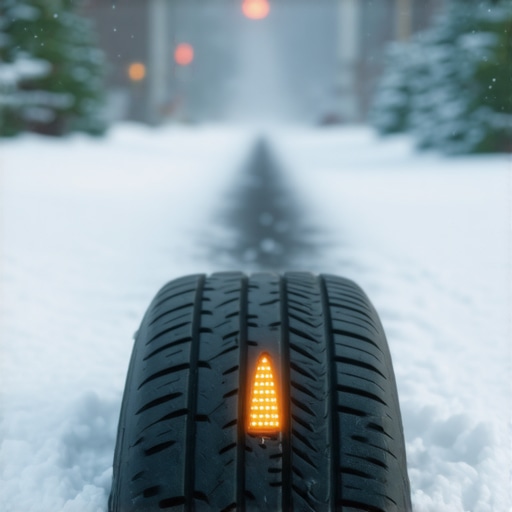
It was a freezing morning, and I was already running late when I noticed it — the tire pressure warning light blinked on, stubborn as ever. I’d just topped off the air in my tires the night before, so what was going on? That familiar twinge of frustration hit me. I knew I wasn’t alone in this; many drivers struggle with that pesky light lingering during winter months. But here’s the thing: understanding why it stays on can save you from unnecessary trips to the shop and keep you safe on the road.
Cold Weather and Tire Pressure: The Unexpected Connection
Winter is notorious for throwing curveballs at our vehicles, and tire pressure issues are among the most common. As temperatures drop, the air inside your tires contracts, leading to a decrease in pressure. Even a small dip can trigger that warning light to come on. What’s tricky is that some car models are more sensitive to these pressure changes than others, making the light blink on even when there’s no real issue with your tires.
In my early days of car ownership, I made a costly mistake — ignoring consistent fluctuations and assuming the sensors were faulty. Turns out, losing just 1 psi (pound per square inch) of pressure in cold weather is quite typical, and if ignored, can lead to uneven tire wear or even blowouts. Experts agree that maintaining proper tire pressure in winter isn’t just about avoiding warnings; it’s about safety, fuel efficiency, and the longevity of your tires. According to the Department of Transportation, under-inflated tires can reduce fuel economy by up to 0.2 miles per gallon — which adds up over time.
Curious if this is happening to your vehicle? Have you noticed the tire pressure light flickering repeatedly despite tire checks? If so, you’re not alone. But before rushing to the repair shop, it’s worth knowing the real culprit behind this wintertime nuisance.
Is the Tire Pressure Light Really Worth the Fuss?
When I first encountered this problem, I was skeptical. I thought maybe my sensors were faulty or that the system was overly sensitive. I skipped the simple check and went straight to replacing sensors — a mistake that cost me time and money. The truth is, many drivers jump to conclusions too quickly, without understanding the science behind these warnings.
By familiarizing yourself with how temperature impacts tire pressure, you can avoid unnecessary repairs and even improve your driving safety. So, what’s the best way to tackle this wintery obstacle? Keep reading, and I’ll show you my tried-and-true methods to keep your tires perfectly pressured year-round.
Check Your Tires Regularly
Make it a habit to assess tire pressure at least once a month during winter. Use a reliable pressure gauge—think of it as your tire’s doctor—since built-in sensors can sometimes lag behind the actual pressure. Remove the valve cap, press the gauge onto the valve stem, and note the reading. If it’s below the recommended PSI listed in your owner’s manual or on the door frame sticker, it’s time to add air.
Simplify with an Inflator
Keep a portable air compressor in your trunk or garage. They’re like mini pump stations—fast, convenient, and precise. When you find your pressure low, attach the hose, turn it on, and watch the gauge until you hit the target PSI. Remember, colder air contracts, so you might need to check and top off more frequently during deep freezes.
Account for Temperature Fluctuations
It’s essential to understand that a drop in temperature can decrease tire pressure by about 1 psi for every 10°F it gets colder—similar to how a balloon shrinks in the cold. On an early winter morning, your tires could be underinflated by several PSI without any change in tire condition. To prevent this, check pressure indoors or after warming the car for a few minutes. Keeping this habit maintains safety and fuel efficiency.
Quick Check for Uneven Wear
Uneven tire wear is like a warning sign from your vehicle, hinting at unseen issues such as misalignment or suspension problems. When inspecting the tire tread, look for areas that are significantly more worn than others. An uneven surface can impact handling, especially on icy roads. Regularly review your tires’ condition—if you notice irregular wear patterns, it’s wise to consult an expert or visit [Collision Renew’s alignment service](https://collisionrenew.com/the-subtle-sign-your-wheel-alignment-is-way-off) to rectify the problem.
Monitor and Reset After Top-Ups
Once you’ve added air, reset your vehicle’s TPMS if needed—some cars do this automatically, but others require manual reset. Consult your owner’s manual for specific instructions. This ensures the system accurately monitors tire pressure going forward, preventing false warnings. If the light persists despite proper inflation, a sensor calibration or replacement might be necessary—consider professional inspection to avoid risking a blowout or poor fuel economy.
Keep a Log for Peace of Mind
Maintain a simple journal or digital record of your tire pressure readings and top-offs. Over time, patterns emerge—if pressure consistently drops, there might be a slow leak. In such cases, inspecting the valve stems and tires for punctures or damage is crucial. For complex issues, scheduling a visit with a trusted service center like [Collision Renew](https://collisionrenew.com/contact-us) can save you money and ensure your safety.
Many car owners believe that all auto repair shops are created equal, but in my experience, misconceptions about CollisionRenew and the industry as a whole often lead to costly mistakes. A prevalent myth is that auto repair shops are primarily profit-driven and will upsell unnecessary services. While some may prioritize profits, reputable shops like CollisionRenew focus on building trust through honesty and top-tier service, as emphasized in their comprehensive [collision renewal strategies](https://collisionrenew.com/collision-renewal-strategies-restoring-your-car-to-perfection). Another misunderstanding is that car maintenance can be safely delayed or skipped, which is a dangerous trap. Advanced issues like subtle transmission problems or brake wear can escalate quickly if ignored, leading to expensive repairs, and experts warn against neglecting [essential car service checks](https://collisionrenew.com/essential-car-service-checks-to-extend-your-vehicles-life). People also often underestimate the significance of specialist knowledge in brake and transmission repairs, assuming any mechanic can handle these intricate systems. This is false; for instance, incorrect handling of brake service can cause rotor warping or reduced stopping power. Visiting a qualified technician who understands the nuances of these systems ensures longevity and safety. A common mistake is believing that newer vehicles require less maintenance. However, modern cars have complex electronics and transmission systems, like the [long-term transmission repair tips](https://collisionrenew.com/top-transmission-repair-tips-for-long-term-vehicle-reliability), that demand expert attention. Overlooking these details can lead to premature component failure. So, what is the hidden nuance that most drivers miss? It’s recognizing that auto repair is not merely fixing parts but restoring safety and reliability through meticulous diagnostics, genuine parts, and expert advice. Many fail to realize that seeking out specialists—such as CollisionRenew’s brake experts or transmission technicians—can save money and lives in the long run. Beware of the trap where drivers opt for low-cost, generic repairs that often result in recurring problems. Research suggests that investing in quality service pays off by preventing future breakdowns and unsafe conditions. Have you ever fallen into this trap? Let me know in the comments. Remember, understanding these nuances helps you make smarter decisions, prolonging your vehicle’s life and ensuring your safety on every journey.Maintaining your vehicle’s performance over the long term requires more than just routine checks; it involves using the right tools and adopting effective methods. One of my favorite instruments is a high-precision digital tire pressure gauge. I prefer this over analog gauges because it provides instant, accurate readings down to a tenth of a PSI, which is essential during winter when pressure fluctuations are common. Regularly verifying tire pressure with this tool ensures early detection of leaks or slow deflation issues, preventing uneven tire wear and unsafe driving conditions. To complement this, I keep a portable air compressor specifically designed for automotive use. I personally use a model with an automatic shut-off feature and a digital display—this combination allows me to achieve precise inflation quickly without overdoing it. Consistent use of this equipment not only prolongs tire life but also helps maintain optimal fuel efficiency, as under-inflated tires can reduce mileage by up to 0.2 mpg, according to the Department of Transportation. Beyond tire care, I rely on a professional-grade OBD-II scanner for monitoring engine health and catching issues before they escalate. My choice falls on a Bluetooth-enabled device that interfaces seamlessly with my smartphone, providing real-time diagnostics and a database of error codes for quick troubleshooting. This proactive approach aligns with trends in auto repair, where diagnostics play an increasingly vital role in preventive maintenance—something that Collision Renew emphasizes in their piece on [the ultimate guide to auto repair](https://collisionrenew.com/the-ultimate-guide-to-auto-repair-keep-your-car-running-smoothly). Looking ahead, I believe the integration of advanced sensors and AI-driven diagnostics will revolutionize vehicle maintenance, making it more accessible and precise. To maximize your car’s longevity, I recommend adopting a routine of monthly diagnostics and tire checks using the tools I trust. Start by investing in a reliable digital tire gauge and a quality portable inflator—these are the backbone of maintaining proper tire pressure during fluctuating winter temperatures. Have you tried using a diagnostic scanner yet? If not, now is the perfect time to get familiar with this technology and see immediate benefits in your vehicle’s performance.
The Hidden Lessons I Learned About CollisionRenew and Winter Tire Strategies
- Never assume a warning light is a sign of a malfunction; often, it’s just your car signaling normal responses to cold weather. Experience taught me that regular tire pressure checks, especially before long drives in winter, can prevent costly repairs or unsafe driving conditions.
- Trusting quality tools like a high-precision digital tire gauge and a reliable portable inflator transformed my approach to vehicle maintenance. They empowered me to maintain optimal tire pressure, ensuring safety and fuel efficiency during the cold months.
- I’ve discovered that proactive diagnostics, such as using Bluetooth-enabled OBD-II scanners, help catch issues early—saving money and extending my vehicle’s lifespan. Incorporating these practices into my routine made a noticeable difference in performance.
- Understanding the impact of temperature fluctuations on tire pressure has been an eye-opener. It reminded me to check tire pressure indoors or after a warm-up, highlighting how small habits can lead to big safety benefits.
Fueling Your Journey with Trusted Resources
To deepen my knowledge, I rely on expert articles like the ultimate guide to auto repair. I’ve found that maintaining comprehensive knowledge about vehicle care helps me make smarter decisions. For practical tools, I recommend investing in a top-quality transmission repair tips and a advanced brake service guide, ensuring longevity and safety. Lastly, regular visits to trusted service providers, like CollisionRenew, have become essential parts of my maintenance routine to keep my vehicle running smoothly in all seasons.
Your Path to Safer Roads Starts Today
Remember, mastering winter tire maintenance isn’t just about avoiding warnings—it’s about building confidence and ensuring your safety on every journey. Small, consistent efforts can lead to significant benefits for your vehicle and your peace of mind. Embrace these habits now, and you’ll enjoy safer, more efficient drives throughout the season and beyond.