

It was a hot summer afternoon when I first really noticed it—my transmission temperature gauge creeping higher than usual as I edged through stop-and-go city traffic. At first, I brushed it off, thinking it was just the heat or maybe a temporary glitch. But as days went by and the problem persisted, I realized this wasn’t something I could ignore. That light bulb moment hit me hard—something was happening under the hood that I didn’t understand, and it could be risking my car’s health. Have you ever experienced that terrible feeling when your dash lights up with warning signs, especially during those hectic city drives?
Understanding the Why Behind Rising Transmission Temperatures
City driving presents a unique challenge for your vehicle’s transmission. Frequent stops, low speeds, and constant idling put added stress on the transmission system, causing it to work harder and generate more heat. When your transmission gets too hot, it can lead to slipping gears, sluggish shifting, or even long-term damage if left unaddressed. Early on, I made the mistake of ignoring my vehicle’s signs because I thought the problem would resolve itself—like a lot of folks I know. That was a mistake.
The good news? There’s plenty you can do to prevent and address this issue. Today, I’ll walk you through what causes transmission temperatures to spike during urban driving and how you can keep your car running smoothly without turning your commute into a breakdown. For more essential tips on vehicle longevity, check out our comprehensive guide on car service checks to extend your vehicle’s lifespan.
Is This Really a Big Deal or Just Overreaction?
You might be skeptical, thinking, “It’s just city traffic, it’s normal for the temp to go up, right?” I get that. But did you know that excessive heat can accelerate wear on your transmission components and lead to costly repairs? In fact, experts warn that running hot can cause premature failure of vital parts, and ignoring the signs can cost you much more down the line. My early mistake was dismissing that warning light, which could have been avoided if I had caught the signs early. Don’t fall into the same trap.
As we go further, I’ll share some practical steps to diagnose and improve your transmission’s cooling process. But first, understanding the root causes is key—so let’s dig into what actually heats up your transmission during those frustrating city drives.
Monitoring Your Transmission Regularly
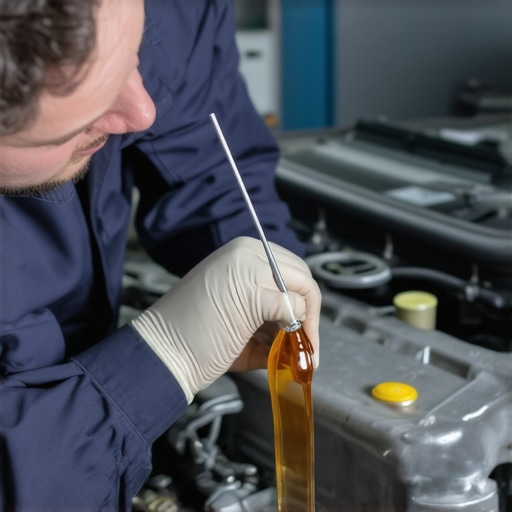
Start by checking your transmission fluid levels and condition. Use the dipstick to pull out the fluid—look for a bright red, transparent liquid free of debris or burnt smell. If the fluid is low, topped off, or darkened, it indicates a need for a fluid change or refill. During my own city commute, I made it a habit to check my fluid every few weeks, which caught a leaking seal early, saving me from costly repairs. For detailed guidance, see our article on auto repair tips.
Installing or Upgrading Cooling Components
Upgrade Your Transmission Cooler
One of the most effective ways to reduce heat buildup is installing an auxiliary transmission cooler. Think of it as adding a radiator specifically for your transmission—dividing and dissipating heat more efficiently. I applied this to my car after noticing frequent heat spikes—installing a quality aftermarket cooler, I saw immediate improvement. Consult a professional to select a compatible cooler and follow manufacturer instructions carefully to ensure optimal performance.
Improve Ventilation and Airflow
Proper airflow around the transmission helps maintain ideal operating temperatures. Ensure that your vehicle’s undercarriage vents are clean and unobstructed. During a DIY day, I used compressed air to clear debris from the vents, which improved airflow and cooled down my transmission temp during city drives. For complex alterations, consider consulting a mechanic or referring to auto repair resources.
Adopt Driving Habits That Reduce Heat
Accelerate smoothly and avoid sudden stops whenever possible. Rapid acceleration and braking cause transmission slippage and heat generation. I learned this firsthand when I stopped aggressive driving during rush hours—my transmission temperature stabilized, and my fuel efficiency improved. Practice anticipating traffic flow, and shift gears gently to prevent unnecessary strain. This also extends your transmission’s lifespan and enhances safety.
Perform Routine Maintenance
Scheduled transmission service is vital. Replace old transmission fluid regularly as per your vehicle’s manufacturer recommendations. Using the correct type of fluid is equally important; consult your owner’s manual or a trusted mechanic. During my last service, I opted for a comprehensive flush, which dramatically lowered my transmission temperatures during city driving. Regular check-ups at a professional shop can also catch issues like worn-out filters, which impede fluid flow and increase heat—more about this at transmission troubleshooting.
Utilize Engine and Transmission Sensors
Modern vehicles are equipped with sensors that monitor temperatures in real-time. Some aftermarket systems allow you to view these readings via smartphone apps or dashboard displays. I installed a sensor kit that alerted me when temperatures neared unsafe levels, prompting immediate action—such as reducing load or stopping to allow cooling. Investing in these systems provides early warnings and helps prevent overheating before damage occurs.
Limit Extended Idling in Traffic
Idling for long periods, especially in traffic jams, causes your engine and transmission to work harder, generating excess heat. If stuck, turn off the engine if safe to do so, or shift into neutral and disengage the clutch. During a particularly dense commute, I kept my engine off at a standstill—for about 10 minutes—and noticed a significant drop in transmission temperature upon restart. This habit can be a game-changer in the urban environment.
 Many car owners believe they understand the basics of collision renewal and auto repairs, but in reality, there’s a lot of misinformation that can lead to costly mistakes. Contrary to popular opinion, not all repair shops are created equal, and some common beliefs can actually hinder your vehicle’s longevity. For example, many assume that regular oil changes alone guarantee a healthy engine, but neglecting transmission and brake system maintenance can cause severe problems down the line. One prevalent myth is that DIY repairs always save money; however, improper fixes can worsen damage and invalidate warranties, as discussed in our detailed guide on car service essentials.
Let’s clarify a crucial misconception: many think that all collision repair centers use the same quality of parts and craftsmanship. In reality, choosing a reputable shop that adheres to industry standards can make a significant difference, especially when restoring crucial components like the frame or suspension. Skimping on quality often results in rework or even dangerous driving conditions. This is where understanding the importance of certified repair facilities becomes vital.
Ever wondered if the hidden nuances affect long-term performance? For instance, the choice between OEM and aftermarket parts isn’t always straightforward. While aftermarket parts can be cheaper, they sometimes compromise safety and durability. According to automotive safety experts, investing in OEM parts ensures compatibility and longevity, which ultimately saves money. It’s a subtle but critical factor most car owners overlook.
Additionally, many overlook the importance of specialized diagnostics for transmission and brake systems. Modern vehicles rely heavily on electronic sensors and computerized systems. A common mistake is ignoring warning signs because they seem minor or are mistaken for calibration issues. Advanced diagnostic tools can detect underlying problems early, preventing more extensive repairs later. For in-depth troubleshooting techniques, check out top transmission repair tips.
Furthermore, some believe that regular maintenance is unnecessary if the car seems to run fine. But small issues like uneven brake pad wear or minor fluid leaks can escalate quickly, causing unsafe driving conditions or expensive repairs. Regular inspections and adherence to manufacturer guidelines are your best defense against unexpected breakdowns. Learn more about proactive maintenance strategies at our maintenance advice page.
Finally, the misconception that collision repair is purely cosmetic neglects the trauma your vehicle’s structural integrity might have suffered. Undetected frame damage can compromise safety and handling, which is why choosing a repair shop with cutting-edge damage assessment tools is wise. Restoring your car to factory specifications isn’t just about appearance—it’s about safety and performance.
Have you ever fallen into this trap? Let me know in the comments. Remember, understanding these nuances not only saves you money but also ensures your safety on the road.Maintaining your car’s performance over the years requires more than just basic knowledge; it demands the right tools, a strategic approach, and a keen understanding of how to utilize them effectively. Personally, I rely on a combination of advanced diagnostics and proven maintenance equipment to keep my vehicles in top shape. One of my go-to tools is the scan tool like the OBD-II scanner, particularly the **BlueDriver**. This device connects to my smartphone and provides real-time data on engine performance, transmission status, and sensor health, enabling me to identify issues before they escalate. I use it weekly to monitor parameters such as transmission temperature and fluid status, ensuring everything stays within optimal ranges.
For more comprehensive checks, I integrate software solutions like **AutoEnginuity**, which gives me deep access to vehicle-specific modules, vital for troubleshooting complex systems like transmission shift controls or ABS sensors. These tools are invaluable for diagnosing nuanced problems that standard visual inspections might miss. I’ve found that maintaining detailed logs of scan reports helps track long-term trends, assisting in predicting component failures and planning timely repairs, ultimately extending vehicle lifespan.
In terms of physical equipment, I swear by a **high-quality torque wrench** like the **gtwerk Digital Torque Wrench**. Correct torque application during repairs—especially when replacing brake rotors or transmission components—prevents unnecessary wear and ensures safety. Proper torque is crucial for maintaining the integrity of critical parts, and I make it a point to re-torque bolts after a break-in period.
Additionally, I keep an **infrared thermometer** handy. This allows me to measure surface temperatures of critical parts like the transmission pan or brake discs to catch overheating issues early. Consistent temperature monitoring during routine maintenance enhances the longevity of components by preventing heat-related damage.
Looking ahead, the automotive industry is moving towards smarter, connected tools. Wireless diagnostic modules integrated with cloud-based platforms will provide continuous vehicle health monitoring, alerting owners to issues before they manifest physically. Staying updated with new technology ensures you’re prepared to tackle future challenges.
**How do I keep my vehicle systems reliable over time?** Regularly using diagnostic tools like the BlueDriver to perform diagnostics after any major drive or repair session allows early detection of potential problems. Also, scheduling routine maintenance checks—such as fluid analysis as suggested in our guide on extending vehicle life)—combined with precise, tool-assisted adjustments ensures each component functions within its optimal parameters.
If you’re serious about long-term vehicle care, I highly recommend investing in a good scan tool and learning basic diagnostic techniques. For example, conducting a **simple transmission temperature check** using an infrared thermometer during city driving can reveal overheating issues early, preventing long-term damage. Give it a try during your next city trip; it may save you from costly repairs down the line! 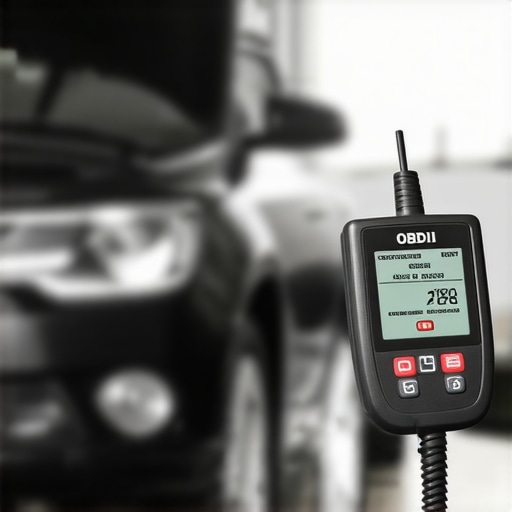
Mastering the art of maintaining optimal transmission temperatures isn’t just for professional mechanics—it’s a vital skill for every car owner, especially those navigating urban environments. The key insight I wish I had grasped sooner was how easily city traffic can turn into a silent enemy, quietly pushing your transmission towards costly damage. By understanding the nuances of heat buildup and proactive management, you’re empowered to extend your vehicle’s lifespan and save money. Remember, a well-maintained transmission isn’t just about smooth gear shifts—it’s about safeguarding your entire driving experience.
Lessons the Road Taught Me About Hidden Risks
- Ignoring early warning signs, like fluctuating temperatures or sluggish shifts, can escalate minor issues into major repairs. Trust me, catching these signs early is a game-changer.
- Simple upgrades, such as installing an effective transmission cooler, can dramatically reduce heat stress during stop-and-go traffic—saving you headaches and money.
- Adopting gentle driving habits, like smooth acceleration and braking, not only conserves fuel but also keeps your transmission cooler and healthier over time.
- Regularly checking and maintaining transmission fluid levels and condition acts as your first line of defense against overheating, especially in demanding city driving conditions.
- Leveraging modern sensor technology and diagnostic tools can provide real-time insights, allowing you to take preemptive action before heat causes damage.
Tools and Resources I Rely On for Peace of Mind
- BlueDriver OBD-II Scanner: This trusted device connects to my smartphone, providing instant access to transmission and engine data. Its reliability and user-friendly interface make it indispensable.
- AutoEnginuity Software: For deeper diagnostics, this software uncovers issues hidden beneath the surface, saving me time and unnecessary repairs.
- Infrared Thermometer: A simple yet powerful tool that helps me monitor transmission surface temperatures during drives, ensuring everything stays within safe ranges.
- High-Quality Torque Wrench: Precise torque application during repairs prevents uneven stress and potential overheating, maintaining safety and durability.
Step Into Ownership and Keep Your Car Running Strong
The future of vehicle care lies in proactive, informed maintenance. Armed with the right tools, knowledge, and habits, you can transform your city drives into smooth, worry-free experiences. Don’t wait for warning lights—be the driver who notices the subtle signs and acts decisively. Your transmission, wallet, and peace of mind will thank you. Ready to take the next step? Start today by checking your transmission fluid and consider upgrading your cooling system—your vehicle’s longevity depends on it. How have you managed transmission heat during city driving? Share your tips below!