
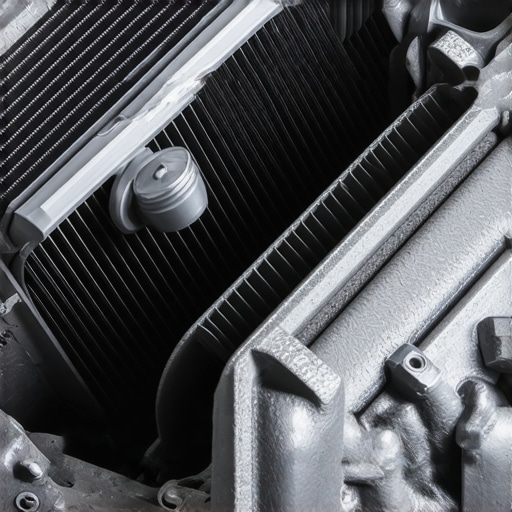
It happened on a scorching summer day—my car started to behave oddly right when I needed it most. The engine was running smoothly, but suddenly, I felt that unmistakable grip of panic: the transmission warning light flickered on, and my car hesitated as if it was struggling to catch its breath. That moment was a lightbulb for me. I realized I’d been overlooking a simple, yet vital check that can prevent your transmission from overheating, saving you costly repairs and dangerous breakdowns.
Why a Tiny Check Might Save Your Car from Major Damage
Have you ever experienced your car shifting rough or feeling sluggish without understanding why? As someone who’s dedicated to keeping vehicles on the road longer and safer, I can tell you that many transmission issues stem from neglecting basic maintenance—specifically, the fluid level and condition. Overheating is one of the leading causes of transmission failure, and it sneaks up when you least expect it. Fortunately, I’ve learned that a straightforward, simple check can make all the difference.
I remember making the mistake early on of ignoring my transmission fluid levels, believing they were fine because the car seemed okay. That was a costly oversight. According to automotive experts, such as those at Car Outlook, proper transmission fluid level and quality are critical for heat dissipation and smooth operation. Ignoring these can lead to overheating, which accelerates wear and ultimately leads to transmission failure.
This is not just about avoiding breakdowns; it’s about your safety and saving money. When the transmission overheats, it can result in sudden loss of control or damage to internal components that are expensive to replace. But here’s the good news—checking and maintaining your transmission’s health can be a quick, manageable task.
If you’ve faced a situation where your transmission feels sluggish or slips unexpectedly, don’t brush it off. It might be your car’s way of telling you that it’s overheating or lacking proper fluid. This simple check could be your best defense against an unforeseen breakdown.
In the following sections, I’ll walk you through exactly how to perform this check, dispelling myths and giving you practical tips from my own experience. Trust me, knowing how to keep your transmission cool is a life-saver that every car owner should have in their toolkit.
Locate Your Transmission Dipstick
Start by parking your car on a level surface and engaging the parking brake. Open the hood and find the transmission dipstick; it’s usually near the back of the engine bay and labeled. If you’re unsure, consult your vehicle’s manual or check online resources specific to your model.
Remove and Clean the Dipstick
Pull out the dipstick carefully, then wipe it clean with a lint-free cloth or paper towel. This ensures an accurate reading and removes any dirt that could contaminate the fluid.
Reinsert and Check the Fluid Level
Insert the dipstick fully back into its tube, then remove it again. Observe the fluid level; it should be within the marked indicators, typically labeled ‘Full’ and ‘Low.’ If the fluid is below the ‘Low’ mark, it’s time for a top-up.  this guide.
Many car owners buy into myths about transmission and auto repair that can lead to costly mistakes. A prevalent false belief is that ignoring minor transmission issues won’t cause long-term damage. In reality, small problems like delayed shifting or sluggish response are often early signs of overheating or fluid degradation, which, if neglected, can result in complete transmission failure. Experts at Car Outlook emphasize that early intervention can save you thousands and prolong your vehicle’s lifespan. Another myth suggests that all transmission fluid is the same, but using the wrong type can degrade components faster due to incompatible additives, leading to overheating and wear.
Advanced car care requires understanding nuanced factors like transmission fluid viscosity at different temperatures and how specific formulations impact heat dissipation. For example, high-mileage vehicles might benefit from specialized fluids to prevent leaks and viscosity breakdown. An often-overlooked trap involves neglecting brake service intervals; many believe pads are the only component to replace. However, worn-out rotors or calipers can compromise safety and increase repair costs if not addressed promptly. Regular inspections from professionals who understand these complexities can prevent accidents and costly repairs.
A critical question for experienced enthusiasts is: How does the choice of lubricants influence a transmission’s long-term reliability under extreme conditions? Studies from the SAE demonstrate that synthetic fluids can improve heat resistance and shear stability, especially in high-performance driving scenarios, further emphasizing the importance of expert advice in maintenance planning. This knowledge helps avoid mishaps caused by oversimplification or misinformation.
Be proactive with your vehicle’s maintenance. Misconceptions about auto care might seem harmless but can be dangerous over time. I highly recommend reviewing comprehensive guides like [The Ultimate Guide to Auto Repair](https://collisionrenew.com/the-ultimate-guide-to-auto-repair-keep-your-car-running-smoothly) and consulting specialists through [Collision Renew’s contact page](https://collisionrenew.com/contact-us) to ensure you’re making informed decisions. Remember, understanding the hidden nuances in auto maintenance empowers you to extend your vehicle’s life and safety.
Have you ever fallen into this trap? Let me know in the comments.Maintaining your vehicle’s optimal performance requires more than just basic knowledge; it demands the right tools and a strategic approach to long-term care. As someone deeply involved in auto repair and vehicle upkeep, I can attest that investing in quality equipment and adopting proven methods can substantially extend your car’s lifespan and reliability.
Invest in a Reliable OBD-II Scanner
One of the most valuable tools I recommend is a high-quality OBD-II scanner. This device allows you to access real-time data and diagnose issues before they escalate. I personally use the BlueDriver scanner because of its comprehensive app integration and accurate readings, which help me pinpoint problems like transmission sensor faults or brake system alerts quickly. Regular scans can reveal hidden issues, especially in complex systems prone to subtle malfunctions.
Use Precision Torque Wrenches for Safety and Accuracy
When working on critical components such as brakes or suspension, applying the correct torque is vital. I rely on a digital torque wrench that provides precise settings, preventing over-tightening or under-tightening. This attention to detail not only ensures safety but also maintains component integrity over time, reducing the need for future repairs. Proper torque application is especially crucial for parts like caliper bolts or wheel lug nuts, where incorrect torque can lead to uneven wear or safety hazards.
Adopt a Systematic Maintenance Schedule
Consistency is key to keeping your vehicle in top shape. I follow a detailed maintenance calendar that includes fluid checks, filter replacements, and inspection intervals tailored to my car’s make and model. Resources like the essential car service checks guide help me stay organized and proactive, catching issues early and avoiding costly breakdowns. Employing checklist apps or reminder systems can streamline this process, ensuring no step is overlooked.
Leverage Diagnostic Software for Deep Insights
Beyond basic scanners, advanced diagnostic software like Drew Technologies’ CANape provides in-depth analysis of vehicle networks. While more suited for professional environments, even enthusiasts can benefit from understanding ECU data streams. Knowing how to interpret these signals helps in diagnosing complex transmission or collision renewal issues, facilitating targeted repairs rather than guesswork. This software is an investment in your vehicle’s long-term reliability, enabling you to understand its nuanced behaviors.
Predicting future trends indicates that tools integrating artificial intelligence will become mainstream, offering predictive diagnostics and automated maintenance alerts. Staying ahead involves embracing these innovations and continually updating your toolkit. For example, future OBD-II devices may analyze data patterns to forecast component failures before symptoms manifest, revolutionizing preventive care.
How do I maintain transmission health over time?
Regularly monitoring transmission fluid levels and condition remains the most effective strategy. Use your trusted scanner or software to check for abnormal readings or degraded fluid properties, such as dark color or burnt smell. Addressing these signs promptly can prevent overheating and extend your transmission’s lifespan. If you want to refine your maintenance routine, consider consulting industry experts via the contact page for personalized advice. Remember, proactive care isn’t just about fixing problems; it’s about building a sustainable approach to vehicle longevity. Take the initiative today by investing in a quality diagnostic tool and establishing a routine—it’s a small step that yields enormous benefits for your car’s performance and safety.
What I Wished I Knew Before My Car Flashed a Warning Light
One of the most valuable insights I gained was realizing that neglecting small maintenance details can lead to major roadside stress. Addressing issues early, like checking your transmission fluid regularly, can save time, money, and safety. I learned that proactive care isn’t just about avoiding breakdowns but about truly understanding my vehicle’s subtle signals and reacting before trouble escalates.
Tools and Strategies That Transformed My Approach to Car Care
Investing in a quality OBD-II scanner revolutionized how I spot problems early. Pairing this with a torque wrench helped me ensure safety-critical components are properly secured, reducing the risk of failure. Regularly consulting comprehensive guides empowered me to build a personalized maintenance schedule, turning auto care from guesswork into a routine I trust. These tools and habits fostered confidence and extended my vehicle’s lifespan.
Car Care Lessons You Can’t Afford to Ignore
Many auto myths can lead you astray—believing that minor issues will fix themselves or that all transmission fluids are the same could be costly mistakes. Instead, understanding the nuances of fluid type, recognizing early signs of overheating, and maintaining proper levels make a real difference. My experience has shown that knowledge combined with vigilance creates a resilient approach to vehicle health, ensuring safety and saving money in the long run.