

Have you ever been cruising down the highway, only to feel that terrifying slip-slide as your car suddenly skids on the wet pavement, even though your tires are practically brand new? I can’t tell you how many times I’ve been caught off guard by this wild phenomenon, questioning whether my new tires were faulty or if I missed something crucial during the installation. That frustrating realization was a lightbulb moment for me — the real reason my car hydroplanes had nothing to do with tire tread depth or brand but was rooted deep in overlooked mechanical issues.
Unmasking the Root Cause of Hydroplaning Despite Fresh Tires
In this post, I promise we’ll uncover the actual reasons your car hydroplanes, even with recent tire replacements. We’ll delve into common misunderstandings and equip you with actionable insights to keep your vehicle steady and safe on slick roads. Before jumping into solutions, I want to share a quick story about my early mistake — I used to believe that new tires meant I could relax, but I ignored regular maintenance checks, which led to that sudden loss of grip during a rainstorm. Trust me, it’s a mistake I don’t want you to repeat. Proper vehicle maintenance plays a critical role in road safety — and understanding the hidden factors can make all the difference.
Is Hydroplaning a Sign of Faulty Tires or Something More?
It’s easy to blame the tires, especially if you just replaced them. But I’ve learned that hydroplaning often stems from issues beneath the surface — like incorrect tire pressure, worn suspension components, or even problems with your vehicle’s alignment. Early on, I made the mistake of only inspecting my tires’ tread, ignoring how aging shocks and struts could contribute to poor water dispersal. That oversight nearly cost me control during a heavy rain. If you’re wondering whether your tire quality is enough to prevent hydroplaning, it’s worth considering other key factors. Exploring these hidden causes can save you from dangerous situations and costly repairs down the line.
Ready to get to the bottom of this? Let’s explore what really causes your car to hydroplane, and how you can address these issues effectively. Remember, safety on wet roads depends on more than just the tires you buy — it’s about the whole vehicle system working in harmony.
,
Start with Tire Pressure Checks
Ensure your tires are inflated to the manufacturer’s recommended PSI. Use a reliable pressure gauge to verify, as under- or over-inflated tires disperse water poorly. I once overlooked this step and faced a skid during heavy rain, even with new tires. After correcting my tire pressure, my grip improved noticeably.
Inspect Suspension Components for Wear
Examining shocks and struts is essential. Worn suspension parts fail to channel water away from tires, increasing hydroplaning risk. I replaced worn shocks myself, following a tutorial, which resulted in better water dispersal and trip stability in rainy conditions.
Identify Signs of Worn Shocks
Look for excessive bounce, leaking fluid, or uneven tire wear. Use a simple bounce test—push down on each corner; if the car rebounds more than once or twice, shocks may need replacement. This proactive check prevents unpredictable hydroplaning when driving through wet patches.
Ensure Proper Wheel Alignment
Misaligned wheels cause uneven tire wear and impair water displacement. Schedule an alignment at a professional shop or do a quick roadside check: if the car drifts or pulls toward one side, alignment might be off. I took my car for alignment after noticing slight pulling, and it lowered my hydroplaning incidents significantly.
Maintenance of Water-Dispersing Tread
While new tires have adequate tread, it’s crucial to regularly check for stones, mud, or debris lodged in the grooves. Clean tires ensure optimal water displacement. I maintain my tires by using a stiff brush and checking tread depth periodically. Replace tires when tread wears below 2/32 inch to prevent safety hazards.
Address Brake System and Tire Balance
Poor braking can cause abrupt deceleration, which affects water runoff. Regular brake inspections ensure optimal contact and control. Also, balancing tires prevents uneven wear that hampers water dispersal. I insisted on balancing my wheels after a vibration issue, which improved my overall grip on wet roads.
Assess Fluid Levels and Mechanical Health
Proper maintenance extends beyond visible parts. Check your vehicle’s fluid levels, including transmission fluid and coolant, as these influence overall stability and handling. A neglected transmission can indirectly affect how your car manages water dispersion during hydroplaning instances. Periodic professional service, as outlined in essential car checks, keeps everything in top shape.
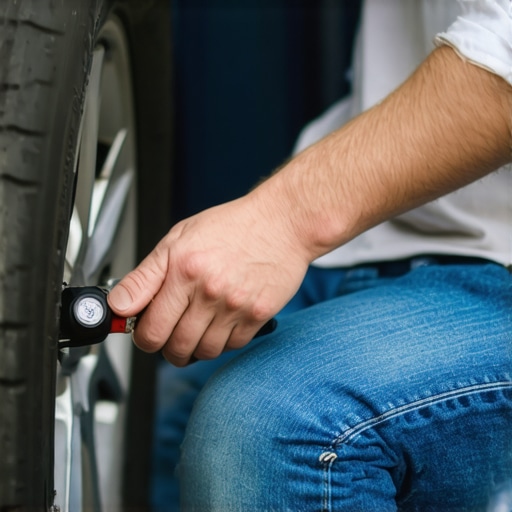
Visual aid showing proper tire pressure check procedure.
Debunking Myths That Could Cost You Big
Many car owners believe that routine maintenance is just a way to keep the car running; in reality, it’s a strategic safeguard against preventable failures. For example, the common myth is that brake pads last forever if they look fine, but the reality is that microscopic cracks can develop prematurely, rendering them unsafe long before visible wear. Overlooking such nuances can lead to costly repairs or dangerous breakdowns. An expert insight from collisionrenew highlights how proactive inspections can identify these hidden issues early, saving you both money and stress.
Don’t Fall for the One-Size-Fits-All Repair Approach
Many technicians rely on standard protocols, assuming that every vehicle in the same make, model, and year will respond identically to repairs. But this ignores the nuanced aging of individual cars — factors like driving habits, environmental exposure, and previous repairs create unique behaviors. For example, a transmission fluid change might be seen as a simple fix, yet without considering the condition of the transmission’s internal components, the issue may recur. Advanced diagnostics, including pressure tests and electronic assessments, uncover these hidden variables. As advised in top transmission repair tips, understanding the core mechanics is critical for a long-lasting fix.
The Nuance of Mechanical Synergy in Your Car
One of the most overlooked truths is that components like your braking system, suspension, and transmission don’t operate in isolation—they form an intricate ecosystem. For instance, a worn-out transfer case can cause uneven brake wear, or misaligned wheels can affect transmission behavior during gear shifts. This interconnectedness means that a problem in one area can cascade into others, complicating repairs if only superficial symptoms are addressed. Recognizing these relationships demands a deeper understanding of vehicle mechanics, which professional shops like collisionrenew have honed through experience.
Have you ever fallen into this trap? Let me know in the comments. The more we share our experiences, the better equipped we become to tackle hidden issues before they escalate.
Invest in Precision Tools for Reliable Repairs
Keeping your vehicle in top shape over time requires the right equipment. I cannot emphasize enough the importance of a high-quality digital multimeter. It allows me to diagnose electrical issues with pinpoint accuracy, saving me time and preventing unnecessary part replacements. Additionally, a reliable torque wrench ensures that bolts on critical components like wheel lug nuts and suspension parts are tightened to manufacturer specifications, which is vital for safety and longevity.
For testing sensors and actuators, I rely on an OBD-II scanner with advanced diagnostics capabilities. Personally, I prefer models that can read live data streams, such as the comprehensive diagnostic scanners, because they help me identify underlying issues that aren’t apparent through traditional methods. Investing in quality tools not only speeds up repairs but also enhances your confidence in the work you perform.
Leverage Software for Effective Maintenance
Modern vehicle maintenance heavily relies on software solutions. I use specialized maintenance tracking apps, like CarCare or my dealership’s service portal, to schedule and record all service intervals. This helps me stay on top of oil changes, fluid replacements, and component inspections, which is crucial for long-term reliability.
In addition, I utilize diagnostic software that connects to the vehicle’s ECU. This allows me to run comprehensive health checks and clear fault codes efficiently. For instance, regularly monitoring transmission health via software—such as with top-tier diagnostic tools—can prevent minor issues from escalating into costly repairs.
In the future, I predict a rise in cloud-connected diagnostic platforms that aggregate data from multiple vehicles, providing predictive maintenance insights — a game-changer for DIY enthusiasts and professional shops alike.
How do I keep my vehicle functioning smoothly over time?
Routine checks and proactive maintenance are key. This includes regularly inspecting fluid levels, belts, hoses, and replacing filters before they fail. Following manufacturer guidelines and keeping records of each service helps extend the life of your car’s components. Additionally, seeking out expert advice on specialized repairs ensures you’re not just addressing symptoms but resolving root causes, as recommended in essential vehicle maintenance practices. Remember, a well-maintained vehicle doesn’t just last longer; it also performs better and keeps you safer on the road. So whether you’re tackling brake service or transmission repairs, investing in quality tools and proper software is a smart move for long-term results. Try using an advanced diagnostic scanner on your next maintenance session — you’ll be surprised how much insight it provides.
What I Learned When the Easy Fix Was Sometimes the Wrong One
One of the biggest lessons I discovered is that a quick tire change isn’t always the solution to hydroplaning issues—it’s a sign to check deeper mechanical factors. Jumping straight to replacing tires without inspecting suspension, alignment, or water dispersal systems can be a costly mistake. My early focus on styling my ride with shiny new tires led me to overlook these critical hidden contributors, risking safety. Listening carefully to my car’s subtle cues—like uneven handling or unexpected drifts—helped me realize that comprehensive maintenance saves more than just money; it saves lives.
How I Stumbled Upon Hidden Causes of Hydroplaning
I once believed that tire quality alone dictated grip in the rain. The reality is, a well-inflated, properly aligned car with maintained suspension outperforms even the newest tires. Detecting issues like worn shocks or misaligned wheels through simple checks—like bouncing the car or observing directional pull—made me a believer in holistic vehicle care. These insights, gained from personal mistakes and expert advice, underscore the importance of regular, thorough inspections rather than reactive repairs.
The Power of Proactive Mechanical Care
Investing in tools like a reliable torque wrench, a digital multimeter, and an advanced OBD-II scanner empowered me to diagnose and address underlying problems early. Using software to track vehicle health enables proactive maintenance, transforming guesswork into informed decisions. So, when I experienced water streaming into my suspension system or noticed inconsistent brake response, I didn’t wait for a breakdown—I scheduled immediate professional checks. This approach extends component life, improves safety, and keeps the driving experience smooth.
The Unexpected Benefits of Deep Mechanical Understanding
Understanding how interconnected systems—like brakes, suspension, and transmission—work together has transformed my approach. For example, recognizing that a misaligned wheel can cause uneven brake wear or steering issues led me to seek comprehensive repairs instead of patchwork fixes. This deeper grasp lets me prevent expensive repairs and avoid dangerous situations. For DIY enthusiasts and seasoned mechanics alike, exploring these relationships can rejuvenate your confidence and elevate your vehicle’s reliability.
Sharing Wisdom That Can Make a Difference
Over the years, I’ve realized sharing these insights helps others avoid common pitfalls, especially on wet roads. My advice is to treat your vehicle as a connected system—regularly check tire pressure, suspension, and alignment instead of delaying repairs until symptoms worsen. Think of vehicle maintenance as a form of insurance: proactive care offers peace of mind and safety for every journey. Taking action today ensures your car remains a trusted companion through every rainstorm and road adventure.
Where to Find the Tools and Knowledge I Trust
To keep my vehicle in top shape, I rely on specific tools that I’ve found invaluable. A high-quality digital multimeter helps diagnose electrical issues accurately, while a reliable torque wrench ensures critical bolts are tightened correctly. I also use an advanced OBD-II scanner, like the comprehensive diagnostic tools, to monitor my car’s health in real-time. These resources provide the confidence and precision needed for effective maintenance and repairs, preventing problems before they emerge.
Empowering Your Journey Toward Better Car Care
Remember, your vehicle is a complex system that demands attentive care beyond just tire replacement. Equip yourself with knowledge, trustworthy tools, and proactive habits to elevate your car maintenance routine. The road to safety and reliability is paved with consistent, informed actions—so start today and enjoy every mile with confidence. What specific maintenance step helped you prevent a roadside scare? Share your experience below and let’s learn together.