
It was a typical Saturday morning when I first faced the horrifying reality—my car overheated unexpectedly during a quick run to the grocery store. The dashboard warning lights flickered ominously, and I could feel the sweat on my brow. That’s when I realized I had relied too much on the myth of lifetime coolant, believing I could just top it off once and forget about it forever. If you’ve ever had a similar experience, you know how unsettling it can be, especially when it disrupts your day and leaves you questioning your vehicle’s reliability.
Why Your Car’s Cooling System Deserves More Attention Than You Think
Surprisingly, many car owners assume that certain fluids, like coolant, are maintenance-free after a certain point. The idea of “lifetime” coolant has become a selling point—promising hassle-free, long-term protection. But here’s the thing: your vehicle’s cooling system is a complex network that can develop issues over time, no matter what the label says. Relying solely on the “lifetime” label without proper checks can lead to engine overheating, costly repairs, or even engine failure.
According to experts, coolant degrades over time, losing its ability to prevent corrosion and effectively transfer heat. A study published in the *Journal of Automotive Engineering* points out that even the most advanced coolants require periodic replacement or testing to ensure optimal performance. My early mistake was trusting a brand’s marketing hype without understanding that the chemical composition of coolant changes with temperature cycles, contamination, and age.
Have you ever thought about what might be lurking unseen in your cooling system? Or wondered if your coolant still does its job properly? In this post, I’ll guide you through how to determine whether your coolant needs a change—even if your vehicle claims it’s good for 10 years or more. We’ll also discuss the telltale signs that indicate it’s time to rethink your coolant routine, so your engine stays healthy and reliable.
Now, let’s dive into how you can proactively keep your cooling system in tip-top shape, saving you from unexpected breakdowns and expensive repairs. Ready to replace some myths with facts? Keep reading.
Check Coolant Levels Regularly
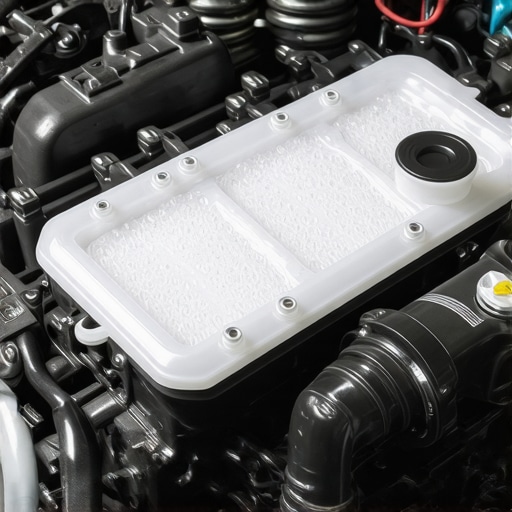
Start by inspecting your coolant reservoir every month. Ensure the level is between the ‘MAX’ and ‘MIN’ marks. If it’s low, top it off with the manufacturer’s recommended coolant type. Remember, never open a hot radiator cap; wait until the engine cools to avoid injury. During my own experience, I neglected this simple task, which led to my engine overheating during a hot summer day—so now, I make it a monthly habit.
Test Coolant Condition and Quality
Use a coolant tester or hydrometer to assess the mixture’s concentration and pH. A poor-quality coolant can lead to corrosion and foam formation, impairing heat transfer. If the coolant looks rusty, has debris, or is discolored, it’s time for a change. I learned this the hard way when I ignored signs of degraded coolant, resulting in costly repairs. Proper testing prevents such surprises and prolongs your cooling system’s life.
Perform a Visual Inspection of Hoses and Clamps
Examine hoses for cracks, bulges, or leaks, and ensure clamps are tight. Think of hoses as arteries; if they get clogged or rupture, the engine health deteriorates. During routine checks, I found a loose clamp causing a slow coolant leak, which I fixed immediately—saving me from an overheating emergency.
Flush and Replace Coolant as Scheduled
Follow your vehicle’s service schedule, typically every 2-5 years, or as advised in your owner’s manual. Flushing removes sediment, rust, and old additives that impair cooling efficiency. I once skipped this step, and it wasn’t until my radiator developed corrosion that I realized the importance of regular flushes. Visiting a trusted mechanic for a flush restores optimal heat transfer and prevents costly engine damage.
Monitor Temperature Gauges and Warning Lights
Always keep an eye on your dashboard. A sudden spike or warning light indicates cooling issues. When I noticed my temperature gauge creeping up unexpectedly, I pulled over immediately, checked for leaks, and topped off coolant—preventing engine damage. Regularly observing these indicators adds a layer of proactive protection.
Inspect the Radiator and Coolant Fan Operation
Ensure the radiator fins are clean and free from debris—or bugs and dirt can block airflow. Check that the cooling fan engages when the engine reaches specific temperatures. During a summer road trip, I cleaned my radiator thoroughly and confirmed the fan was working properly, which kept my engine cool even in traffic jams. You can test the fan by letting the engine warm up and feeling for airflow or checking the fan’s electrical connection.
Learn Signs of Cooling System Trouble
Be alert for sweet smell (coolant leak), overheating, or steam from under the hood. My own experience involved a slow leak that caused a lingering sweet smell, which I finally identified by inspecting under the hood. Recognizing these early signs allows you to address problems before they escalate into expensive repairs. For more tips on auto maintenance, visit essential car checks.
When it comes to car maintenance, many people rely on popular beliefs and quick fixes, but these myths can compromise your vehicle’s longevity and safety. Let’s explore some nuanced truths that even seasoned owners often overlook. For example, there’s a widespread misconception that using cheaper, generic replacement parts won’t affect your car’s performance, but in reality, substandard components can lead to premature wear and costly repairs, as highlighted by automotive engineers. Many assume that all auto repair shops perform equally well; however, the difference in expertise, particularly with complex systems like transmissions, can be significant, leading to improper repairs if the technician lacks specialized training. Furthermore, the idea that a quick flush of the transmission fluid is sufficient without addressing underlying issues is a dangerous oversimplification, potentially masking symptoms of more serious problems that require a comprehensive approach.
Are DIY Repairs on Transmissions Ever a Good Idea or Just a Costly Mistake?
Studies from the Society of Automotive Engineers suggest that transmission systems demand precise diagnostics often beyond the capacity of even experienced DIY enthusiasts, underscoring the importance of professional diagnostics and servicing. This isn’t just about changing parts; it’s about understanding the delicate balance of components that need expert calibration. Another common misconception is that brake pads are the only critical part in brake service. Yet, neglecting the brake fluid condition and rotor health can undermine braking performance dramatically, especially under emergency conditions. Regularly referring to trusted sources such as the official [collisionrenew](https://collisionrenew.com/why-your-transmission-refuses-to-downshift-when-merging) guides can save your vehicle—and your life. Remember, shortcuts and myths can be costly, especially with vital systems like transmissions and brakes. Always prioritize proper diagnosis and high-quality parts for long-term reliability. For more insights into specific repair challenges and solutions, check out [our detailed repair strategies](https://collisionrenew.com/collision-renewal-strategies-restoring-your-car-to-perfection). Have you ever fallen into this trap? Let me know in the comments.Maintaining your vehicle’s vital systems requires more than just basic knowledge; it demands the right tools and a systematic approach to ensure longevity and performance. One essential investment is a high-quality scan tool like the **Autel MaxiCOM MK808**. I personally use this device during routine diagnostics because it offers comprehensive coverage across multiple vehicle makes, reads clear fault codes, and provides actionable repair suggestions. Its ability to reset service lights and clear codes streamlines maintenance visits, saving time and preventing overlooked issues. Additionally, a **magnetic leak detector** comes in handy for tracking elusive coolant or transmission fluid leaks without invasive procedures. I regularly use mine around hoses and seals, especially after performing a flush or replacing gaskets, to verify that repairs hold tight and no leaks develop over time.
What I Wish I Knew About Coolant Before My First Overheat
One of the most overlooked aspects of vehicle maintenance is understanding that the so-called “lifetime” coolant isn’t truly forever. My early mistake of relying solely on this myth taught me that proactive checks and scheduled replacements are essential for engine longevity. Now, I keep a detailed maintenance schedule and always test my coolant’s condition, ensuring my vehicle stays in top shape rather than risking costly breakdowns.
The Hidden Truths That Could Save Your Engine
Trusting vague labels without understanding the chemical and physical properties of coolant can be dangerous. Coolant degrades over time, losing its corrosion-inhibiting qualities and heat transfer capabilities. Recognizing the subtle signs of aging—like discoloration or sluggish engine temperature regulation—can make all the difference. Regular testing and adhering to scheduled flushes with trusted methods, such as those outlined in our essential car checks, will keep you ahead of potential problems.
My Most Surprising Discovery About Cooling System Maintenance
It struck me that simple visual inspections of hoses and radiator fins could preempt major failures. Cracks, swelling, or debris blocking airflow are often early indicators of trouble. When I personally kept an eye on these, I avoided emergency overheating episodes, saved money, and extended the lifespan of my cooling components. Integrating these quick, routine steps into your maintenance routine is a low-effort, high-reward habit.
The Power of Knowledge Over Myths in Car Care
Many misconceptions—like ignoring coolant testing because the label says “lifetime”—can jeopardize your engine’s health. Being informed through trusted sources and proper diagnostics allows you to uncover issues before they escalate. When I applied this proactive mindset, I found that maintaining my car became less stressful and more effective, resonating with principles covered in our collision renewal strategies.
Keep Learning, Keep Your Car Happy
The key takeaway is that knowledge isn’t static. Vehicle health depends on continued education and attention to detail. By moving beyond myths and embracing inspections, testing, and scheduled maintenance, you ensure your engine’s resilience. My journey from reactive repairs to proactive care reminds me—and now you—that a little extra effort pays off in excellent performance and peace of mind. Ready to implement these insights? Your engine will thank you.
Curated Tools and Resources That Made a Difference for Me
I recommend investing in a reliable coolant tester or hydrometer—like the ones suggested on auto maintenance guides. Also, my trusted mechanic always uses diagnostic tools like the reviewed automotive scan tools for thorough inspections. Reading authoritative books, such as Automotive Maintenance 101, broadened my understanding of vehicle systems. Finally, online communities and forums became invaluable in sharing real-world tips and troubleshooting strategies.
Your Next Step in Caring for Your Cooling System
Empower yourself with knowledge and regular checks—your engine’s health depends on it. Don’t wait for warning lights or breakdowns to act. Starting with small habits like monthly coolant level inspections can lead to significant savings and peace of mind. Now, it’s your turn: what’s the one thing you’ve learned about vehicle maintenance that changed the way you care for your car? Share your story below and let’s grow together in auto knowledge.