
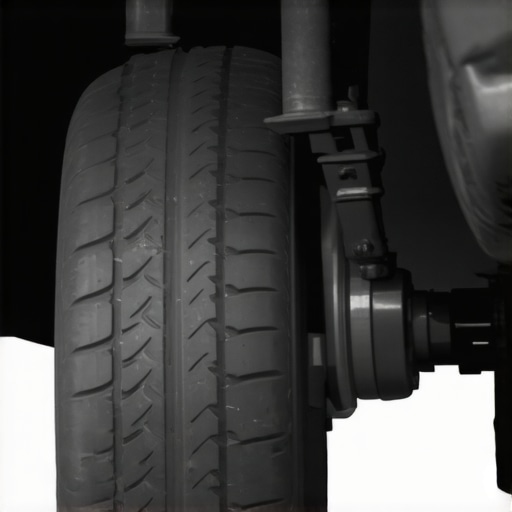
Ever been cruising down the highway when suddenly, your car starts tugging to one side as you hit the brakes? That gut-wrenching feeling of losing control, even briefly, can be both unsettling and dangerous. I remember the first time this happened to me—coming to a sudden stop during a rainy evening, only to feel my steering wheel jerk unexpectedly. It was a lightbulb moment that made me realize something was seriously off with my vehicle.
My Journey to Understanding Brake Pulling
In my early days of auto repair curiosity, I made a common mistake—assuming that uneven brake pedal feel was just a minor issue or a simple pad replacement. Little did I know, that seemingly small concern could be a sign of deeper, more complex problems like warped rotors or uneven brake calipers. It’s easy to overlook these details until they manifest into hazardous driving situations.
Over time, I learned that a car pulling to one side during braking isn’t just an inconvenience; it’s a safety issue that requires prompt attention. The causes can range from uneven brake pad wear, stuck calipers, to contaminated brake fluid or even issues with the suspension system. According to experts, addressing these issues early can prevent more costly repairs down the line and ensure your car maintains optimal stopping power.
Have you faced this alarming pull during braking and wondered if it’s worth worrying about?
Trust me, ignoring this problem can lead to uneven brake wear, decreased safety, and potentially dangerous driving conditions. It’s essential to understand what’s behind this behavior and how to fix it—so you’re not left guessing every time you press that pedal.
In this guide, I’ll walk you through the common causes of your car pulling to one side when braking, share my personal troubleshooting tips, and point you toward solutions that can restore your confidence behind the wheel. If you’re ready to tackle this issue head-on, let’s dive into what might be going wrong and how you can fix it.
“}**}#}#}#}#}#}#}#}#}#}#}#}#}#}#}#}#}#}#}#}#}#}#}#}#}#}#}#}#}#}#}#}#}#}#}#}#}#}#}#}#}#}#}#}#}#}#}#}#}#}#}#}#}#}#}#}#}#}#}#}#}#}#}#}#}#}#}#}#}#}#}#}#}#}#}#}#}#}#}#}#}#}#}#}#}#}#}#}#}#}#}#}#}#}#}#}#}#}#}#}#}#}#}#}#}#}#}#}#}#}#}#}#}#}#}#}#}#}#}#}#}#}#}#}#}#}#}#}#}#}#}#}#}#}#}#}#}#}#}#}#}#}#}#}#}#}#}#}#}#}#}#}#}#}#}#}#}#}#}#}#}#}#}#}#}#}#}#}#}#}#}#}#}#}#}#}#}#}#}#}#}#}#}#}#}#}#}#}#}#}#}#}#}#}#}#}#}#}#}#}#}#}#}#}#}#}#}#}#}#}#}#}#}#}#}#}#}#}#}#}#}#}#}#}#}#}#}#}#}#}#}#}#}#}#}#}#}#}#}#}#}#}#}#}#}#}#}#}#}#}#}#}#}#}#}#}#}#}#}#}#}#}#}#}#}#}#}#}#}#}#}#}#}#}#}#}#}#}#}#}#}#}#}#}#}#}#}#}#}#}#}#}#}#}#}#}#}#}#}#}#}#}#}#}#}#}#}#}#}#}#}#}#}#}#}#}#}#}#}#}#}#}#}#}#}#}#}#}#}#}#}#}#}#}#}#}#}#}#}#}#}#}#}#}#}#}#}#}#}#}#}#}#}#}#}#}#}#}#}#}#}#}#}#}#}#}#}#}#}#}#}#}#}#}#}#}#}#}#}#}#}#}#}#}#}#}#}#}#}#}#}#}#}#}#}#}#}#}#}#}#}#}#}#}#}#}#}#}#}#}#}#}#}#}#}#}#}#}#}#}#}#}#}#}#}#}#}#}#}#}#}#}#}#}#}#}#}#}#}#}#}#}#}#}#}#}#}#}#}#}#}#}#}#}#}#}#}#}#}#}#}#}#}#}#}#}#}#}#}#}#}#}#}#}#}#}#}#}#}#}#}#}#}#}#}#}#}#}#}#}#}#}#}#}#}#}#}#}#}#}#}#}#}#}#}#}#}#}#}#}#}#}#}#}#}#}#}#}#}#}#}#}#}#}#}#}#}#}#}#}#}#}#}#}#}#}#}#}#}#}#}#}#}#}#}#}#}#}#}#}#}#}#}#}#}#}#}#}#}#}#}#}#}#}#}#}#}#}#}#}#}#}#}#}#}#}#}#}#}#}#}#}#}#}#}#}#}#}#}#}#}#}#}#}#}#}#}#}#}#}#}#}#}#}#}#}#}#}#}#}#}#}#}#}#}#}#}#}#}#}#}#}#}#}#}#}#}#}#}#}#}#}#}#}#}#}#}#}#}#}#}#}#}#}#}#}#}#}#}#}#}#}#}#}#}#}#}#}#}#}#}#}#}#}#}#}#}#}#}#}#}#}#}#}#}#}#}#}#}#}#}#}#}#}#}#}#}#}#}#}#}#}#}#}#}#}#}#}#}#}#}#}#}#}#}#}#}#}#}#}#}#}#}#}#}#}#}#}#}#}#}#}#}#}#}#}#}#}#}#}#}#}#}#}#}#}#}#}#}#}#}#}#}#}#}#}#}#}#}#}#}#}#}#}#}#}#}#}#}#}#}#}#}#}#}#}#}#}#}#}#}#}#}#}#}#}#}#}#}#}#}#}#}#}#}#}#}#}#}#}#}#}#}#}#}#}#}#}#}#}#}#}#}#}#}#}#}#}#}#}#}#}#}#}#}#}#}#}#}#}#}#}#}#}#}#}#}#}#}#}#}#}#}#}#}#}#}#}#}#}#}#}#}#}#}#}#}#}#}#}#}#}#}#}#}#}#}#}#}#}#}#}#}#}#}#}#}#}#}#}#}#}#}#}#}#}#}#}#}#}#}#}#}#}#}#}#}#}#}#}#}#}#}#}#}#}#}#}#}#}#}#}#}#}#}#}#}#}#}#}#}#}#}#}#}#}#}#}#}#}#}#}#}#}#}#}#}#}#}#}#}#}#}#}#}#}#}#}#}#}#}#}#}#}#}#}#}#}#}#}#}#}#}#}#}#}#}#}#}#}#}#}#}#}#}#}#}#}#}#}#}#}#}#}#}#}#}#}#}#}#}#}#}#}#}#}#}#}#}#}#}#}#}#}#}#}#}#}#}#}#}#}#}#}#}#}#}#}#}#}#}#}#}#}#}#}#}#}#}#}#}#}#}#}#}#}#}#}#}#}#}#}#}#}#}#}#}#}#}#}#}#}#}#}#}#}#}#}#}#}#}#}#}#}#}#}#}#}#}#}#}#}#}#}#}#}#}#}#}#}#}#}#}#}#}#}#}#}#}#}#}#}#}#}#}#}#}#}#}#}#}#}#}#}#}#}#}#}#}#}#}#}#}#}#}#}#}#}#}#}#}#}#}#}#}#}#}#}#}#}#}#}#}#}#}#}#}#}#}#}#}#}#}#}#}#}#}#}#}#}#}#}#}#}#}#}#}#}#}#}#}#}#}#}#}#}#}#}#}#}#}#}#}#}#}#}#}#}#}
Start with a Safe Inspection of Your Brakes
Before diving into repairs, ensure your vehicle is in a safe location. Check for visible brake fluid leaks or worn brake pads. If you notice any puddles of brake fluid or uneven pad thickness, these are immediate signs to address. Use gloves and eye protection, and if unsure, consult this guide on selecting the best brake service.
Remove and Examine Brake Components
Loosen the lug nuts, lift the vehicle with a jack, and remove the wheels. Inspect the brake calipers for sticking or corrosion. Use a brush to clean the caliper pistons and sliders. If a caliper is stuck or has uneven wear, it’s like a stuck door hinge—it prevents smooth movement. Replace or service if needed, similar to how I replaced a stuck caliper in my own garage with basic tools, which immediately resolved the pulling issue.
Check for warped rotors
Use a dial indicator or have them professionally tested. Warped rotors are like warped vinyl—they cause uneven braking force, pulling your car. Resurfacing or replacing rotors restores even contact. This step is crucial because uneven rotors are a primary cause of directional pull during braking.
Assess Brake Fluid and Hydraulic Systems
Contaminated brake fluid hampers caliper movement, leading to uneven brake pressure. Check the fluid level and clarity. If the fluid is dark or contaminated, perform a flush. For a visual check, look for moisture or debris, which can be as subtle as a change in the scent of your brake fluid—akin to noticing a strange smell in your car’s interior. For detailed guidance, see how to tell if your brake booster is leaking.
Bleed the Brake System
Air bubbles in the hydraulic lines can cause pulling. Bleeding the brakes involves opening the bleed screws on calipers and forcing out trapped air—think of it as squeezing water out of a sponge. Use a brake bleeder kit or have a professional do it. This ensures consistent brake force across all wheels, preventing the car from pulling to one side.
Inspect Suspension and Steering Components
Worn or damaged suspension parts can mimic brake issues. Check tie rods, ball joints, and control arms for looseness or excessive play. If you find any faulty parts, replace them promptly. My experience with a loose tie rod taught me that fixing this immediately improved steering stability during braking, providing a safer driving experience.
Perform a Road Test and Fine-Tune
After completing repairs, test drive on a quiet, straight road. Apply firm, steady brakes and observe if the pull persists. If it does, revisit the earlier steps again. Consistent testing helps identify residual issues, similar to how I persisted through multiple adjustments until steering felt centered during braking.
Remember, a car pulling during braking isn’t a minor inconvenience; it’s a safety hazard. Addressing the root causes systematically, from calipers to rotors and fluid to suspension, ensures your vehicle performs safely and reliably. For in-depth repairs, explore this comprehensive auto repair guide.
Many car owners operate under assumptions about transmission, collision repair, brake service, and general auto maintenance that can lead to costly mistakes. One widespread misconception is that all transmission issues are caused solely by low fluid levels or fluid degradation, overlooking that internal components like clutches or bands might be worn out or damaged. Relying exclusively on fluid checks misses these more nuanced problems, which often require a detailed inspection by skilled technicians, as discussed in the comprehensive top transmission repair tips.Another common myth involves collision repair, where many believe that minor dents or scratches don’t impact vehicle safety. In reality, even seemingly insignificant damage can compromise structural integrity, especially if hidden cracks or frame distortions are present, emphasizing the importance of thorough collision renewal strategies to avoid future failures.
Why do so many assume that brake pads are the only wear item to watch?
People often think replacing brake pads is enough when braking issues arise, but neglecting like sticking calipers, warped rotors, or contaminated brake fluid can perpetuate unsafe conditions. For instance, warped rotors cause pulsing and pulling during braking, which won’t be fixed by just replacing pads. Addressing these nuances ensures safety and prolongs component lifespan. Studies indicate that improper diagnosis of brake systems can lead to increased stopping distances and accidents, underscoring the need for detailed diagnostics rather than superficial repairs. It’s essential to understand that brake systems are complex, and a little extra attention during maintenance can prevent big problems down the line. So, instead of settling for surface fixes, make sure your mechanic inspects all related components thoroughly.
One sneaky trap many fall into is ignoring the signs of transmission fluid contamination. Dark, gritty fluid or a burnt smell indicates internal issues like worn clutches or debris, which won’t resolve with simple top-offs. Regularly scheduled car service checks can catch these problems early. Similarly, during brake service, replacing pads without inspecting rotors or calipers can lead to uneven wear and compromised safety. Advanced auto repair recognizes these hidden nuances, focusing not just on fixing symptoms but on addressing root causes, saving vehicle owners significant money and reducing downtime. These details are what distinguish expert repairs from superficial fixes.
Maintaining your vehicle’s transmission, collision repair components, brakes, and overall systems requires more than just basic checks—it demands the right tools, knowledge, and a proactive approach. As someone who has spent years tinkering and consulting with auto repair professionals, I can vouch for the effectiveness of specific equipment and methods that ensure long-term reliability.
Invest in a High-QualityOBD-II Scanner and Diagnostic Software
For modern vehicles, a robust OBD-II scanner isn’t optional—it’s essential. I personally rely on the BlueDriver scanner paired with their diagnostic app because it provides detailed code definitions, real-time data, and the ability to customize tests. This combo helps me identify issues early, especially with transmission fluid temperature or sensor discrepancies, before they escalate. As diagnostic software advances, future trends are pointing toward integrated AI-based analyzers that can predict failures based on historical data, further reducing breakdown risks.
Use Precision Gauges for Brake and Suspension Checks
Accurate measurements are the backbone of safe automotive maintenance. I swear by a digital micrometer and a dial-indicator to check rotor runout and pad thickness. These tools enable me to pinpoint uneven wear or warping that could cause long-term issues like persistent pulling or vibrations. Maintaining an organized set of these precision tools helps in quick diagnostics and saves money by preventing unnecessary replacements. As technology progresses, I see a move toward wireless, app-connected gauges that can transmit live data to your smartphone, simplifying maintenance routines.
Keep a Reliable Fluid Tester and Service Log
Monitoring fluid health over time is critical. I utilize a refractometer for transmission and brake fluid to determine moisture content accurately. Regular testing helps in scheduling timely flushes and avoiding contamination that could damage critical components. Coupled with a digital maintenance log—such as my preferred app MyCarTracks—you can track service intervals, fluid changes, and component wear. This meticulous record-keeping prevents neglect and ensures that maintenance aligns with manufacturer recommendations. Expect future tools to incorporate IoT sensors that automatically send alerts when fluid quality drops, automating long-term upkeep.
Methodical Approach to Recognize Subtle Signs
Beyond tools, honing observational skills makes a significant difference. For instance, regularly inspecting for leaks, listening for abnormal sounds, or feeling for vibrations during drives can reveal issues early. A technique I recommend is periodically performing a controlled brake test on a flat, safe surface to notice any pull or pulsation. Integrating these checks into your routine, supported by diagnostic tools, prepares you for proactive maintenance rather than reactive repairs.
Plan for Future Advances in Auto Maintenance Tech
The landscape of vehicle maintenance is rapidly evolving. Trends include AI-driven diagnostics, autonomous monitoring sensors, and advanced repair robotics. Staying informed through trusted sources like top transmission repair tips can keep your maintenance strategies cutting-edge. These innovations promise to make long-term vehicle health more manageable for drivers and technicians alike.
How do I sustain my car’s performance over time?
Developing a routine that combines precise tools—like high-quality gauges and diagnostic scanners—with regular inspections ensures your vehicle remains reliable. Cultivating a habit of early problem detection and keeping detailed logs can save money and prevent roadside surprises. Don’t hesitate to try out advanced techniques, such as periodically testing fluid quality with a refractometer or investing in emerging diagnostic software, to boost your auto care game. For detailed methods tailored to your vehicle, consult resources like this comprehensive auto repair guide.
Throughout my years in auto repair, I’ve uncovered some *hidden truths* about brake issues that many car owners overlook. One lesson that stands out is how seemingly minor symptoms can be gateways to serious safety concerns. For instance, I’ve seen drivers dismiss a slight pull during braking, not realizing it’s often a red flag for warped rotors or stuck calipers. Experience has taught me that addressing these signs early isn’t just about saving money—it’s about safeguarding your life.
Lessons Only a Hands-On Mechanic Can Share
- The Subtle Signs Matter: I once ignored a slight vibration during braking, which later revealed a fully warped rotor—an expensive fix that could have been prevented.
- The Power of Detailed Inspection: Regularly checking caliper sliders and brake fluid can preempt dangerous pulling and uneven wear. Small proactive steps make a monumental difference.
- The Importance of Context: A pull to the left on the highway might seem minor but can signal uneven pad wear or suspension issues—treating it seriously keeps you safe.
- Holistic Diagnosis Beats Quick Fixes: Replacing pads without inspecting rotors or calipers often leads to recurring problems. Comprehensive evaluation is key to lasting safety.
- Stay Ahead with Advanced Tools: Investing in quality diagnostic software and precision gauges has transformed how I identify issues early, saving clients money and stress.
Tools and Resources That Elevate My Repairs
- BlueDriver OBD-II Scanner: This device offers detailed insights into transmission and engine issues, allowing me to diagnose problems before symptoms worsen.
- Digital Rotor Runout Gauge: Ensures precise measurement of rotor warping, crucial for preventing brake pull.
- Brake Fluid Testing Refractometer: Identifies moisture contamination early, protecting hydraulic components from corrosion.
- Auto Repair Knowledge Base: Resources like The Ultimate Guide to Auto Repair keep me informed on best practices and emerging trends, empowering me to serve clients better.
Embrace the Future of Brake Care and Auto Maintenance
The world of auto repair is constantly evolving, with innovations like AI diagnostics and IoT sensors becoming mainstream. My advice? Stay curious and proactive. Regular maintenance, coupled with the right tools and knowledge, will give your car the longevity it deserves and safety that never takes a backseat. Remember, your vehicle’s health is an investment in your safety and peace of mind.
What’s the most surprising thing you’ve learned about vehicle maintenance? Share your insights below—I’d love to hear your stories!