
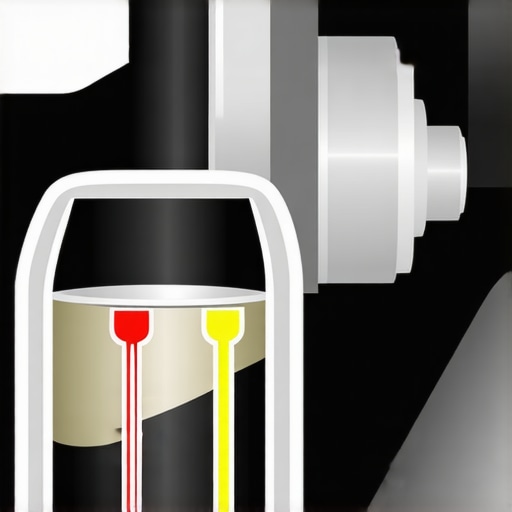
I remember the exact moment I first noticed my brake pedal feeling softer than usual, even though I hadn’t seen any puddles or drips under my car. It was a confusing, slightly alarming experience—like my vehicle was secretly telling me something was off. That lightbulb moment made me realize that sometimes, brake fluid levels can drop without the classic sign of a leak. It’s an auto mystery I’ve had to crack myself, and I’m here to share what I’ve learned along the way.
The Silent Drop of Brake Fluid
Many car owners don’t realize that a falling brake fluid level isn’t always about a visible leak. If your brake fluid mysteriously diminishes but you can’t find any puddles or drips, don’t dismiss it as a fluke. This sneaky issue can be caused by a variety of hidden factors—like internal leaks or absorption into other components—that we often overlook. Understanding these underlying causes can save you from bigger problems like brake failure or costly repairs later on.
Is This a Sign of a Major Problem?
When I first faced this situation, I was convinced I had a leak somewhere. Turns out, I had simply missed the subtle signs that pointed to internal issues. Early on, I made the mistake of ignoring minor fluctuations in brake fluid levels, thinking they were insignificant. That overconfidence nearly cost me my safety. With a bit more knowledge now, I realize that catching the problem early is key. To get started, let’s explore how brake fluid can drop without an external leak and what steps you can take to diagnose and address it—because, trust me, avoiding this issue is worth your time and safety.
If you want to dive deeper into other essential car checks to extend your vehicle’s life, visit our comprehensive guides at Essential Car Service Checks. And, as always, if you’re unsure about your vehicle’s condition, it’s wise to consult a professional. You can reach us through Contact Us.
Check the Brake Fluid Reservoir Regularly
Start by inspecting your brake fluid reservoir, usually located near the back of the engine bay. Remove the cap and observe the fluid level against the markings. If the level is below the minimum line, it indicates fluid loss. Don’t just top it up randomly—identify why it’s dropping.
Learn to Recognize Internal Leaks
Internal leaks happen within the brake master cylinder or calipers, causing fluid consumption without visible leaks. To spot this, press the brake pedal and hold. If it feels spongy or sinks slowly under steady pressure, internal leakage is likely. I once observed this during a routine brake check; the pedal was soft, and the level kept dropping despite no puddles underneath, indicating internal damage that needed immediate attention.
Inspect Brake Lines and Hoses
Carefully examine all brake lines and hoses for cracks, bulges, or corrosion. Use a flashlight and mirror to peek into hard-to-see areas. These components are common culprits for external leaks, especially in older vehicles. I found a cracked hose on my vehicle that caused slow fluid loss; replacing it restored brake performance instantly.
Look for Hidden Absorption in ABS Modules
Some modern cars with anti-lock braking systems (ABS) can absorb small amounts of brake fluid within the module, causing gradual level drops. Check the service manual for bleeding procedures or internal tests. I had to consult a professional to verify this in my car, but regular maintenance of ABS components can prevent surprises.
Test Brake System Pressure
Connect a pressure tester to the brake lines—this step is for experienced DIYers or professionals. Pump the brake pedal and observe the pressure gauge. A sudden drop signifies internal leaks or piston seal failures. During my last check, a pressure loss indicated internal seal deterioration, prompting me to replace the master cylinder before any brake failure occurred.
Monitor Brake Pad and Rotor Wear
Worn pads or warped rotors can cause uneven brake pressure and apparent fluid loss. Regularly inspect pads through the wheel spokes or remove wheels for a closer look. I once overlooked uneven brake pad wear, which later led to increased brake fluid consumption due to caliper sticking.
Keep Communication Open with Your Mechanic
If you’re unsure about your findings, consult a qualified technician. Describe the symptoms accurately, including any soft pedal sensation or inconsistent braking. Mechanics can perform internal inspections and tests that aren’t feasible at home. I recommend reading more about choosing the best brake service in 2025 here.
Many car owners assume that auto repair is straightforward, believing that basic fixes like oil changes or brake pad replacements can be DIY tasks without much risk. However, this oversimplification often leads to costly mistakes and overlooked nuances. For instance, a prevalent myth is that all brake pads wear evenly, but in reality, uneven wear can signal caliper issues or misaligned rotors, which require professional diagnosis.
How do overlooked nuances in car maintenance cause long-term damage?
Experts say that neglecting subtle signs like brake pedal vibrations or irregular transmission shifts can escalate problems and reduce vehicle lifespan. Relying solely on visual inspections or ignoring warning lights might seem safe, yet these cues often hide deeper issues that only a skilled technician can identify. For example, improper transmission fluid servicing or neglecting internal contamination can lead to premature transmission failure. Studies from automotive engineering journals emphasize that advanced diagnostics, such as pressure testing or internal sensor analysis, are crucial for accurate repairs. Don’t let assumptions sabotage your vehicle’s health; understanding these hidden nuances will save you time and money. For comprehensive strategies on restoring your car and avoiding common pitfalls, visit our guide on collision renewal strategies. Are you aware of the subtle signs that your car needs a professional touch? Have you ever fallen into this trap? Let me know in the comments.
Keeping It Working: Tools and Methods I Trust
Maintaining a vehicle for long-term reliability requires more than just basic repairs; it demands the right equipment, disciplined routines, and a bit of expert knowledge. I’ve grounded my approach in precision tools and strategic methods that not only keep my car running smoothly but also help identify potential issues before they become costly repairs. Here’s a breakdown of the core tools I rely on and how they contribute to vehicle longevity.
First, a digital scan tool like the Autel MaxiCOM MK808 has become indispensable. It allows me to perform thorough diagnostic checks, clear error codes, and monitor real-time data, providing insights that go beyond simple dashboard warnings. Unlike generic code readers, this device integrates deep-system diagnostics that help catch subtle issues, especially in complex systems like transmissions or ABS modules, well before they escalate. For example, I used it recently to detect early signs of a failing transmission solenoid, saving me a costly repair later.
Next, I swear by a high-quality mechanic’s stethoscope. This simple tool enables pinpointing mechanical noises—be it a faulty bearing or a slipping belt. When my car started a faint squeal during acceleration, a quick test with the stethoscope revealed a worn-out alternator bearing, allowing me to replace it proactively. This methodology exemplifies how listening can sometimes be more telling than visual inspections alone.
For routine maintenance, I implement a precision torque wrench. Applying the correct torque during parts installation or reassembly—especially for critical components like wheel lugs or cylinder head bolts—not only ensures safety but also prolongs component life. I personally favor the Tekton 1/2-Inch Drive Click Torque Wrench for its accuracy and durability, which aligns with the recommendations found in automotive repair manuals. Proper torque application can prevent uneven wear or premature failures, saving headaches down the road.
When it comes to fluid management, I utilize a colorimeter to test oil and coolant quality. This allows me to detect contamination or degradation early, aligning with the trend of predictive maintenance. Regularly testing and replacing fluids based on concrete data helps prevent internal component wear and overheating, especially in intensive driving conditions like towing or city commuting.
Looking forward, the trend is shifting towards integrated diagnostic systems and AI-powered maintenance planning. As vehicles evolve, so will the tools needed to keep them running smoothly. For instance, new diagnostic software continually integrates with vehicle telematics, alerting owners and technicians about potential issues in real time, much like the system described in the ultimate repair guide.
How do I maintain long-term performance through daily routines?
Consistency is key. Regularly checking fluid levels, inspecting belts and hoses, listening to abnormal sounds, and keeping software diagnostics up-to-date cultivate a proactive approach. Set a maintenance schedule not just based on mileage but also on driving conditions and vehicle age. Investing in quality tools, like a digital scan tool and torque wrench, ultimately empowers you to address minor issues before they blossom into major repairs, saving time and money in the long run. For detailed strategies on advanced maintenance, visit our collision renewal strategies. Try incorporating one of these tools or routines into your regular checkups and notice the difference in your vehicle’s performance.
Throughout my journey of auto repair, one experience shifted my perspective profoundly. Discovering that brake fluid levels can silently drop without obvious leaks taught me that listening to subtle cues is vital in vehicle maintenance. This realization pushed me beyond routine checks into a realm where intuition meets technical insight, making me a more attentive car owner and DIY enthusiast.
Secrets My Garage Didn’t Teach Me
- Internal leaks can hide in plain sight. I once dismissed a soft brake pedal as a minor inconvenience until a professional revealed an internal seal failure. Recognizing these internal issues early can prevent catastrophic brake failure, saving lives and money.
- Regular brake fluid monitoring is non-negotiable. Using a simple colorimeter, I learned to detect contamination before it compromised my braking system, illustrating how small habits foster long-term safety.
- The importance of proper diagnostics over guesswork. Relying solely on visual inspections can be deceptive. Investing in good diagnostic tools, like a digital scan tool, can reveal hidden issues that typical checks would miss, transforming how you maintain your vehicle.
- Preventive maintenance saves reputations and wallets. Addressing minor signs early, such as a gradual fluid level drop, prevented more extensive repairs. Think of maintenance as an investment, not an expense.
- Your relationship with a trusted mechanic can turn into a partnership, where open communication and shared knowledge enhance your car’s longevity and your confidence behind the wheel.
Tools and Resources That Changed My Game
- Autel MaxiCOM MK808: This diagnostic tool provides deep insights that helped me catch early warning signs, making repairs more targeted and cost-effective.
- Mechanic’s Stethoscope: Pinpointing unusual noises led me directly to faulty components like a worn alternator bearing, saving me from guesswork.
- Precision Torque Wrench: Ensuring components are tightened correctly prevents uneven wear and future problems, reinforcing the importance of attention to detail.
- Colorimeter for Fluids: Testing oil and coolant quality regularly helps detect contamination early, a step I now swear by for maintaining engine health.
Time to Trust Your Instincts and Tools
Auto repair is as much about awareness and proactive practices as it is about technical skills. Embrace the tools that empower you—like diagnostic scanners and quality hand tools—and develop an innate sense of your vehicle’s normal behavior. The journey to a safer, more reliable ride begins with small, deliberate steps that can save you from unforeseen breakdowns and costly repairs.
Are you ready to tune in more closely to your vehicle’s signals? What subtle signs have you overlooked before? Share your experiences below, and let’s keep the auto care conversation going!
To deepen your understanding, explore our comprehensive guide on collision renewal strategies—your roadmap to keeping your car in peak condition.