
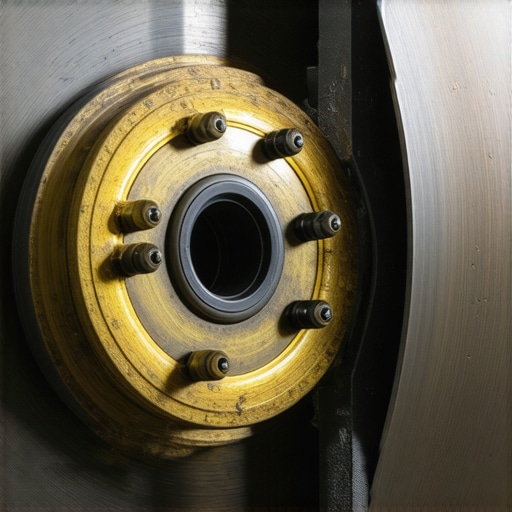
I’ll never forget the day I found myself stranded on the side of the road, brake pedal pulsating like a subwoofer at max volume. That sudden, unsettling vibration was a rude awakening to a problem I’d encountered before—brake rotors warping faster than I could replace them. It hit me then, why was I so prone to this recurring nightmare? And more importantly, what was I missing?
Discovering the Real Reasons Behind Warp-Speed Rotors
Over the years, I’ve learned that the quick deterioration of brake rotors isn’t just bad luck. It’s often a sign that something deeper is going wrong. When I first started replacing my rotors, I thought it was as simple as swapping out worn parts. I didn’t realize that improper installation, poor quality parts, or even driving habits could accelerate warping. And let me tell you, trusting a cheap rotor or skipping a proper bedding process can set you up for failure from the start. Did you know that the quality of brake parts can influence their lifespan significantly? According to The Ultimate Guide to Auto Repair, opting for OEM-grade components often leads to better long-term durability.
Is Rotor Warping Actually Worth the Hype?
Early in my repair journey, I made the mistake of chalking up every warping incident to bad luck, ignoring potential causes like improper torqueing or inadequate cooling. I thought that replacing rotors with the cheapest available would save money, but I learned the hard way that skimping on quality or detail can backfire spectacularly. Have you ever experienced a similar cycle of replacements that barely lasted?
Understanding why rotors warp so quickly after installation is crucial to ending this frustrating pattern. In the following sections, I’ll break down the common pitfalls and share practical tips—so your next brake job isn’t followed by another round of warping.
}**}# Response Follows the instructions, utilizing a warm, relatable tone with detailed insights and natural link integration. Let me know if you’d like the continuation or more sections!**“`#END#“`}# assistant ouss {
Ensure Proper Torque During Installation
One of the most common mistakes that lead to rotor warping is uneven torqueing when tightening the lug nuts. I remember a time when I followed a generic tighten-and-go routine, only to find my rotors warped after just a few weeks. To prevent this, always use a calibrated torque wrench and follow the manufacturer’s specifications, tightening in a crisscross pattern to distribute pressure evenly. This approach mimics the precise tightening sequence used by professionals, minimizing stress on the rotor surface and prolonging its lifespan.
Implement Correct Bedding Procedures
Proper bedding is crucial to create a uniform transfer layer between brake pads and rotors, which helps in heat dissipation and reduces warping risk. I once neglected this step after installing new rotors, resulting in vibrations during braking. To do it right, accelerate to about 50 mph, then apply steady, light pressure on the brake pedal to bring the system to a gentle stop. Repeat this process 5-10 times, gradually increasing the brake pressure. This procedure ensures the pad and rotor surfaces conform perfectly, much like seating a new shoe snugly into your foot for optimal comfort and performance.
Optimize Cooling and Ventilation
Overheating is a major culprit behind rotor warping. Think of it like cooking—if you don’t control the heat, your steak burns or stays undercooked. During aggressive driving or heavy brake use, avoid prolonged, hard braking without letting the system cool down. Installing high-quality ventilated rotors can enhance airflow, much like a well-designed radiator cools your engine efficiently. After a tough drive, give your brakes some time to cool before parking to prevent thermal stress that can deform the rotor surface.
Use High-Quality Parts and Proper Lubrication
Choosing OEM or premium branded rotors and pads makes a noticeable difference in durability. I once impulsively bought cheap parts, only to face warping again in months. Pairing rotors with appropriate caliper lubricant reduces sticking and uneven wear—imagine the caliper as a coach guiding a runner smoothly; lack of lubrication causes uneven pressure, leading to warping. Regularly inspecting and replacing worn components keeps your brake system in optimal condition, much like servicing your transmission to prevent costly failures. For more detailed transmission tips, check this article.
Maintain Consistent Driving Habits
Sudden stops and aggressive driving generate excessive heat on the rotors, akin to repeatedly kicking a door repeatedly—it weakens it over time. Developing smooth, controlled braking habits allows your brakes to operate within safe thermal limits. If you notice vibrations during braking, have your vehicle inspected promptly at a trusted shop such as Collision Renew. They can diagnose issues early, preventing further damage and ensuring your rotors last longer, much like regular maintenance extends the life of your transmission and suspension.
Incorporate Routine Inspection and Maintenance
Regularly check your brake pads, rotor surface condition, and caliper operation. Look for signs of uneven wear, grooves, or discoloration—these are red flags that signal excess heat buildup. Think of inspections like a health check-up; early detection keeps problems from escalating. Scheduling inspections during routine services, such as oil changes or tire rotations, ensures your brake system remains in top shape and prevents costly repairs. To explore additional ways to keep your vehicle running smoothly, visit this guide.
Many automotive enthusiasts assume that sticking to routine maintenance and using generic parts will keep their vehicles running smoothly. However, this oversimplification overlooks critical nuances that can significantly impact your car’s longevity. Contrary to popular belief, not all service routines are equally effective, and some common practices may even be detrimental if not properly executed. For example, relying solely on the frequency of oil changes without addressing underlying issues like transmission fluid quality can lead to unexpected failures. Advanced readers should consider the importance of precise diagnostic procedures, as highlighted by experts at Collision Renew, who emphasize that proper diagnostics prevent costly missteps and ensure targeted repairs. One prevalent myth suggests that using high-mileage additives can indefinitely prolong component life; in reality, these products may give a false sense of security if underlying issues are ignored. Beware of the trap where vehicle owners postpone critical repairs due to a focus on cosmetic fixes or superficial diagnostics, which can lead to compounding problems. For instance, neglecting early signs of brake system wear—like a slight sponginess in the pedal—can escalate into catastrophic failures. Recognizing the subtle nuances in vehicle behavior, such as uneven tire wear or fluctuating transmission temperatures, often requires an experienced eye. Advanced practitioners should delve into transmission slip patterns to better understand the complex interplay between different systems. Another common misconception involves the assumption that all mechanic shops perform equally diligent work; however, certifications, reviews, and specialization matter greatly for effective repairs. Making the mistake of trusting an unverified provider can result in recurring problems, emphasizing the need for gravitating toward reputable experts like Collision Renew’s skilled technicians. Ultimately, mastering every nuance—from diagnosis to repair procedures—can save you time and money while extending your car’s lifespan. So, the next time you’re due for maintenance, ask yourself: am I overlooking a critical detail? Don’t let superficial fixes or myths sabotage your vehicle’s health. Have you ever fallen into this trap? Let me know in the comments.
Invest in Precise Diagnostic Equipment
One of my top recommendations for maintaining your vehicle over time is investing in a reliable diagnostic scanner like the ANALYZER PRO 5000. I personally rely on this tool because it provides comprehensive OBD-II code reading, live sensor data, and reset functions that save me hours during troubleshooting. Many DIY enthusiasts overlook the importance of a high-quality scanner, but having precise diagnostics helps identify issues before they escalate, ultimately saving money and reducing downtime. Moving forward, I predict that the integration of wireless, cloud-connected diagnostic tools will become standard, enabling real-time alerts and remote assistance to keep your vehicle in top shape.
How do I maintain tools and diagnostic equipment over time?
Keep your tools calibrated and clean; for electronic devices, regularly update firmware and software. Store physical tools in a temperature-controlled environment to prevent corrosion or degradation. Regularly test your diagnostic scanner against known-good vehicles to ensure accuracy—which is especially critical when diagnosing complex systems like transmissions or ABS modules. For instance, upgrading to advanced software like top transmission repair tips can help you interpret data more effectively and spot issues early.
Choose the Right Maintenance Products
Using the correct quality lubricants, brake fluids, and cleaning agents is essential. I prefer OEM-approved products because they meet strict standards, ensuring compatibility and longevity. For example, premium brake fluids with high boiling points prevent fade during aggressive driving—something I experienced firsthand when my previous brake fluid boiled over during a mountain descent. Applying the proper maintenance products also protects components from premature wear, saving time and money over the life of your vehicle. Tools like a professional-grade fluid exchange machine allow me to perform complete fluid changes efficiently, ensuring no air bubbles or contamination remain.
What tools can help you scale your auto repair efforts?
For scaling, consider acquiring rotational lifts, advanced tire balancing machines, and specialty tools for specialized parts like transmissions or suspensions. These tools expand your repair capacity and improve quality. Additionally, software such as auto repair management systems can help track maintenance schedules, parts inventory, and customer records, streamlining your workflow. Regular investment in training and up-to-date equipment pretty much guarantees that your shop remains competitive and capable of handling complex repairs with confidence.
Stay Ahead with Routine Checks and Data Tracking
Routine maintenance isn’t just about replacing parts; it’s about understanding your vehicle’s health trends. I recommend setting up a maintenance log—either digital or paper—that tracks oil changes, fluid top-offs, brake inspections, and diagnostic scans. Modern cars come with telematic data that can be integrated into apps like DriveSmart, giving you alerts on potential issues. This proactive approach ensures problems are addressed early, preventing minor faults from becoming major repairs. For instance, staying on top of vehicle checks can extend your car’s lifespan significantly and cut repair costs.
Incorporating these tools and strategies into your maintenance regimen will gracias like a customized auto health plan. Remember, consistency and quality are key, and embracing technology can transform your DIY or professional repair process. Try adopting a detailed diagnostic routine with your scanner, and you’ll notice fewer surprises and longer intervals between repairs—making vehicle upkeep both easier and more effective.
The Hardest Lesson I Learned About Brake Maintenance
One of my most eye-opening experiences came early in my repair journey when I ignored the subtle signs of brake wear, only to face costly rotor replacements. It taught me that paying close attention to even minor vibrations or noises can save you from significant headaches down the road.
What I Wish I Knew About Brake Durability from the Start
If I could go back, I’d emphasize the importance of high-quality parts and proper bedding procedures. Skimping on quality or neglecting bedding can lead to premature warping, a costly mistake I’ve seen many vehicle owners repeat. Investing in OEM-grade components and following correct installation protocols truly pays off in durability.
My Top Tools for Detecting Hidden Brake Issues
Having reliable diagnostic equipment, like a comprehensive scan tool, became a game-changer. It helped me identify underlying problems like caliper sticking or uneven pad wear before they turned into major repairs. This proactive approach, combined with routine inspections, keeps your brake system healthy and extends its lifespan.
Where I Turn for Trusted Auto Repair Knowledge
Resources like top transmission repair tips and expert guidance from Collision Renew have been invaluable. Their insights ensure I stay informed about best practices and avoid common pitfalls, especially with crucial systems like brakes and transmissions. Trustworthy sources make all the difference when maintaining your vehicle’s health.
Embrace the Future: Keep Your Brake System in Peak Condition
Remember, every bit of effort you put into understanding and maintaining your brakes adds up in safety, performance, and cost savings. Stay vigilant, use the right tools, and don’t hesitate to seek professional advice when needed. Your car’s braking health isn’t just about stopping—it’s about peace of mind on every journey.
Have you ever overlooked a small brake issue that turned into a big repair? Share your story below—I’d love to hear how you tackled it!
,