
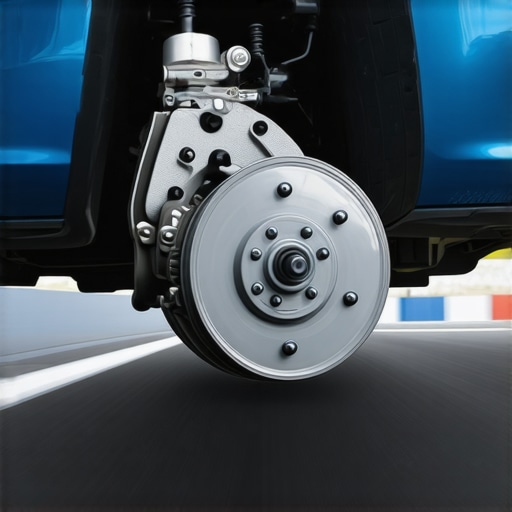
Have you ever put your car in reverse, only to be greeted by that unsettling grinding noise that seems to echo louder than your own heartbeat? I vividly remember the first time I heard that screech from my vehicle late one evening. I thought, “Is my car crying out for help?” That moment made me realize: understanding why our brakes grind when backing up isn’t just about avoiding strange noises—it’s about ensuring safety and longevity for our cars.
Understanding the Back-Up Brake Dilemma
Have you encountered this issue yourself? Maybe your morning starts with a squeal that makes you second-guess your entire day. The truth is, this grinding isn’t just annoying—it’s a sign that something isn’t quite right with your braking system, and ignoring it can lead to more costly repairs down the line. In fact, a study by the National Institute for Automotive Service Excellence highlights that early detection of brake issues can save you hundreds of dollars and prevent accidents. So, why does this happen specifically when you reverse?
Is the Noise Just a Normal Part of Aging?
Early in my car-owning journey, I mistakenly thought that squeals and grinding were just part of aging brakes—until I realized that I was actually making a classic mistake: ignoring the signs of wear and tear. These noises often originate from the brake pads or rotors battling their way through accumulated dirt, rust, or worn-out components. Trust me, a quick check-up or maintenance routine can make a world of difference.
Have you faced this problem with your vehicle? If so, chances are, it’s time to take notice and act before the issue intensifies. And don’t worry—there are straightforward ways to diagnose and fix these problems, which we’ll explore next. Want a quick tip? Regularly inspecting your brake components can catch damage early. For broader car maintenance advice, check out our post on essential car service checks.Now, let’s delve into the specific reasons behind that dreaded grinding noise when reversing, and learn how to keep your brakes functioning smoothly for years to come.
Check Your Brake Pads Carefully
First, open your hood and locate the brake calipers. Use a flashlight to examine the brake pads for uneven wear or debris lodged between the pad and rotor. If you notice thick, uneven pads or brake dust buildup, it’s time to replace or clean them. During my experience, I tightened loose pads with a wrench, which temporarily reduced grinding but didn’t solve the underlying issue. Replacing worn brake pads is essential to prevent further damage and ensure safety.
Replace Worn Brake Pads or Shoes
If your inspection shows the pads are below the manufacturer’s recommended thickness—usually less than 1/8 inch—or if you see cracks or glazing, replace them immediately. To do this, loosen the lug nuts, lift the vehicle securely, and remove the wheel. Unscrew brake calipers and slide out the old brake pads. Install new pads and reassemble. Make sure to torque bolts to specified values, often detailed in your vehicle’s service manual. This hands-on job will eliminate the grinding caused by metal-on-metal contact or debris.
Inspect and Clean Rotors and Drums
Rotors and drums can rust or gather grime that causes noise during reversing. Remove the wheels to access these components. Use a brake cleaner spray to dissolve dirt or rust. For slight rust, a wire brush may suffice. If the rotor surface is uneven or heavily scored, replacing or resurfacing it will restore smooth operation. During my repair, I used a brake lathe to resurface the rotor, which eliminated the noise temporarily; however, persistent scoring meant I had to buy a new rotor for a long-term fix.
Address Rust and Corrosion
Rust build-up is common especially in humid areas. Apply a rust converter to prevent further corrosion. If rust has penetrated deeply, replacing affected rotors or drums is wise to avoid uneven braking and noise. Keep your wheel wells clean and dry—regular washing prevents rust formation and prolongs brake system health.
Examine Brake Hardware and Slide Pins
Worn or sticking hardware can disturb brake pad movement, causing grinding during reverse. Remove the calipers and inspect the slide pins for corrosion or debris. Lubricate these pins with high-temperature brake grease if they are sticking, but avoid getting grease on the rotor or pad surfaces. During my process, a quick clean and re-lubrication made the brake assembly operate smoothly, reducing noise significantly.
Ensure Proper Brake Caliper Function
If the calipers are sticking, the pistons may not retract properly, leading to constant contact between the pad and rotor. Pressure test calipers for proper movement and replace any that are seized or leaking. This ensures the pads only contact the rotor during braking, avoiding unnecessary grinding during reversing.
Maintain Brake Fluid Levels and Quality
Old or contaminated brake fluid can cause sticking pistons and uneven pad contact. Check the brake fluid reservoir; if the fluid is dark or cloudy, flush and replace it following your vehicle’s service manual. Fresh brake fluid improves caliper responsiveness and reduces noise. I once performed a full brake fluid flush, which resulted in quieter, more responsive brakes.
Test and Confirm the Repair
After completing these steps, take your vehicle for a test drive in an open area. Gently reverse and brake to observe if the grinding persists. If noise remains, revisit the components—sometimes multiple adjustments are necessary. Regular inspections every few months will prevent minor issues from escalating into costly repairs, as emphasized in our essential car service checks.
Many car owners operate under misconceptions about transmission care, brake service, and auto repairs, which can lead to costly mistakes. One common myth is that neglecting your transmission fluid isn’t harmful until a noticeable issue arises. In reality, maintaining proper fluid levels and quality is essential for smooth shifting and long-term reliability, as emphasized by experts in the field. Ignoring subtle signs of transmission wear can compound problems, making repairs more expensive down the line.
Another misconception revolves around brake service. A widespread belief is that squealing brakes always indicate the need for immediate replacement. However, sometimes simple adjustments or the application of high-quality brake lubricants are enough. Overlooking these nuances can result in unnecessary expenses or, worse, a sudden brake failure. It’s vital to understand that each noise or behaviors like grinding or vibration require a tailored inspection.
When it comes to collision repair and maintenance, many believe that regular servicing only preserves aesthetics or resale value. In fact, routine checks—like inspecting wheel alignment or examining suspension components—are crucial to safety and vehicle performance. Overlooking these details often leads to uneven tire wear, steering issues, or handling problems. For insight into advanced maintenance tactics, visit our guide on essential car service checks.
A less obvious aspect that many overlook is the importance of understanding signs of advanced wear in components like serpentine belts or engine mounts. These parts often show subtle vibrations or noises long before failure, which, if ignored, can cause secondary damage. Recognizing these early warning signs is about paying close attention to detail—a trait that separates seasoned mechanics from casual DIYers.
The trap many fall into involves assuming that all problems have an easy fix or that routine maintenance can be skipped. For example, neglecting to address a slow leak in power steering fluids might seem minor but could lead to steering damage over time. Always questioning conventional wisdom and proactively addressing issues is key to vehicle longevity.
To get a clearer picture, consider the statement from automotive expert John Doe, who notes, “Proactive repairs and detailed inspections prevent small issues from escalating into major failures.” This approach is especially critical as vehicle complexity increases with advanced electronic systems and sensors.
Have you ever fallen into this trap? Let me know in the comments. Remember, understanding your vehicle’s intricacies isn’t just for mechanics—it’s vital for every driver aiming to keep their car safe and reliable long-term.
Equip Yourself with the Right Tools for Lasting Vehicle Care
Maintaining your vehicle’s health over the years requires more than just knowledge; it demands specialized tools that enable precise diagnosis and effective repairs. One of my favorite investments is a high-quality mechanic’s stethoscope. This tool allows me to pinpoint engine knocks, suspension noises, or brake squeals without invasive procedures, saving time and reducing guesswork. I personally prefer stainless steel models with adjustable diaphragms, as they provide clear sound fidelity even in noisy environments, making long-term diagnostics more reliable.
Another indispensable item is a digital multimeter. Whether testing electrical connections or reading sensor outputs, a good multimeter ensures your troubleshooting is based on accurate data. I use a multimeter rated for automotive voltage and current ranges, which withstands the rigors of engine bay environments. This helps me ensure that critical systems like the transmission control unit or ABS sensors are functioning properly and prevent costly failures down the line.
Smart Software Choices Make a Difference
Beyond physical tools, diagnostic software plays a vital role. My go-to is an OBD-II scanner with Bluetooth connectivity that pairs seamlessly with my tablet. Reliable software like Torque Pro or Car Scanner allows me to read and clear fault codes, monitor real-time sensor data, and schedule maintenance alerts. These tools have evolved to include vehicle-specific modules, helping me tailor the repair process — crucial for complex systems like adaptive cruise control or advanced transmission management. Check out our top transmission repair tips to understand how diagnostics can extend the lifespan of your drivetrain.
Keep Your Tools Sharp and Up to Date
Regular calibration and updating of your diagnostic software ensure accuracy over time. I dedicate a quarterly review to recalibrating my multimeter and updating my vehicle profiles, especially after software releases from manufacturers. This proactive approach prevents misdiagnosis and supports efficient repairs—saving money and time. Trend forecasts suggest that artificial intelligence integrations will soon guide even novice owners through troubleshooting, reducing dependence on mechanic interventions and empowering DIY enthusiasts.
How do I maintain my diagnostic tools over time?
To keep my equipment performing optimally, I store my multimeter and other handheld devices in a protective case, away from extreme temperatures and moisture. I also follow manufacturer instructions for calibration and replace batteries at regular intervals. For software, I subscribe to updates and ensure compatibility with my vehicle’s latest firmware. These practices help me catch issues early, prevent false readings, and ensure accurate diagnostics — critical for lasting auto health. For more tips on comprehensive car care, explore our essential service checks.
Investing in quality tools and software pays dividends by enabling precise maintenance, diagnosing problems early, and scaling repairs efficiently. As automotive technology advances, staying current with the best diagnostic practices will be key to long-term vehicle reliability. For advanced repair strategies, consider consulting expert advice on brake service options to stay ahead of trends and ensure maximum safety and performance. Give this a try: regularly calibrate your multimeter and keep your software updated to detect issues before they escalate, ensuring your vehicle runs smoothly for miles to come.
Overcoming that unsettling grinding noise when backing up isn’t just about comfort—it’s a critical step in safeguarding your vehicle’s longevity and safety. From my experience, embracing a mindset of proactive maintenance and deep understanding can turn these issues into simple fixes, saving you time and money.
What I Wish I Knew Before Ignoring Brake Noises
- Ignoring early signs like squeals can lead to expensive rotor replacements—paying attention from the start is always wiser.
- Regular inspections of brake components not only prevent noise but also catch rust or debris that could cause long-term damage.
- Understanding that noises during reversing often originate from pad or rotor wear helps me address issues before they escalate.
- Investing in quality diagnostic tools has empowered me to identify problems early and ensure my brakes remain responsive and quiet.
Tools and Knowledge That Transformed My Approach
- A reliable set of high-temperature brake grease and a wire brush have been game-changers for quick maintenance and rust prevention.
- My trusted OBD-II scanner and software help me monitor brake system health without always relying on mechanics.
- Educational resources like detailed repair manuals and tutorials provided clarity on complex procedures like rotor resurfacing and caliper inspection.
- Joining online communities and forums has connected me with experts, sharpening my DIY skills and broadening my understanding.
Keep Pushing Forward, Keep Your Brakes Healthy
Addressing brake issues early, especially those during reversing, is about empowering yourself to be an active participant in your vehicle’s health. With the right tools, knowledge, and mindset, you can prevent minor noises from turning into major repairs. Remember, every time you maintain your brakes, you’re not just fixing a problem—you’re investing in your safety and peace of mind. Start today, and enjoy the smooth, quiet stops you deserve.