
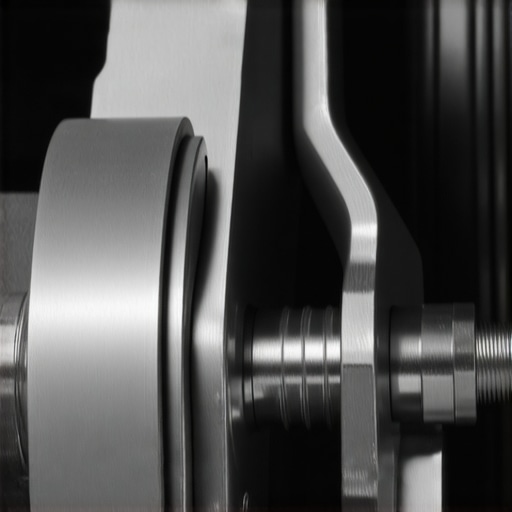
Have you ever gently pressed down on your brake pedal and immediately been met with that sharp, rhythmic clicking noise? It can be startling—almost as if your car is protesting or warning you of impending trouble. I remember the first time it happened to me; I was just about to pull into my driveway, expecting a smooth stop, only to be greeted by this mysterious clicking that seemed to dance in sync with my brake presses. At first, I thought it was a minor squeal or perhaps something caught in the wheel well. But as the sound persisted, I realized I had a problem that demanded attention.
The Unexpected Clue Your Brakes Are Trying to Tell You
This is a common experience for many drivers, yet a lot of us brush it aside, thinking it’s normal or unimportant. But here’s the deal—those clicks aren’t just annoying; they often point to underlying issues that can compromise your safety and lead to costly repairs if ignored. Over the years, I’ve learned that understanding the root cause can save you from headaches and help you maintain your vehicle in tip-top shape. Today, I’ll walk you through why your brakes might be making that clicking sound every time you press them, and most importantly, how to tackle it before it becomes a serious problem.
Is the Clicking Occurring Only When You Brake?
If you’ve experienced this, you’re probably wondering:
Inspect the Brake Components Thoroughly
Start by safely lifting your vehicle with a jack and securing it with jack stands. Remove the wheel to access the brake assembly. Check for worn or damaged brake pads, especially if they look thinner than recommended. Worn pads can cause the caliper to shift or vibrate, creating clicking sounds. Also, inspect the rotor surface for uneven wear or grooves, which can contribute to noise. Remember, always wear safety gloves and eye protection during this process.
Spot Debris and Corrosion
Look for any debris, dirt, or rust lodged between the brake pad and rotor. Small stones or grit can get caught in the caliper area, causing intermittent clicks when the brake pedal is pressed. Clean the area with brake cleaner and a soft brush. For corrosion, especially on the caliper slides, apply high-temperature lubricant to ensure smooth movement. This prevents caliper misalignment that can lead to clicking.
Test the Brake Calipers
Next, manually move the caliper pistons to check their condition. Push the piston back into the caliper using a piston tool or a C-clamp—if it sticks or requires excessive force, the caliper may be failing. Cold or corroded pistons can cause uneven pressure, leading to abnormal noises. If calipers are damaged or stuck, replacing them is necessary. You can reference this transmission maintenance guide for broader vehicle system checks.
Examine Brake Hardware
Inspect all hardware components such as clips, springs, and pins. Loose or missing hardware can cause components to rattle or click during braking. Replace any worn-out hardware and ensure all clips and springs are properly seated. Proper hardware installation keeps the brake pads aligned and prevents unnecessary movement that leads to noise. Keep in mind, defective hardware can accelerate brake pad wear, so timely replacements are crucial.
Test Drive and Monitor
After reassembling the brake components, perform a cautious test drive in a safe area. Apply the brakes gently and observe if the clicking persists. Listen carefully for any new noises or vibrations. This test helps confirm whether the real issue was debris, hardware, or caliper malfunction. Document your findings, as it will guide your next steps—whether simple cleaning or a full caliper replacement. For ongoing brake issues, consult professionals to prevent safety risks. For comprehensive vehicle checks, see this car service checklist.
 car service checklist, can prevent small issues from snowballing.
Now, consider the advanced nuances of brake service often overlooked. Many think that replacing brake pads alone solves the problem, but neglecting other components like caliper pistons, hardware, or rotor condition can cause uneven wear and noise. Similarly, with transmissions, replacing fluid without inspecting the internal clutches and solenoids might not address underlying wear, risking future failures. The key lies in understanding that each component’s condition contributes to overall system health.
For those looking to dive even deeper, the challenge is recognizing how interconnected these systems are. A problem in the transmission can impact engine performance and vice versa. That’s why comprehensive diagnosis and a holistic approach are essential. You can find more insights on maintaining your vehicle’s reliability in our transmission guide.
Finally, don’t fall into the myth that DIY repairs always save money. Unless qualified, attempting complex fixes can cause more harm than good. Misdiagnosed problems or improper part installations can compromise safety and lead to costly repairs. Trusting professionals who understand these system nuances—like those at CollisionRenew—ensures your vehicle remains safe and reliable. Regular, expert-led services are investments in your safety, longevity, and peace of mind. Remember, the goal isn’t just to fix things but to keep your vehicle running smoothly for years to come.
Have you ever fallen into this trap? Share your experiences in the comments and let’s keep the conversation going.
How do I maintain collision repair, brake systems, and transmissions over time?
Maintaining your vehicle’s critical systems requires both the right tools and a disciplined approach. Personally, I rely on a few specialized pieces of equipment to ensure my repairs are precise and effective. One of my go-to tools is the digital wheel alignment camera system. Unlike traditional bubble or string aligners, this technology offers highly accurate readings, saving time and preventing misalignment issues that could cause uneven brake wear or premature suspension wear. I use the Hunter Hawkeye Elite for its speed and diagnostic capabilities, especially when managing suspension and steering components.
For routine brake inspections, I favor a stethoscope-style mechanic’s probe. This simple yet effective tool directs sound waves with pinpoint accuracy, helping me identify caliper sticking or rotor noise without invasive tests. Pairing this with a infrared thermal camera allows me to spot overheated rotors or pads during a test drive. These tools help me diagnose issues early, prolonging the lifespan of brake hardware and ensuring safety.
In terms of transmission maintenance, I rely on a diagnostic scan tool with advanced live data capabilities, such as the Autel MaxiCOM MK808. This device not only reads fault codes but also monitors real-time transmission fluid temperature and pressure readings. Keeping an eye on these parameters helps me predict failures before they occur, allowing for proactive fluid changes or component inspections. Regular diagnostics combined with a comprehensive vehicle checkup routine can help prevent costly transmission repairs.
Tools like these are instrumental when scaling your maintenance efforts. As vehicle technology advances—think electric and hybrid systems—the need for specialized diagnostic software and precision equipment will only grow. Looking ahead, I predict that AI-powered diagnostic systems will become standard in shops, further increasing accuracy and reducing repair times. To prepare, staying updated with the latest tools and techniques is crucial for both DIY enthusiasts and professional mechanics.
How do I keep these systems working smoothly over the years?
Consistent calibration and routine testing of your tools guarantee ongoing reliability. For example, periodically checking your wheel alignment system against known standards ensures measurement accuracy. Similarly, regularly updating diagnostic software firmware prevents compatibility issues with newer vehicle models. Lubricating moving parts in your hardware, like the caliper slide pins or sensor mounting brackets, helps maintain optimal operation and prevents premature wear.
Don’t underestimate the value of proper calibration—misalignment or inaccurate diagnostics can lead to unnecessary repairs or oversight of genuine issues. It’s worth investing time every few months to verify your equipment, especially if you’re scaling your auto repair capabilities or managing multiple vehicles. As an added layer of confidence, I recommend maintaining a detailed maintenance log for your tools and regularly referencing authoritative sources like manufacturer manuals or expert blogs.
Try implementing a scheduled calibration routine using manufacturer-recommended procedures or certified calibration services. This extra step ensures your tools stay precise and your repairs remain trustworthy. Remember, precision in diagnostics and maintenance not only extends the lifespan of your vehicle’s systems like transmission but also keeps you safe on the road.
 October 2026