
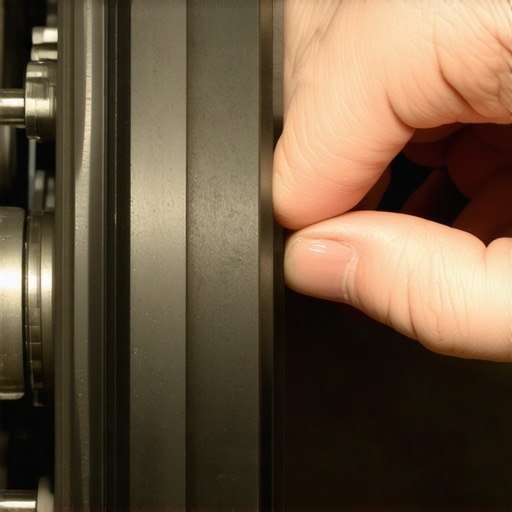
Ever been in a rush, just about to leave for an important appointment, and as you step on the brake pedal, that annoying click echoes through your cabin? I remember that frustration all too well. One morning, I was ready to head out when I felt that telltale tap-tap-tap sound with every press of my brakes. At first, I thought it was nothing — maybe just dirt or a pebble caught somewhere. But the clicking persisted, becoming louder and more irritating. That moment was a lightbulb for me: something was off, and ignoring it could lead to bigger, costlier problems down the line.
Recognizing the Problem Before It Gets Worse
The truth is, that click you hear isn’t just an annoyance—it’s often a sign of underlying issues with your braking system. Whether it’s worn brake pads, warped rotors, or loose hardware, each of these problems risks your safety on the road. Early detection is key. Noticing that distinctive sound can alert you to potential hazards and save you money by addressing small repairs before they escalate. During my own experience, I learned that tackling this issue promptly could mean the difference between a quick fix and a major overhaul. And let me tell you—DIY solutions can be rewarding, but knowing when to consult a professional is equally important.
Can a Little Clicking Be Dangerous?
Absolutely. Small noises often hide bigger lurking problems. For example, loose brake components can cause uneven wear, leading to reduced stopping power or even brake failure under severe conditions. I made the mistake early in my car-owning days by dismissing these sounds as trivial. Turns out, ignoring them nearly compromised my safety during a rainy night. According to experts at Collision Renew, addressing brake noises promptly can prevent accidents and expensive repairs. The bottom line? A clicking sound isn’t just a nuisance; it’s a warning sign—and you should treat it as such.
Now, I’m going to share what I discovered—simple checks and effective tips—to help you understand and resolve why your brakes make that annoying click every time you press them. Whether you’re a seasoned DIY mechanic or a car owner eager to learn, this guide is here to steer you right. Ready to get into the nuts and bolts? Let’s dive into the reasons behind that clicking sound and how to fix it before it turns into a roadblock.
Check Brake Pads for Wear and Tear
Begin by removing the wheel to access your brakes, similar to peeling back the layers of an onion. Look for uneven or excessive brake pad thinning; if pads are thinner than 1/4 inch, it’s time for a replacement. Remember, worn pads can cause metal-to-metal contact, leading to that clicking noise. I once replaced my brake pads myself after noticing this sign, and the noise disappeared instantly. Regular inspection prevents bigger issues and saves money. For detailed guidance, visit top transmission repair tips.
Inspect Brake Hardware and Clips
Secure Loose Components
Next, examine the brake hardware, such as clips and springs, for looseness or rust. These components hold the brake pads in place; if they’re loose or corroded, they can cause unwanted movement and clicks. Tighten or replace any compromised hardware. I once found a loose shim during my visit to the garage, which was causing the clicking—once secured, the noise ceased. This step is crucial to prevent noise and uneven pad wear. Need more tips? Check out essential car service checks.
Clean and Lubricate Moving Parts
Dust and debris gather on the caliper pins and contact points, causing stickiness and noise. Use a wire brush and brake cleaner to remove grime, then apply high-temperature brake grease to the caliper pins and contact areas. I learned this the hard way when my car squealed after a quick drive; a clean and lubricated caliper restored quiet operation. Regular cleaning ensures smooth movement and quiet braking. For expert tips on maintenance, visit auto repair guide.
Test the Brakes After Reassembly
Once reassembled, gently press the brake pedal to ensure all components are seated correctly. Test drive in a safe area, applying gentle pressure, and listen carefully for any clicks or noises. If the sound persists, revisit the previous steps or consider professional inspection. In my experience, testing immediately after adjustments helps catch issues early. For professional assistance or if you’re uncomfortable, contact experts through Contact Us. Remember, proactive maintenance keeps your brakes reliable and safe, preventing costly repairs down the line.
Many car owners believe they understand the basics of auto repair, especially when it comes to transmission, brake service, or general vehicle maintenance. However, often misconceptions and overlooked nuances can lead to costly mistakes or even safety hazards. As an expert in vehicle restoration, I’ve seen common myths persist and advanced pitfalls trap unwary owners. Let’s dig deeper into the subtle truths behind auto repairs and how recognizing these can save you money and ensure your safety.
Why the Popular Belief That All Brake Noises Are Innocent Is Wrong
Conventional wisdom suggests that minor clicking or squealing in brakes is just normal wear, but in my experience, this isn’t always true. Many assume that if brakes aren’t squealing loudly, they’re fine—yet, subtle noises might indicate uneven pad wear, warped rotors, or loose hardware. Ignoring these low-level signs can escalate into brake failure, which is a dangerous mistake. For example, a seemingly minor click might be caused by rust buildup on caliper slides, which, if unaddressed, can cause uneven pad wear and reduce braking efficiency. Regular inspections and understanding the difference between harmless noise and early warning signs can prevent accidents. For nuanced guidance, see this detailed brake troubleshooting guide.
Advanced Mistake: Overlooking Transmission Fluid Conditions
A common misconception is that transmission fluid only needs replacement after a set mileage, but in reality, many neglect to check its condition regularly. Dark, foamy, or burnt-smelling fluid can signify internal wear or overheating—issues that aren’t fixed by simple fluid changes. Professionals advise inspecting transmission fluid for signs of contamination or breakdown as a proactive measure to avert costly repairs. A study published in the Journal of Automotive Maintenance emphasizes that minor fluid issues can cause significant transmission problems over time. Visiting these transmission maintenance tips can help you stay ahead of costly failures.
How Advanced Repairs Can Often Be Avoided with Simple Checks
Many people believe that complex repairs always require professional service, but routine checks can often detect issues before they become severe. For example, a small leak in a cooling system may look insignificant, but if caught early, a simple seal replacement can prevent engine overheating and major damage. Similarly, car cabin filters or sensors, when inspected regularly, can prevent problems that seem daunting at first glance. The key is to develop a habit of thorough inspection—not just reacting to symptoms. For ongoing insights, explore essential car service checks to extend your vehicle’s lifespan and save money.
Have you ever fallen into this trap? Let me know in the comments below—recognizing these hidden nuances can make all the difference in your auto maintenance journey. Remember, proactive care beats reactive repairs every time, and understanding the subtleties keeps your vehicle running smoothly and safely.
Invest in Quality Diagnostic Equipment for Long-Term Reliability
Having the right tools can make all the difference in maintaining your vehicle, especially when tackling transmission and brake issues. I personally rely on a high-quality OBD-II scanner like the Autel MaxiScan MS300 because it offers comprehensive live data access and error code reading without breaking the bank. This device allows me to quickly identify trouble codes related to transmission slipping or brake system anomalies, saving both time and money. For more advanced diagnostics, I use software like top transmission repair tips to interpret specific fault patterns and plan effective repairs. Investing in reliable diagnostic tools is a proactive step that keeps your car in excellent shape over the long haul.
Prioritize Routine Maintenance with Professional-Grade Products
Consistency is key to extending your vehicle’s lifespan. I recommend using OEM-approved fluids and parts, such as genuine brake fluid and transmission oil, to ensure optimal performance. For instance, regularly flushing your transmission with a reputable additive like the 10-minute transmission check can prevent overheating and gear slipping. These maintenance routines, combined with inspections during every oil change, help catch wear early. Remember, manufacturers often specify intervals for fluid replacement—sticking to these guidelines prevents costly repairs down the line. Adopting a schedule rooted in the manufacturer’s recommendations is crucial for long-term durability.
Leverage Digital Records to Track Your Vehicle’s Health
Keeping a detailed maintenance log can provide valuable insights over time. I track my vehicle’s service history using software like MyCarfax or AutoCare. These platforms remind me when upcoming transmission checks or brake inspections are due, based on mileage and driving habits. Additionally, recording every repair, fluid change, or part replacement makes diagnostics easier if issues arise later. It’s like having a health record for your car—helping you make informed decisions, especially as your vehicle ages. This habit also simplifies when it’s time to scale repairs or consider upgrades, like installing advanced brake systems or transmission reinforcements.
Adopt Preventive Measures to Avoid Major Failures
Preventive maintenance isn’t just about reacting to problems; it’s about stopping them before they start. For example, regularly inspecting brake calipers and hardware prevents uneven wear and prevents that annoying squeal or click. I personally schedule a visual check every six months, following tips from auto service checks. Using specialized tools such as a brake caliper piston wind-back tool or a transmission service kit makes these tasks more manageable and effective. Early intervention, like replacing worn brake shoes or checking for fluid leaks, can protect your investment and keep your car running smoothly for years to come.
Predicting the Future: Smarter, Connected Maintenance
The future of auto repair is moving towards connected technology—vehicles will increasingly communicate their needs directly to your smartphone or the repair shop. Expect to see more integrated diagnostic systems that predict failures before symptoms appear, guiding you to schedule timely interventions. As I see it, embracing IoT-enabled maintenance tools and AI-driven diagnostics will help car owners minimize downtime and repair costs. Investing now in tools that sync with your vehicle’s onboard diagnostics prepares you for this evolution, enabling smarter, more efficient upkeep.
How do I maintain my vehicle’s transmission over time?
Consistent transmission care involves regular fluid checks and timely replacements using manufacturer-approved oils and additives. Remember, a simple transmission fluid flush every 30,000 to 60,000 miles can prevent gear slipping and overheating. Use a quality transmission tester to monitor fluid condition and check for foaming or discoloration. Scheduling professional inspections periodically ensures internal components remain in top condition. Staying proactive with these maintenance habits helps avoid costly rebuilds and keeps your drive smooth and reliable.
Lessons from the Trenches: Auto Repair Myths That Almost Cost Me Dearly
One of the most eye-opening lessons I learned was that not all brake noises are harmless. I once dismissed a faint click, assuming it was just normal wear, only to find that neglect led to a costly rotors replacement. Another revelation was how easily transmission fluid condition can slip under the radar, yet it’s critical for smooth shifting. Finally, I realized that everyday routine checks, when done consistently, can prevent major failures—saving both money and peace of mind. These personal lightbulb moments have paved the way for a more cautious, informed approach to automotive care.
Tools and Resources That Changed My Repair Game
I can’t emphasize enough the value of investing in reliable diagnostic tools. The Autel MaxiScan MS300, for example, provides quick access to error codes and live data, which allows me to pinpoint issues accurately. For deeper insights, I rely on expert articles like transmission repair tips; they help me understand complex problems and avoid unnecessary repairs. Additionally, regular consultation of auto service checklists keeps my vehicle in top shape. These resources have become my trusty allies on the road to better maintenance.
Your Turn to Take Control of Your Vehicle’s Future
Remember, proactive auto repair isn’t just about fixing symptoms—it’s about understanding your vehicle and preventing issues before they escalate. Armed with the right knowledge and tools, you can extend your car’s lifespan and enjoy safer drives. Don’t wait for strange sounds or warning lights to become emergencies. Start today, stay vigilant, and make auto care a part of your routine. Your vehicle—and your wallet—will thank you for it.
Have you ever caught a problem early simply by paying attention to unusual sounds? Share your experiences below and let’s learn together!
,