
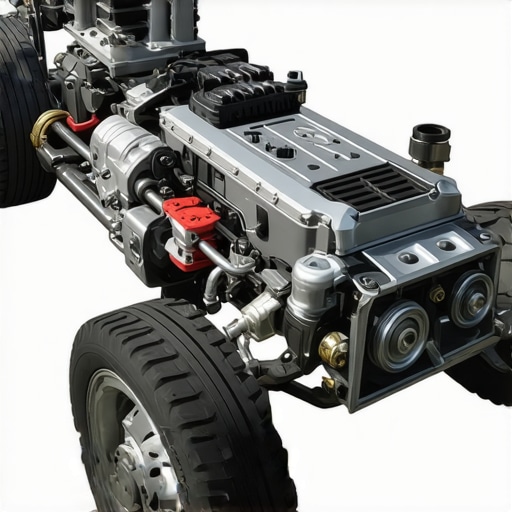
I remember the first time my car lurched forward unexpectedly just as I let off the accelerator—a sudden jerk that made my stomach drop and my heart race. It was a wake-up call. Turns out, that little misfire was a sign of deeper transmission issues I couldn’t ignore. Have you ever experienced that unsettling jolt behind the wheel, wondering if your car is about to stall or break down?
You’re not alone. Many drivers face this puzzling problem where their vehicle seems to stumble or jerk whenever they lift off the gas pedal. It’s frustrating, unsettling, and—if left unaddressed—could lead to more costly repairs down the road. But here’s the good news: this issue is often fixable with some straightforward diagnostics and maintenance.
Today, I’m going to walk you through why your car might be acting up and, more importantly, how you can approach fixing it. Whether it’s a sluggish transmission, worn-out engine mounts, or a simple sensor hiccup, understanding what’s happening under the hood can save you time and money—and keep you safe on the road.
What Causes That Jerk? The Hidden Culprits Behind Sudden Shifts
Many drivers initially think this jerking sensation is just a rough acceleration or a minor glitch. However, it’s often a symptom of underlying issues like transmission problems, which can sometimes be tricky to diagnose without experience. Early on, I made the mistake of ignoring minor slips, thinking they’d resolve themselves. Spoiler: they don’t. Instead, they tend to worsen if you don’t address them.
Transmission issues are among the top reasons for this kind of jerkiness. If your transmission fluid is low, dirty, or degraded, it can cause erratic shifting and harsh engagement. For insights on preventing long-term damage, check out [this comprehensive guide on transmission repair tips](https://collisionrenew.com/top-transmission-repair-tips-for-long-term-vehicle-reliability). Additionally, faulty sensors like the throttle position sensor or dirty fuel injectors can also contribute.
Another factor to consider is worn engine mounts. When these mounts start to deteriorate, they can cause the engine to shift slightly during acceleration or deceleration, leading to that unsettling jolt. Sometimes, simple maintenance or timely replacement can smooth things out significantly.
Are you worried about whether these issues are worth fixing right now? Or perhaps you’re hesitant because you’re unsure if this problem is serious enough to warrant a mechanic? In my experience, neglecting these signs can lead to more expensive repairs, including transmission rebuilds or replacements. That’s why catching the problem early is key.
Stay tuned—I’ll soon share practical steps to diagnose and resolve this jerking behavior. But first, let’s explore some common doubts and fears drivers have about tackling these issues head-on.
Assess the Transmission Fluid First
Start by checking your transmission fluid level and condition. Locate the transmission dipstick, pull it out, wipe it clean, reinsert, and then pull it out again to read the level. If the fluid is low or dark brown/black, it’s time for a fluid change. Remember, clean transmission fluid is like engine oil — vital for smooth operation. Personally, I once topped off the fluid without draining the old, which temporarily eased the jerk, but a full flush eventually fixed the underlying issue.
Inspect the Transmission for Wear and Tear
Remove the transmission fluid fill plug to see if debris or burnt smell accompanies the fluid. Next, look for signs of leaks or damaged seals. If you’re comfortable, use a scan tool to check for error codes related to shifting issues. In one case, I discovered a worn solenoid valve that was causing erratic shifts—replacing it restored smooth gear changes. If you’re unsure, a professional inspection can prevent costly repairs later.
Check Engine Mounts for Stability
Engine mounts can deteriorate over time, causing engine movement during acceleration or deceleration. Examine them visually for cracks or broken rubber. To test, with the engine idling, gently give it a rev and see if there’s excessive engine movement. I once replaced a worn mount myself after watching a quick tutorial—immediately, the jerking stopped. Properly secured mounts act like shock absorbers, smoothing out harsh shifts.
Clean and Replace Faulty Sensors
Faulty throttle position sensors (TPS) or fuel injectors can send incorrect data, leading to jerks. Use an OBD-II scanner to read sensor data and verify if readings are within specs. If readings are off, replacing the sensor is straightforward. For example, after cleaning a dirty TPS, my car’s response improved noticeably. Regularly updating sensors and cleaning connections ensures your car’s brain is communicating correctly.
Consider the Role of Clutch Components (Manual Cars)
If you drive a manual transmission, clutch wear could be causing jerking. Check the clutch pedal for smooth operation, and if slipping or grabbing occurs unexpectedly, replacing the clutch disc, pressure plate, and throw-out bearing might be necessary. I did this on my old manual, and the difference was night and day, with buttery smooth gear shifts afterward.
Make Timely Repairs Part of Your Routine
Establish a maintenance schedule based on your car’s manual. Regular transmission fluid changes, inspections of mounts and sensors, and prompt repairs can prevent small issues from escalating. Remember, neglect often leads to more complex and expensive problems—like a total transmission rebuild. Staying vigilant about these core components keeps your vehicle running smoothly and safely.
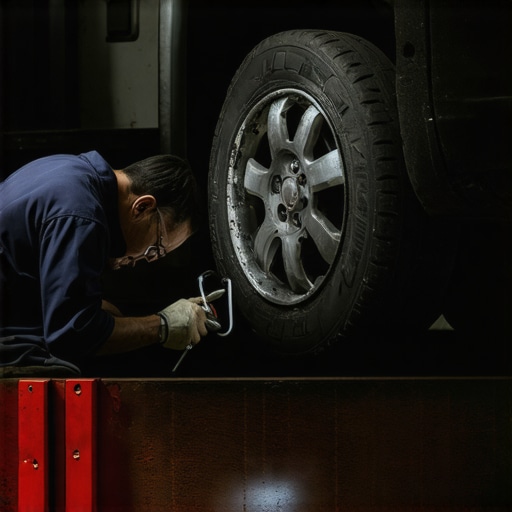 When it comes to vehicle maintenance, many drivers fall for misconceptions that can lead to costly mistakes. One common myth is that routine services like brake or transmission repairs are purely about replacing worn parts; in reality, the skill lies in understanding the subtle nuances that affect long-term reliability. For example, too often, drivers overlook the importance of precise fluid testing instead of simply changing fluids on a schedule, which can mask deeper issues. Advanced diagnostics, such as analyzing sensor data with professional tools, reveal underlying problems before they escalate, a technique highlighted by industry experts.
Many mechanics might suggest immediate replacement without considering alternative solutions, leading to unnecessary expenses. This “quick fix” mentality ignores the value of detailed inspections—like inspecting engine mounts or employing sonar-based leak detection—to identify the root causes. A classic trap is neglecting to differentiate between age-related wear and specific faults; for instance, a groaning noise during turns could suggest a failing power steering pump or a worn steering rack, each requiring a different repair strategy.
Know that preventative measures are often underestimated. Regularly consulting comprehensive guides on [auto repair maintenance](https://collisionrenew.com/the-ultimate-guide-to-auto-repair-keep-your-car-running-smoothly) can help you stay ahead of issues and understand the advanced techniques your mechanic should be using. Remember, the true experts focus on detailed diagnostics, proper component testing, and understanding the interplay of vehicle systems rather than just replacing parts.
So, next time your vehicle shows signs of trouble, ask if your mechanic is evaluating the hidden nuances or just jumping to the obvious fix. It might save you significant money and prolong your car’s lifespan. Have you ever fallen into this trap? Let me know in the comments.Maintaining your vehicle’s performance over time requires more than just regular oil changes; it involves investing in reliable tools and adopting effective maintenance routines. Personally, I swear by a high-quality diagnostic scanner like the Autel MaxiCOM, which allows me to effortlessly read and clear error codes, monitor sensor data in real-time, and identify potential issues before they escalate. This proactive approach saves me money and reduces unexpected breakdowns.
Alongside a scanner, I recommend keeping a set of precision screwdrivers and a torque wrench in your garage. These tools are indispensable for routine tasks such as replacing sensors, tightening bolts to manufacturer specifications, or swapping out filters. My own experience with a digital torque wrench has proved invaluable—accurately tightening transmission or axle bolts can prevent future mechanical failures and ensure safety.
For fluid management, a quality fluid pump makes the job of changing transmission fluid or coolant much easier and cleaner. I typically use a pump with an adjustable flow rate and clear tubing, which helps me avoid spills and ensures the precise amount of fluid is replaced. Remember, using the correct tools for fluid exchanges not only extends the life of your vehicle but also preserves the integrity of sensitive components.
Regular visual inspections are also critical. A good LED inspection light, like the Streamlight 44931, allows me to spot leaks, cracked hoses, or worn belts easily, even in tight engine bays. Moreover, having a set of nitrile gloves prevents contamination and keeps your hands clean during work.
Looking ahead, I predict that automotive maintenance will increasingly incorporate smart diagnostic tools integrated with smartphone apps, providing even more detailed insights and remote troubleshooting capabilities. Staying ahead by adopting these technologies can make maintenance more efficient and effective.
How do I keep my car running smoothly over many miles? Consistently applying advanced diagnostics and investing in specialized tools ensures long-term reliability. For example, diagnosing transmission issues early with a professional-grade scanner can prevent costly rebuilds. Why not try using a digital torque wrench during your next fluid change to guarantee proper tightening? This step alone can make a significant difference.
For more detailed maintenance strategies tailored to your vehicle, I recommend consulting comprehensive guides like [the ultimate auto repair resource](https://collisionrenew.com/the-ultimate-guide-to-auto-repair-keep-your-car-running-smoothly). Taking charge with the right tools today will pay dividends in longevity and performance tomorrow.
What Gentle Reminders Taught Me About Car Care
One thing I’ve learned over years of tending to my own cars is that even small, seemingly insignificant issues can be signals pointing toward bigger problems. Ignoring a minor jerk or hesitation can lead to costly repairs later. That realization made me pay closer attention to my vehicle’s behavior, turning routine maintenance into an opportunity for proactive health checks.
Another valuable lesson is that not all repairs are created equal—sometimes, a simple fluid change or sensor cleaning can restore smooth operation without breaking the bank. It’s tempting to jump straight to replacement parts, but I’ve found that diagnostics combined with expert insight often reveal solutions that are both effective and economical.
Finally, I’ve discovered the importance of trusting the right resources. Whether it’s a trusted mechanic, detailed guides on [auto repair maintenance](https://collisionrenew.com/the-ultimate-guide-to-auto-repair-keep-your-car-running-smoothly), or quality tools, the right knowledge turns a frustrating situation into a manageable one—and sometimes even a satisfying DIY project.
Keep Your Car Running Like a Dream With Trusted Tools
A comprehensive diagnostic scanner is a game-changer for me. It helps identify transmission issues early—saving money and preventing breakdowns. When combined with quality hand tools like a precision torque wrench or an LED inspection light, I can confidently handle routine tasks or minor repairs at home, extending my vehicle’s lifespan. The investment in these tools has paid off manifold, making vehicle maintenance less intimidating.
Additionally, staying informed through authoritative resources has transformed my approach. Regularly referencing guides such as [auto repair tips](https://collisionrenew.com/top-transmission-repair-tips-for-long-term-vehicle-reliability) ensures I’m not just reacting to problems but preventing them before they become emergencies.
The Power Is in Your Hands—Start Now
Your vehicle’s health is within your control more than you might think. Embracing the right diagnostic tools, employing preventive maintenance, and learning a few simple repair skills can keep your car running smoothly for miles to come. Remember, the key lies in consistency and curiosity—your car will thank you for it.
What’s one small maintenance tip you’re excited to try out on your vehicle? Share your thoughts below—your experience might just help someone else get back on the road confidently.