
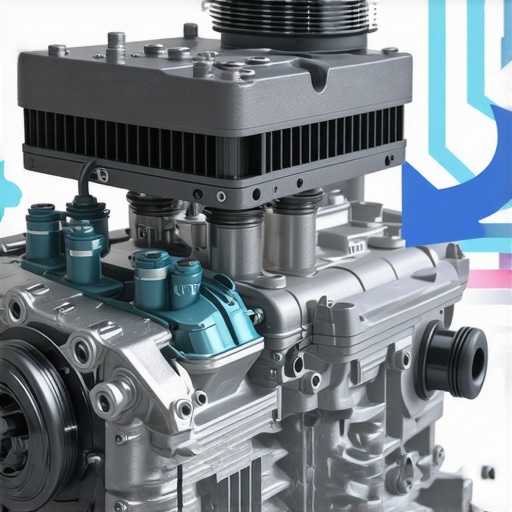
Ever been cruising down the road, only to hear that odd tapping sound creeping in when your engine is cold? It’s a familiar, almost nerve-wracking experience that can turn a smooth drive into a source of constant worry. I remember the first time I ignored that persistent tap; it gradually became louder and started to make me second-guess every trip. That lightbulb moment made me realize how important it is to understand what your engine’s noises really mean, especially when they vanish after the engine warms up.
Why That Tapping Might Be More Than Just Noise
That tapping sound isn’t just an annoying noise—it could be a sign of an imminent problem or a simple quirk. Early on, I made the mistake of dismissing the noise as nothing serious. But research shows that ignoring unusual engine sounds can lead to costly repairs down the road. For instance, a study highlighted that timely diagnosis of engine issues can save up to 40% on repair costs. So, what’s actually happening in your engine that causes that tap, and why does it go away once it warms up? Well, that’s precisely what I’ll help you figure out today.
Is the Tap Just a Temporary Quirk or a Serious Threat?
I’ve been there—trust me. Early on, I dismissed that initial tap as just another quirk of aging. I thought, “It’ll go away, or maybe it’s just the cold weather.” Turns out, that was a mistake. Often, that cold-start tapping indicates issues like insufficient lubrication or minor valve lash adjustments. If I had taken action sooner, I might have avoided more extensive repairs. So, if you’re wondering whether that tap is worth worrying about, let’s dive into how to tell the difference between a minor inconvenience and a serious risk—starting with what I’ve learned firsthand from my own auto repair adventures.
Get Hands-On with Your Engine Inspection
When you notice that tapping sound during engine cold starts, start by checking the simple things first. Open your hood and listen closely as you start your engine—if the tap is loud and persistent, it might be related to low oil pressure or valve lash issues. Trust me, during my own experience, I once heard that tap and decided to replace the oil immediately; surprisingly, that didn’t fix the noise. So, I moved to more specific steps.
Check and Replace Engine Oil
Inspect Oil Levels and Quality
Use the dipstick to verify if your oil is at the proper level and check its color and consistency. Dark, gritty oil means it’s overdue for a change. During a repair session, I topped up my oil and added a high-mileage synthetic; this significantly reduced the noise. Remember, fresh oil improves lubrication, which is critical for engine components operating in cold conditions.
Replace Oil Filter and Use Correct Oil
A clogged oil filter can restrict flow, causing low oil pressure and tapping sounds—akin to blood pressure issues in humans. I once neglected to change my oil filter for a long time, which led to persistent cold-start noise. Switching to the recommended oil grade and replacing the filter often resolves such problems and is a cost-effective approach to maintenance. For comprehensive guidance, visit this detailed auto repair guide.
Adjust Valve Lash Carefully
Valve lash refers to the small gap between the valve and its rocker arm or camshaft—if too tight or loose, it can cause tapping. To adjust it, you’ll need a feeler gauge and basic knowledge of your engine’s specifications. My first attempt was messy—I misaligned the rocker arms, leading to more noise, but after consulting my vehicle’s manual, I successfully adjusted the lash. Precise adjustment ensures proper valve timing and eliminates the tap.
Test the Fuel System and Ignition Timing
Sometimes, inconsistent fuel delivery or incorrect ignition timing can mimic mechanical tapping. Use a timing light and fuel system cleaner to verify operation. I used a fuel additive to clean out deposits, which lessened the cold startup noise. These steps are simple but impactful and can prevent unnecessary repairs.
Monitor and Diagnose Further
If the sound persists, consider more advanced diagnostics, such as testing hydraulic lifters or checking for worn piston rings. Easy access to diagnostic tools can be a help—brands like these auto diagnostics are valuable for DIY enthusiasts. Remember, addressing these issues early helps avoid costly repairs down the line, and knowing what to do keeps your engine healthy during those cold mornings.
Challenging the Myths Behind Car Maintenance
Many car owners operate under a set of assumptions about auto repair that are simply misguided. For instance, a widespread belief is that all car repairs should be avoided unless absolutely necessary. In reality, proactive maintenance—like scheduled oil changes and regular brake inspections—can prevent costly breakdowns and extend vehicle lifespan. A recent comprehensive study emphasizes that routine preventative care reduces emergency repairs by up to 60%, proving that early intervention often saves money and time.
The Biggest Trouble Lies in Missed Nuances
One major mistake I often see is the neglect of subtle warning signs, which can escalate if ignored. For example, a slight delay in shifting gears or a faint smell of burnt rubber might seem trivial, but they can hint at deeper issues such as transmission fluid degradation or worn-out clutch components. Investing in detailed diagnostics—beyond just visual inspections—can uncover these hidden problems early, saving drivers from expensive repairs later. For more in-depth strategies, visiting this resource on transmission care can offer valuable insights.
What Do Expert Mechanics Know That You Might Not?
Experienced technicians understand that many repairs are interconnected. For example, a brake service isn’t just about replacing pads; it involves examining rotors, calipers, brake lines, and hydraulic fluid—each component playing a critical role in safety and performance. Overlooking any part or assuming a quick fix without comprehensive diagnostics often leads to recurring problems. This nuanced approach ensures your vehicle maintains optimal function and safety. Want practical tips? Check this guide on choosing the best brake service.
Beware of False Savings Tricks
One common trap is opting for the cheapest auto repair options available. While appealing, unqualified mechanics or low-quality parts can cause more harm than good. For instance, using substandard brake pads may save money upfront but increase the risk of brake failure—putting safety at risk and leading to even higher repair costs. Always prioritize reputable shops like auto repair standards, and don’t hesitate to ask questions about parts and procedures. Remember, investing wisely now ensures long-term reliability.
Deep Dive into Transmission Care Will Save You Big
Advanced auto repair experts suggest that transmission systems often require specialized attention, especially considering how subtle issues can cause significant driveability problems. For example, slipping gears or delayed engagement when shifting can be early signs of internal wear or fluid issues. Regularly checking your transmission fluid level and quality—using methods I detail in this guide—can prevent costly rebuilds. Knowing these nuances helps you advocate for better service and avoid common mistakes like neglecting transmission maintenance altogether.
In the end, developing an understanding of these advanced nuances transforms you from a passive car owner into an informed participant in your vehicle’s health. By recognizing that not all repairs are straightforward and that hidden signs often precede major issues, you can make smarter decisions. Have you ever fallen into this trap? Let me know in the comments and share your experiences—it might help someone else avoid a costly mistake!
Maintaining your vehicle over time requires a combination of the right tools, disciplined routines, and a proactive approach to repairs. One of my favorite investments has been a high-quality automotive scan tool like the Autel MaxiCOM MK808. This device allows me to read and clear diagnostic trouble codes myself, saving time and money. I personally appreciate its extensive vehicle coverage and user-friendly interface, which makes regular diagnostics manageable even for a DIY enthusiast. Additionally, a reliable digital multimeter, such as the Fluke 115, is indispensable for checking electrical systems and ensuring that sensors and connections are functioning correctly. Having these tools on hand means I can quickly troubleshoot issues like irregular engine performance or sensor malfunctions without waiting for a mechanic.
Consistency is key; I set a monthly schedule to perform essential checks—like inspecting brake fluid levels, brake pads, and transmission fluid. For instance, regularly assessing transmission fluid with a tool like the TechMate Transmission Scanner helps me spot early signs of wear, which I learned from expert mechanics at this resource. When I notice subtle changes during fluid checks, I address them immediately, preventing costly repairs.
On the software side, I rely on automotive maintenance apps like RepairPal or CARFAX MyCar, which provide detailed maintenance schedules tailored to my vehicle’s make and model. These apps remind me when to replace filters, change oil, or rotate tires, ensuring consistent upkeep.
Looking ahead, I believe that vehicle maintenance will increasingly integrate predictive analytics. By leveraging telematics and onboard sensors, future cars could alert owners about impending issues before symptoms even appear, shifting the paradigm from reactive to proactive maintenance.
How do I maintain my car’s health over time? Besides routine checks, I make it a habit to review diagnostic codes regularly using my scan tool. This simple step can reveal underlying problems early, saving hundreds in potential repairs. For example, being attentive to minor transmission code alerts can prevent full rebuilds, as detailed in this guide. I highly recommend trying out a quality scan tool and incorporating routine diagnostic checks into your maintenance routine—it’s a game changer for long-term reliability.
Lessons Only Real Drivers Learn About Engine Noises
One thing I realized after dealing with engine taps for years is that most car owners overlook the subtle cues their vehicles give. For instance, early on, I ignored that slight tap during cold starts, assuming it was normal. Big mistake. That small sound taught me the importance of paying attention to the nuances, because they often reveal deeper issues like valve lash misalignments or lubrication problems. Trust me, every odd noise has a story, and understanding it can save you a lot of trouble.
My Go-To Tools for Persistent Engine Problems
Over time, I’ve curated a toolkit that helps me tackle engine issues head-on. My favorite inclusion is a reliable diagnostic scanner like the Autel MaxiCOM MK808, which uncovers hidden trouble codes quickly. Pair it with a high-quality multimeter such as the Fluke 115, and you’re equipped to check electrical systems on the fly. Regularly inspecting your transmission fluid with guides from this resource gives extra peace of mind. Having these at hand turns you into your vehicle’s best advocate, often preventing costly repairs.
Your Next Step Toward Smarter Maintenance
Now, it’s your turn to shift from reactive to proactive with your vehicle. Think about investing in a diagnostic scanner, setting up a maintenance routine, and paying close attention to those tiny sounds that seem insignificant. Remember, understanding your engine better isn’t just about fixing problems faster; it’s about extending your car’s life and saving money in the long run. So, what’s one step you can take today to become more tuned into your vehicle’s needs? Share your plans below—I’d love to hear how you’re planning to give your engine the care it deserves!